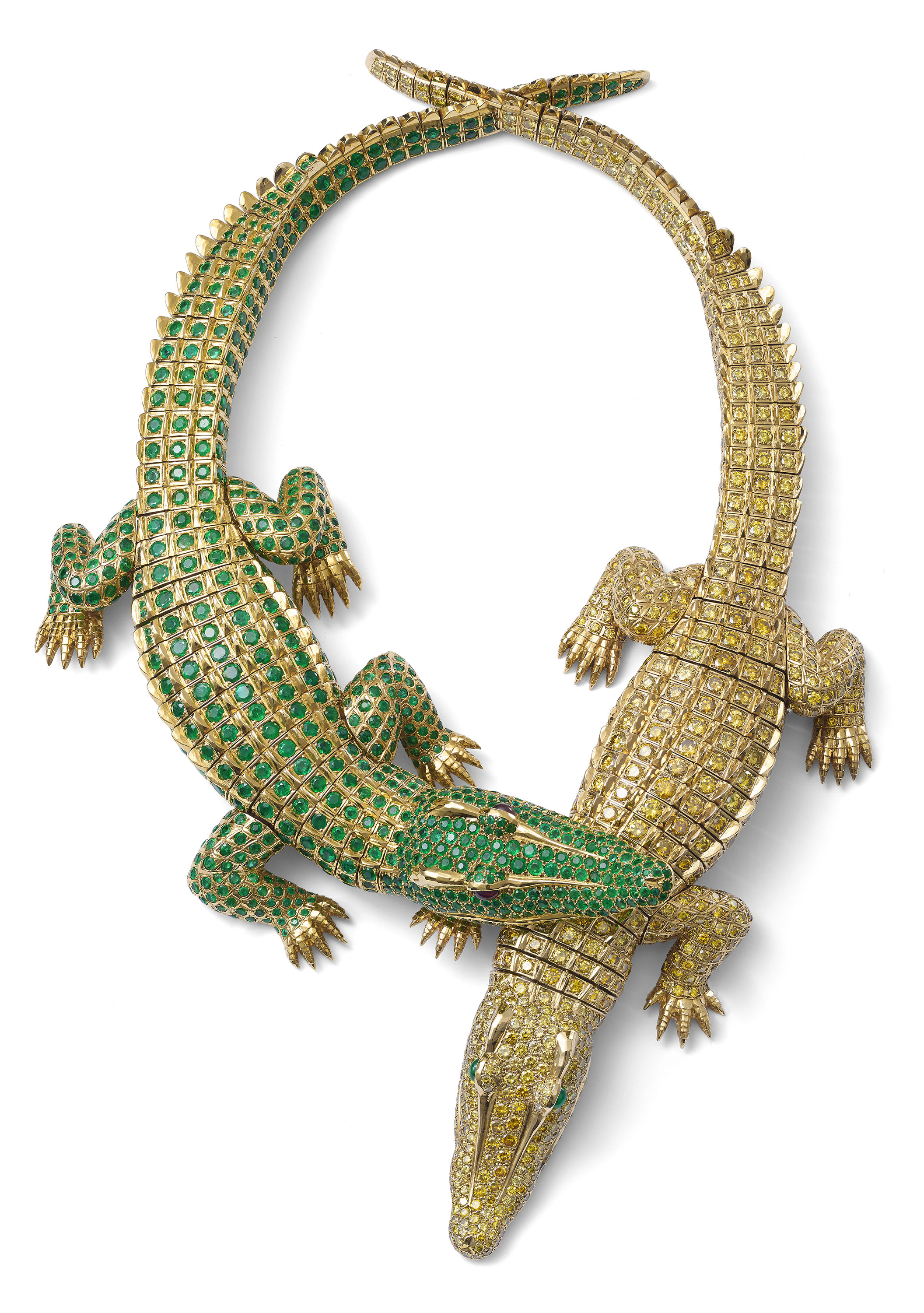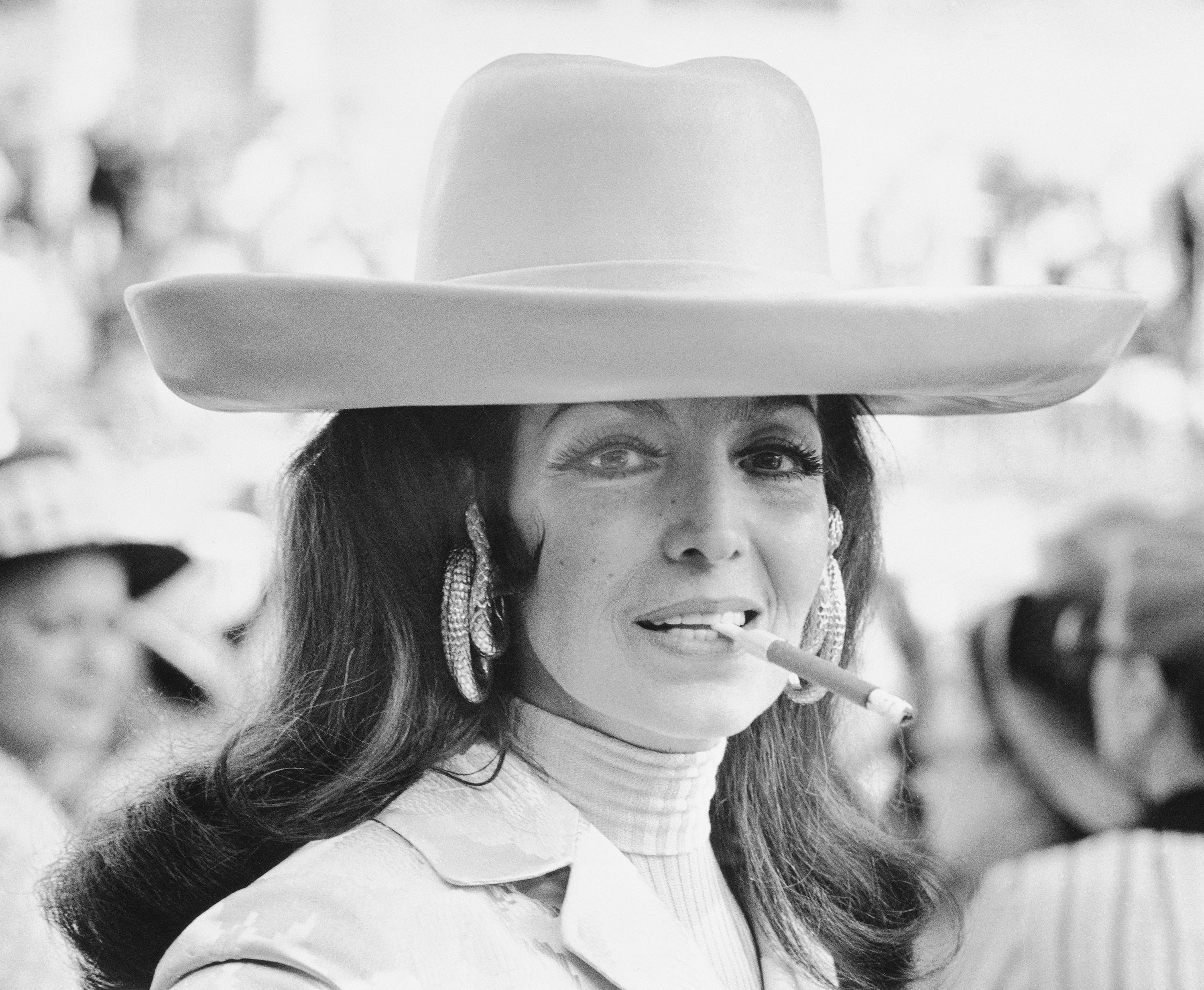
Nicknamed La Doña, María Félix (1914–2002) was a Mexican actress well known for her strong personality and charm. Between 1942 and 1971, she acted in over forty films shot in Mexico and Europe. Her taste for the extravagant is evident in the jewelry she commissioned from Cartier, particularly the reptiles, true statements of her character.
At the avant-garde of cinema
María de los Ángeles Félix Güereña, known as María Félix, was born on April 8, 1914 in Mexico. She was soon attracting attention, and was crowned beauty queen at the University of Guadalajara when she was still a teenager. Shortly afterwards, she met the man who would be her first husband, Enrique Álvarez. They married in 1931.
The couple divorced in 1937 and María moved to Mexico City, where she got noticed by the film director Fernando Palacios. Foreseeing a great future for her, he convinced her to become an actress and introduced her into the Mexican cinema circle. María’s career took off in the 1940s: she became one of Mexico’s most popular actresses. Her fame was increased by her marriage to the singer Augustín Lara, who immortalized their love in numerous songs.
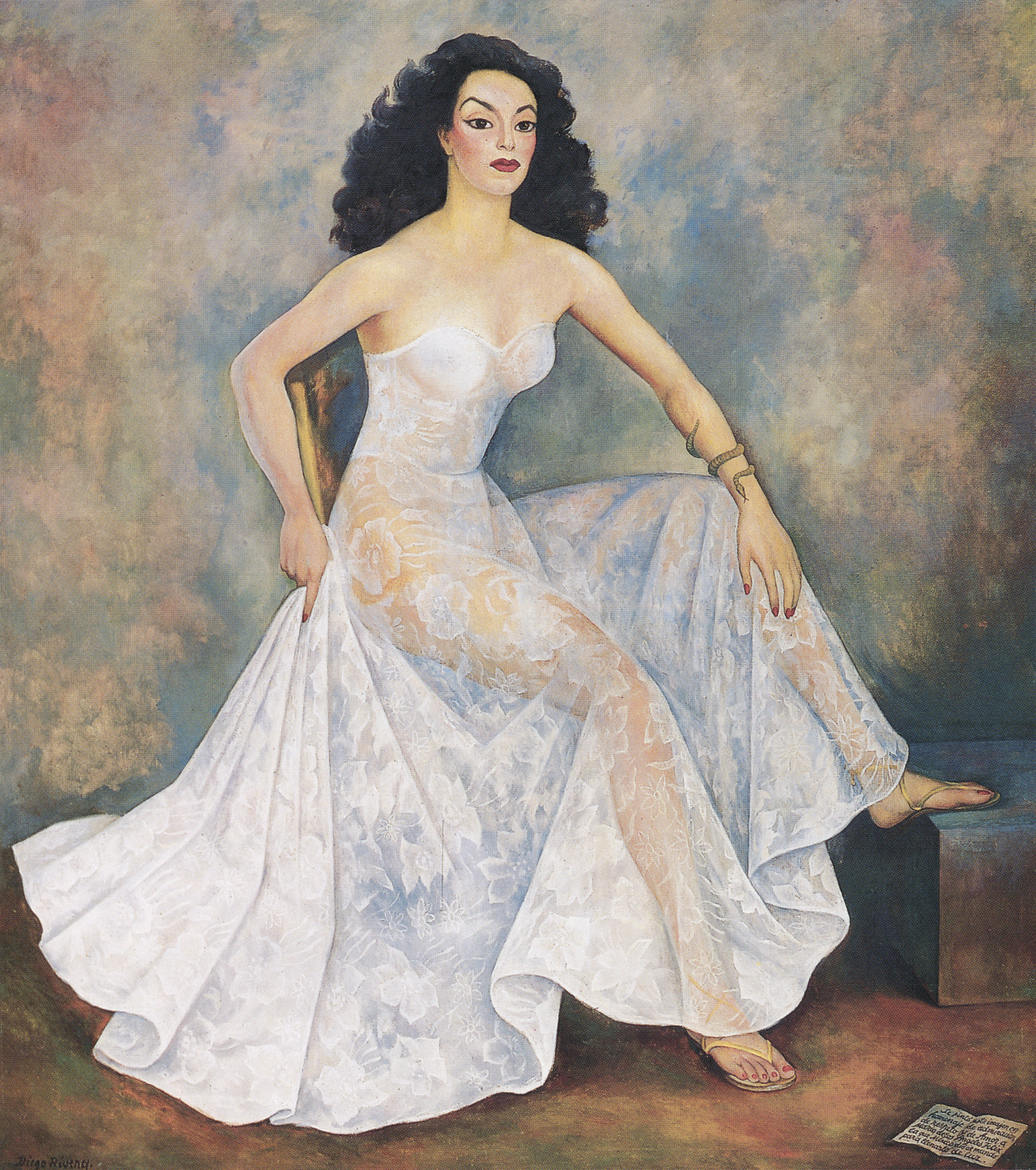
María began making connections with the art world at that time, particularly with the Mexican artist couple Frida Kahlo and Diego Rivera. In 1949, Rivera painted her portrait, now in a private collection. Other artists would later pay her homage in various genres, including the painter Leonor Fini and the writer Jean Cocteau.
In 1948, María was contacted by a Spanish film producer, marking the beginning of her career across the Atlantic. She now spent her life between Mexico and Europe, where she worked with the preeminent directors of the time, including Jean Renoir and Luis Buñuel.
Her appearances on screen became increasingly rare in the 1960s, and she finally retired in 1971.
A taste for the extravagant
Throughout her life, María Félix stood out for her extravagance. Residing in Paris for part of the year, she had an apartment decorated in Napoleon III style where black lacquer engaged in eclectic dialogue with upholstered chairs. It also featured an impressive collection of precious objects, furniture and ornaments. The audacity of her taste is also manifested in her jewelry choices, the most spectacular of which were made by Cartier.
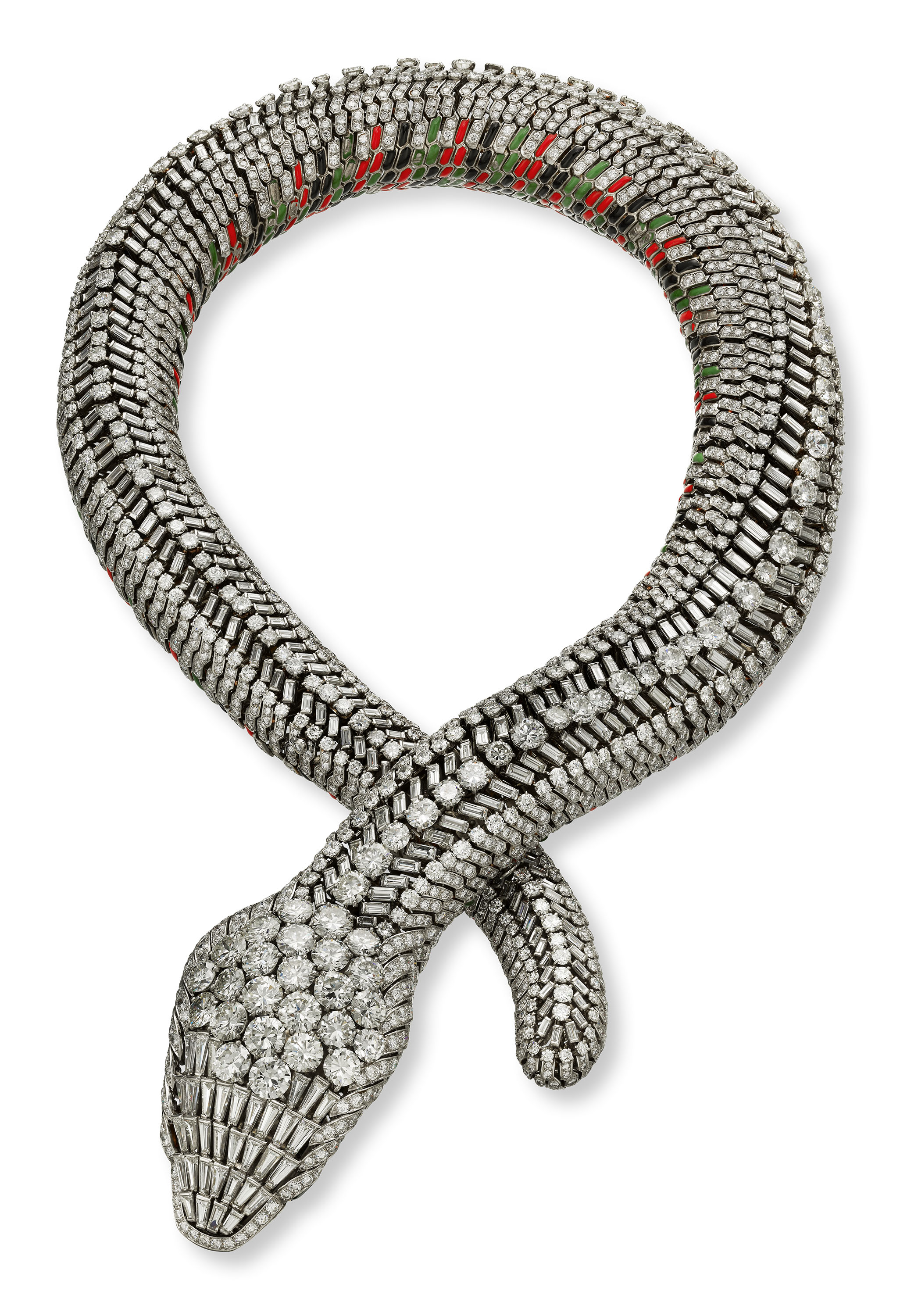
The result of months and months of work, the snake necklace created for the actress in 1968 constitutes one of the most remarkable pieces in Cartier history. Its body is fully articulated, allowing it to coil delicately around the neck. An impressive array of 2,473 diamonds, combined with the brilliance of platinum and gold, evokes the reptile’s lustrous skin, while its belly is subtly decorated in red, green and black enamel. That same year, María ordered a pair of earrings, also taking the form of a snake. They were so heavy that they had to be worn on the auricle instead of the lobe.
In 1975, her passion for reptiles led her to commission another spectacular jewelry item, once again combining technical expertise and a powerful design. Legend has it that María brought a live baby crocodile to the Cartier workshops so that the designers could create a piece that perfectly mimicked nature, urging them to get the work done in a hurry: the animal was growing quickly.
The outcome was a necklace composed of two fully articulated crocodiles that can be worn together or separately as brooches, or even displayed as decorative objects in their own right. Represented in stunning realism, the animals are adorned, respectively, with 1,023 yellow diamonds and 1,060 emeralds. Their predatory attitude emanates vitality and dominance, honoring the naturalistic tradition of the Maison.