
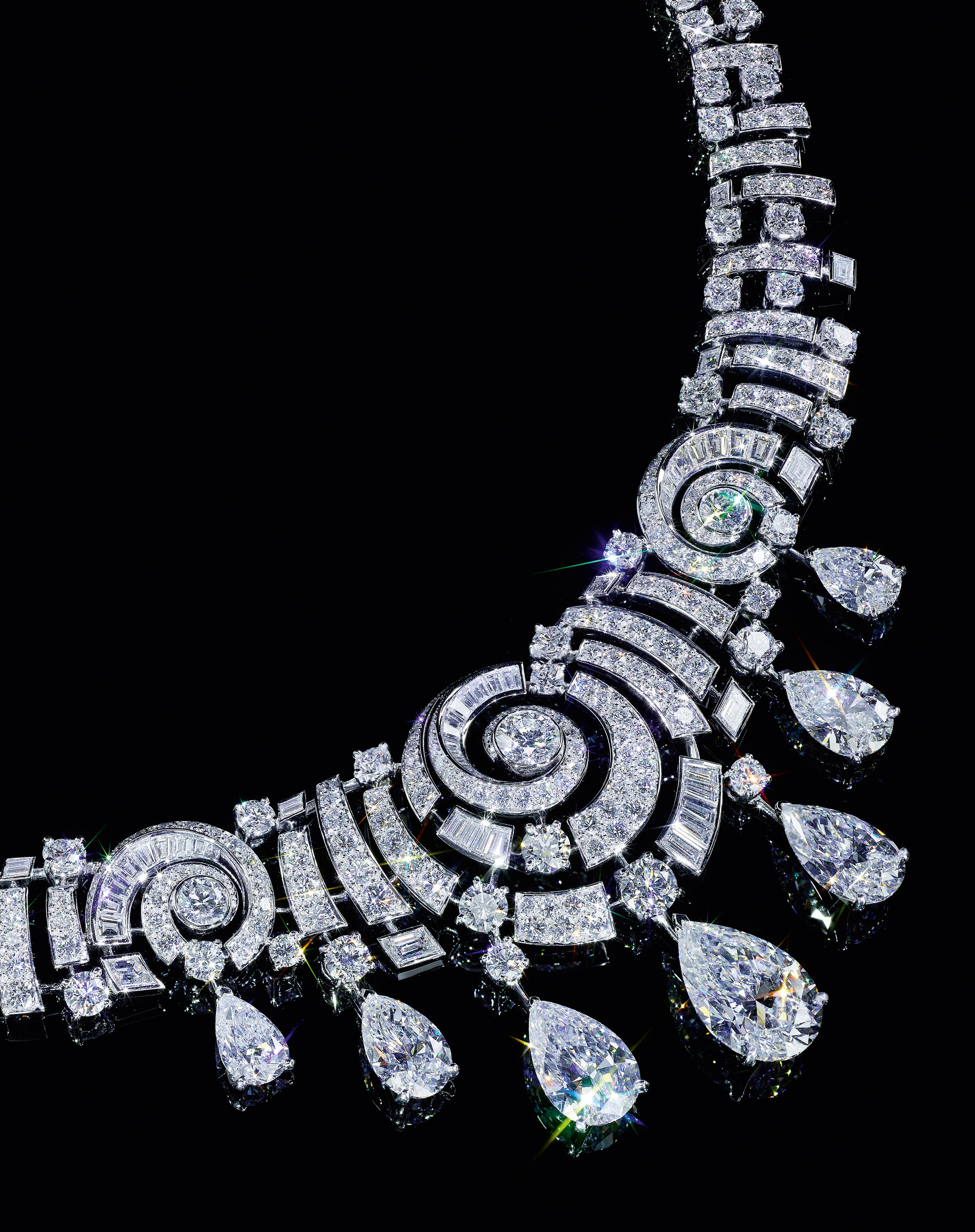
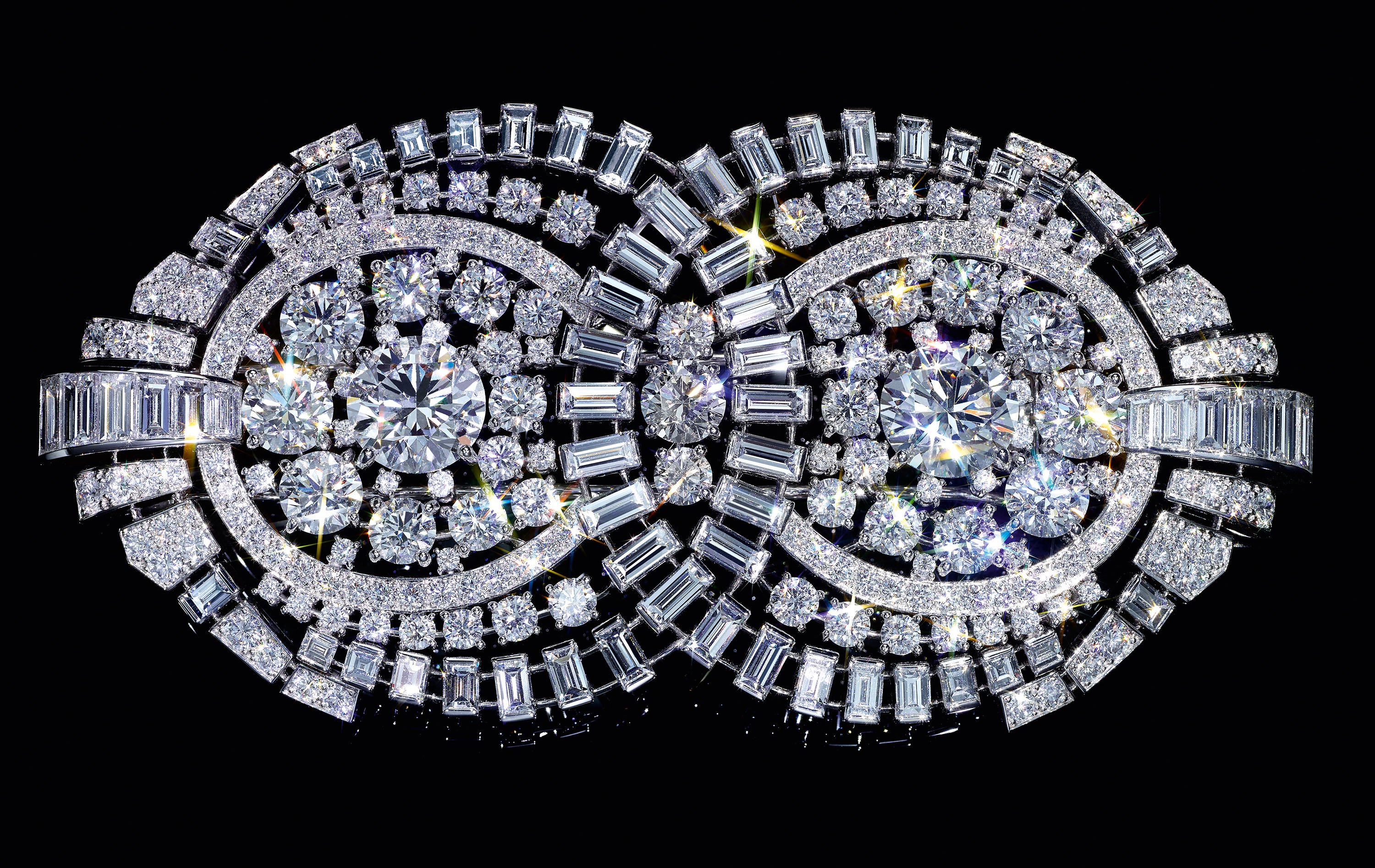
Whether white or colored, diamonds have illuminated Cartier creations for more than a century and a half.
- Chemical composition: carbon
- Color: most diamonds are colorless, but they are also found in a great variety of colors.
- Hardness: 10 (Mohs scale)
An invincible force of nature
They are said to have fallen from heaven, like a celestial miracle or the tears of a divinity. Over the millennia, the diamond has fascinated for its beauty and the mystery of its hardness. It was already venerated at the time of Alexander the Great, legend telling that he brought them back from India to Greece. It was there, in the cradle of European civilization, that the stone was baptized adamas, literally meaning “unconquerable,” “invincible.”
Indeed, its hardness captivates as much as its brilliance. The first-century Roman naturalist Pliny the Elder wrote in his Natural History that it makes the hammer rebound and the very anvil split asunder. Its indomitable strength is forged deep below the surface of the Earth. Taking more than a billion years to form, this fragment of pure carbon crystalizes in the upper layers of the earth’s mantle at a depth of 150 to 200 kilometers under tremendous pressure (c. 50 Kbar) and heat. The crystals are then brought to the surface in an extremely violent volcanic eruption.
Deposits around the world
From the first millennium BCE to the eighteenth century, diamonds were extracted from mines in the Indian region of Golconda. Deposits were then discovered in Brazil in the early 1700s and in South Africa from 1866. Today, diamonds are mainly from Russia, Canada, Brazil, Venezuela, South Africa, Angola, Botswana and the Democratic Republic of the Congo.
Keen on observing international law and true to its ethical commitments—Cartier is a founding member of the Responsible Jewellery Council—the Maison does not trade in diamonds from war zones or produced in ways that compromise human dignity. Every Cartier diamond complies with the Kimberley Process.
Symbolism
A coveted jewel since ancestral times, the diamond has inspired various interpretations by different cultures at different times. The ancient Romans celebrated its talismanic powers and curative properties, the first Christians saw it as a sign of mystical glory, and the Buddhists associated it with the power of spirit.
Nowadays, its hardness has made it an emblem of strength and power; its sparkle, an emblem of loyalty and eternity; its clarity and transparency, an emblem of the constancy and purity of the noblest human sentiments: the diamond is indeed the symbol of love. This is why lovers traditionally seal their engagements with a solitaire.

Types of diamonds
Diamonds are scientifically classified according to chemical composition and the quality of the crystal. They are divided into two principal categories.
Type I diamonds—comprising approximately 98% of those currently discovered—are characterized by the presence of nitrogen in their crystal lattice. The more nitrogen there is, the whiter the stone.
Type II diamonds contain little or no nitrogen. This category, in turn, is divided into two sub-groups. Type IIa diamonds, also called Golconda-type diamonds, are of flawless chemical composition and are distinguishable from all other stones at first sight. The clarity of their “water” gives them unequaled transparency and optimizes their unique color. They make up a mere 1–2% of the diamonds assessed each year by the Gemological Institute of America (GIA) and are thus highly coveted.
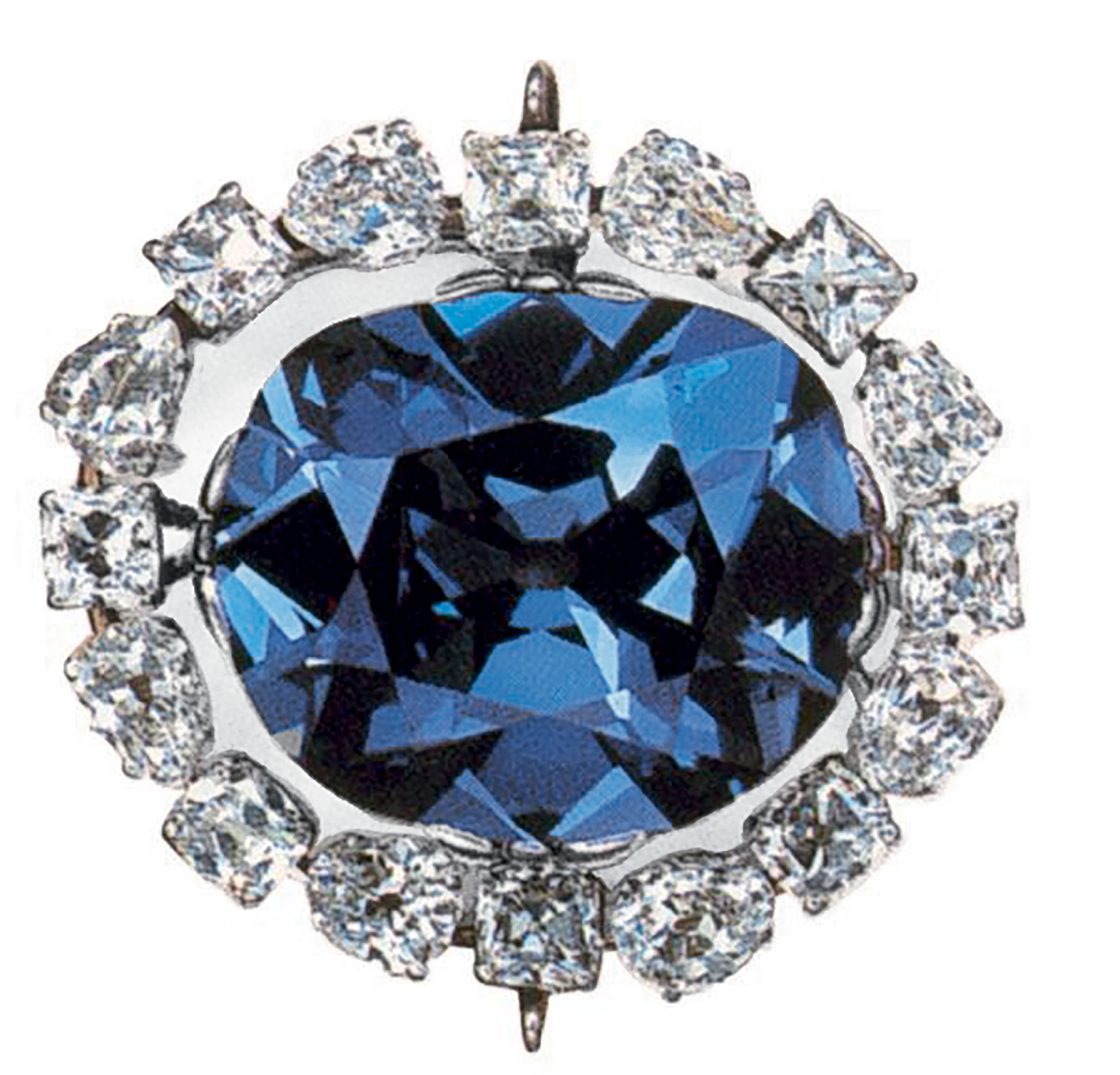
While sharing some qualities with Type IIa diamonds, Type IIb diamonds—the rarest of all, not exceeding 0.1% of all diamond reserves—are distinguished by their characteristic blue-gray hue, as exemplified by the famous Hope diamond.
A surprising color palette
Not all diamonds are colorless. They feature a surprisingly varied color palette: blue, green, red, pink, orange, violet, gray black… Their hue is determined by the chemical composition of the crystal or by structural “flaws.” For example, blue diamonds owe their color to traces of boron in their lattice, and green diamonds to gaps in their crystal structure. As for pink diamonds—with their blue counterparts, one of the most desirable of all gems—their color derives from an effect known as graining, where atoms are dislocated during crystal growth.

Selection criteria: the 4 Cs and the 5th Cartier C
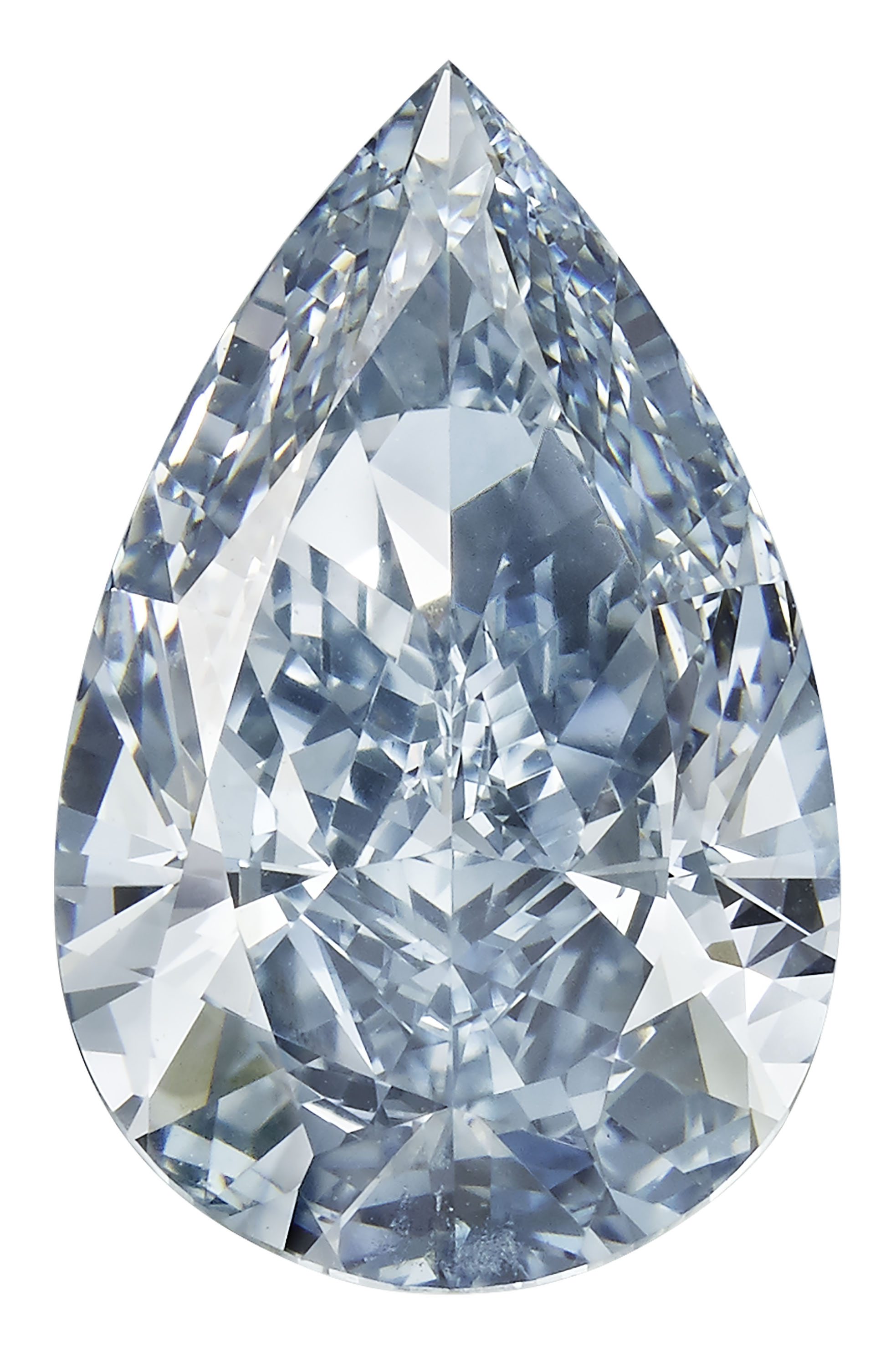
Diamonds are assessed according to four main properties that determine their quality and rarity. Established in 1939, they are known as the “4 Cs”: Carat, Clarity, Color, and Cut. By means of a rigorous, demanding selection process based on these criteria, our in-house experts determine which diamonds meet Cartier’s uncompromising quality standards.
The Carat is a unit of weight for diamonds. One carat is equal to 0.20 grams.
Clarity is a function of the purity of a diamond. It depends on the number of inclusions (natural imperfections), their extent, and their position within the crystal. The GIA—an independent and recognized international certification body chosen by Cartier—has established an eleven-point scale of purity ranging from Flawless (no inclusions or blemishes are visible to a skilled grader using 10x magnification) to I3 (Included 3: numerous inclusions visible to the naked eye). Cartier gems range from Flawless to VS2 (Very Slightly Included 2: inclusions are minor and range from difficult to somewhat easy to see under 10x magnification), ensuring exceptional purity and the absence of any imperfections visible to the naked eye.
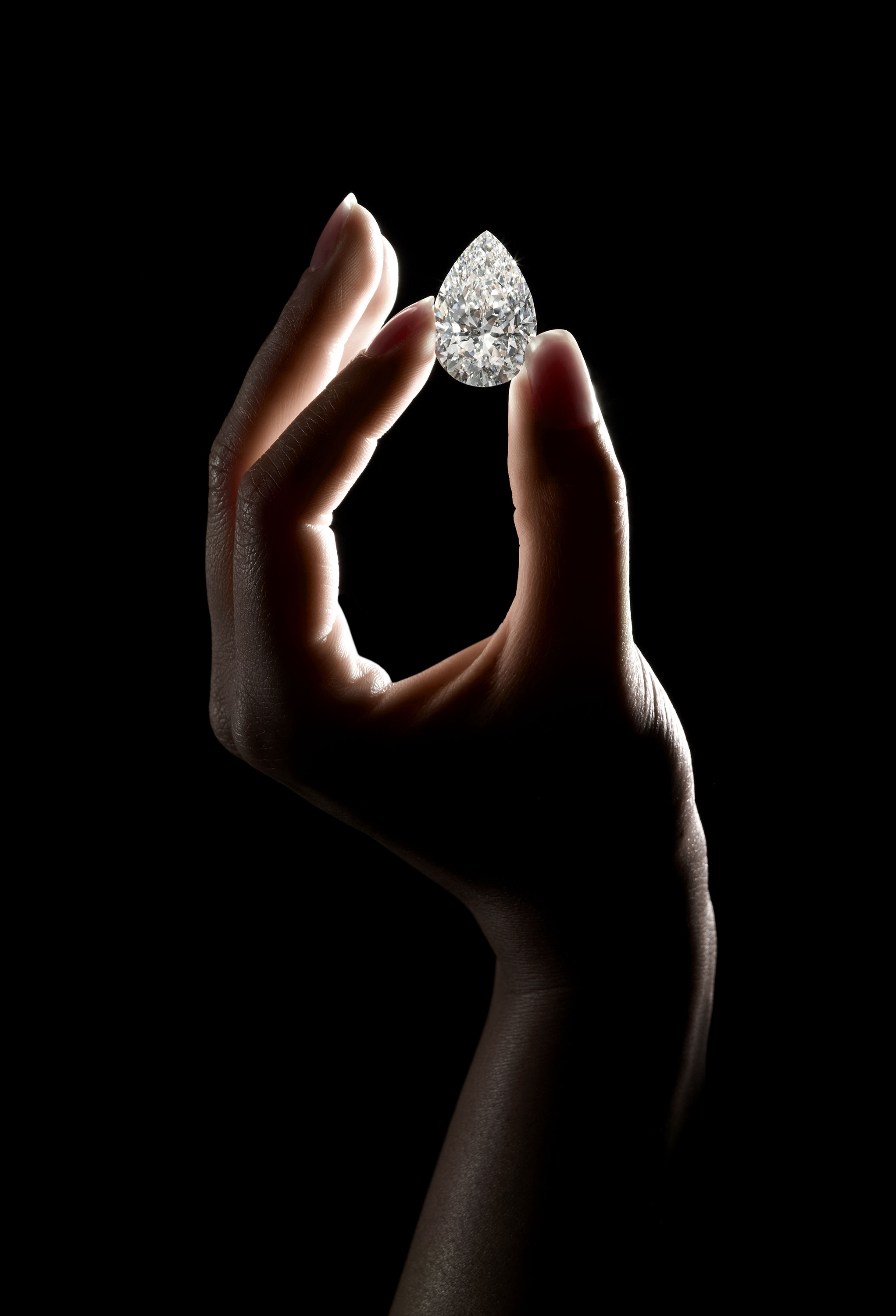
Color is another critical criterion. The GIA assesses colorless diamonds on a scale ranging from D (Exceptional white +) to Z (Tinted color). Cartier only accepts diamonds in the D–H (White) range for its colorless central stones.
Colored diamonds are ranked on a scale ranging from Faint to Fancy Vivid. When selecting colored stones, Cartier favors gems from the Fancy, Fancy Intense, and Fancy Vivid categories.
Cut regards the proportions of the diamond, its symmetry, harmony and balance. Cartier diamonds are certified by the GIA as Excellent, Very Good or Good, ensuring optimal brilliance.
Of all diamonds meeting Cartier’s criteria, only the top 40% are then chosen by our experts. The ones that bear a 5th C: Charm. A Cartier diamond is endowed, in effect, with extra character, a unique aura, a truly singular beauty. Thanks to the quality of its cut and polishing, it disperses light marvelously, sparkles from its table, and shines with every movement. As if by magic, it exalts its inner fire while refracting every ray of light that passes through it in a rainbow of colors.
Certification and dual expertise
The diamonds selected by Cartier are the outcome of dual expert analysis by the GIA and Cartier. The report from the American laboratory describes the carat weight, the cut, the color and the purity—the 4 Cs—as well as the degree of fluorescence, the symmetry and the quality of the polishing. Any inclusions or blemishes are also reported. This report is valid as a certification of the gem, which Cartier demands for diamonds weighing more than 0.18 carats used as a central gem.
The Cartier experts then examine the gems selected by the GIA to choose those meeting Cartier criteria, which encompass the 4 Cs but also take into consideration the brilliance and beauty of the stone. All Cartier experts, selected from among the most talented specialists, have perfect mastery of the Maison’s demanding selection criteria. This savoir-faire is developed through a long in-house apprenticeship, with each new generation of experts trained by their predecessors to ensure unbroken continuity. Cartier has thus cultivated this precious talent for more than a century and a half, this unique eye for gems, making it possible to choose only those stones worthy of being set in a Cartier creation.
The permanent value of Cartier diamonds
The outcome of a meticulous, uncompromising selection process, the quality of Cartier diamonds is assured and recognized by the world’s foremost gem experts. Rare jewels of great emotional power, Cartier diamonds are heirlooms to hand down from generation to generation, an enduring legacy.
Cartier, a jeweler of diamonds
Cartier has always united savoir-faire with timeless elegance to magnify diamonds. The Maison works to bring out the majesty inherent in each stone. One way to achieve this is to reduce the proportion of metal. The pioneering use of platinum at the turn of the twentieth century allowed greater finesse of execution in jewelry-making and enhanced the ability to bring out the full brilliance of each diamond. The setting becomes as discreet as possible while ensuring perfect anchorage for the stone. The refinement of composition is reflected in the tiniest details, from the pavé-set to the proportions of the solitaires.
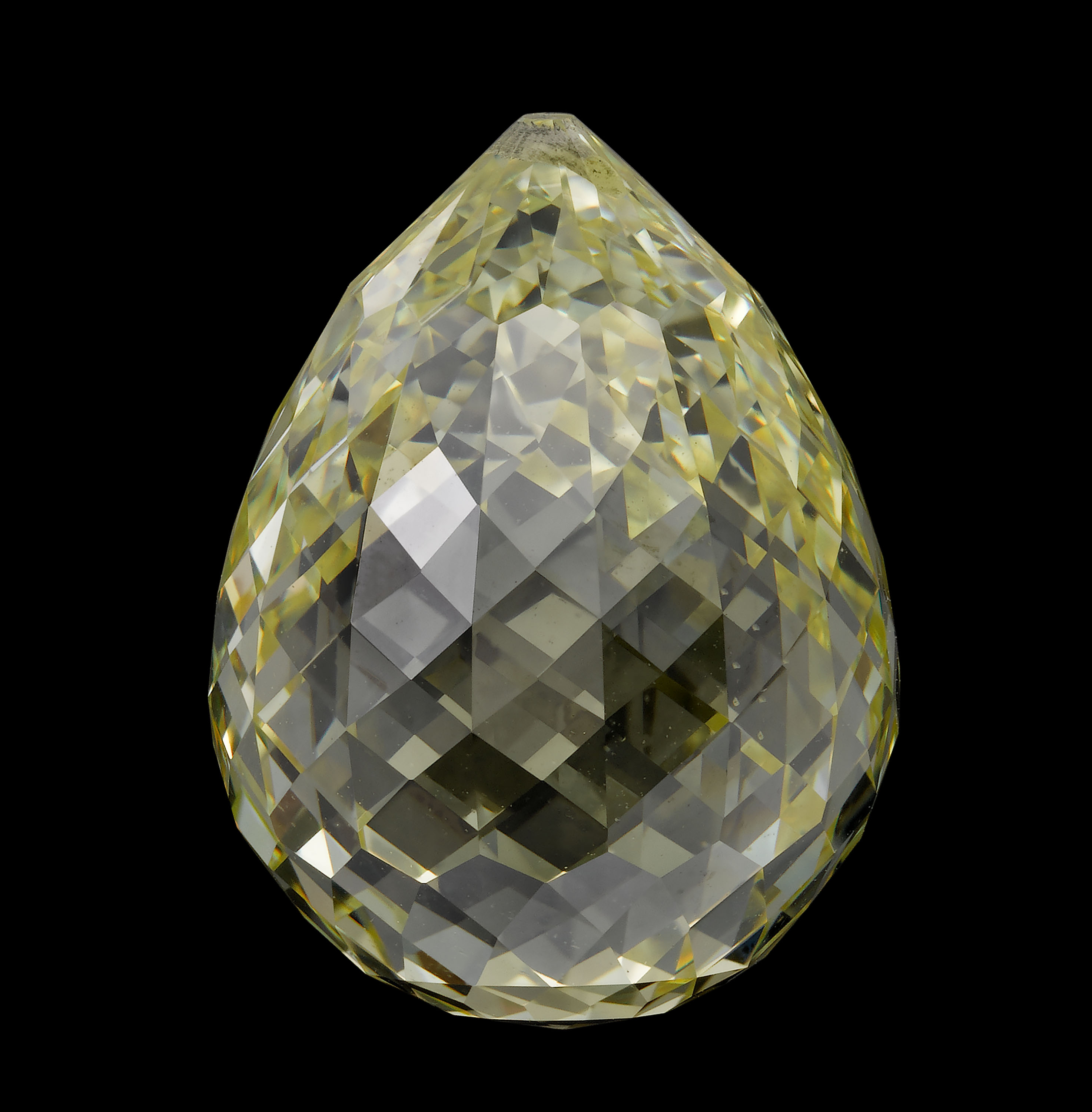
Cartier is also distinguished by the unique cuts of its diamonds. Often ancestral and eschewing common standards, they endow the stones with a mystery that enhances their charm. One example is the briolette, a cut originating in India that shapes a singular faceted drop. Long abandoned by jewelers, it was first used by Cartier at the beginning of the twentieth century and reintroduced in the 1990s. Similarly, the baguette cut, made popular by the Maison in the early years of the twentieth century, is today a classic cut among jewelers.
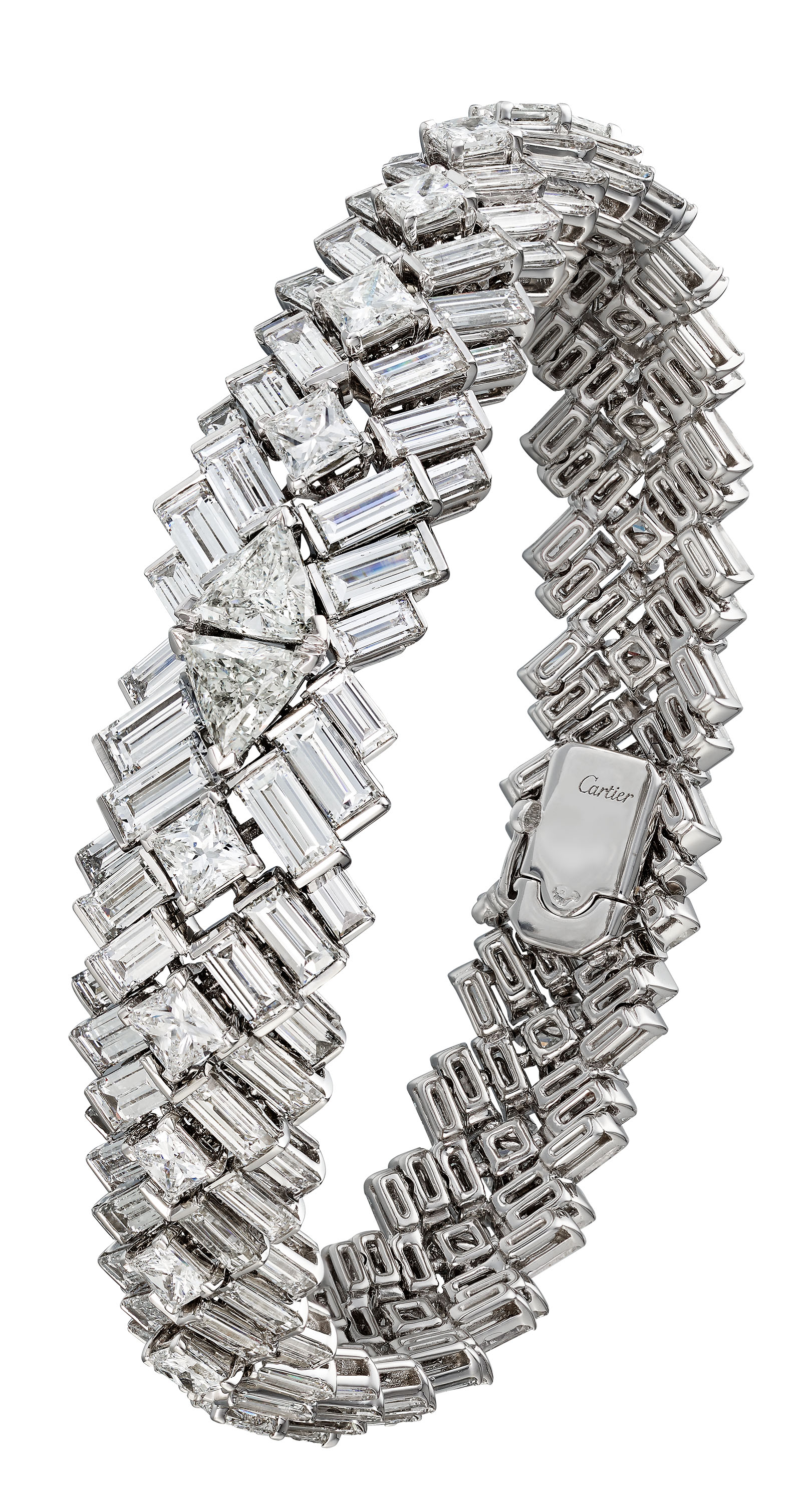
Cartier dares to mix cuts in original creations, combining stunning light effects with a bold aesthetic. As far back as the 1910s, the jeweler mingled stones with contrasting forms in geometrical or abstract compositions that heralded the Art Deco aesthetics of the following decade. Emblematic of the Cartier style, this interplay of cuts continues to this day, as we see, for example, in the bracelet worn by Meghan Markle when she married Prince Harry in May 2018. That piece, from the Cartier Reflection Collection, alternates baguette- and brilliant-cut diamonds in a rhythmic composition with an essential design.
Cartier and the legendary diamonds
Cartier diamonds have marked history forever. In over 170 years, the list of legendary diamonds that have passed through the Maison’s ateliers is as long as it is illustrious. It starts with the Briolette of India, continues with the Star of the South, the Star of the East, the Polar Star, and the Star of South Africa, followed by the Taylor-Burton, the Jubilee, the Louis Cartier, and, more recently, the Tiger Tears, the Pur Absolu and the Étourdissant.
Cartier is also renowned for its colored diamonds. The most famous have been highlithed by the Maison’s talented artisans, such as the legendary Hope diamond, the Williamson, the De Beers, the Tereshchenko, the Allnatt, as well as the pink diamond in the Cartier Royal collection unveiled in 2014. A host of queenly gems exalted by the “king of jewelers.”