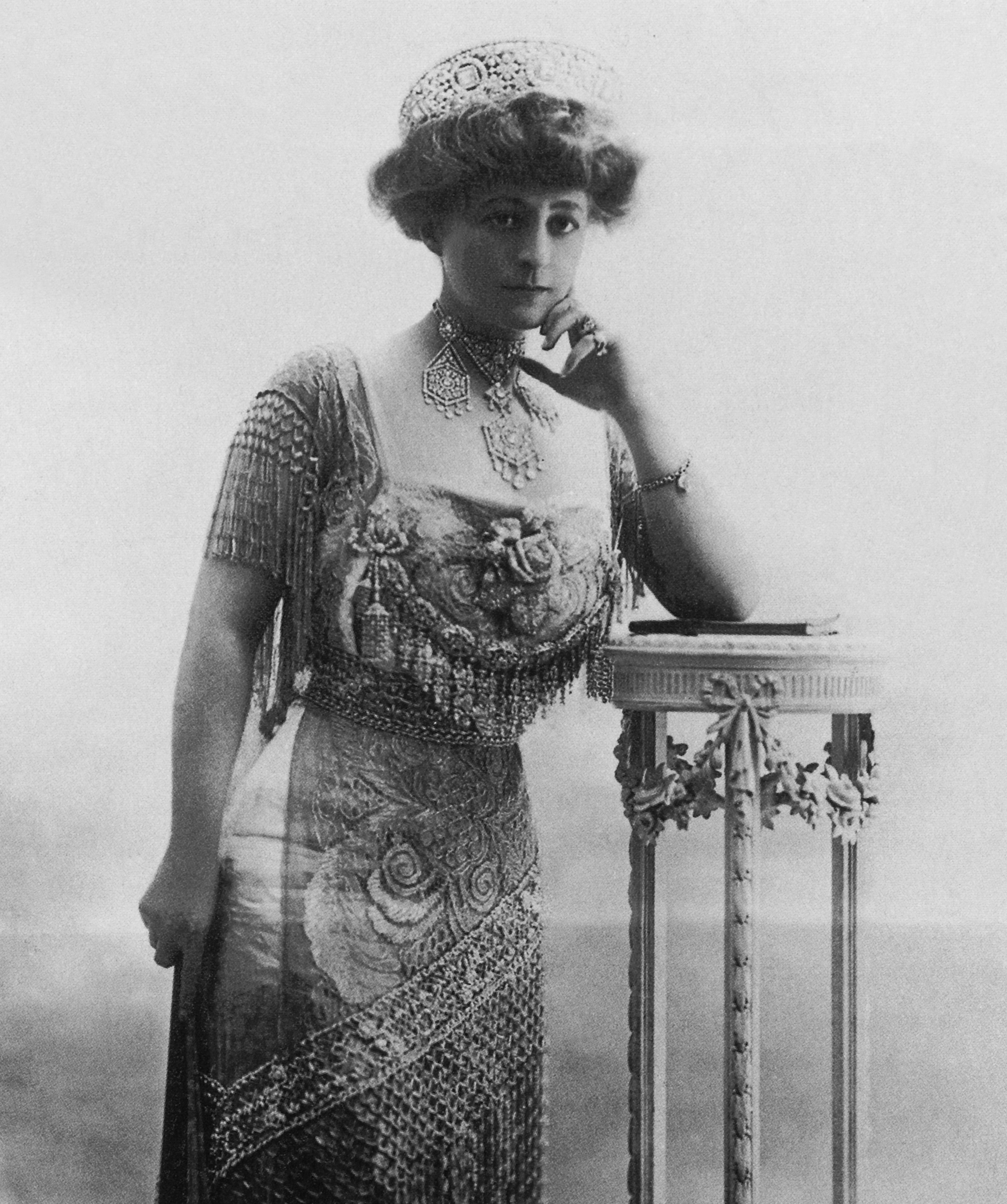
Neoclassical in inspiration, the artistic approach to jewelry known as the garland style is inextricably linked to Cartier. It was fashionable from 1899 until the mid-1910s and helped to established the Maison’s international reputation.
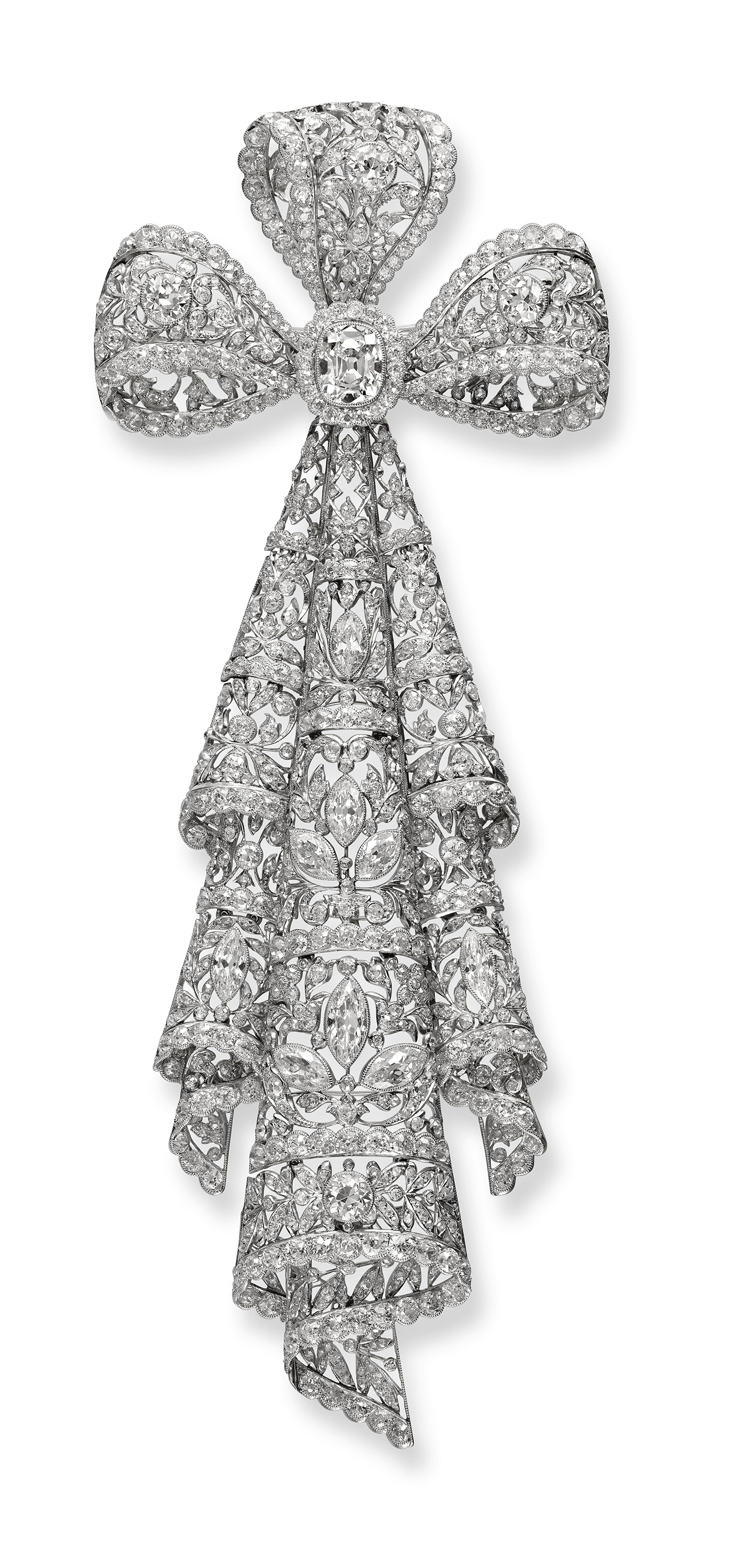
At the turn of the twentieth century, most jewelers adhered to the Art Nouveau style. Louis Cartier (1875–1942), however, took the bold decision to introduce his own style, based on neoclassical aesthetics. He thereby promoted a unique approach dubbed “Belle Époque” at the time and later known as the “garland style.”
The birth of this style corresponded to Cartier’s move to new premises at 13, Rue de la Paix in 1899. The Maison ceased selling other jewelers’ products, becoming its own exclusive designer and thereby acquiring its own artistic identity. That identity was marked by the garland style until around 1914 as far as stock items were concerned, and even later when it came to special orders.
Spurred by Louis, the house designers sought inspiration from French decorative arts of the eighteenth century, from architecture and from ironwork, not forgetting lacework and fabric trimmings. The neoclassical ornamental repertoire merged with Cartier’s own themes: laurel branches, baskets of flowers, bows, curving foliage and scrolls all influenced numerous stylized patterns perfect for highly refined jewelry.
Employing this style, Cartier designed formal, indeed ceremonial, jewelry suited to the dress of the day. The feminine image devised by the fashion designer Worth predominated: dresses were imposing, corsets still prevailed, and fabrics were voluminous and patterned with flowers. On their bodices women wore brooches or corsage ornaments that largely covered their chests. They preferred chokers to the long necklaces and pendants that would become fashionable in the 1910s and 1920s. The most elegant women still wore majestic tiaras.
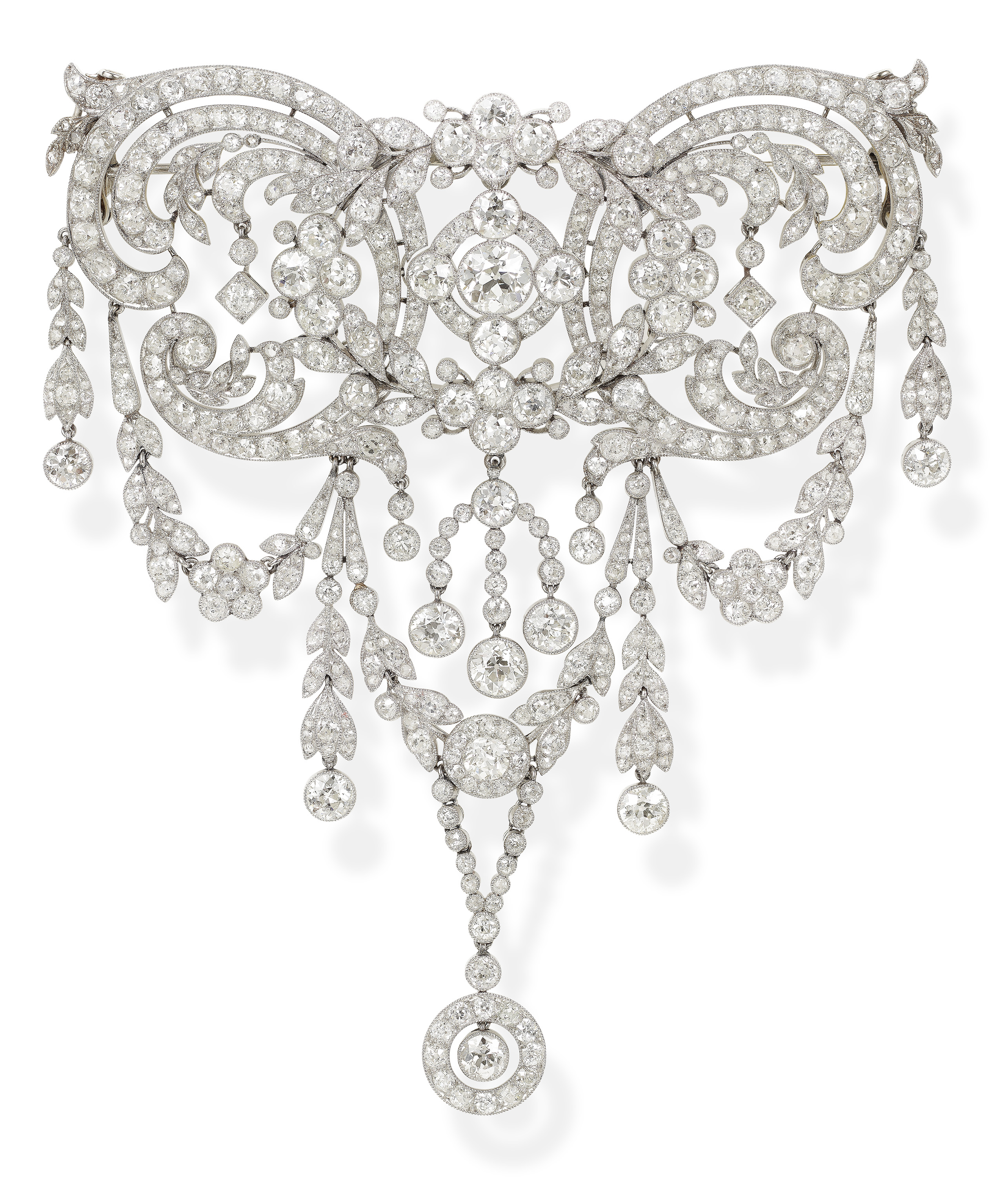
Most of these pieces were incomparably fine thanks to the pioneering use of platinum, a precious metal rarely employed in jewelry until Cartier made it widespread in the early twentieth century. Platinum was tougher than gold and stainless (unlike silver), which permitted lighter, more discreet settings. Diamonds therefore sparkled like never before, in the glow of the new electric lighting.
The innovatory methods and classical inspiration behind the garland style appealed to a clientele as famous as it was tasteful, including numerous European aristocrats such as the Queen of the Belgians, Princess Marie Bonaparte, and the countess of Essex. The garland style also brought the jeweler a new clientele of rich Americans like the Vanderbilts. Its success solidly launched Cartier’s international reputation and influence.