
Early on, Cartier opened up to the world and its cultural diversity. Among the various realms that intrigued the Maison, Africa would soon stimulate and enrich the jeweler’s stylistic repertoire.
A longing for elsewhere
In the period ranging from the turn of the twentieth century to the outbreak of World War II, a fascination with non-Western cultures took hold in the arts. The development of transportation and spread of universal and colonial exhibitions in this period opened windows to the world and promoted a profusion of creative expressions.
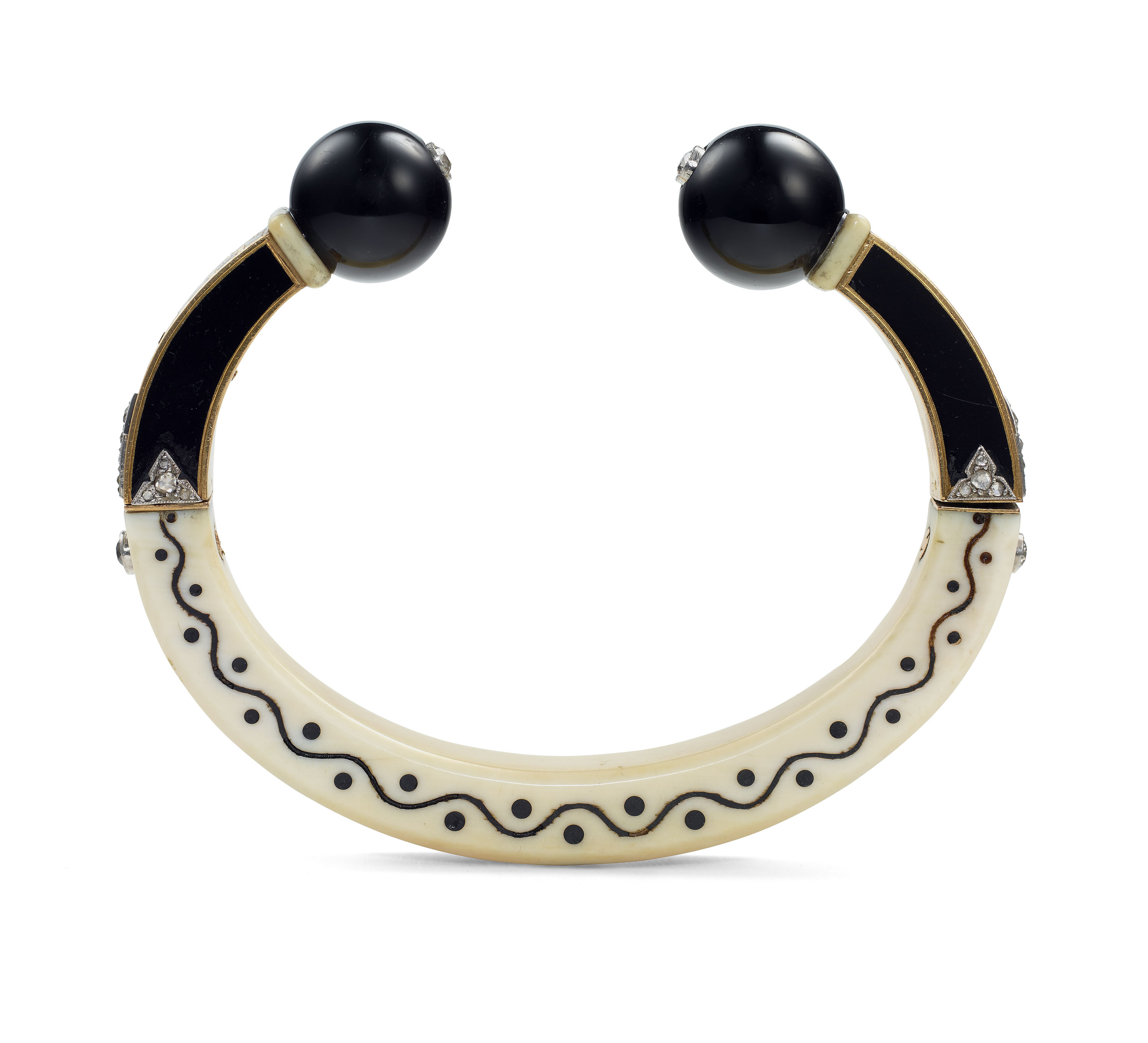
These events introduced Westerners to hitherto little known traditional arts, including those originating in Africa. Craftsmen and artists such as Man Ray and Pablo Picasso took inspiration from them, as did Maison Cartier, which introduced so-called “Sudanese” bracelets in the 1920s crafted in ivory, onyx, enamel and diamonds. These items took their shape from rigid Sudanese bangles and used some of the customary materials of traditional African jewelry.
Wild animals and tribal masks
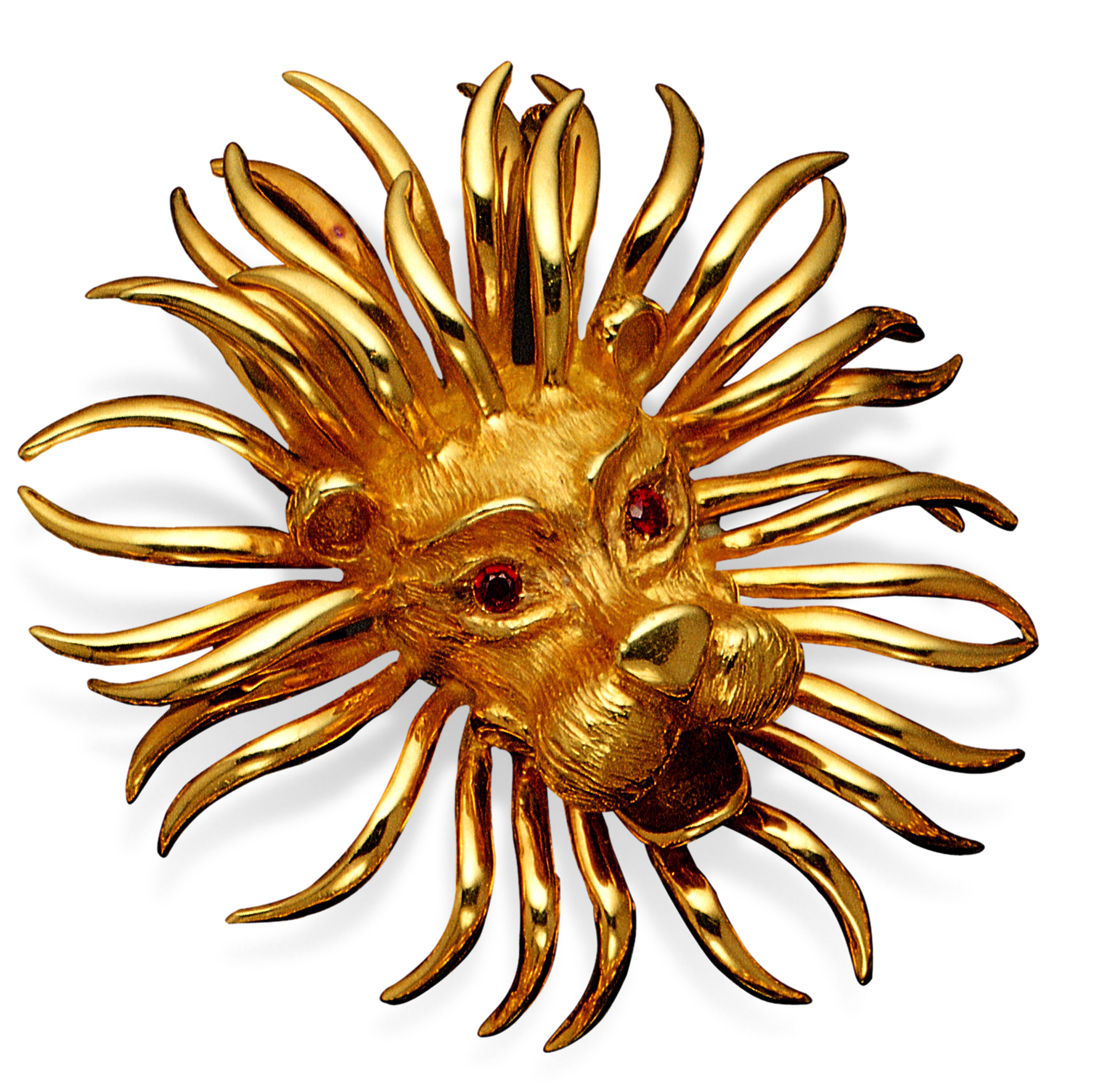
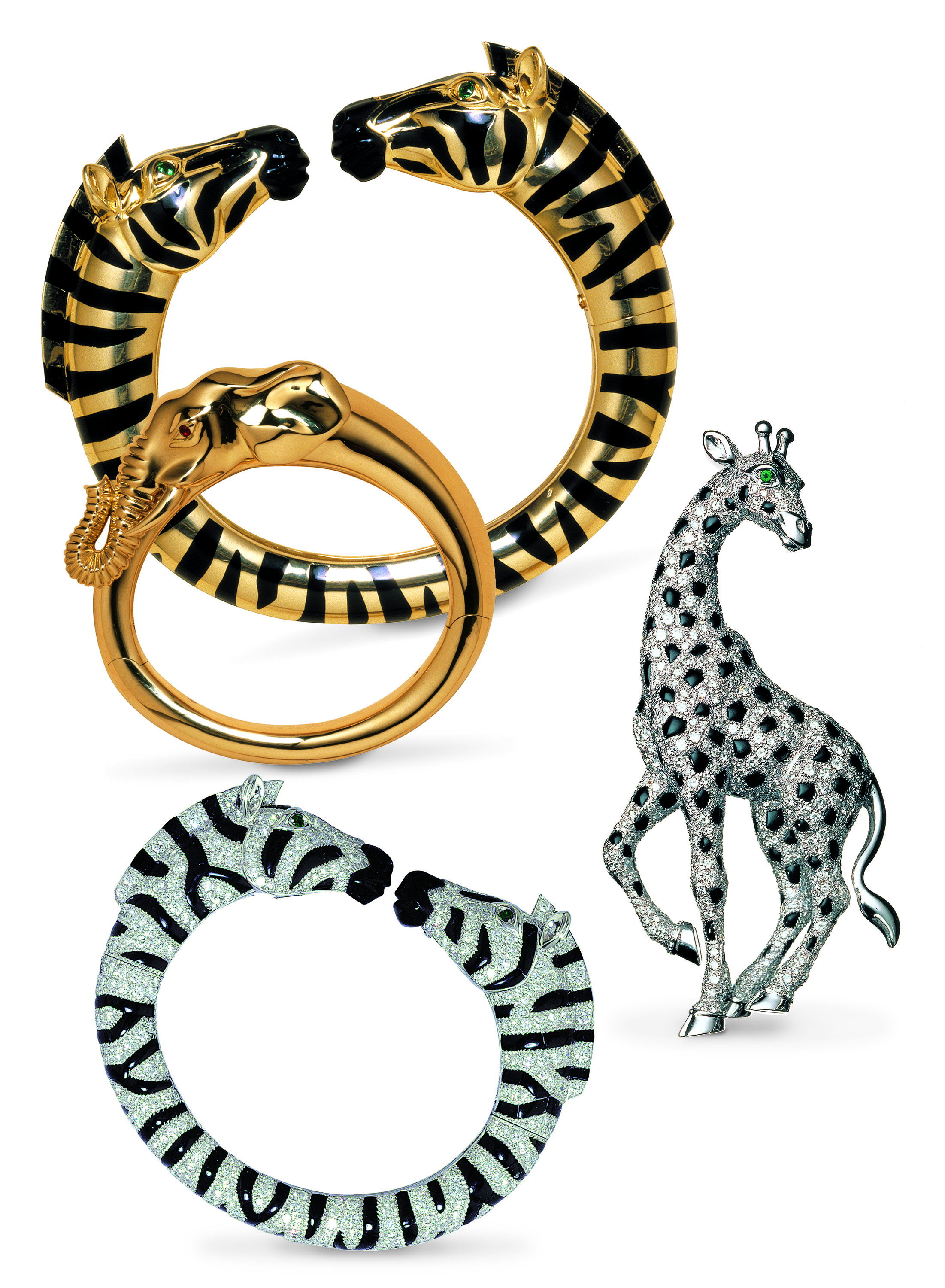
Photographs from the 1930s kept in the press books of Cartier’s designers underscored their interest in Africa, particularly its fauna. Giraffes, zebras, and lions were reinterpreted in a figurative manner in the naturalist tradition so dear to the Maison, but also in stylized variants. The panther’s spotted coat encountered a great success in the 1930s, for jewelry items, sets and accessories spotted with onyx or black enamel. The African bestiary would further diversify throughout the following decades, as seen in a chiseled-gold lion brooch from the 1970s along with zebra- and elephant-head bracelets from 1991. Giraffe brooches, snake rings and zebra-skin bracelets all exemplify the eminent position occupied by African fauna in Cartier creations.
In addition to animal representations, the African theme also found expression in tribal mask motifs in fifties to sixties-style clip brooches.
African inspiration in contemporary creations
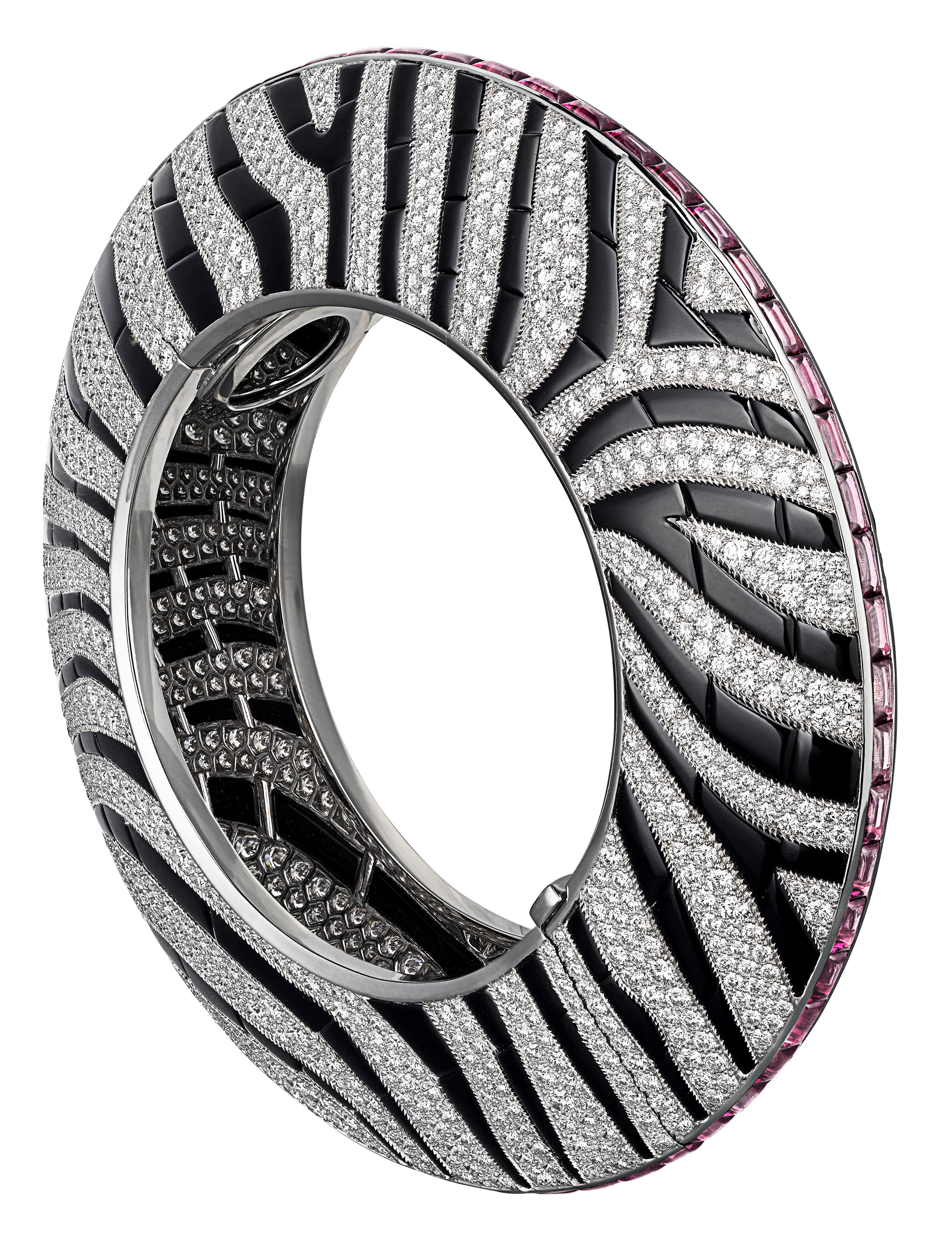
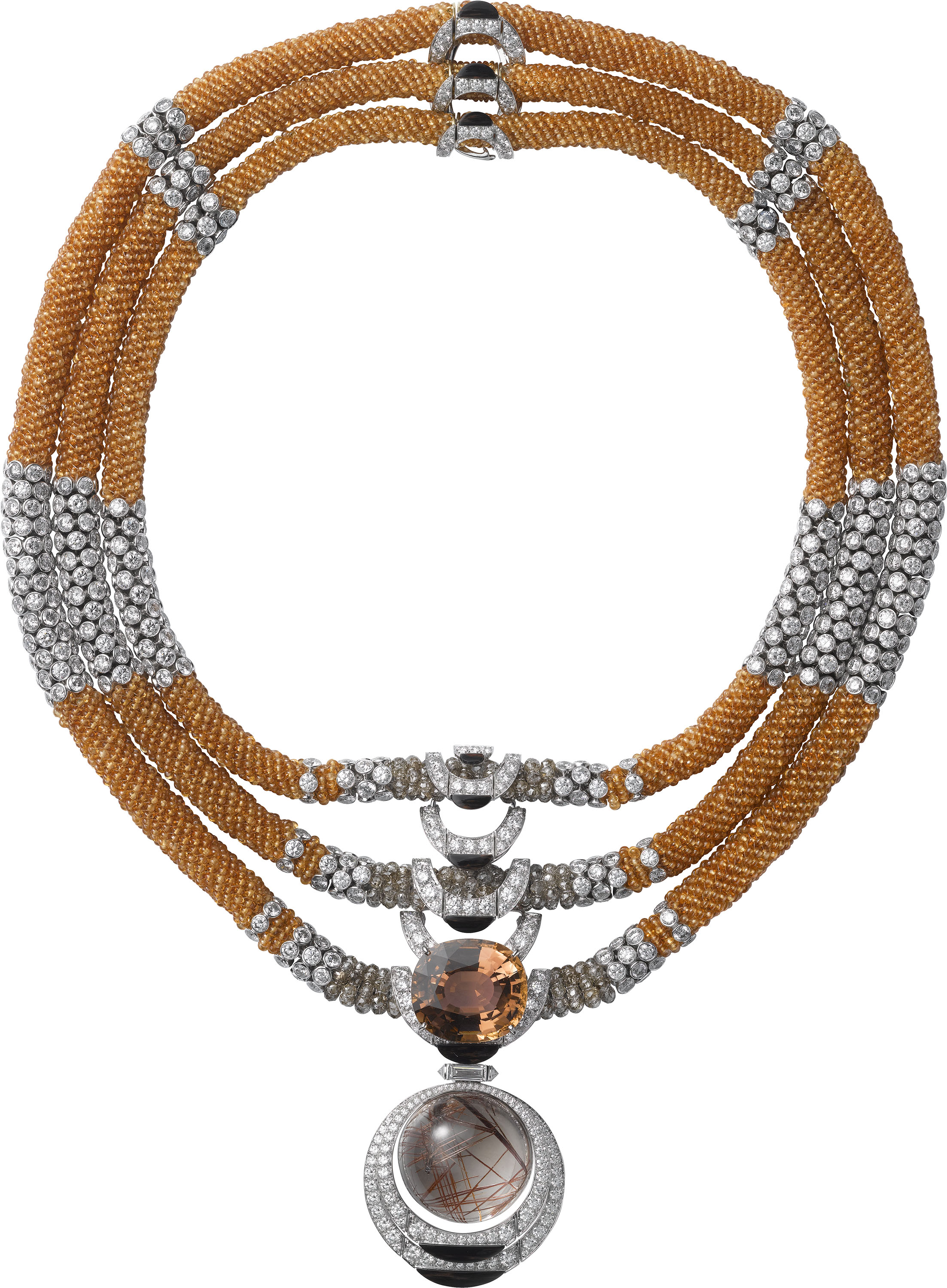
Today, Cartier explores the territories of Africa with a more stylized, and even abstract vision thanks to plays of design, rhythm and materials. The necklace, created in 2013 for the L’Odyssée de Cartier High Jewelry collection, is an excellent example of this new vein. Exhibiting a blazing palette of mandarin garnet beads and brown diamonds, its design recalls Maasai jewelry with several strands of beads. In the same collection, zebra skin is suggested by onyx dashes that vibrantly adorn a bracelet, its volume underscored by a line of garnets.
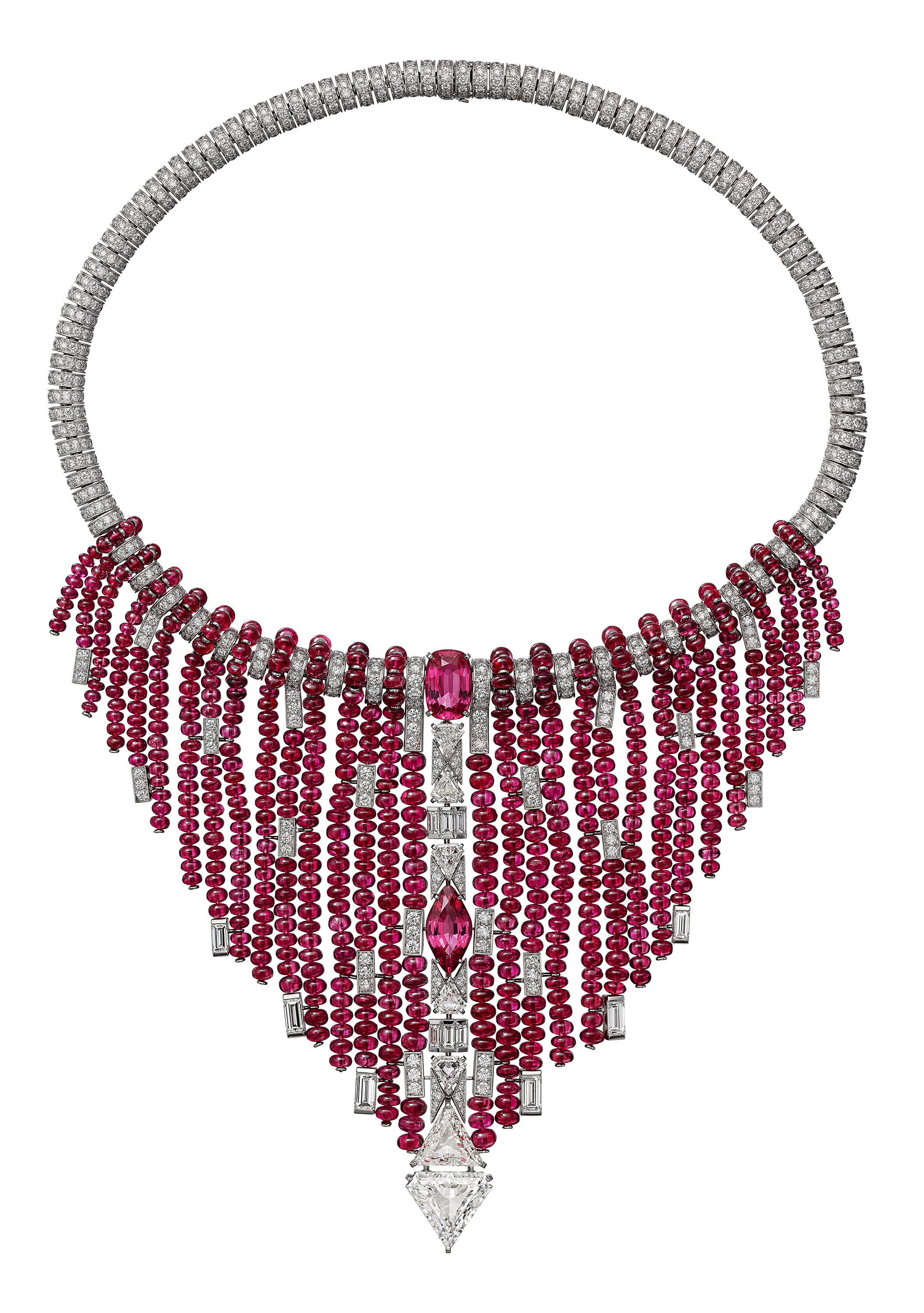
In 2018, Africa stimulated the creativity of the Maison with the Coloratura High Jewlery collection. Among the masterpieces, the Kanaga set paid tribute to the masks of the same name worn during ceremonial dances by the Dogon people, an ethnic group living in Mali. The geometry and elongated form of the masks inspired the central element of the necklace, which powerfully structures the design, while the spinel bead fringes recall the vegetable fiber loincloths worn during the celebration. While deliberately drawing on traditional pieces, the design aims for an abstract yet respectful interpretation of the repertoire of forms and motifs in African art.