
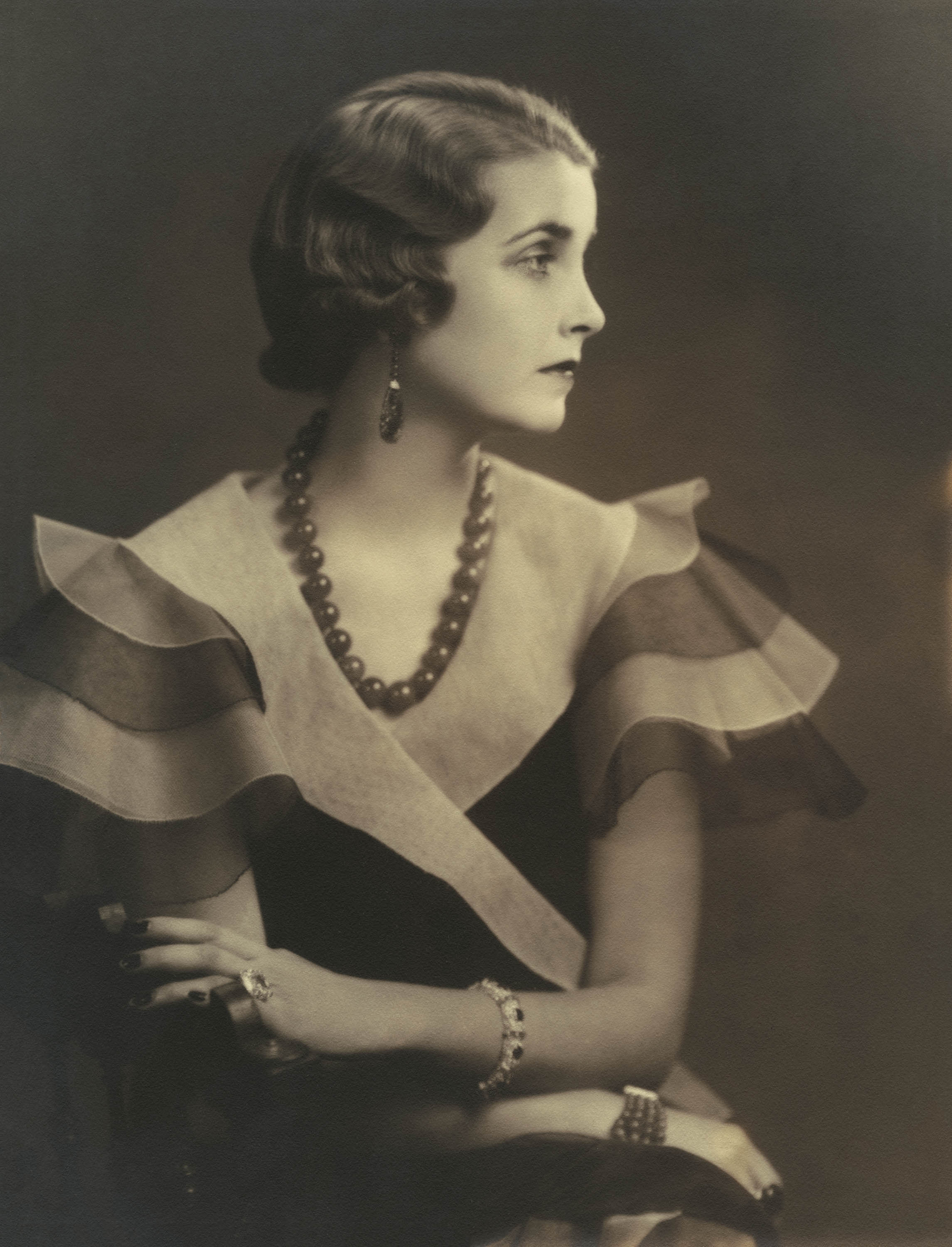
The life of Barbara Hutton (1912–1979), a famous heiress and leading figure of the Café Society, was orchestrated around fashionable events, her multiple marriages, and her purchase of amazing jewelry from Cartier.
Barbara Woolworth Hutton was born in New York in 1912. She was the granddaughter of Frank W. Woolworth, founder of the famous chain of American retail stores named after him. Upon reaching twenty-one, Barbara inherited his considerable fortune, becoming one of the richest heiresses of her day.
Three years earlier she had made her noted debut into New York’s high society under the sponsorship of her aunt, Marjorie Merriweather Post. Afternoon teas would be followed by dinner at the Central Park Casino and a ball at the Ritz-Carlton Hotel on Madison Avenue. Barbara had fun, heady with the social swirl and delighted by her early successes with men.
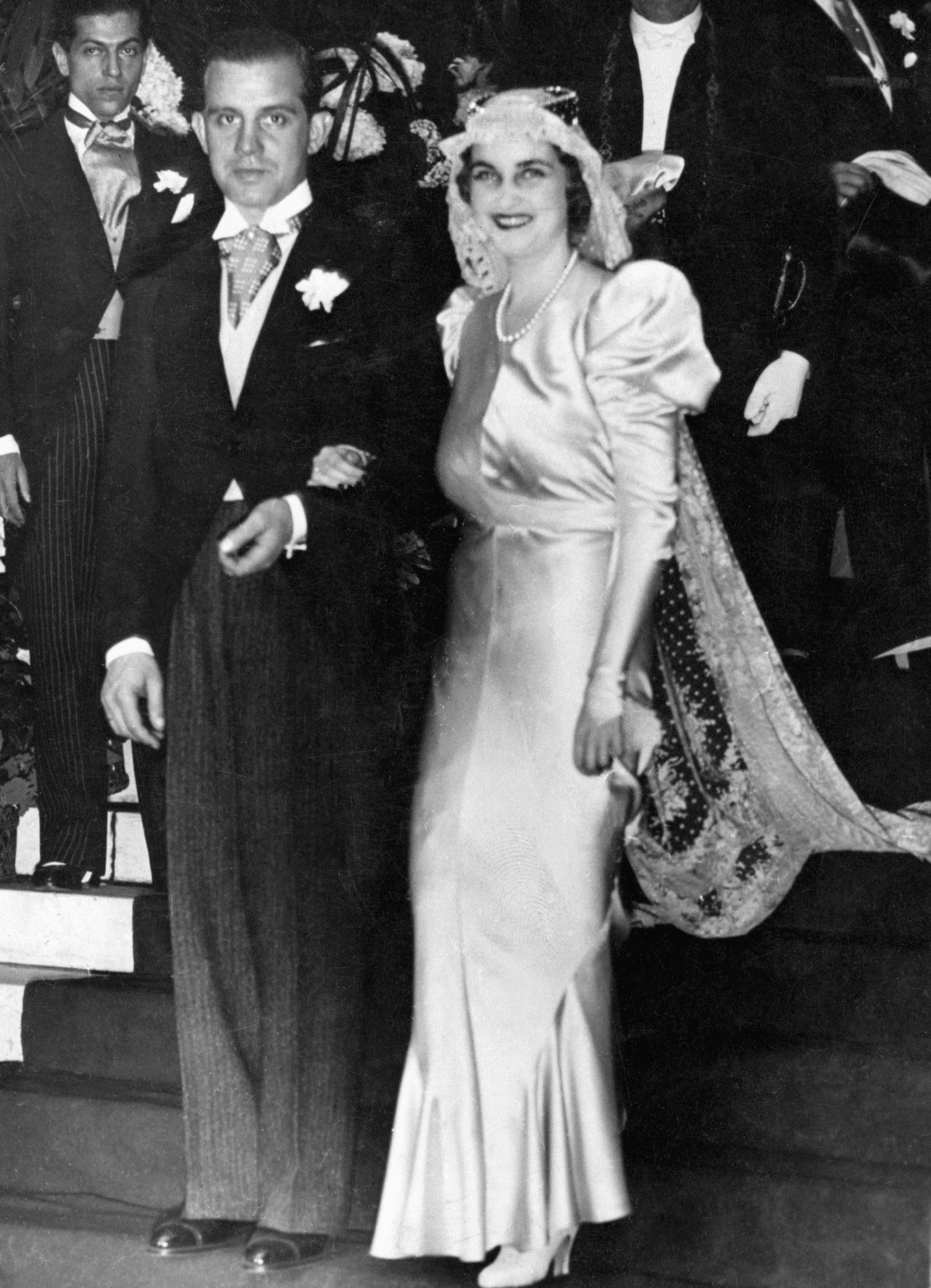
One of them won her heart: Alexis Mdivani, a Georgian prince. When he proposed to Hutton, the jewelry box he held out to her was labeled Cartier. Their wedding in Paris in June 1933 lasted six lavish days. Hundreds of guests were invited, including leading celebrities of the time, such as Daisy Fellowes and Ganna Walska. More magnificent still were the gifts given to the bride, henceforth a princess. Her father, Franklyn Hutton, gave her a splendid Cartier necklace composed of fifty-three natural pearls. The press, which reported all the details of this wedding of the century, described the necklace as “one of the rarest strings of pearls ever sold.”
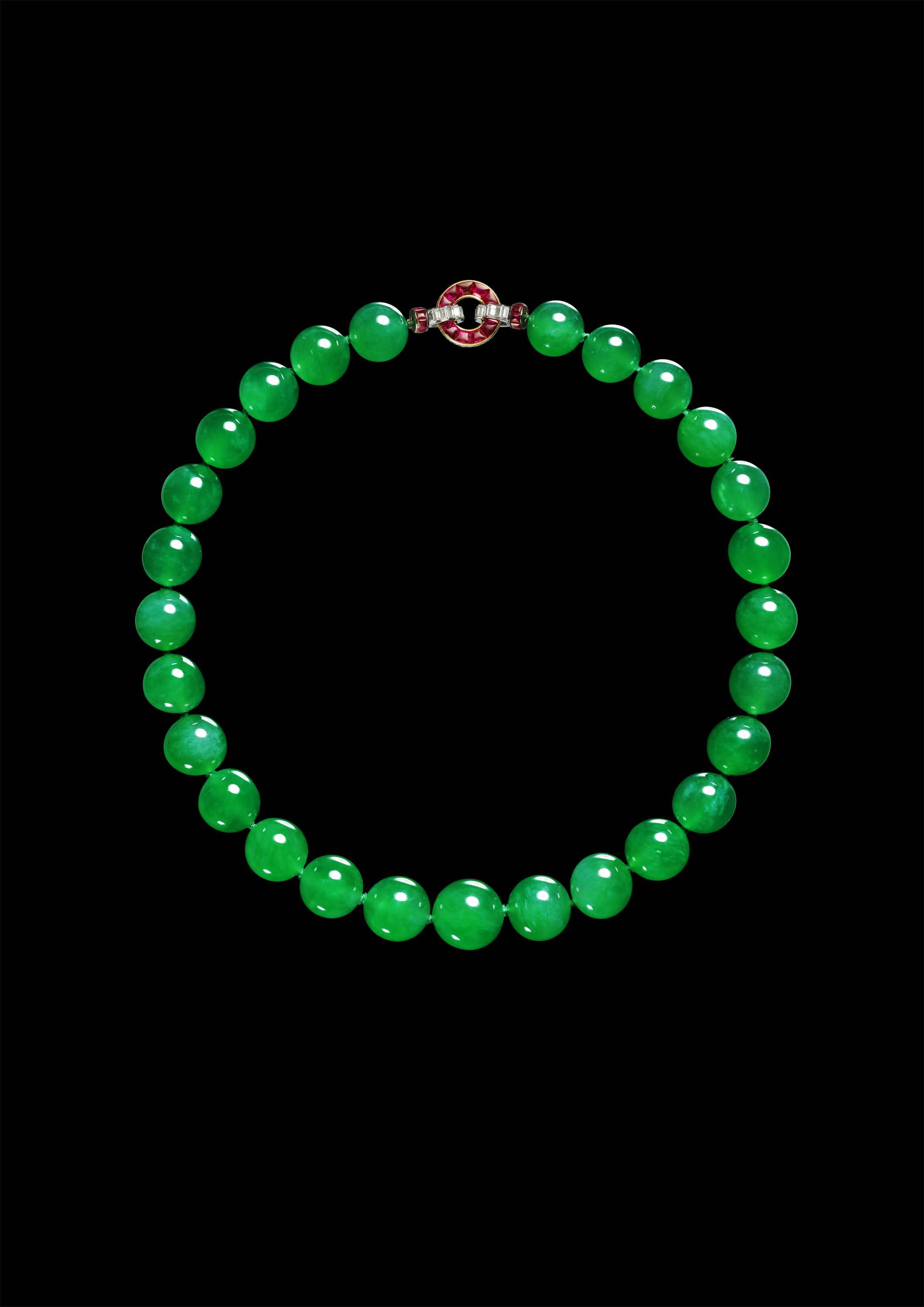
On this occasion the bride was also given a necklace of twenty-seven jadeite jade beads of unusual size and value, probably cut from the same rough stone during the eighteenth-century Qing dynasty. First Cartier added a clasp adorned with a marquise-cut diamond, and then in 1934 the jeweler created a new one, with a geometric design, set with rubies that made a bold contrast with the green jade. That same year, Hutton ordered a ring in the same style, to make up a set. In 2014 the Cartier Collection managed to buy the necklace, which has been regularly displayed in the world’s leading museums.
These gifts established what would become a lasting relationship between Hutton, one of the queens of the Café Society, and Cartier, the “king of jewelers.” The same constancy cannot be said of Hutton’s love affairs: in 1935 she divorced Prince Mdivani in order to marry Count Haugwitz-Reventlow the next day. Three years later, that marriage was over, too. The press recounted Hutton’s repeated mishaps, regularly headlining the marital misfortunes of the woman they called “the poor little rich girl,” notably after her 1945 separation from her third husband, the actor Cary Grant. Hutton married four more times, each ending in divorce.
She nevertheless enjoyed a lavish social life, traveling the world and living in her many homes, with a notable preference for her palace in Tangiers, whose oriental charm and quiet she appreciated.
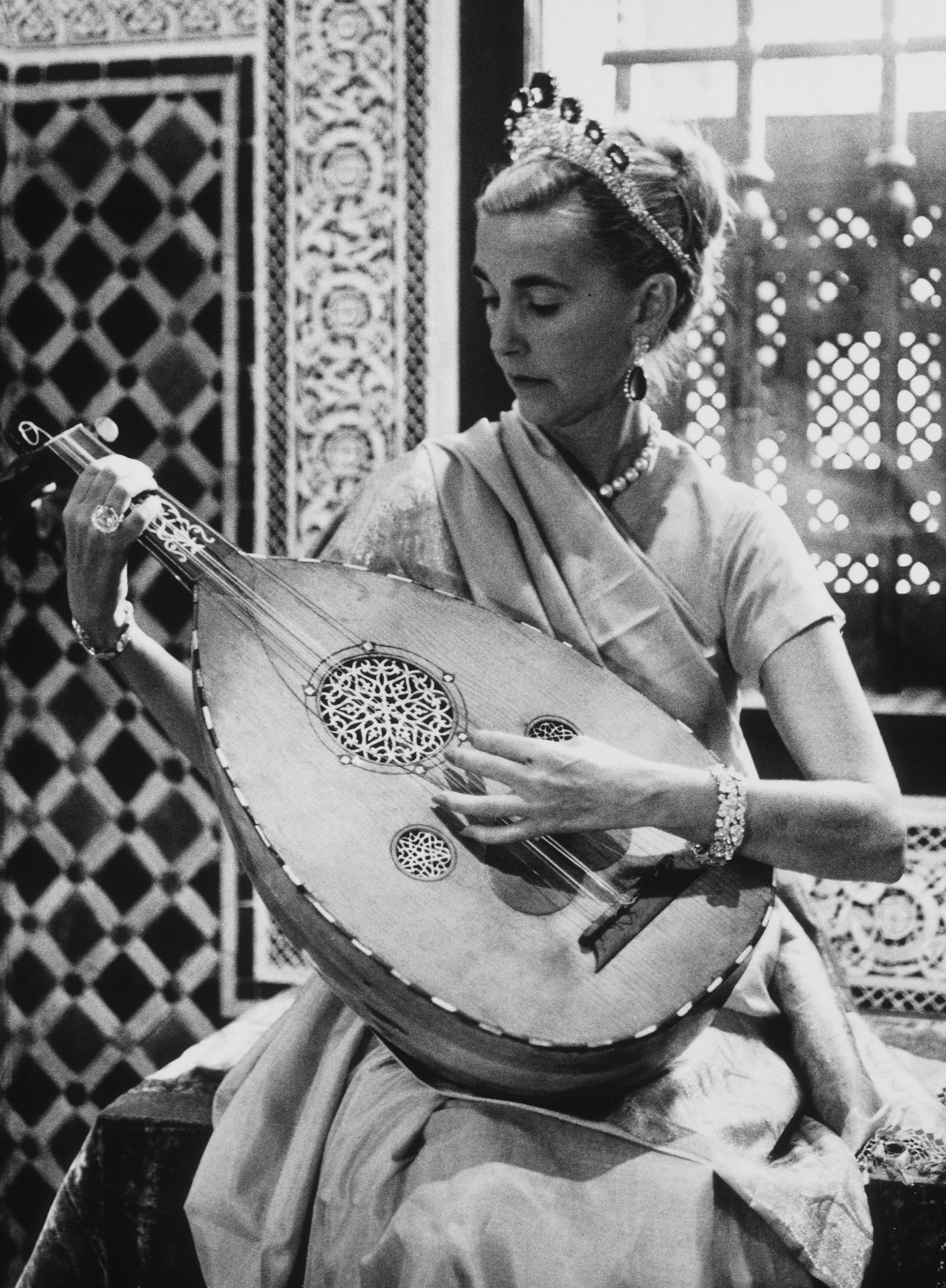
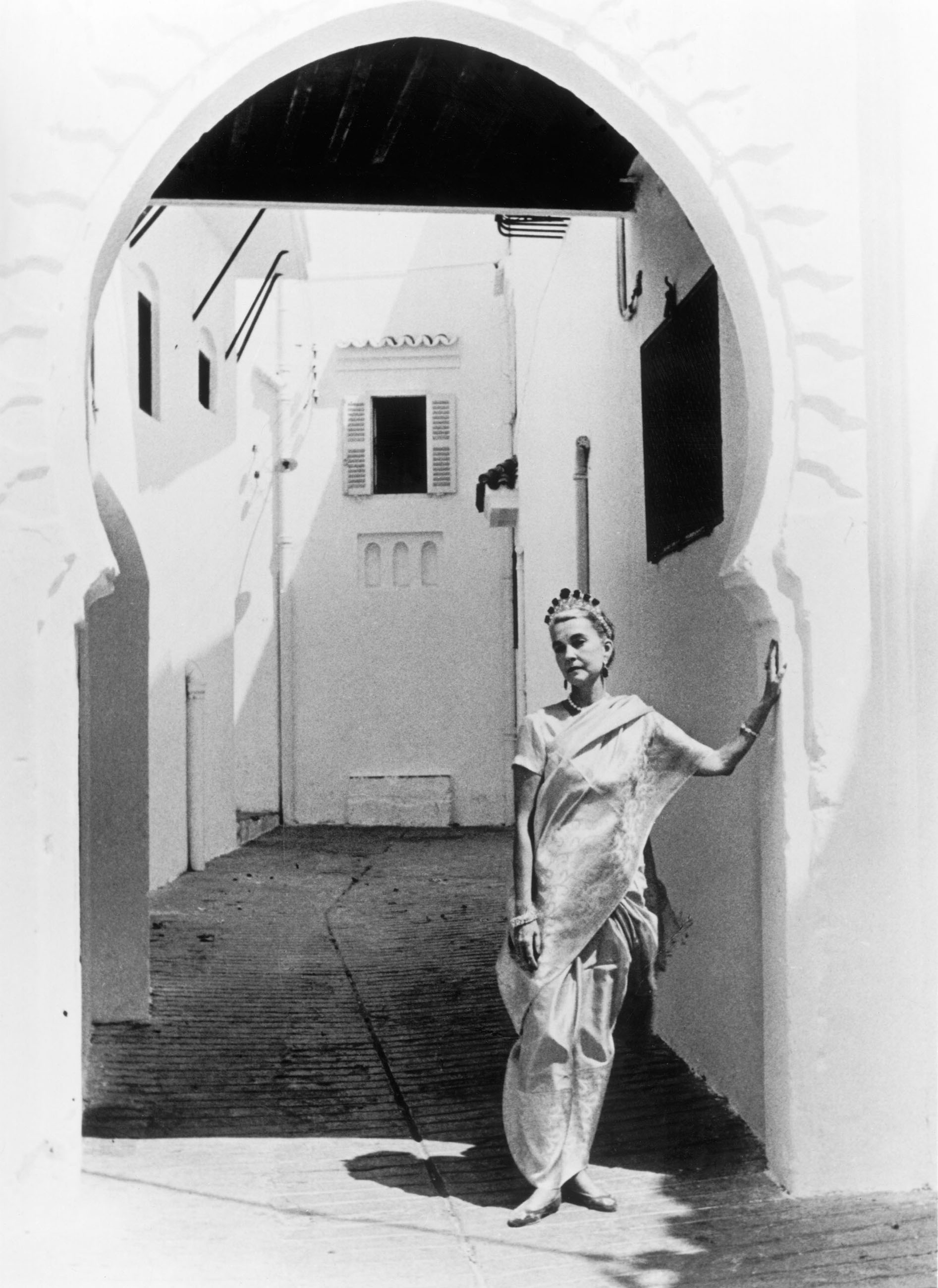
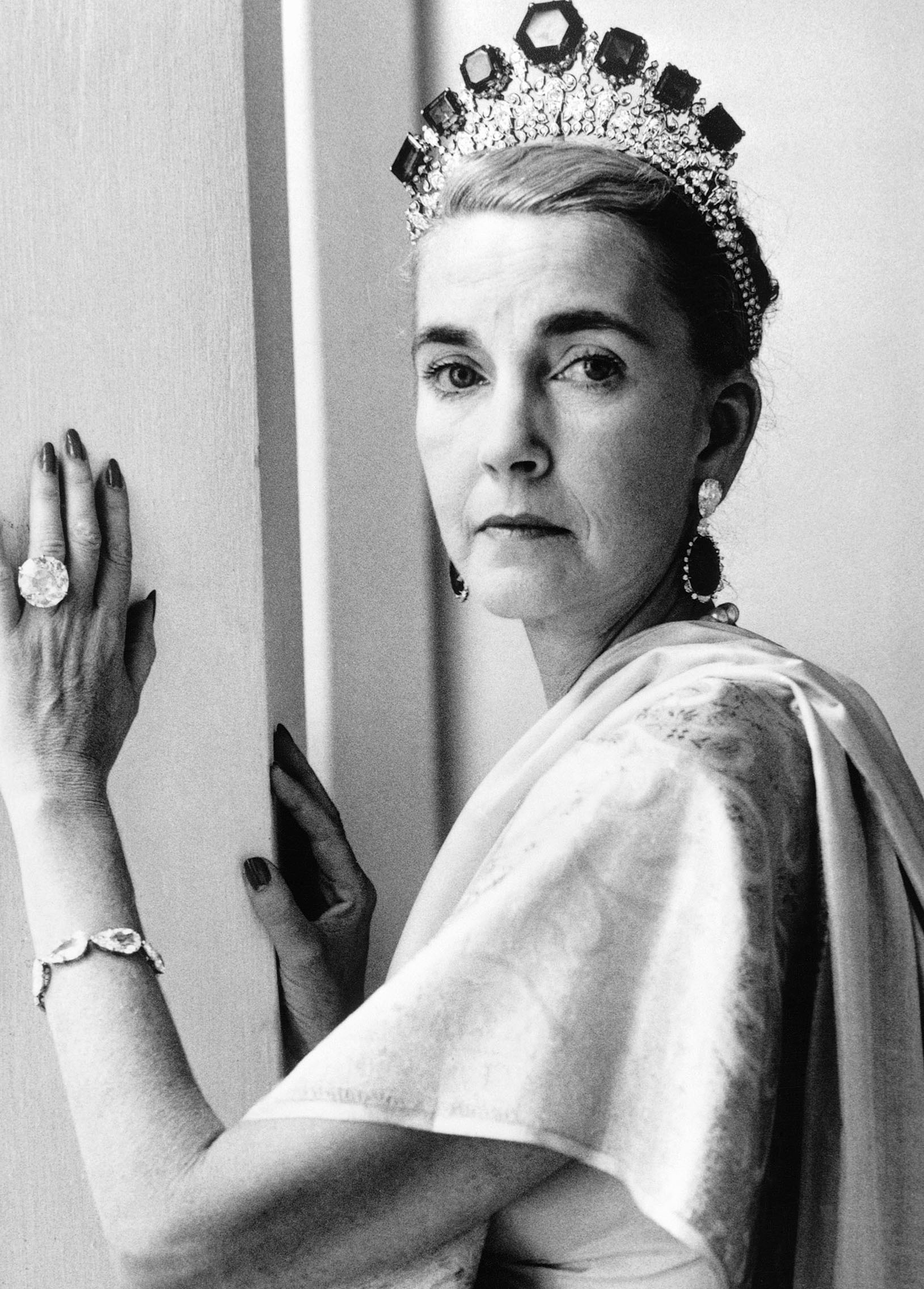
Hutton also collected jewelry, much of it purchased from her favorite jeweler. Among the most remarkable items were the Romanov emeralds that once belonged to Maria Pavlovna, who was the wife of Grand Duke Vladimir of Russia and a loyal Cartier client. The emeralds were first featured on a matching set of jewelry—necklace, ring and pendant earrings—made by Cartier London in 1936, then adorned a necklace that could be transformed into a tiara, made by Cartier Paris in 1947.
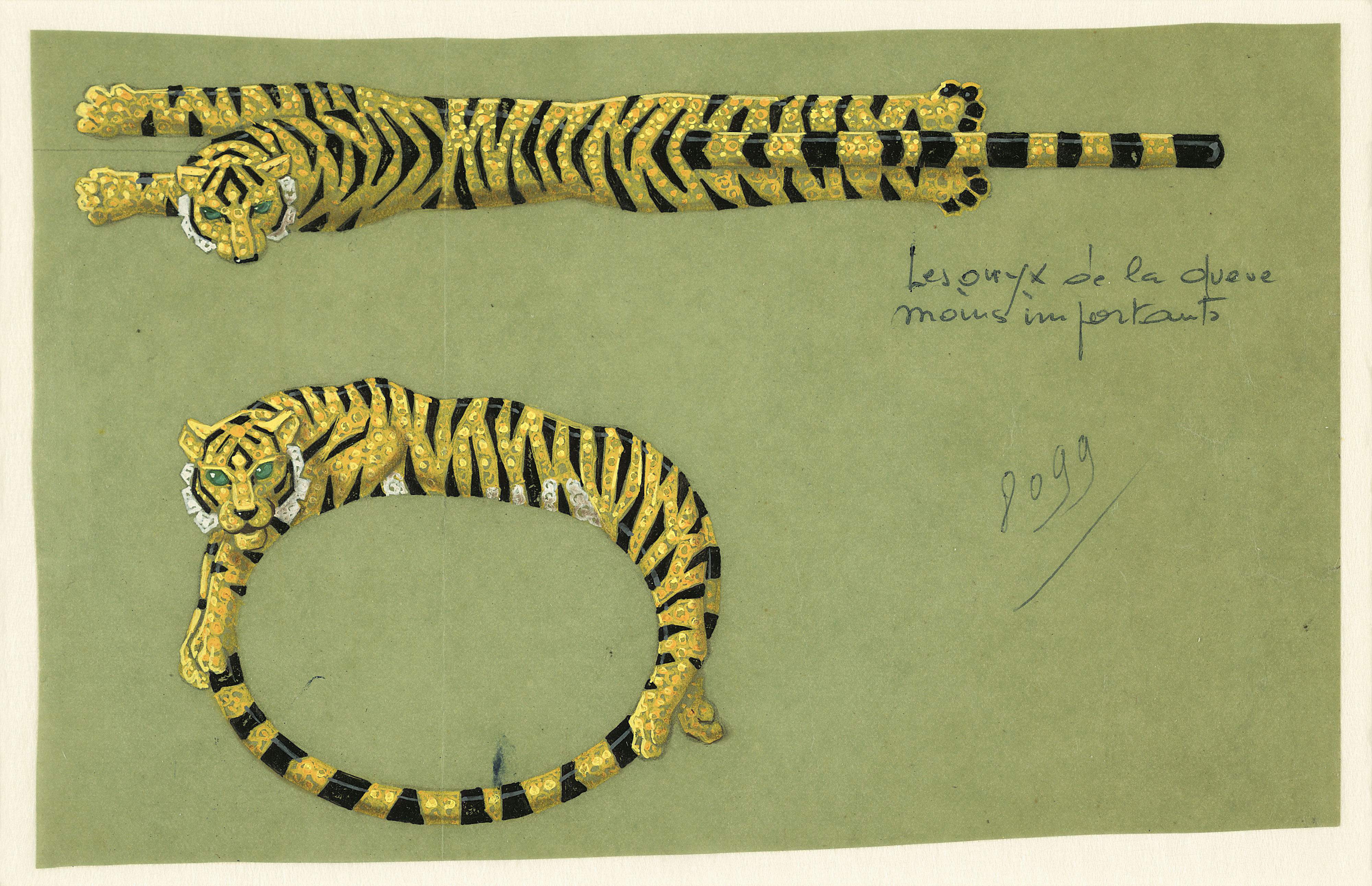
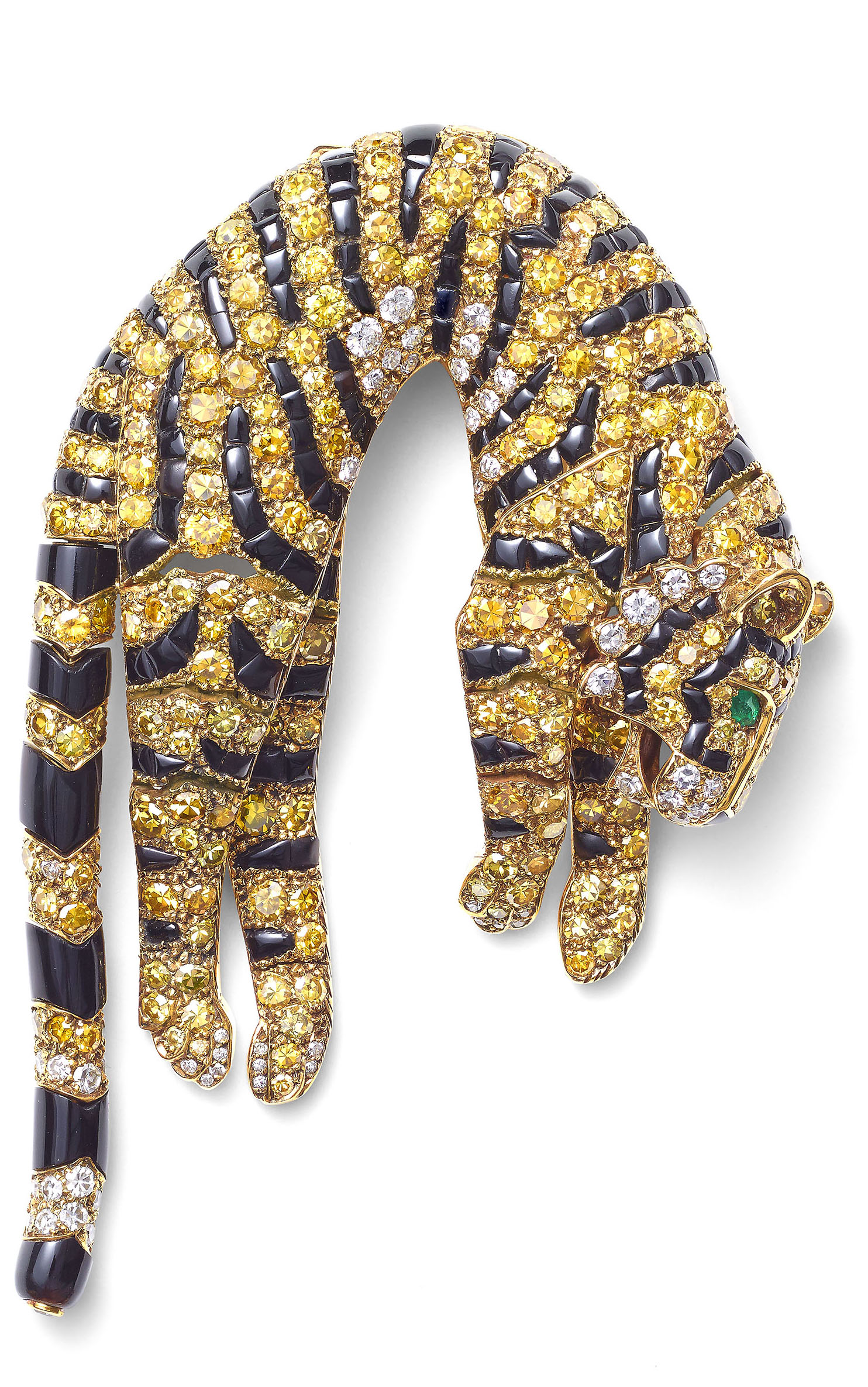
While Hutton was passionate about exclusive gemstones, in the late 1950s and the following decade she also developed a soft spot for Cartier’s animal designs. In contrast to the duchess of Windsor, who set her heart on the panther, Hutton preferred the magnetic sensuality of the tiger, as demonstrated by a clip brooch made by the Paris workshop in 1957 and a pair of pendant earrings ordered in 1961, now in the Cartier Collection.
Hutton’s collection of jewelry contributed to her fame. Lauded in many lands and many periods for her impeccable taste and sophistication, she still remains a model of elegance today.