
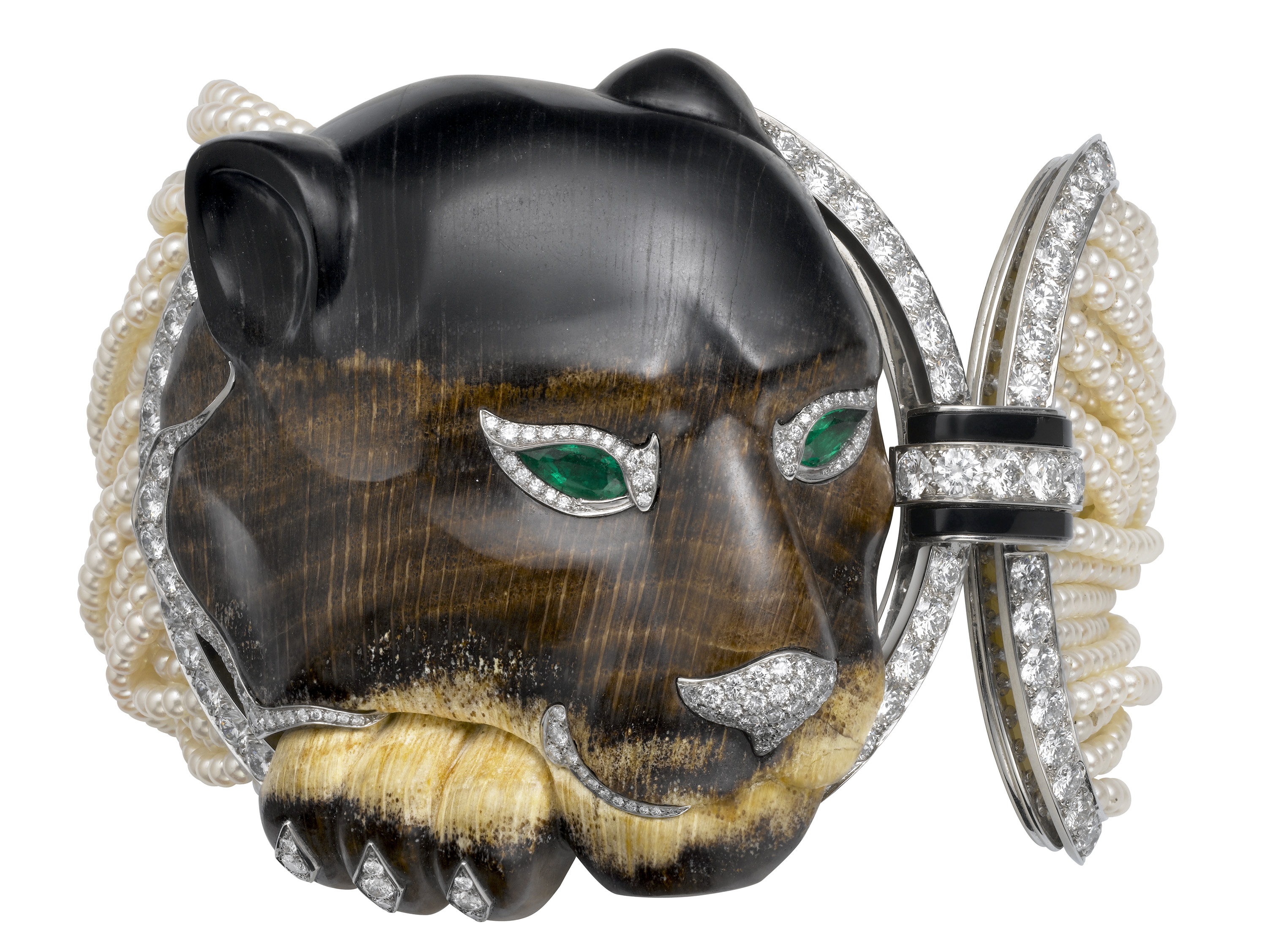
Glyptics, the art of carving directly into gems and semiprecious stones, is a tradition being perpetuated by Cartier’s workshops.
Among the many ancient skills practiced and promoted by Cartier, glyptics is a rare, unique craft, passed on with passion and patience. The Maison acquired an in-house glyptic workshop in 2010.
Derived from the Greek word gluptikos, glyptics originally meant carving gemstones, either hollowed out (intaglio) or in relief (cameo). The ancient Egyptians carved countless carnelians, amethysts, turquoises, hematites and lapis lazulis as part of their belief system. As early as the fifth millennium bce ancient civilizations in Mesopotamia were carving the first seals on softer stones; stylized patterns and subjects such as crescent moons, schematic animals, etc., could be carved easily with stone tools. Later, cylinder seals depicting mythological scenes were carved into quartz, a harder stone.
Originally used to decorate useful items, glyptics was only employed for purely artistic purposes at a much later date, at which point carved stones became veritable works of art.
Today many gems and semiprecious stones are placed in the expert hands in order to be carved and sculpted. Through abrasion, stones such as amethyst, sugilite, chrysoprase, quartz, jade, aquamarine, rubellite, and morganite are transformed into precious little boxes, rings and pendants with representational designs.
Even more original is petrified wood—over seventy million years old—and other fossilized materials that are now earning their place alongside stones traditionally used in jewelry.
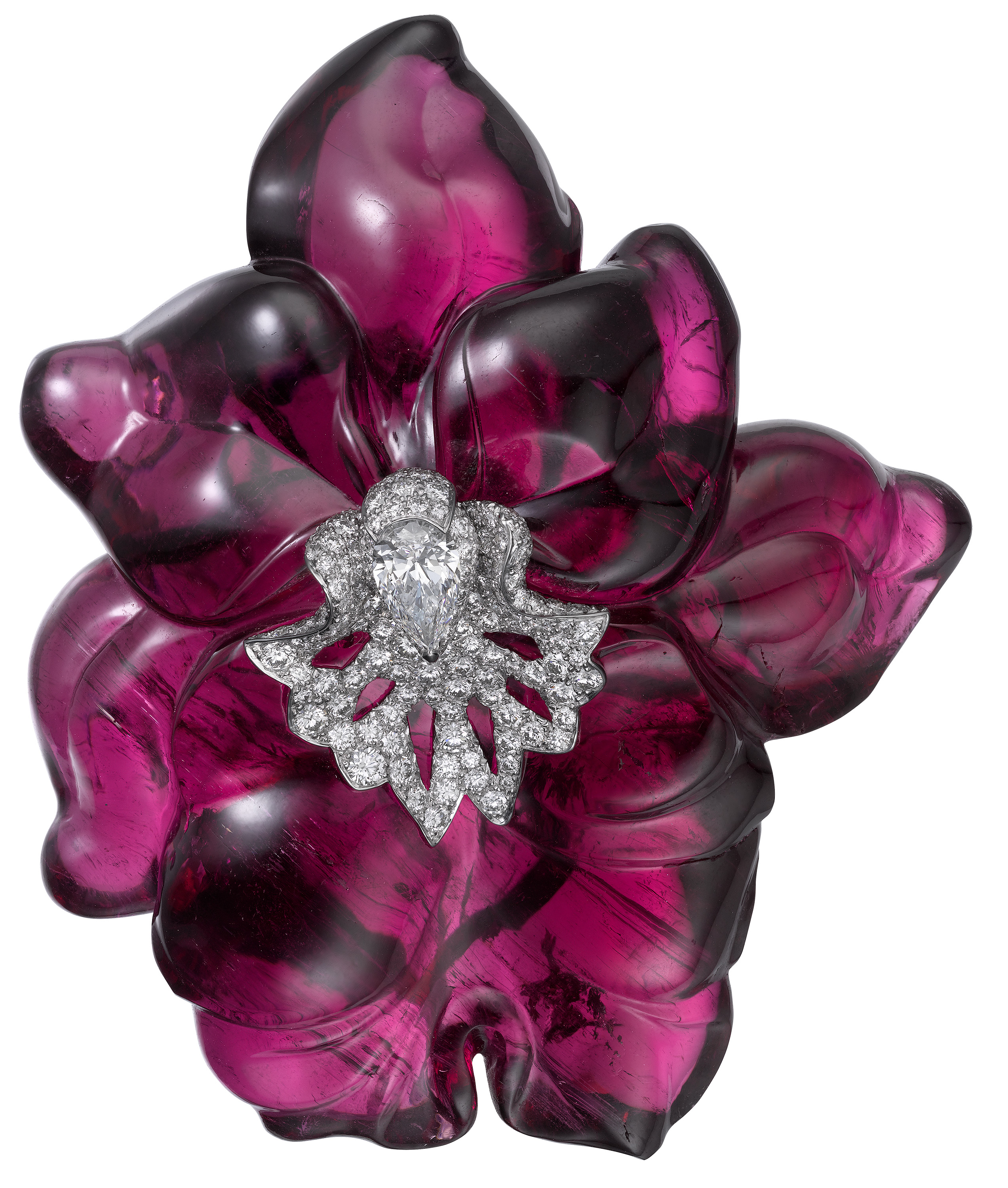
Whether carving gems and semiprecious stones or fossilized materials, the glyptician exploits the uniqueness of every piece: fissures, veins, and inclusions are no longer insuperable problems, but rather irregularities to be refined and rendered sublime.