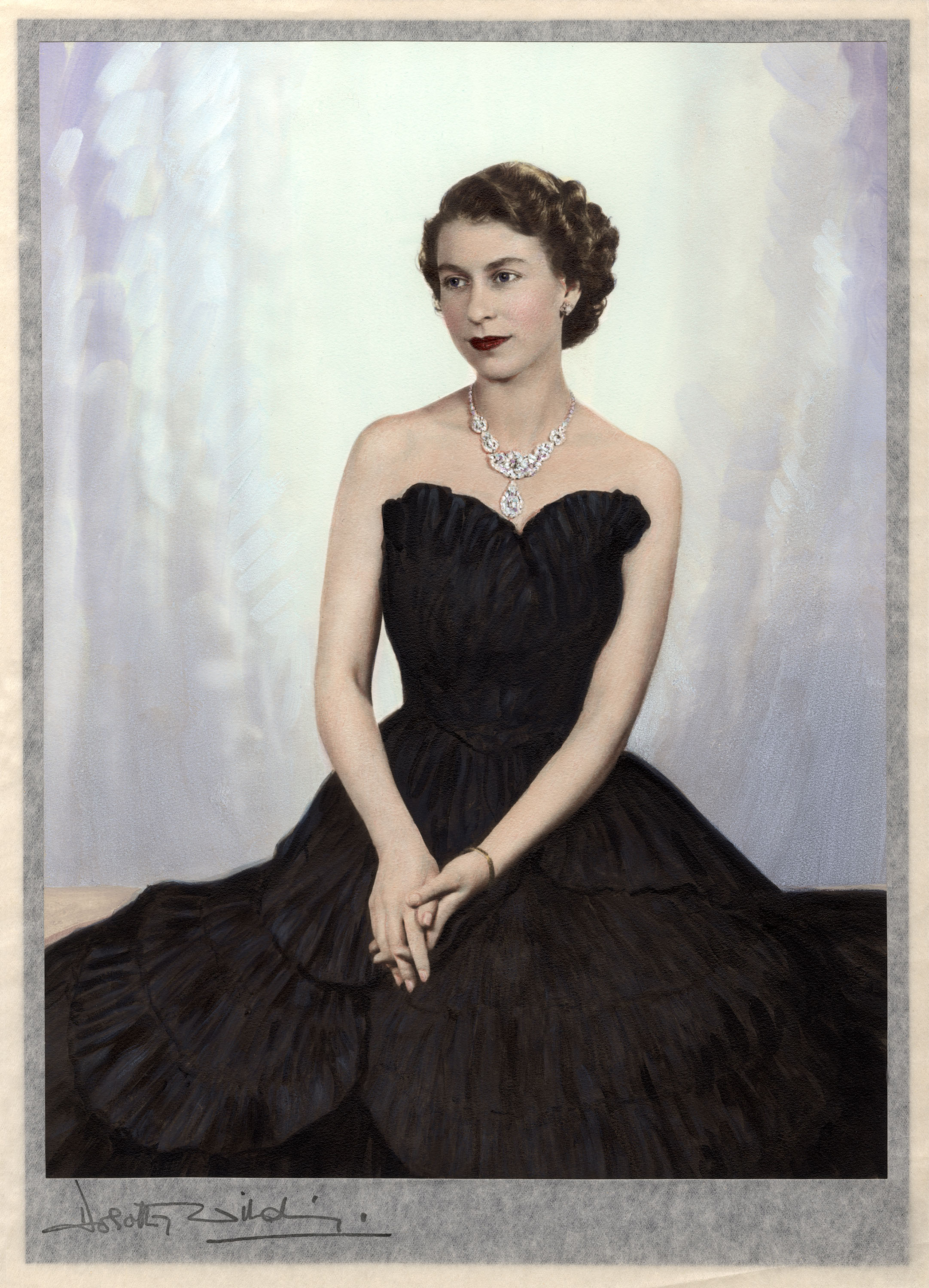
Elizabeth II (1926-2022) reigned for more than 70 years over the United Kingdom and the Commonwealth of Nations. Her coronation in 1953 was the first to be broadcast on television. The 27-year-old Elizabeth was thus watched by millions of viewers as she was crowned queen, becoming one of the best-known royal figures in Europe. Every time she makes an appearance, her image, clothing and of course her jewelry—including her famous brooches—are still admired.
Cartier and the British crown: a long story
Cartier’s relationship to the British royal family goes back a long way. As early as 1902 the Maison decided to open a London branch, at 4 New Burlington Street, in order to serve its large British clientele as swiftly and conveniently as possible. Just two years later, Cartier became an official supplier to King Edward VII (1841–1910), who granted the jeweler a royal warrant, the first of a long series that would cement Cartier’s special relationship with the United Kingdom.
Princess Elizabeth
Eldest child of Prince Albert, Duke of York (1895–1952) and Elizabeth Bowes-Lyon (1900–2002), little Elizabeth was the granddaughter of the reigning king, Georges V (1965–1936). She was third in the line of succession, behind her uncle Edward, Prince of Wales (1894–1972) and her father, the Duke of York. She and her sister Margaret (1930–2002) were taught by her mother and a governess. Although the young girl was already noted for her discipline and sense of responsibility, at that time it seemed unlikely that she would ever accede to the British throne.
But history took an unexpected turn. After the death of King George in 1936, his eldest son succeeded to the throne as Edward VIII. Edward’s reign, which lasted just 326 days, was the shortest in the history of the British monarchy. Given a raging conflict with the country’s political and religious leadership over his intention to marry a twice-divorced American woman, Wallis Simpson, the king abdicated.
Elizabeth’s father thus became King George VI in December 1936, and she henceforth bore the title of Her Royal Highness, Princess Elizabeth. One month before acceding to the throne, the future king had bought from Cartier London the Halo tiara, acquired that very year for his wife, who in turn would give it to Elizabeth on her eighteenth birthday. Elizabeth did not often wear the tiara, but lent it several times to her sister, Princess Margaret, and to her own daughter Anne (1950–). The Halo tiara returned to the spotlight in 2011 during the marriage of Prince William (1982–) to Catherine Middleton (1982–), having been chosen from the royal collection of jewelry to mark the bride’s inclusion into a family tradition. Like the tiara, the Cartier jewelry worn by Elizabeth II symbolizes a long mutual relationship.
Jewelry for major royal events
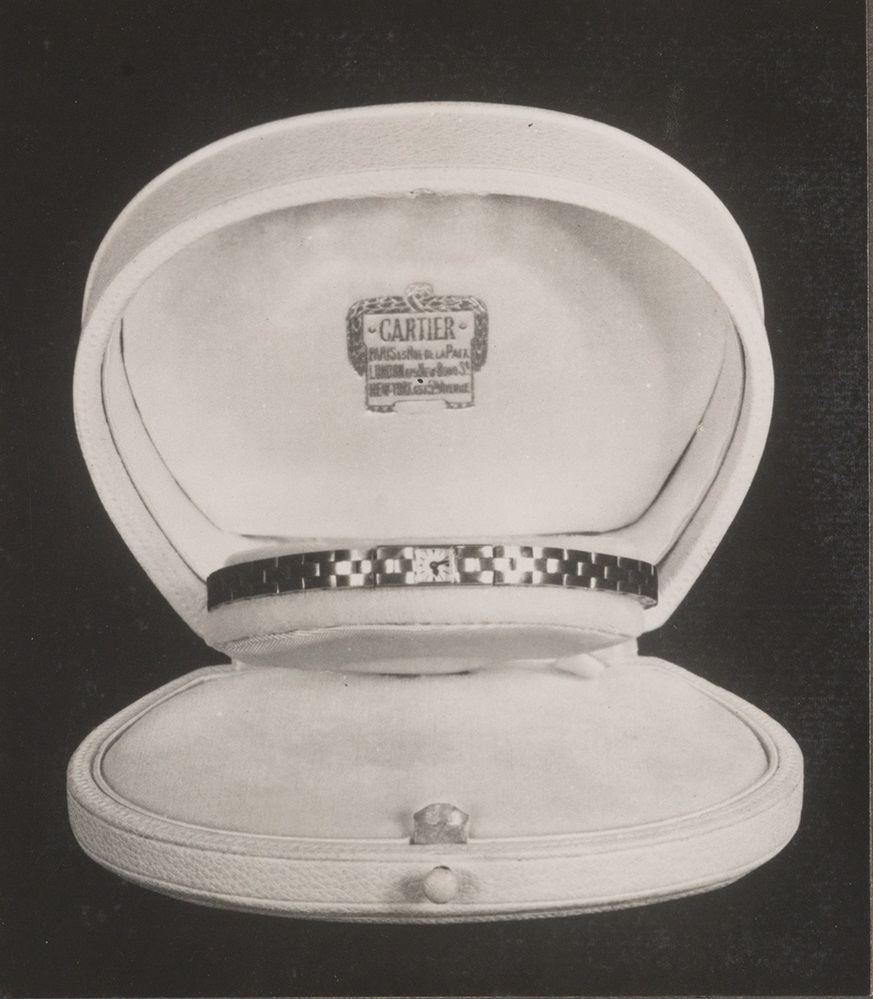
In 1938, when the future queen was only twelve years old, the president of the French Republic gave her “the world’s smallest watch on a platinum bracelet, made by Cartier,” during an official visit to France. The watch would become a constant companion, seen on her wrist not only during her wedding, but also at her coronation. Unfortunately, the queen lost the watch in 1955. Despite extensive searches, it was never found. Two years later the French government gave her a similar baguette-diamond watch.
In 1943, anticipating Elizabeth’s eighteenth birthday, King George VI also turned to Cartier for a gift to delight his daughter. He gave her a geometrically patterned bracelet adorned with diamonds and sapphires.
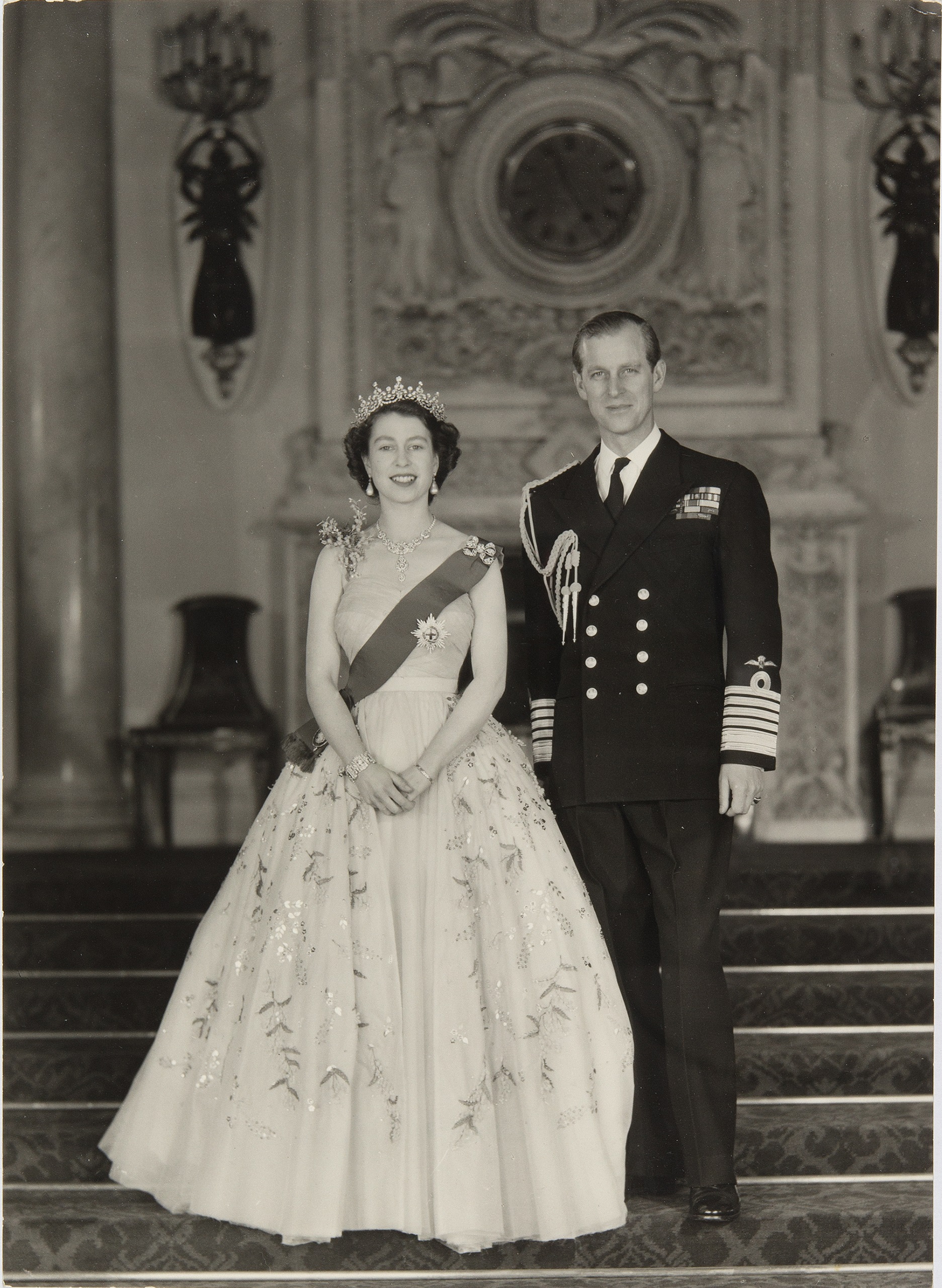
Elizabeth’s first visit abroad occurred in 1947 when she accompanied her parents to southern Africa. She celebrated her twenty-first birthday during that tour. Her engagement to Prince Philip of Greece was announced that same year, and the couple was married on November 20, 1947 at Westminster Abbey in front of 2,000 guests. The bride received countless gifts from all over the world, including magnificent jewelry. The Nizam of Hyderabad, the wealthy ruler of the Indian state of that name, gave her a Cartier necklace and tiara. According to legend, he allowed Princess Elizabeth to choose her own present from the New Bond Street branch in London. She chose a matching set whose design was inspired by English roses. The tiara, made by Cartier London in 1939, was composed of three detachable flower brooches. It has now been completely disassembled, but the queen continues to wear the flower brooches. The necklace, made in 1935, has enjoyed a longer life: it can be seen on many official photos of the queen during the early years of her reign, yet also made a splash when, generously loaned by the queen, it was worn at a charity event in February 2014 by Catherine Middleton, Princess of Wales (Prince William’s wife).
When Elizabeth married, the King and Queen also gave their daughter gifts of jewelry, notably a pair of diamond pendant earrings that had been given to the Queen by Margaret Greville in 1942. The chandelier-shaped earrings, made by Cartier London in 1929, had pendants composed of sixteen diamonds of various cuts: pear-, half-moon- and square-shaped, baguette- and emerald-cut.
Elizabeth II
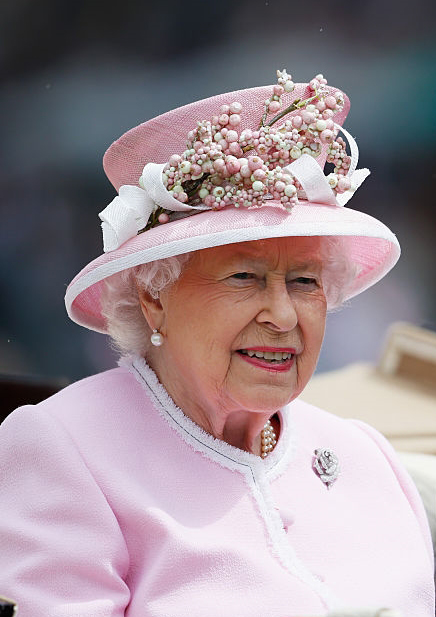
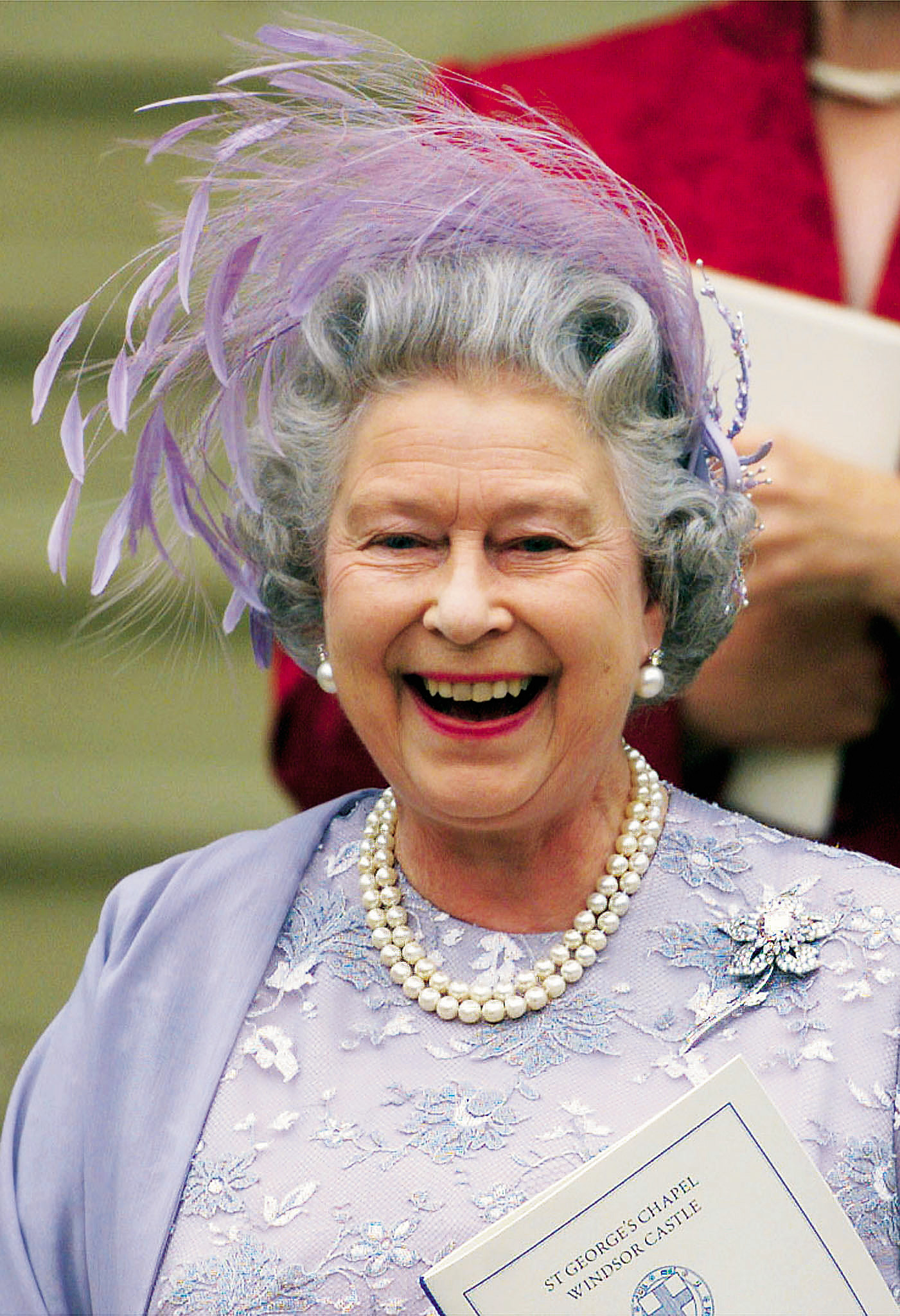

By 1951, Elizabeth was being seen increasingly alongside her father, whose health was declining. She was on a trip to Kenya when she learned of his death in February 1952. Elizabeth and Philip, Duke of Edinburgh, swiftly returned to Great Britain and moved into Buckingham Palace, prior to the coronation. Despite the death of Elizabeth’s grandmother, Mary of Teck (1867–1953), in March, the coronation went ahead on June 2, 1953. It was the first time a coronation was televised, marking the new queen’s entrance not just into history but into everyone’s home. For the first time since Queen Victoria mounted the throne in 1837, the United Kingdom had a young monarch.
Elizabeth II’s collection of jewelry is vast, including not only items inherited from queen consorts since 1901 and her own jewelry, but also the British crown jewels.
The royal jewelry collection is constantly growing thanks to major events and gifts. The Queen also inherited her grandmother’s historic jewels in 1953 when Mary of Teck died, just as she inherited those of her mother, Elizabeth the Queen Mother, when the latter died in 2002. They notably included items from the Greville collection. Mrs Ronald Greville (1863–1942) was an important Cartier client who in 1942 gave her jewelry to the then queen, Elizabeth, notably including a magnificent diamond necklace (made in 1929), a pair of pendant earrings (1938) featuring two pear-shaped diamonds weighing 20.66 and 20.26 carats, and two ivy-leaf brooches (1930s).
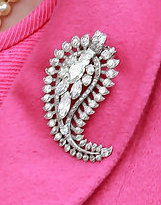
In addition to the Greville collection, Elizabeth II’s jewelry includes two specially designed pieces made by Cartier from stones supplied by the queen herself and stored in the safe on New Bond Street: a Palm brooch in the form of a sarpech (an Indian turban ornament), made in 1938, and a fully articulated lily brooch from 1939.
On the Queen’s diamond jubilee in 2012, Cartier presented Elizabeth II with a flower brooch. Its symbolism underscores the Maison’s ties to the queen: it features a Tudor rose (the emblem of England), amethysts and rubies (alluding to the queen’s racing colors of purple and scarlet), and also a flower basket (a nod by the designers to the many Cartier flower brooches worn by Queen Elizabeth).
A queen and her flowers
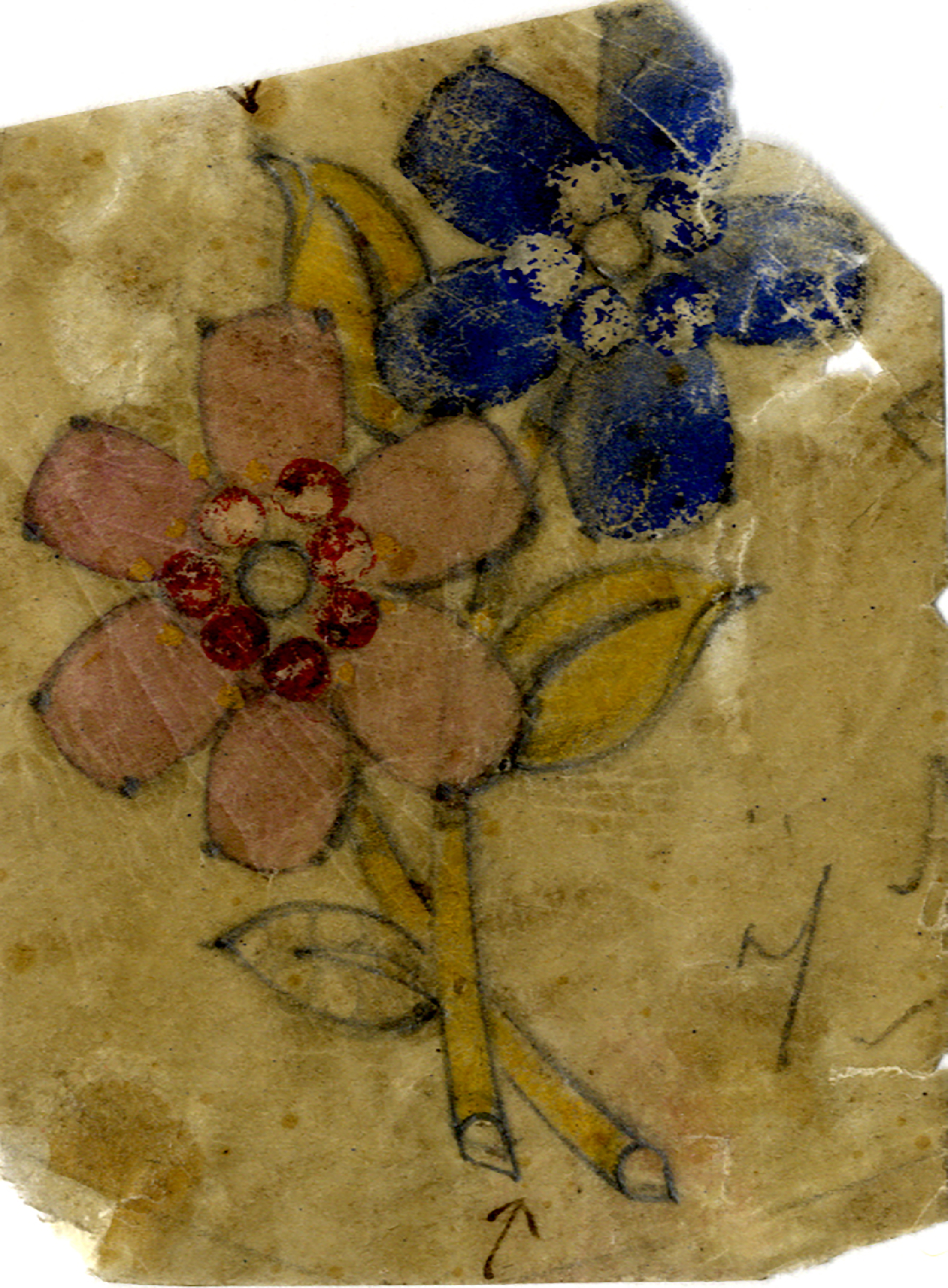
It is impossible to discuss Queen Elizabeth’s jewelry without mentioning her flower brooches. When she was a young princess her parents gave her several Cartier brooches. In 1940 her mother gave her an Indian-style, leaf-shaped brooch with sapphire cabochons, emeralds, amethysts, baguette-cut diamonds and a ruby. The Queen had been given that brooch by her husband in 1929. Princess Elizabeth received a gold flower brooch with sapphires and brilliants in 1942, and again in 1944. Still in 1945, knowing her love of nature and flowers, the King and Queen gave her a magnificent brooch featuring two flowers on a stem—one was set entirely with sapphires, the other with pink sapphires and rubies. This brooch can be seen on Elizabeth’s breast in a 1949 photograph, the first to show the princess and the Duke of Edinburgh with their first-born son, Prince Charles.
The Williamson
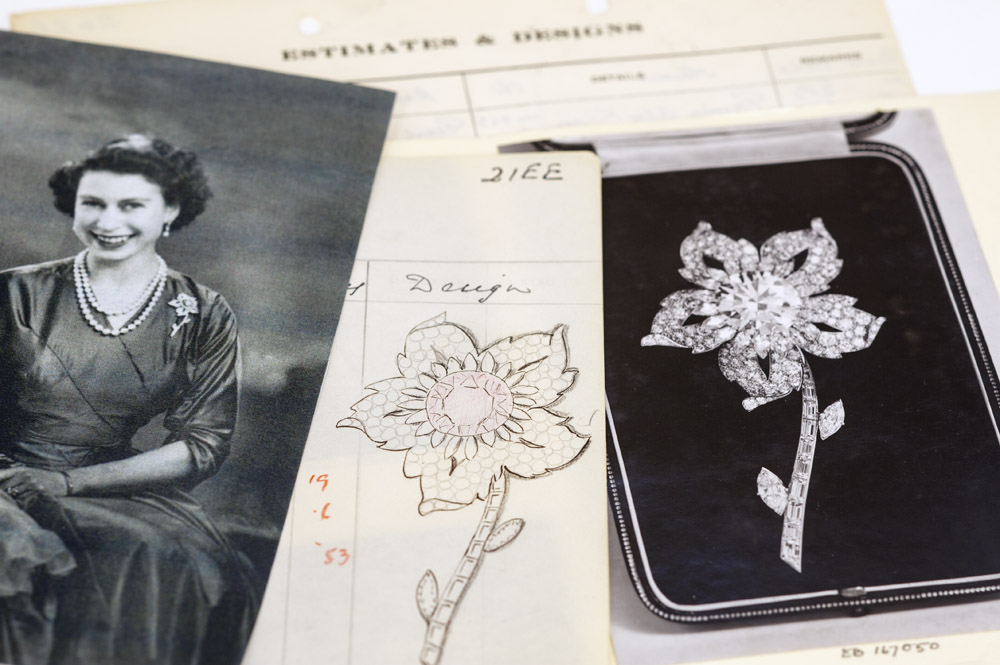
The Williamson brooch is a simultaneous tribute to Elizabeth’s love of flowers, Cartier’s exceptional skills and a magnificent diamond. That pink diamond, discovered in October 1947 in a mine owned by a Canadian geologist named John Williamson, was recut and given to Princess Elizabeth as a wedding present in November of that same year. It was only later, in 1953—the year of her coronation—that the new Queen asked Cartier to design a flower brooch around the diamond. The magnificent pink stone, weighing 23.60 carats, was thus set in the hollow of a delicate flower of marquise-, brilliant- and baguette-cut diamonds. Highly appreciated by the queen, this brooch was exceptionally loaned for the 2014 exhibition titled Cartier: Style and History, held in the Grand Palais in Paris. Along with the Halo tiara, the brooch was one of the two remarkable items illustrating Cartier’s designs for the British royal family.