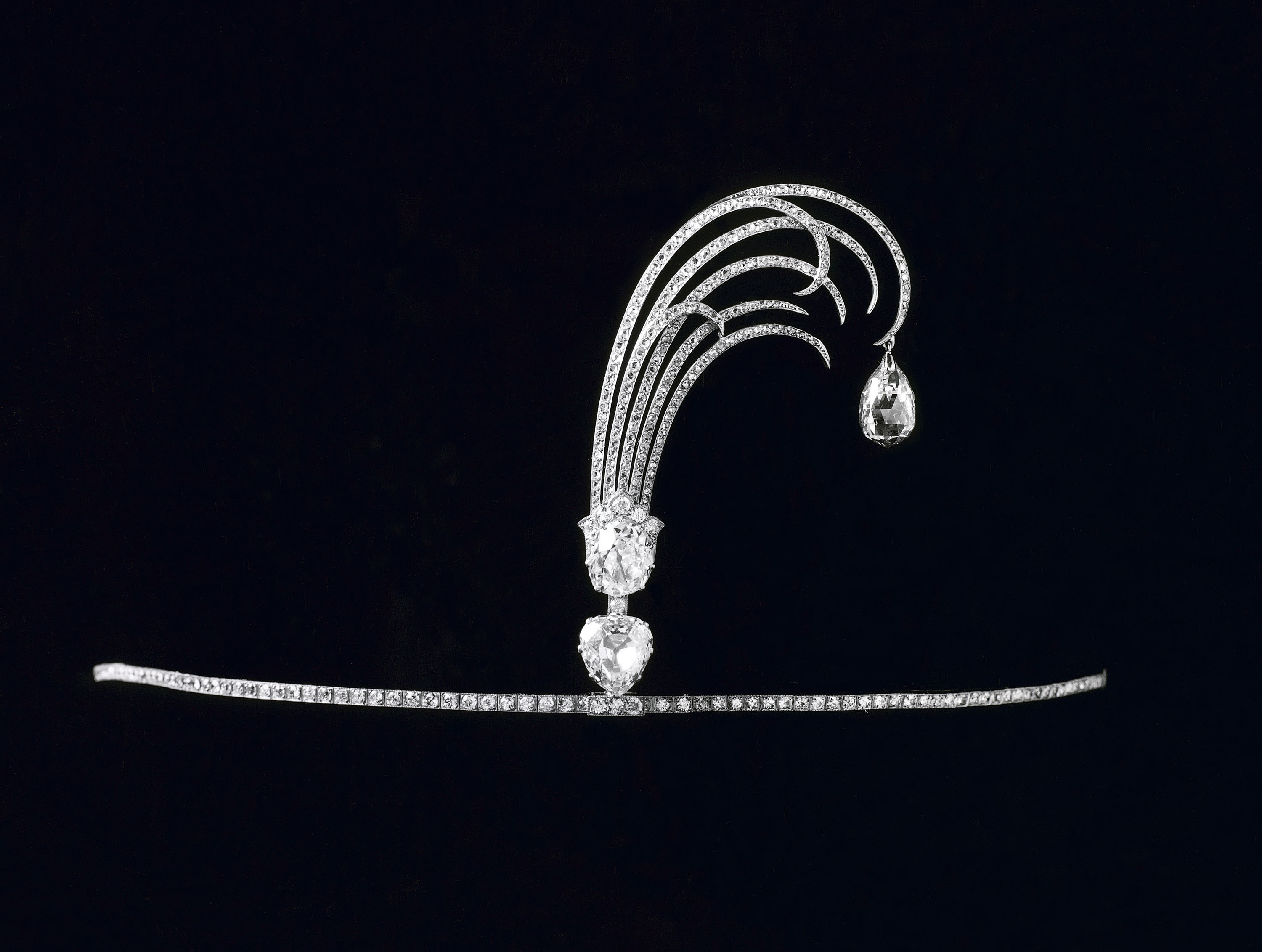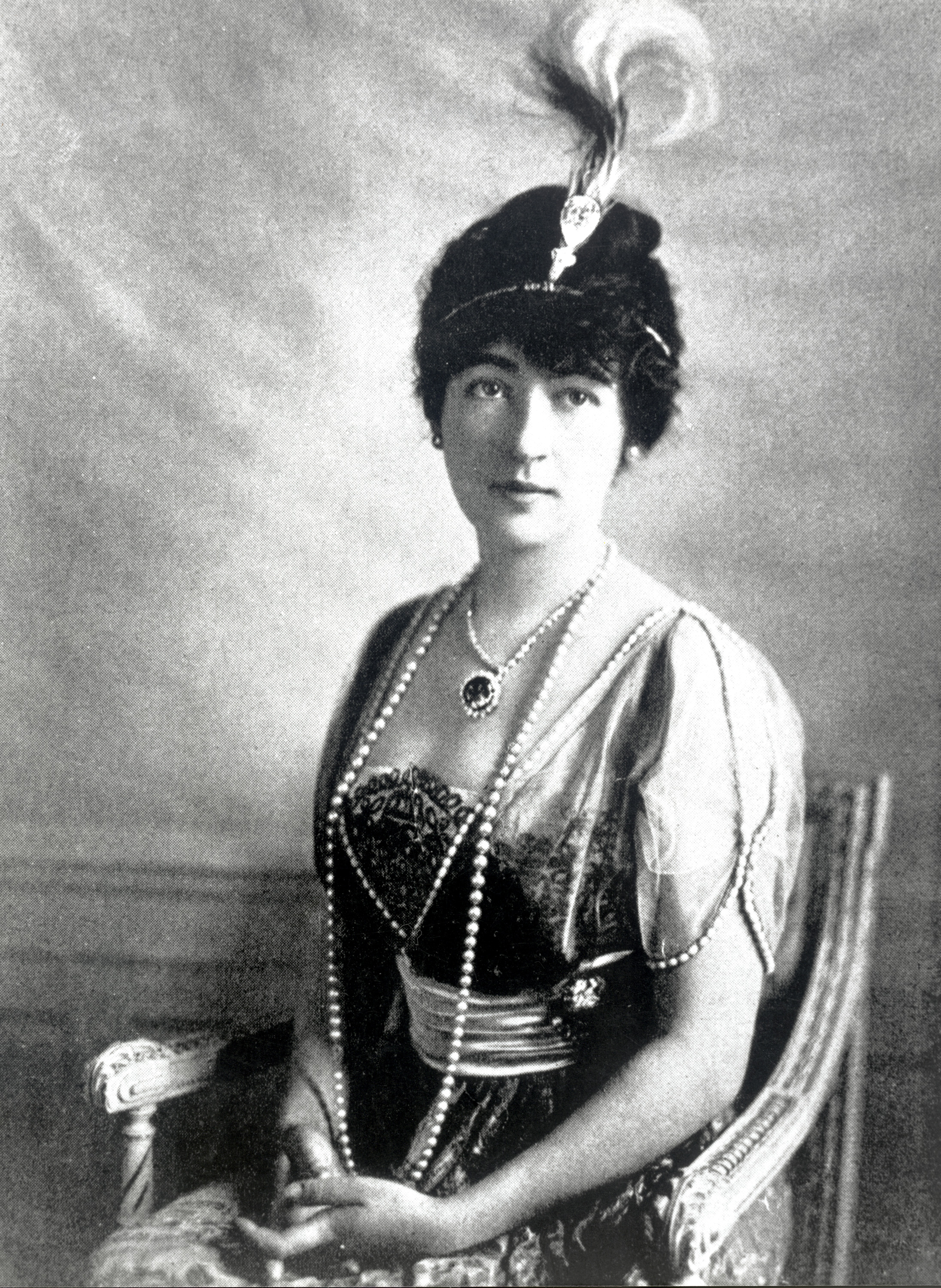
A head ornament traditionally embellished with one or more feathers, the aigrette was a Cartier classic from the late nineteenth century into the 1920s.
Between East and West
The aigrette is a hair ornament usually decorated with feathers. It is named after the crest of feathers adorning the heads of certain bird species, peacocks in particular.
The aigrette most likely originated in the Middle East in the 16th or 17th century, when men would wear them on their turban as a symbol of distinction and power. It later became a piece of women’s jewelry in Europe, a fashion spearheaded by Marie-Antoinette. This vogue was so widespread that by 1890 it ranked among the most popular head adornments. Classical versions of the aigrette were to be seen at many royal courts, and it would occasionally be worn at masquerade balls. In 1903, during the famous ball hosted by Tsar Nicholas II at the Winter Palace in St. Petersburg, the Grand Duke Michael and Prince Yusupov showed up dressed like boyars, their fur hats sporting magnificent aigrettes.
Of course, Paris was not to be left on the sidelines. Orientalism reached its peak there in the 1910s, particularly thanks to Diaghilev’s Ballets Russes and to Paul Poiret, who introduced dresses without corsets, tunics, the hobble skirt and turbans adorned with striking aigrettes. In 1911, Poiret hosted a grand ball on the theme of the Thousand and One Nights. He received his three hundred guests seated on a golden throne, arrayed in sultanic attire. The following year, it was the Marquise de Chabrillan and the Comtesse de Clermont-Tonnerre who invited Parisian high society to their “Persian balls,” where historical allusions intermixed with exotic fantasies… The glory years of the aigrette were celebrated in myriad festivities.
Aigrettes at Cartier
Cartier soon distinguished itself among the Parisian jewelers catering to the élégantes. As we learn from the Maison’s archives, in 1895 the jeweler created a “swallow tail” aigrette. This would be followed by a floral repertoire, which became the dominant theme in the years leading up to 1910: as exemplified by a 1901 model decorated with wheat spikes and a 1903 model with a lily-of-the-valley motif.
In the following two decades, Cartier devoted a great deal of attention to the Oriental style that was popularized in fashion and by the Ballets Russes. The jeweler reproduced details of Islamic fretwork and medallions with fluid arabesques evoking Persian carpets or miniatures. The Maison also created its first aigrettes in the form of Indian Sarpeches, consisting of a disk with stalks blossoming into gemstones. These very harmonious pieces appealed both to the Parisians, who were looking for accessories to wear to the “Persian balls”, and to Indian nabobs.
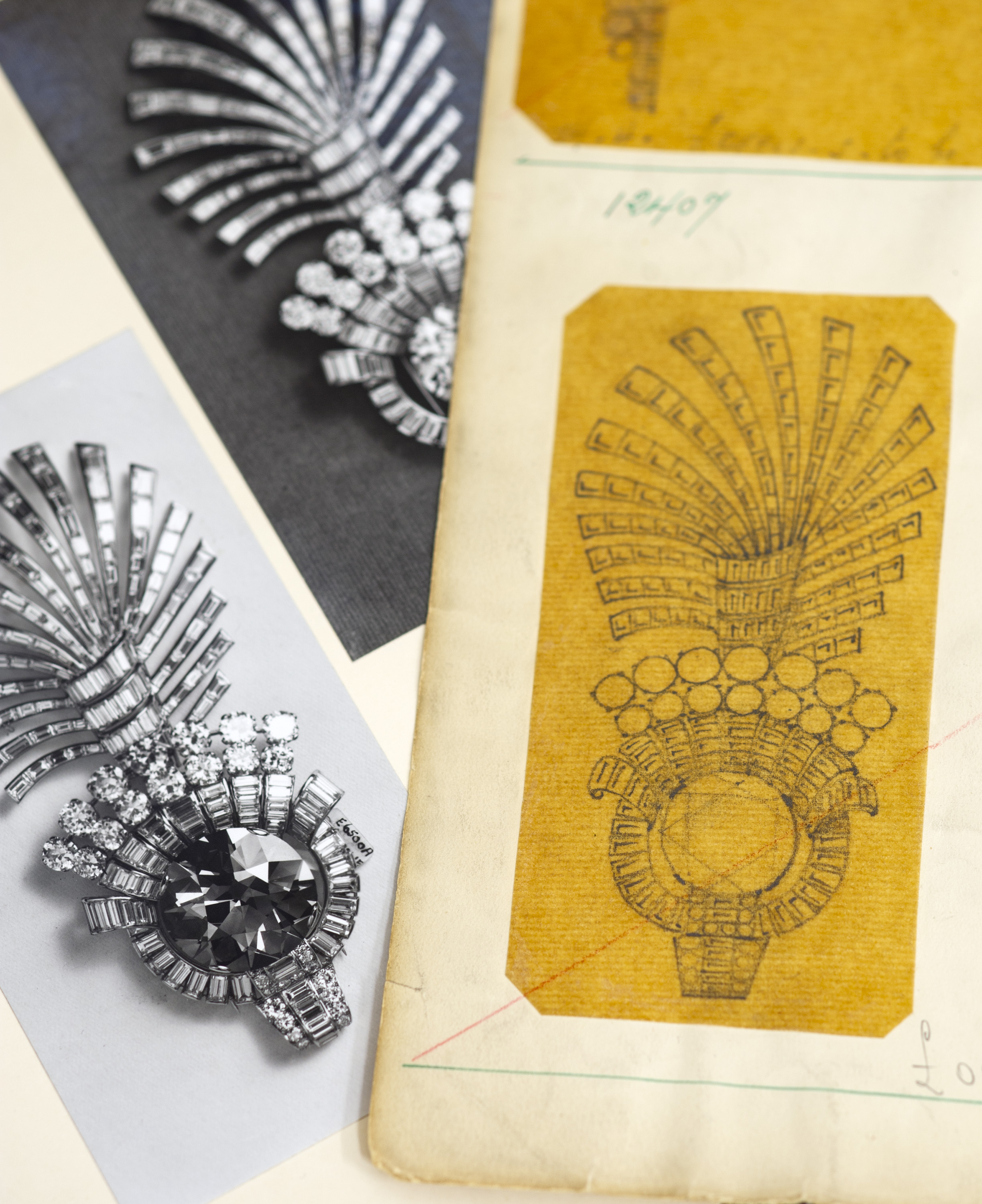
Cartier imagined more stylized interpretations in the 1910s and 1920s, such as aigrettes with supple stalks bearing gemstones and evoking a feather or displaying a free-flowing volute motif. The fluidity of their design conveyed an impression of movement that was much loved by Cartier clients.
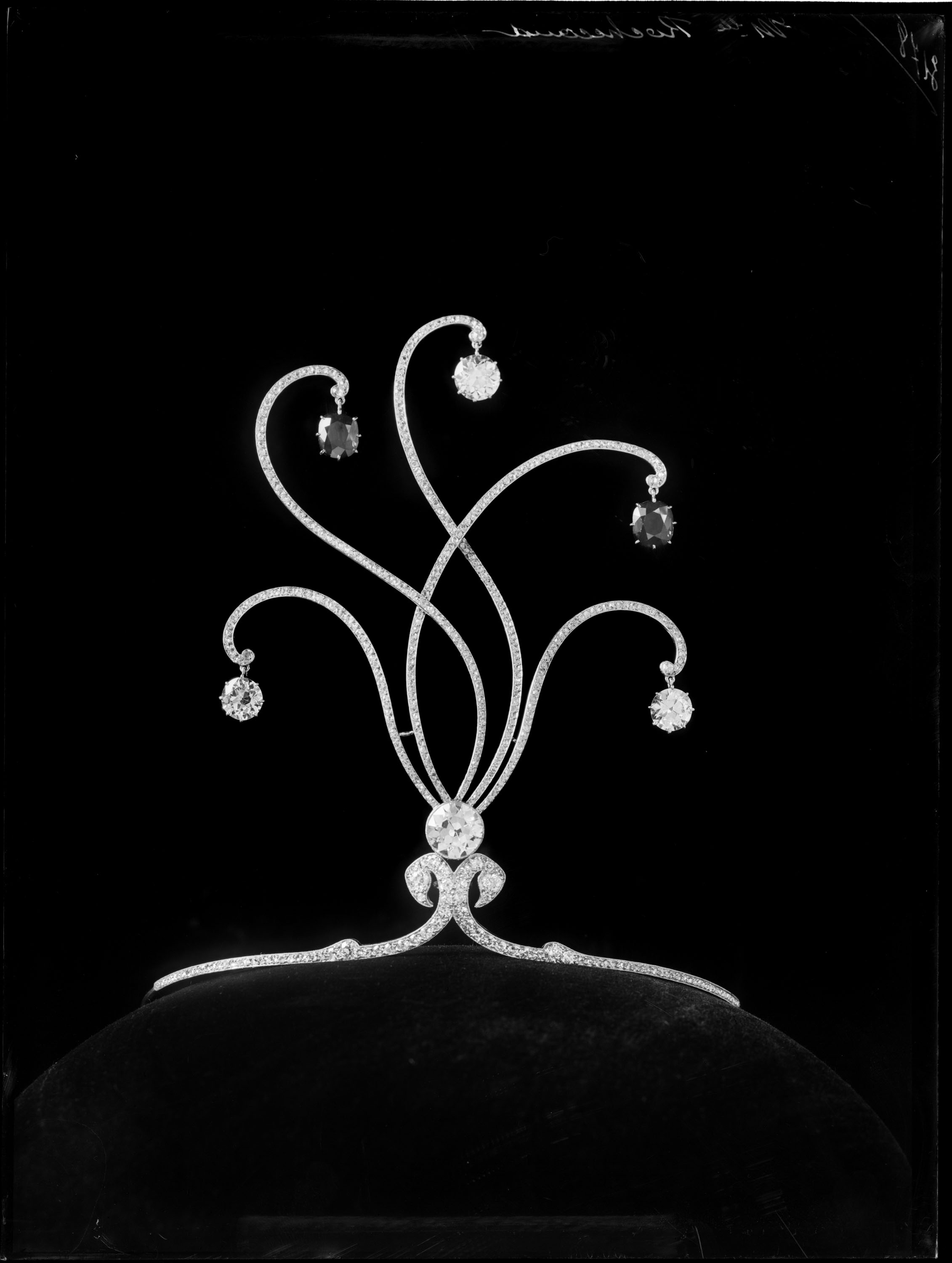
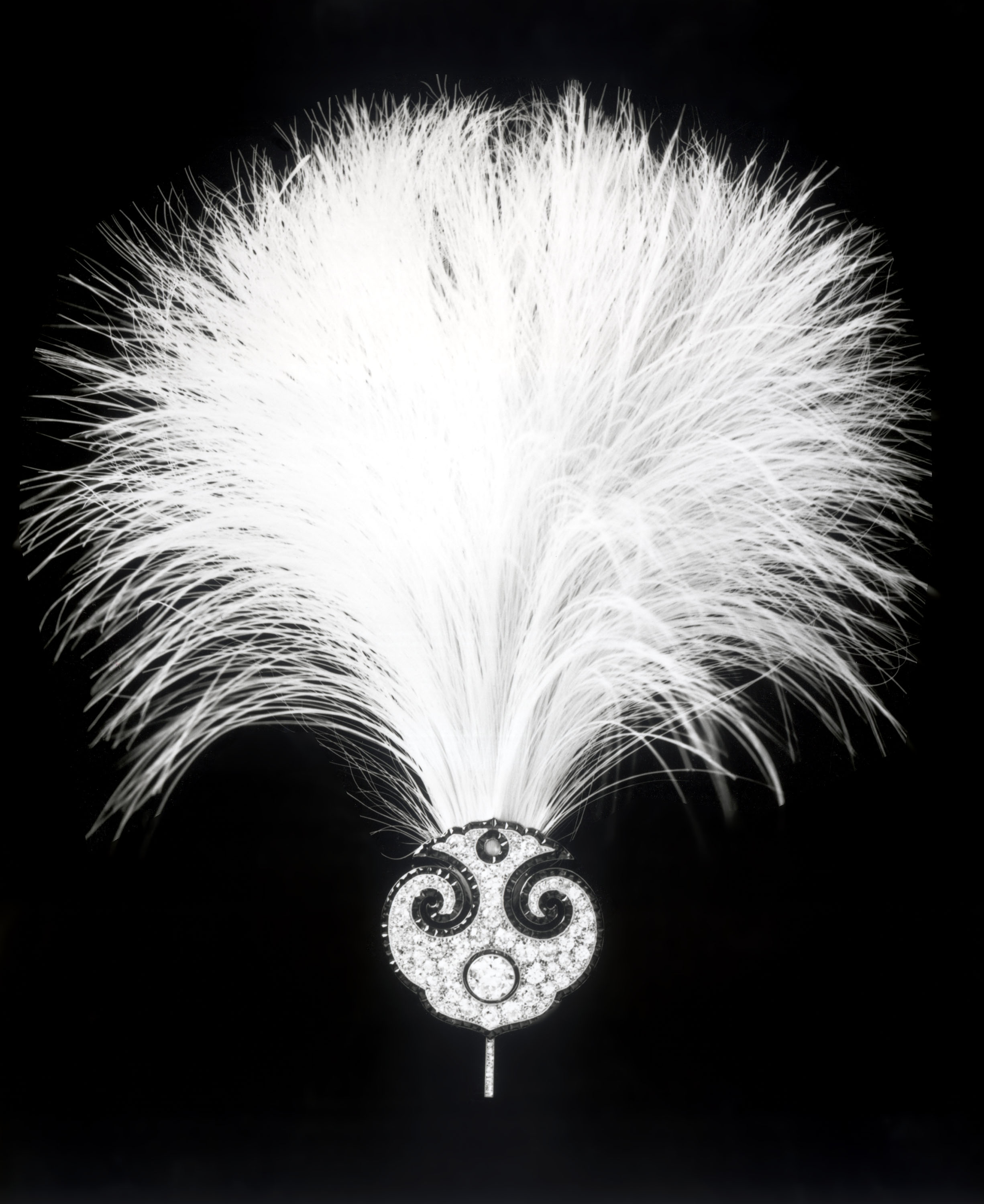
Whatever their style, the aigrettes envisioned by Cartier all showed the same refinement. According to Hans Nadelhoffer, who wrote a work of reference about Cartier, the feathers were obtained from recognized specialists, such as Judith Barbier, who also supplied the couturiers Worth and Poiret. As for the settings, they were crafted with incomparable finesse and astonishing lightness, notably thanks to Cartier’s pioneering use of platinum.