
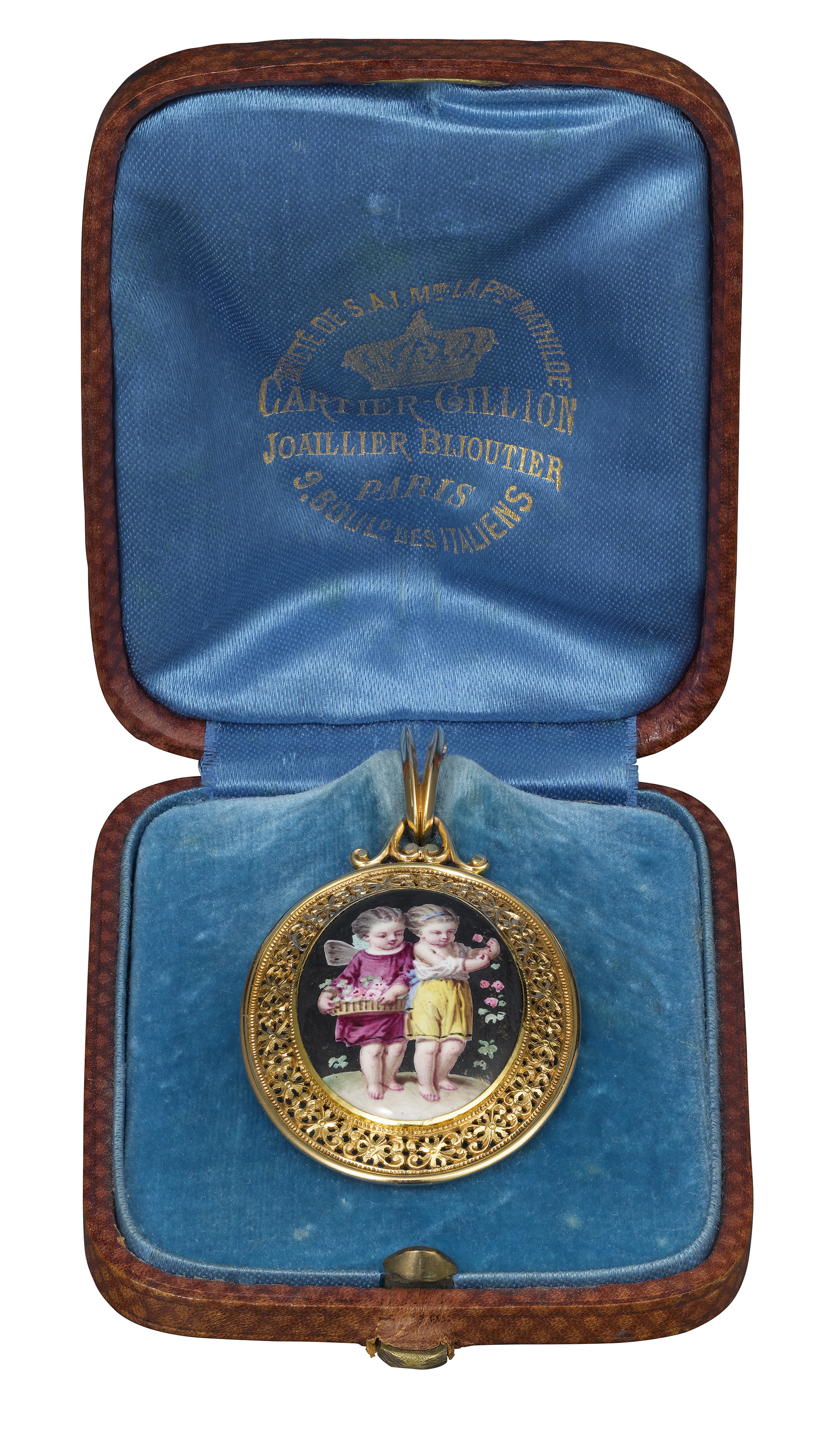
Princess Mathilde Bonaparte (1820–1904) was Napoleon I’s niece and Napoleon III’s cousin, as well as being a leading light of French society in the latter half of the nineteenth century. Having become a Cartier client as early as 1856, her many purchases made the Maison one of the most prominent jewelers of the day.
From Tuscan princess to queen of Paris
Mathilde-Létizia Wilhelmine Bonaparte was the daughter of Jérôme Bonaparte (brother of Emperor Napoleon I) and Catharina of Württemberg. She grew up in Italy where her parents sought refuge after Napoleon’s empire collapsed.
In 1835, aged 15, Mathilde was affianced to her cousin, Louis-Napoleon Bonaparte. Their marriage promised to consolidate the dynasty, but the engagement didn’t last. Instead, five years later the young princess finally married a Russian count, Anatole Demidoff, who was granted the title of prince of San Donato by Grand Duke Leopold II of Tuscany. Their marriage was unhappy, and ended in a separation confirmed by Czar Nicholas I in 1847.
Princess Mathilde then moved to Paris and accompanied her cousin and former fiancé, Louis-Napoleon, in his political climb. Elected president of the Second French Republic in 1848, Louis-Napoleon proclaimed the Second Empire four years later, taking the title of Napoleon III. Since he remained a bachelor until 1853, Mathilde played the role of mistress of the house at official residences, as well as patron of the arts. When it came to questions of taste, she was indisputably one of the most influential women of her day.
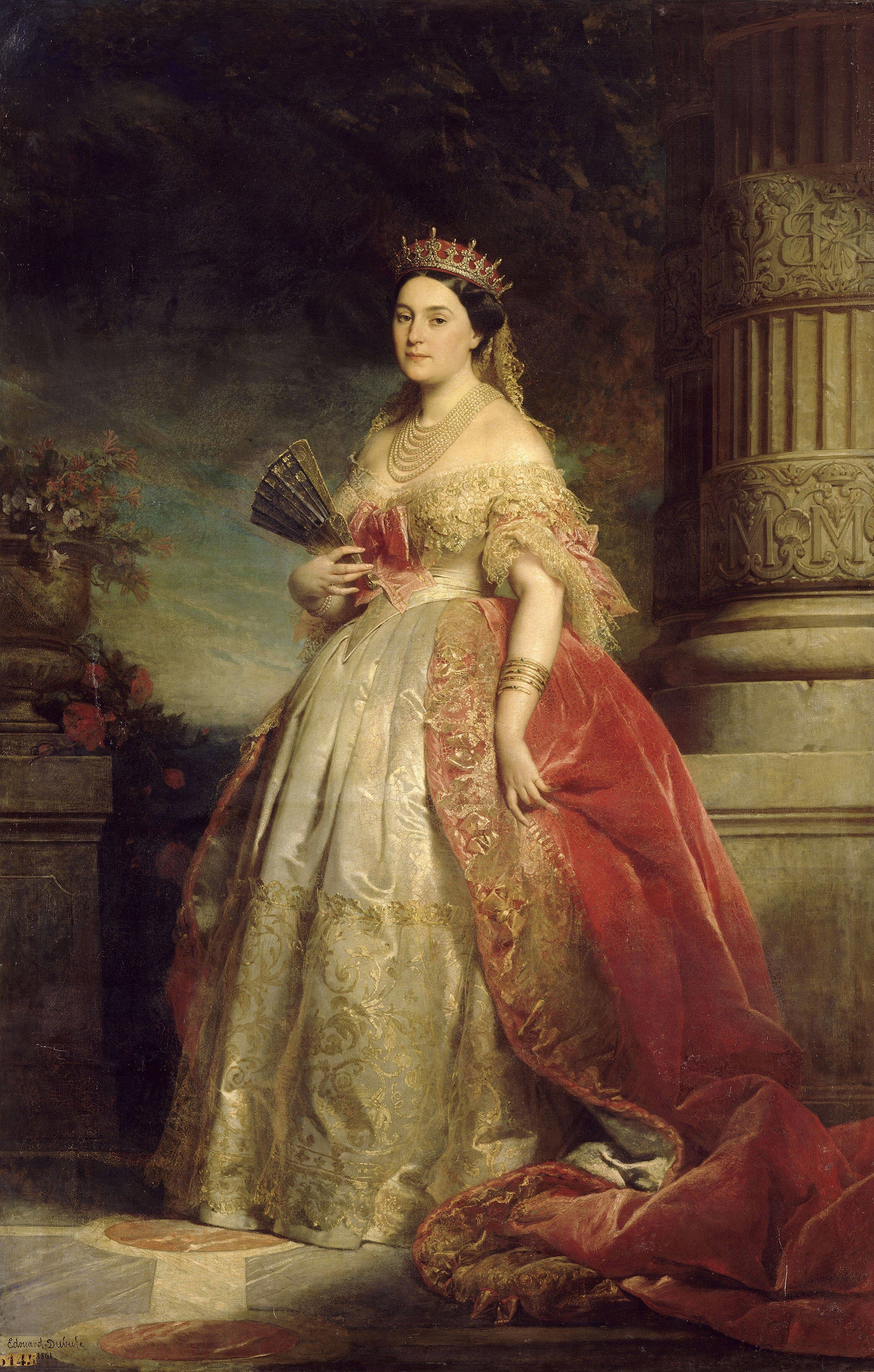
A key society figure, the princess hosted the most sought-after salon in Paris. There intellectuals, politicians and artists met and discoursed in an eclectic atmosphere. Notable attendees included Théophile Gautier, Gustave Flaubert, the Goncourt brothers and Marcel Proust. Several characters from Proust’s emblematic Remembrance of Things Past were inspired by people from Princess Mathilde’s circle.
An influential client
Mathilde was one of Cartier’s earliest grand clients. She made her first purchase in 1856, followed by more than two hundred others, whether destined for herself or as gifts.
Most of her purchases display a taste for classicism inspired by ancient civilizations. They include, for example, four cameos with Medusa heads, two Greek-key-patterned bracelets, a turquoise scarab brooch and pendant earrings of Egyptian inspiration.
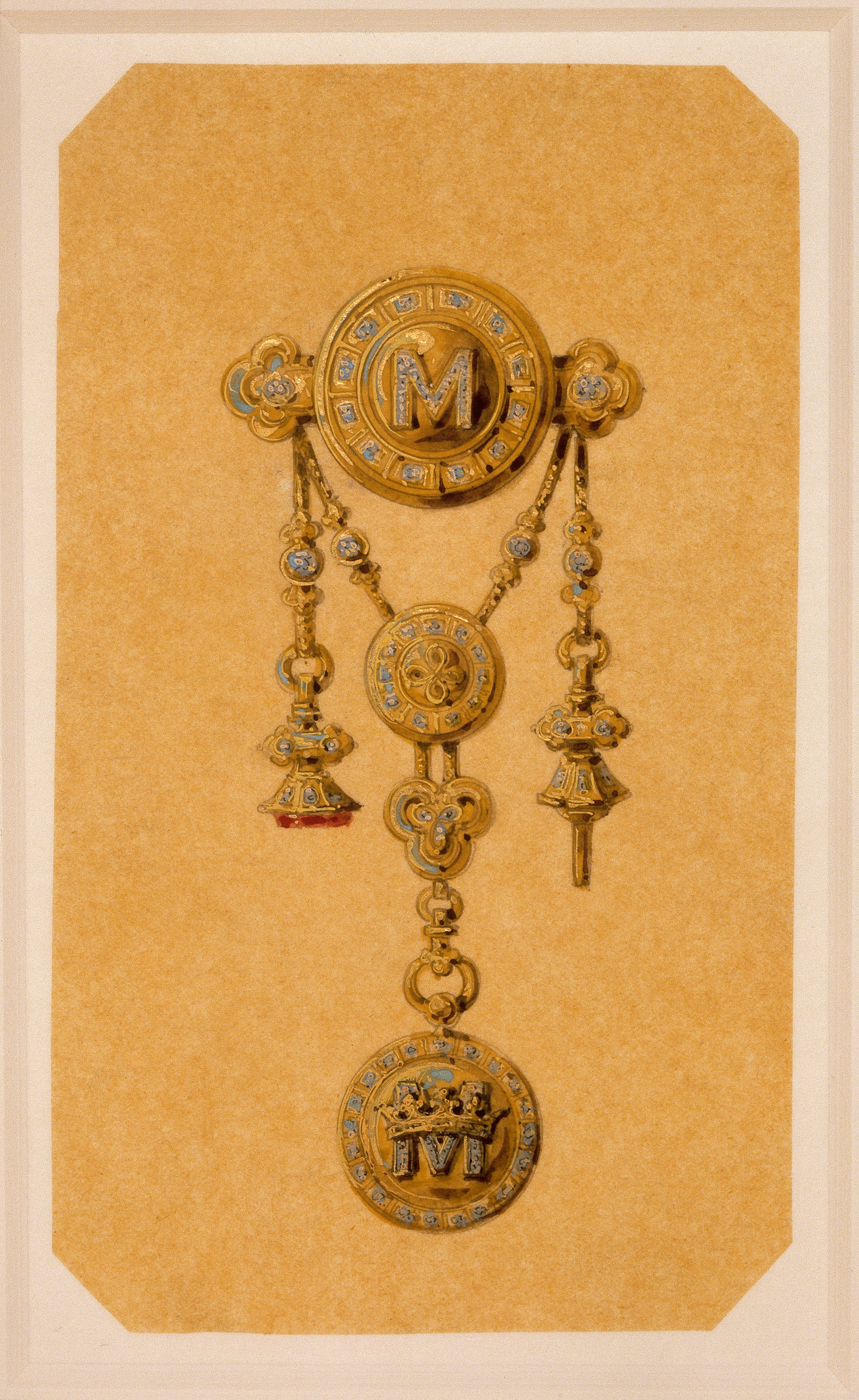
As a loyal Cartier client, Mathilde enthroned the jeweler in the highest social spheres in Paris, beginning with the imperial court. Indeed, it was probably her influence that prompted Empress Eugénie, who married Napoleon III in 1853, to buy a silver tea service from Cartier in 1859.
Thereafter a supplier to the imperial household, Cartier moved that same year from the Palais-Royal neighborhood to larger premises on the highly fashionable Boulevard des Italiens.