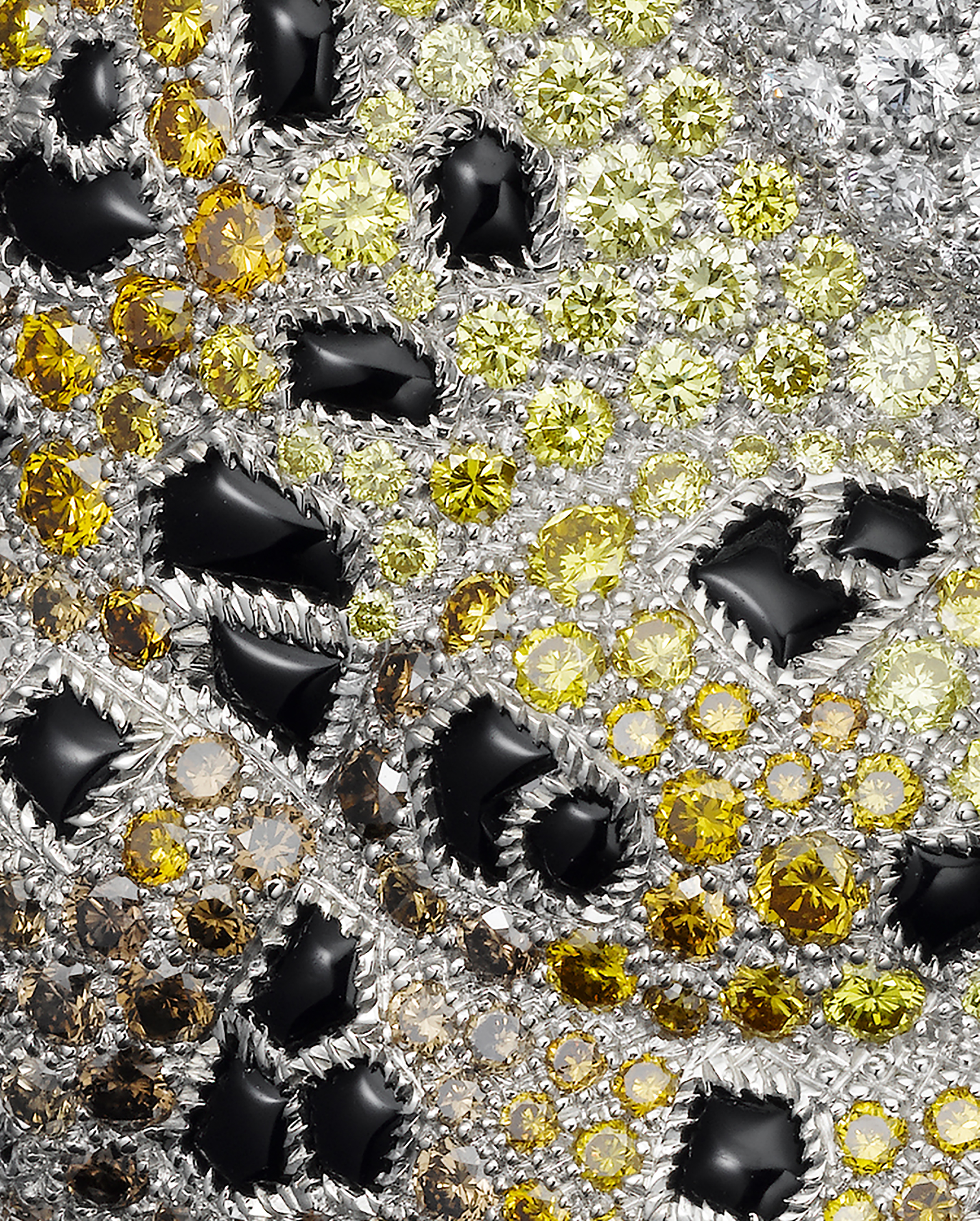
Arranging stones on the setting is the jeweler’s key skill.
The delicate art of stone setting is designed to present the qualities and originality of each stone as perfectly as possible. Several techniques exist.
The oldest is certainly the collet setting. Using pusher tools, the setter wraps a band of metal (silver, gold, platinum) around the stone, then crimps it over the girdle (the rim of the gem separating its upper and lower parts).
Also very ancient, but little used in contemporary jewelry, is the millegrain setting, which involves securing the stones by a cluster of small grains or beads, whose glitter accentuates the impression of sparkle. The effect can notably be seen on tiaras made by Cartier in the early twentieth century.
.
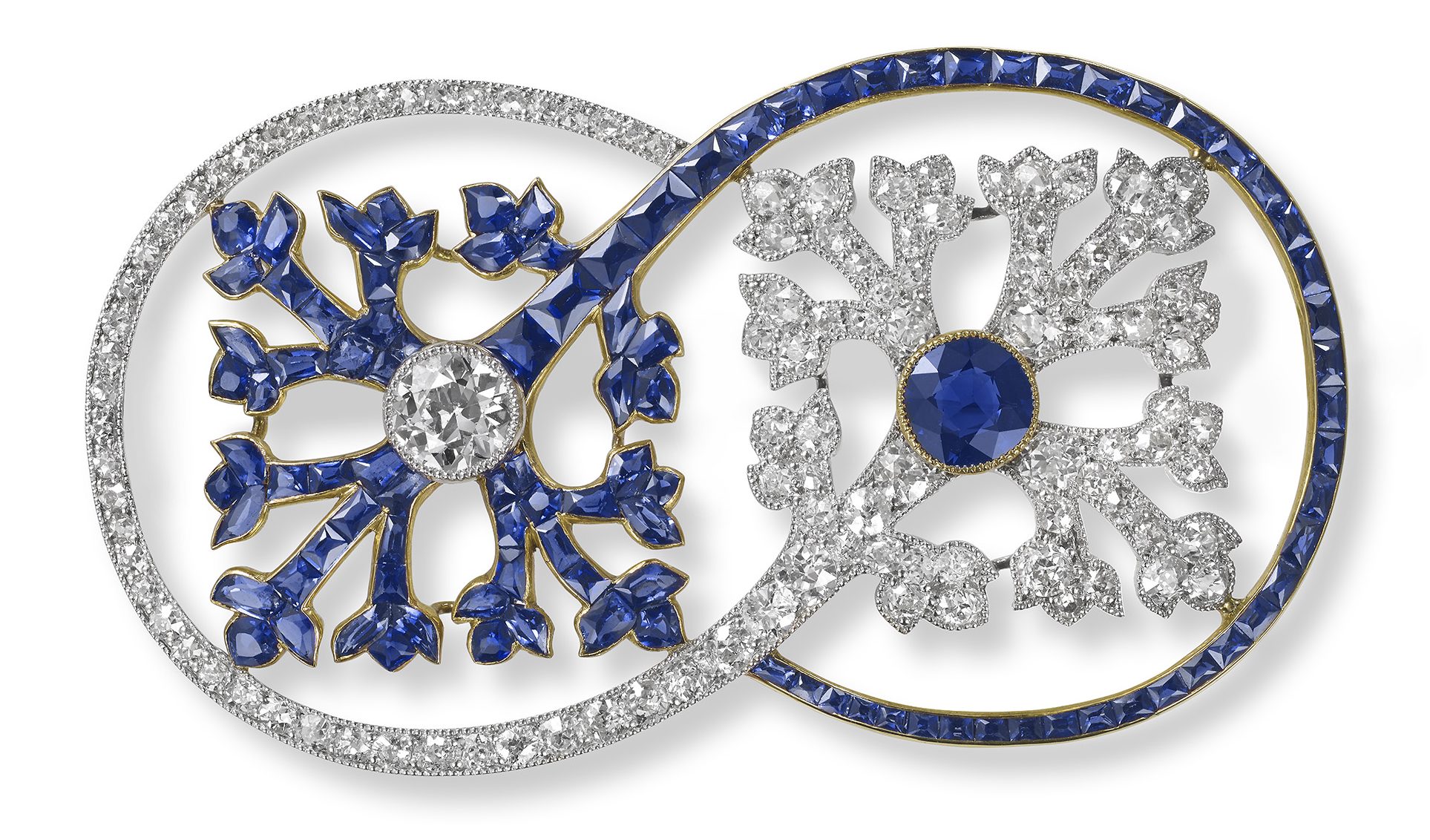
In 1933 Cartier filed a patent for its “invisible setting,” which vanishes in order to allow the stones to shine to their utmost. The gems must have angular bases with V-shaped grooves cut into the culet (lower part), then arranged side by side along metal rails. Each stone slides onto the rail next to its neighbor. This type of setting is not used extensively because it has the drawback of altering the shape of the stones in a way that makes them unusable on standard settings.
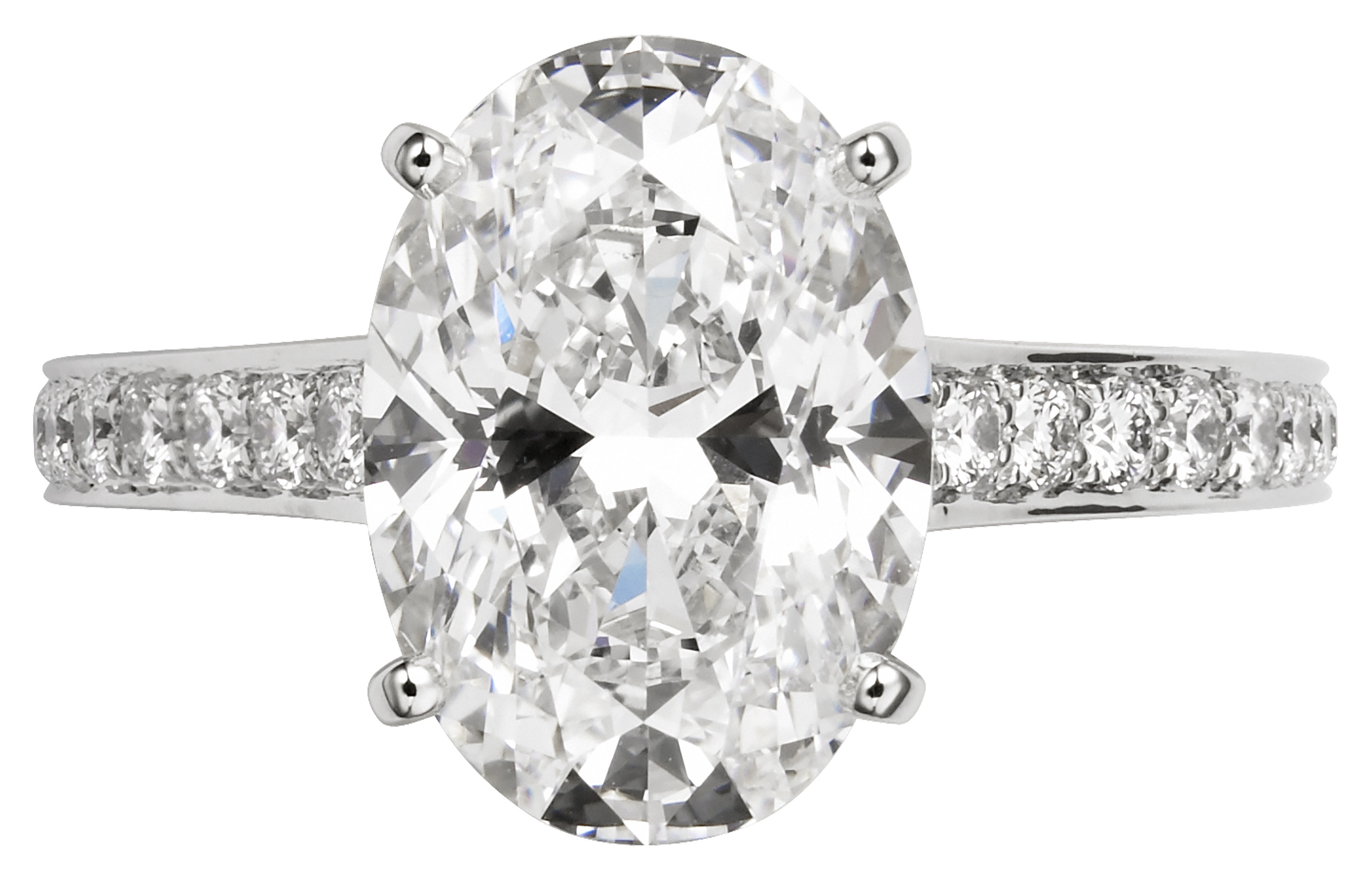
The more modern prong (or claw) and grain settings largely free the stone from the metal, thus enhancing its effect. The principle behind these settings is the same, although their techniques differ slightly. A prong setting holds the table (upper facet of the stone) with little metal claws that may be anchored to the bezel, or may use thin shafts of metal with ends like nail-heads. Finally, when raised chips of metal around the stone do the gripping, it is called a grain setting.
In order to make its big-cat designs look more realistic, Cartier has reinterpreted this kind of setting. The Maison’s special “fur” setting” imitates the coat of a panther by ringing the stone with tiny threads of metal with curved ends that reproduce the effect of the animal’s fur.
Pavé setting, meanwhile, is commonly used in jewelry to cover a surface with stones of varying sizes by placing them very close together, showing no metal, although grains between the gems secure them.