
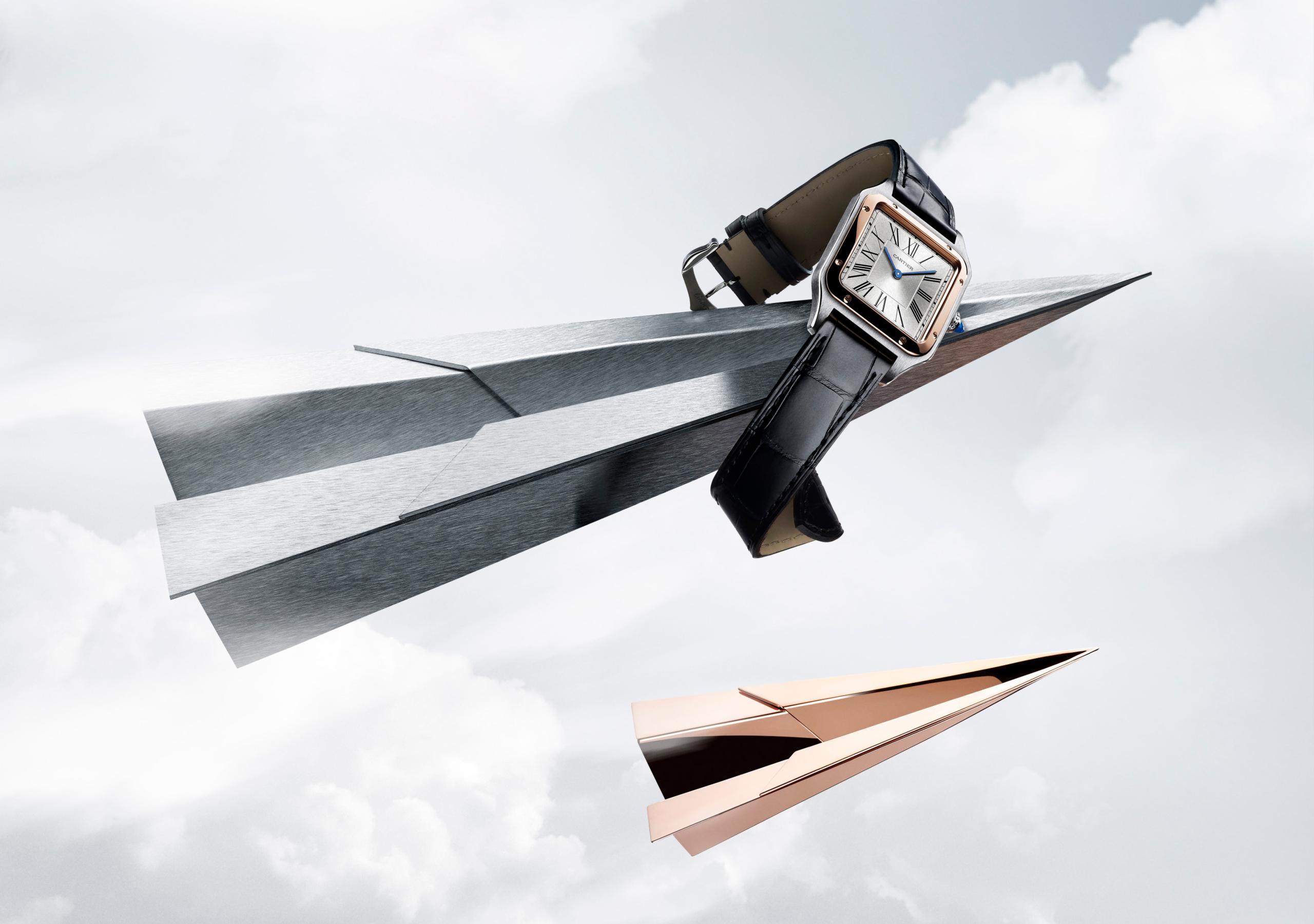
Created in 1904, the Santos de Cartier wristwatch is an icon at Cartier and in the watchmaking world. It is the first modern timepiece specifically designed to be worn on the wrist.
The first modern wristwatch
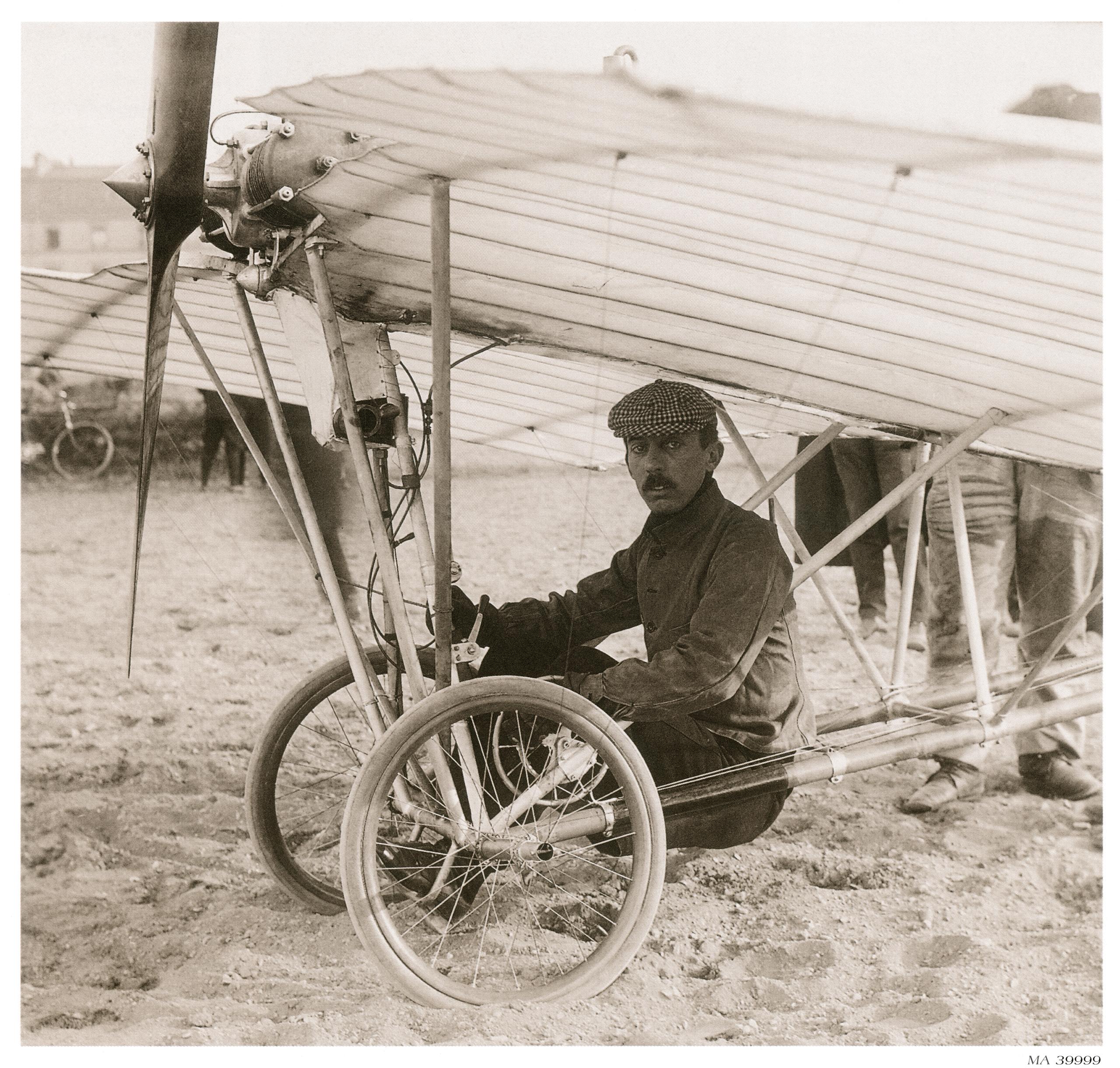

The Santos de Cartier wristwatch was born of the friendship between Louis Cartier (1875–1942) and Alberto Santos-Dumont (1873–1932). In 1898, the former joined his father Alfred at the helm of Cartier, while the latter settled into life in Paris. Cartier archives indicate that Santos-Dumont placed his first order with the Maison in 1899, for a ladies’ “extra-thin” gold wristwatch. This may have been the reason for the encounter between the two men, both fascinated by modernity, which each embodied in his respective field. An aviation pioneer, Santos-Dumont reportedly complained to Cartier about the difficulty of checking the time on his pocket watch during flight. In response, the Maison gave him a wristwatch in 1904 with an immediately visible dial that did not distract from piloting the aircraft.
Often referred to as the first modern wristwatch, this creation marked a turning point in the history of watchmaking. It was entirely designed for a specific purpose, which led to the inclusion of a bracelet. The lugs were not merely added to the case; they were fully incorporated, thus ensuring the square profile and rounded angles would form a seamless whole.
Cartier watchmaking before the Santos
The Santos de Cartier wristwatch introduced a new chapter in watchmaking, both in terms of function and form.
At the end of the nineteenth century, timepieces essentially consisted of pocket watches for men, and pendant, brooch and chatelaine watches for women, generally enhanced with the precious neoclassic adornments in fashion at the time. Occasionally, ladies’ watches were worn on the wrist, as shown in Cartier archives dating from as early as 1888. However, the models described are not wristwatches but bracelets—made of precious materials or a silk or moiré cord—to which a watch case could be attached. A case, whose design remained unchanged regardless of how it was worn, could also be attached as a necklace pendant or to a brooch setting.
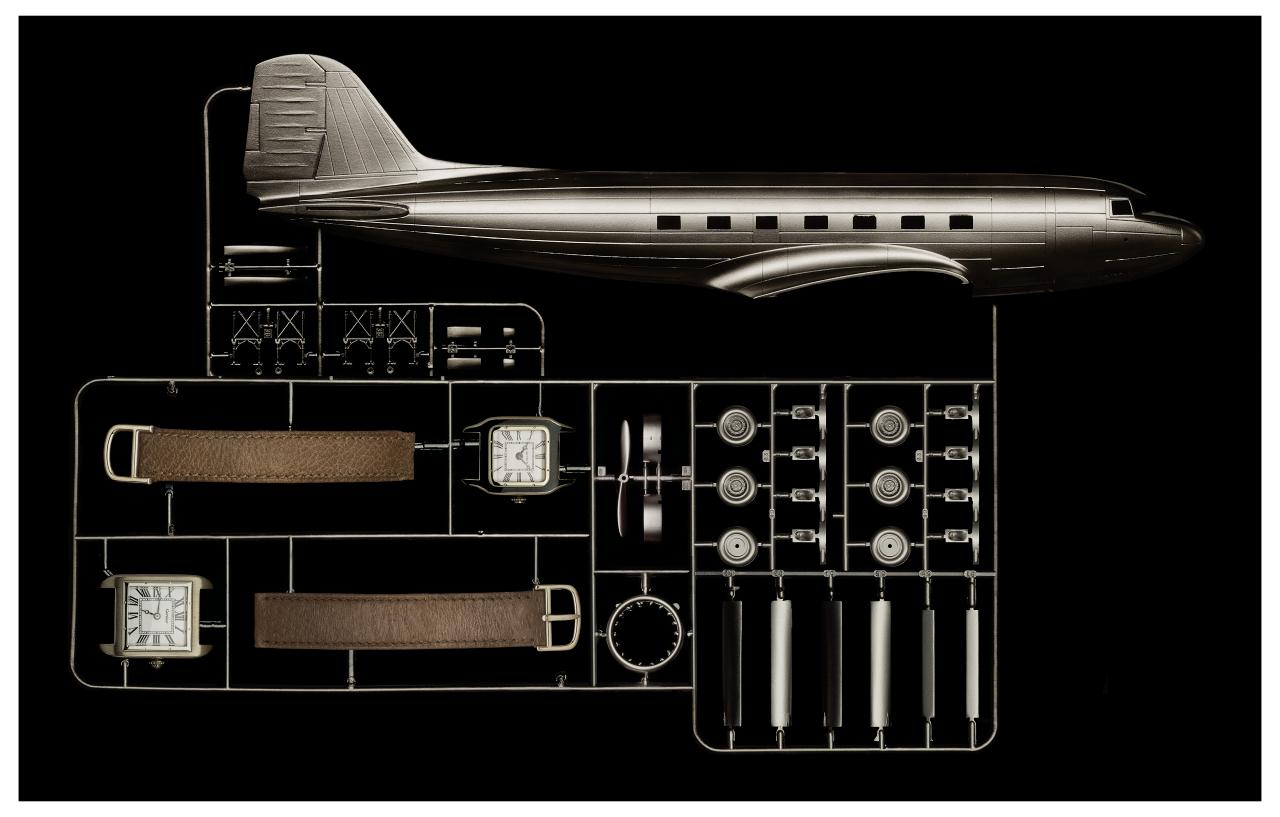
According to a description held in the Maison’s register, the Santos de Cartier was therefore the first wristwatch to include “integrated lugs.” This innovation was coupled with a highly modern aesthetic, intended to merge function and form. While most previous dials were round, the Santos de Cartier wristwatch presented an unprecedented square case emblematic of Louis Cartier’s taste for geometry. This streamlined design offered an ideal combination of elegance and functionality.
Laying the groundwork for shapely wristwatches
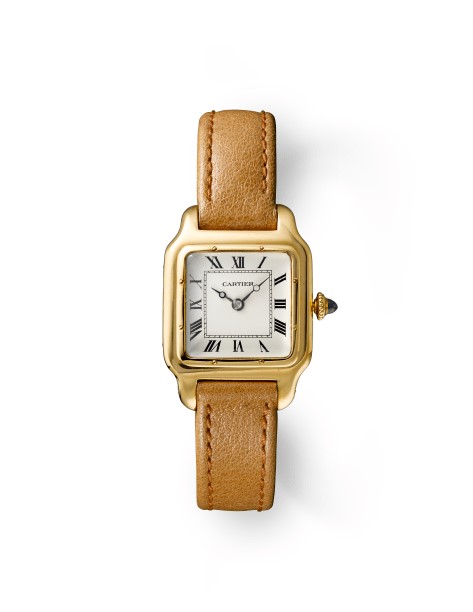
The Santos de Cartier wristwatch was sold for the first time in 1911 under the name “Santos II.” It was most likely very similar to the prototype—of which unfortunately no trace remains—given a few years earlier to the aviator with the same name.
The pioneering Santos de Cartier wristwatch laid the groundwork for modern Cartier timepieces. In addition to the exposed screws that adorn the bezel, the watch combines elements that would become emblematic of the Maison’s unique style: the chemin-de-fer chapter ring, radiating Roman numerals, and most notably the winding crown adorned with a cabochon, generally a sapphire, symbolizing Cartier’s jewelry-making spirit.
This audacious design also led to deeper reflections on attaining harmony in terms of shape, volume and proportion, and unity between the case and bracelet. Throughout the twentieth century, the Maison conducted research to hone its style, as illustrated by the Tonneau wristwatch, released in 1906, whose elongated shape perfectly embraced the curve of the wrist, and the Tank, whose uninterrupted design was introduced in 1917.
emblematic versions of the Santos de Cartier
Over the years, the Maison has introduced new versions of this iconic wristwatch while remaining true to its original spirit: a streamlined, elegant design enhancing the functional aspect of the wristwatch.
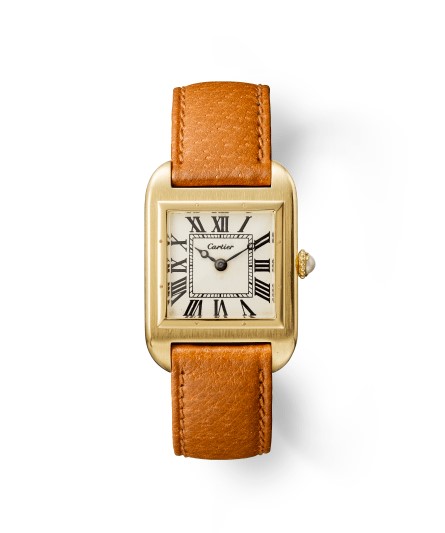
1913
Santos Droit
Replacing the original model’s rounded angles are two straight lines formed by the lugs in the Santos Droit. Released a few years before the Tank wristwatch was created, this version sparked a reflection on the graphic continuity between the case and the bracelet.
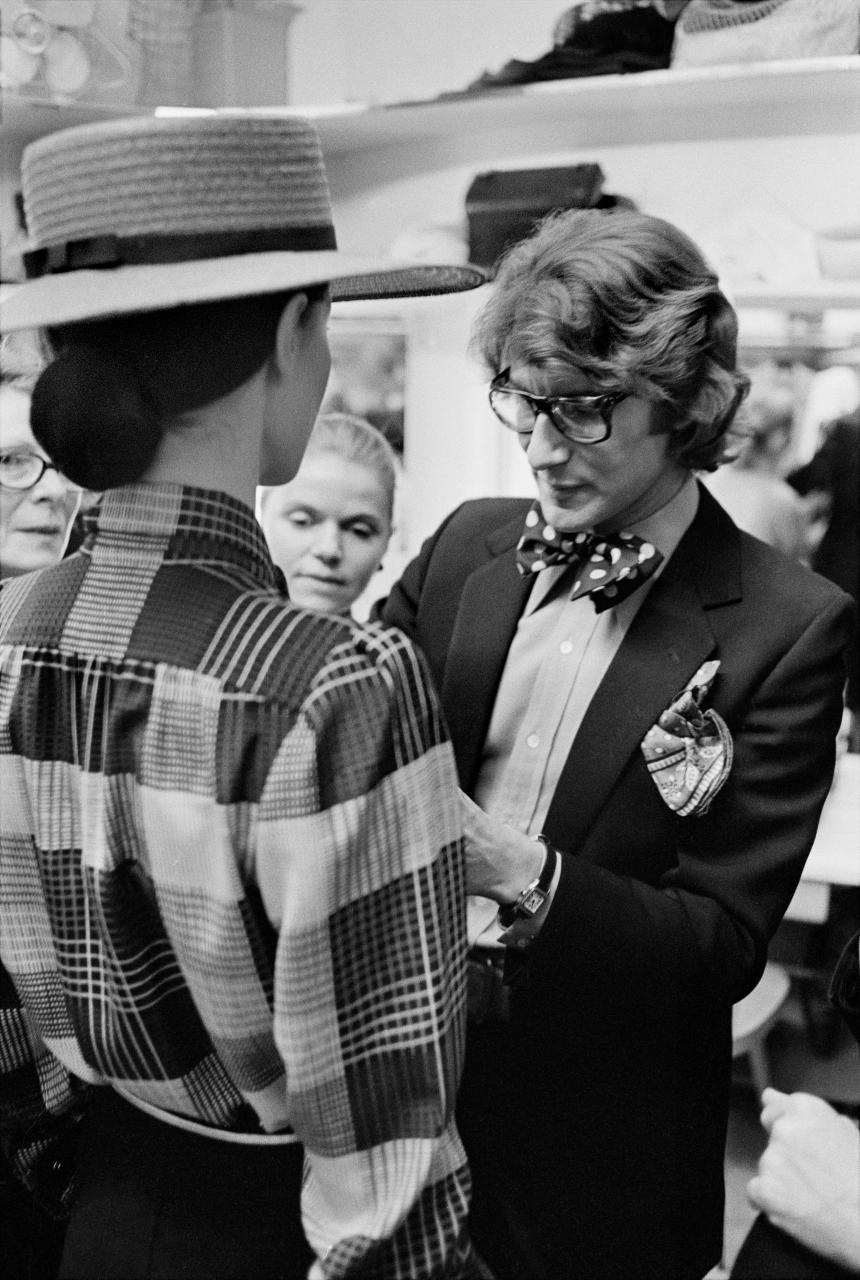

1978
Santos de Cartier
The Santos de Cartier wristwatch offers a bold personality in an unprecedented blend of gold and steel. The original model’s aesthetic has been revisited in an utterly contemporary design. The screws adorning the case are more visible and now punctuate the bracelet as well.
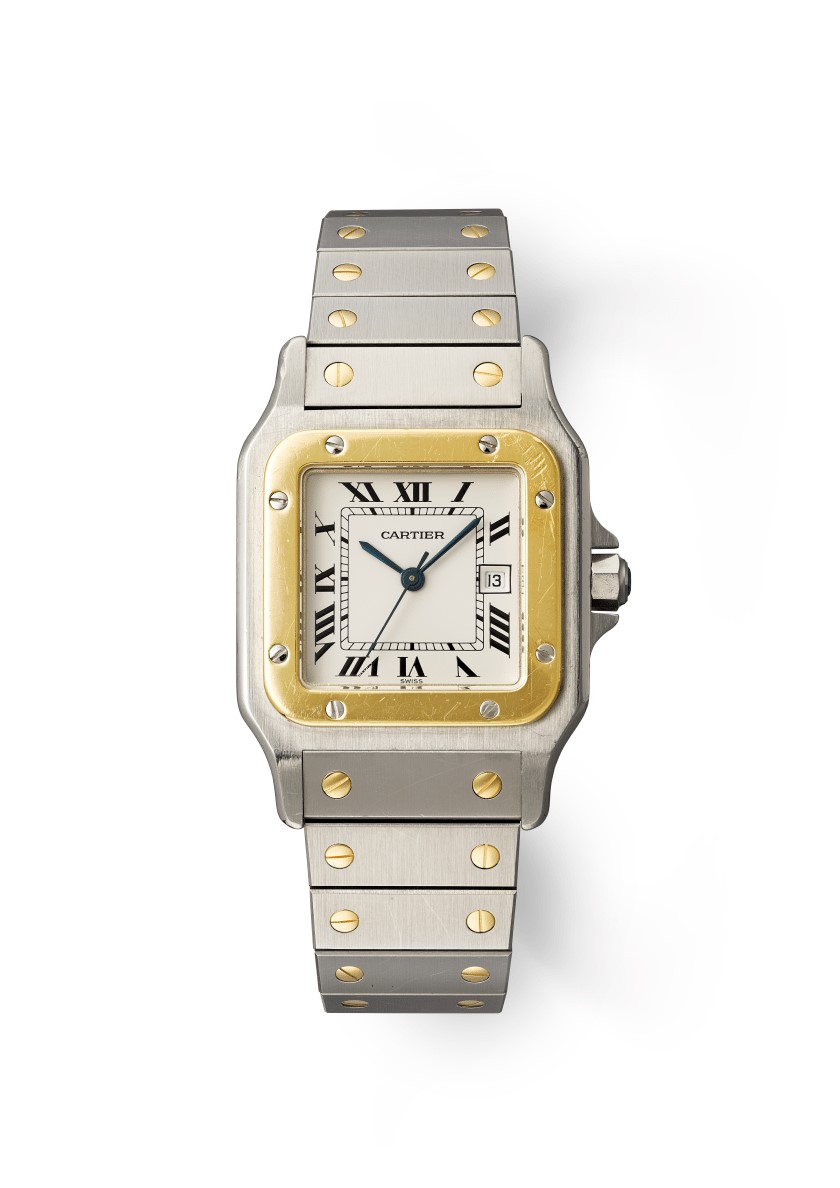
1987
Santos de Cartier Galbée
While remaining true to the original Santos de Cartier design, this new version features a slightly curved case which perfectly hugs the curve of the wrist.

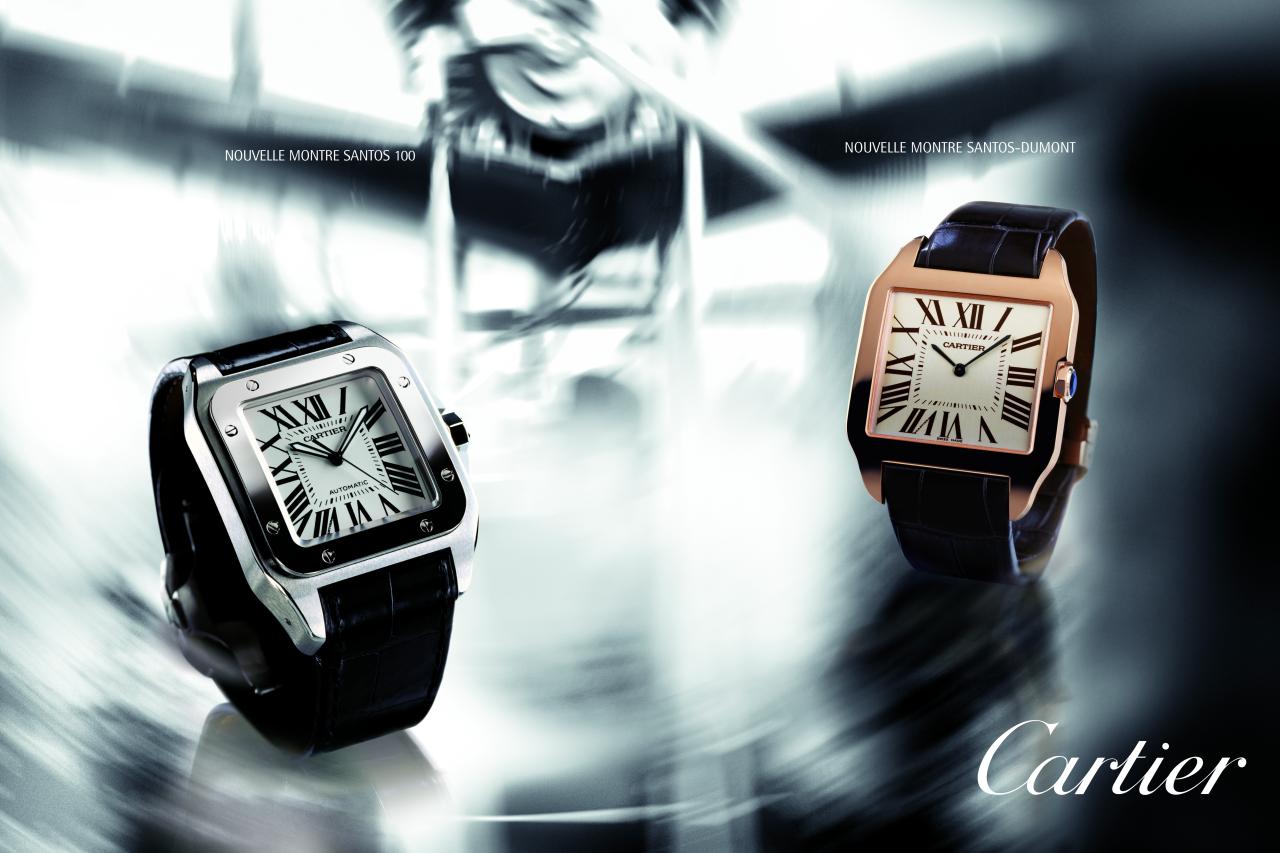

2004
Santos 100
Launched in 2004, the Santos 100 celebrates the centenary of the original Santos de Cartier wristwatch. Playing with the codes of masculine elegance, this gold and steel version boasting powerful lines and robust shapes echoes the original model.
Santos-Dumont
The Santos-Dumont wristwatch features a particularly large dial that practically occupies the entire case. The design has been further streamlined: gone are the exposed screws and cabochon sapphire that adorned the octagonal winding crown. Closely adjusted to the lines of the case, the wristwatch’s slightly convex profile accommodates the movements of the wrist.
Santos Demoiselle
The Santos Demoiselle was named after the last airplane built by Santos-Dumont, in homage to the aviator. This ladies’ version offers slim lines and a bracelet with gold or steel links.

2018
New Santos de Cartier
Cartier unveils its new Santos de Cartier watch. Its updated design features an innovative interchangeable strap, available in steel, gold, calfskin or alligator skin. This great freedom of style is made possible by the Cartier QuickSwitch system hidden under the strap, for which the Maison filed a patent. The length of the metal bracelet is also adjustable to the nearest link and without the use of a tool thanks to another patented technology called SmartLink.