
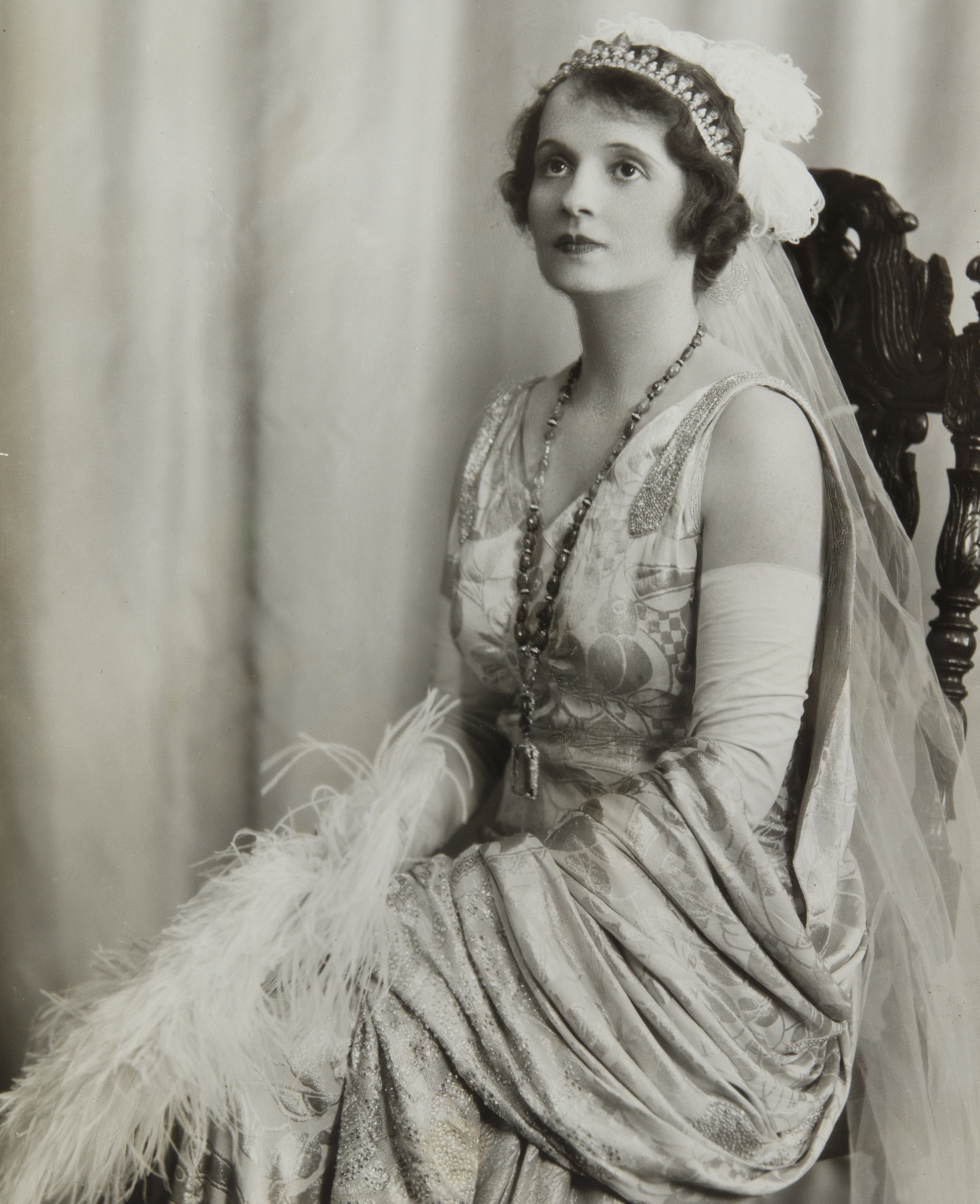
Andrée Carron (1898–1977), wife to Agha Khan III and mother of Prince Sadruddin, is remembered as much for her discretion as for her elegance.
Andrée Joséphine Carron was born in France’s Chambéry region in 1898, the daughter of a hotel manager. A modest young woman, she set up a fashion store in Paris with her sister. There was nothing preordained about her meeting and marrying one of the most high-profile men of her era, Sultan Mohammed Shah, Aga Khan III (1877–1957). The spiritual leader of Shiite Ismaili Muslims living mainly in India and Pakistan, the Aga Khan moved in the highest echelons of society, a regular presence at royal courts, international institutions, and at elite events. His passion for horse racing led him to own a preeminent stable of thoroughbreds, which twice won him the prestigious Prix de l’Arc de Triomphe, as well as taking the famous English Triple Crown.
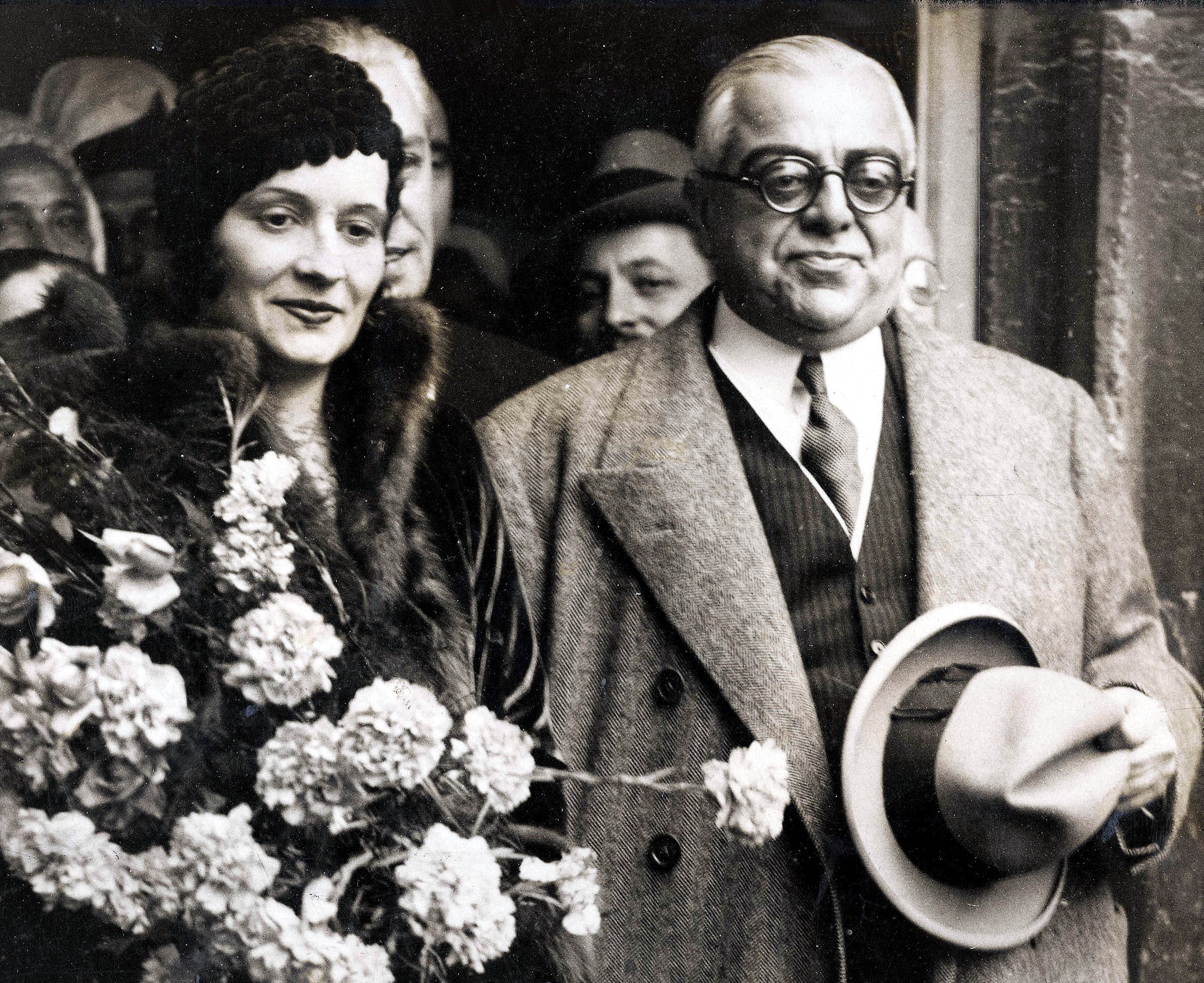
After one divorce and the death of his second wife in 1926, the Aga Khan met Andrée Carron when she was in her thirties. He fell for the elegant Frenchwoman and proposed marriage. She hesitated – probably because he was twenty years older than her, and because of the public duties that her new rank would burden her with – but eventually accepted his proposal. Their civil union took place in Aix-les-Bains on December 7, 1929, while the religious ceremony was celebrated in Mumbai a few days later, on December 13. As is customary for the wife of a sultan in the Indian tradition, Andrée Carron took the title of Begum – the equivalent of a princess.
Princess Andrée was a tender, unassuming woman, known for her refined taste. Contemporary photographs show her wearing sublime gowns, accessorized with opulent jewelry.
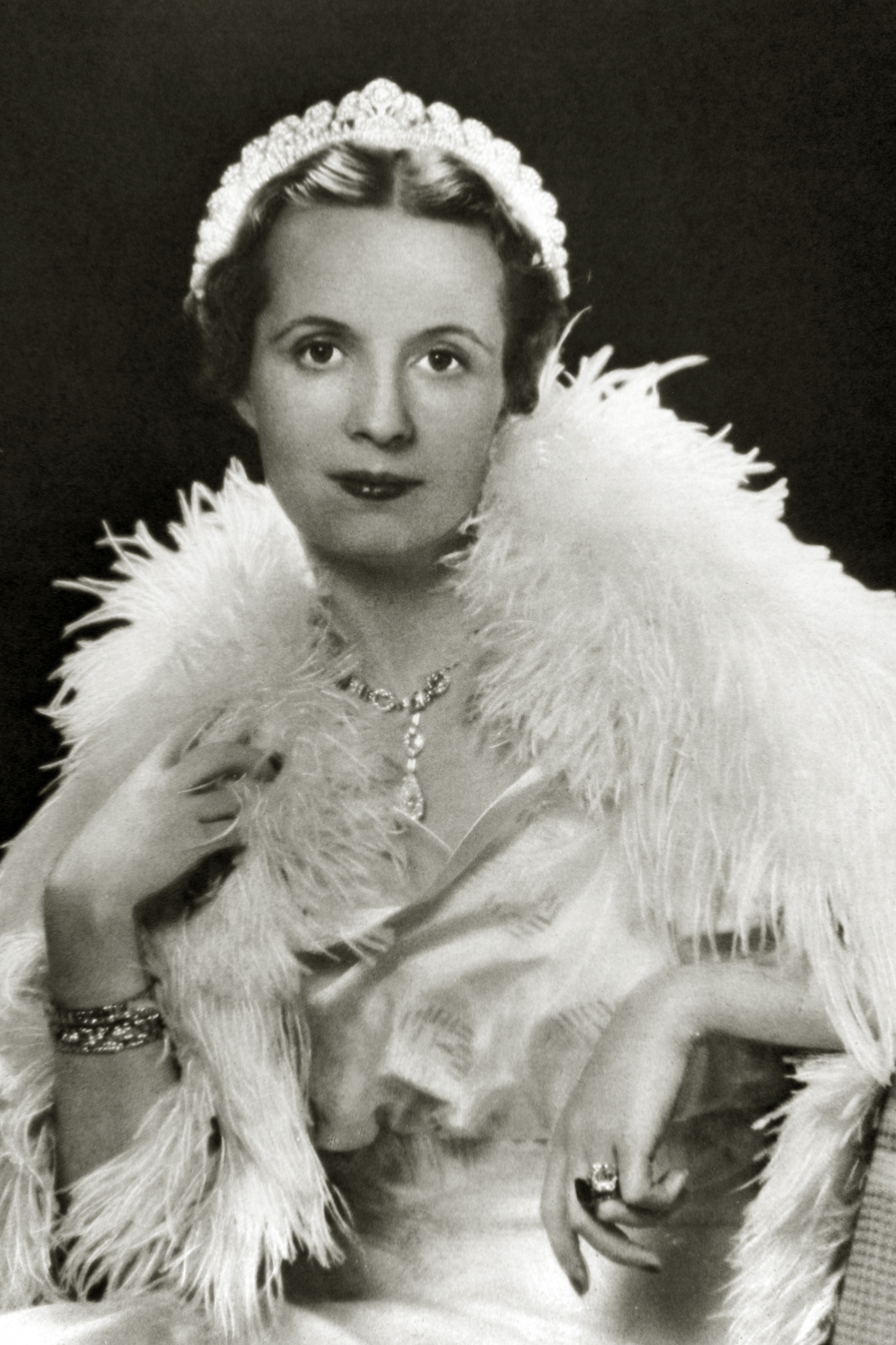
She owned several pieces by Cartier, such as a sapphire and emerald sautoir from 1930, and two tiaras—the first was decorated with ribbed emeralds and natural pearls; the second, entirely pavé-set with diamonds and dating from 1934, was composed of an upper halo of stylized lotus flowers, and a lower zig-zag portion that could be detached and worn as a bandeau.
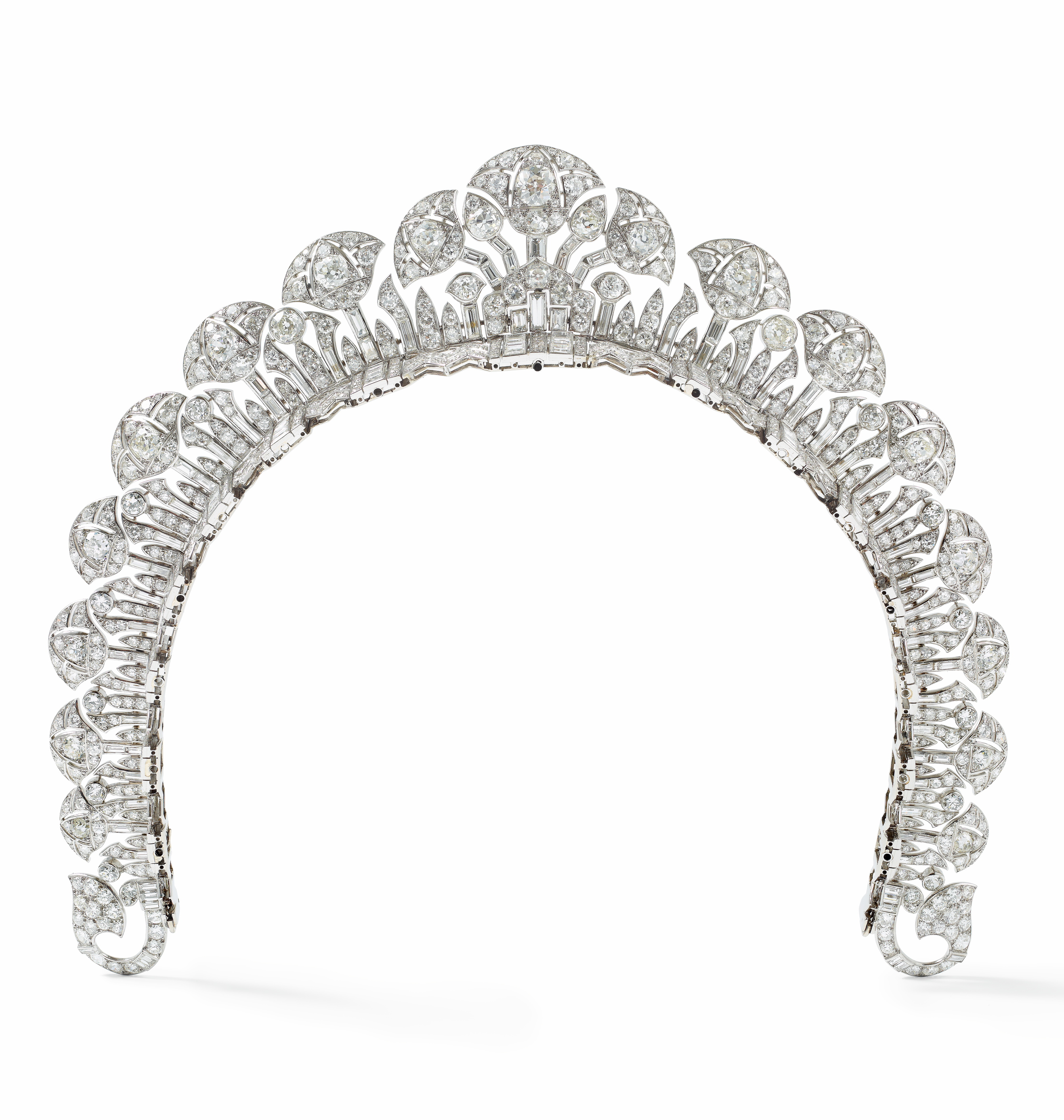
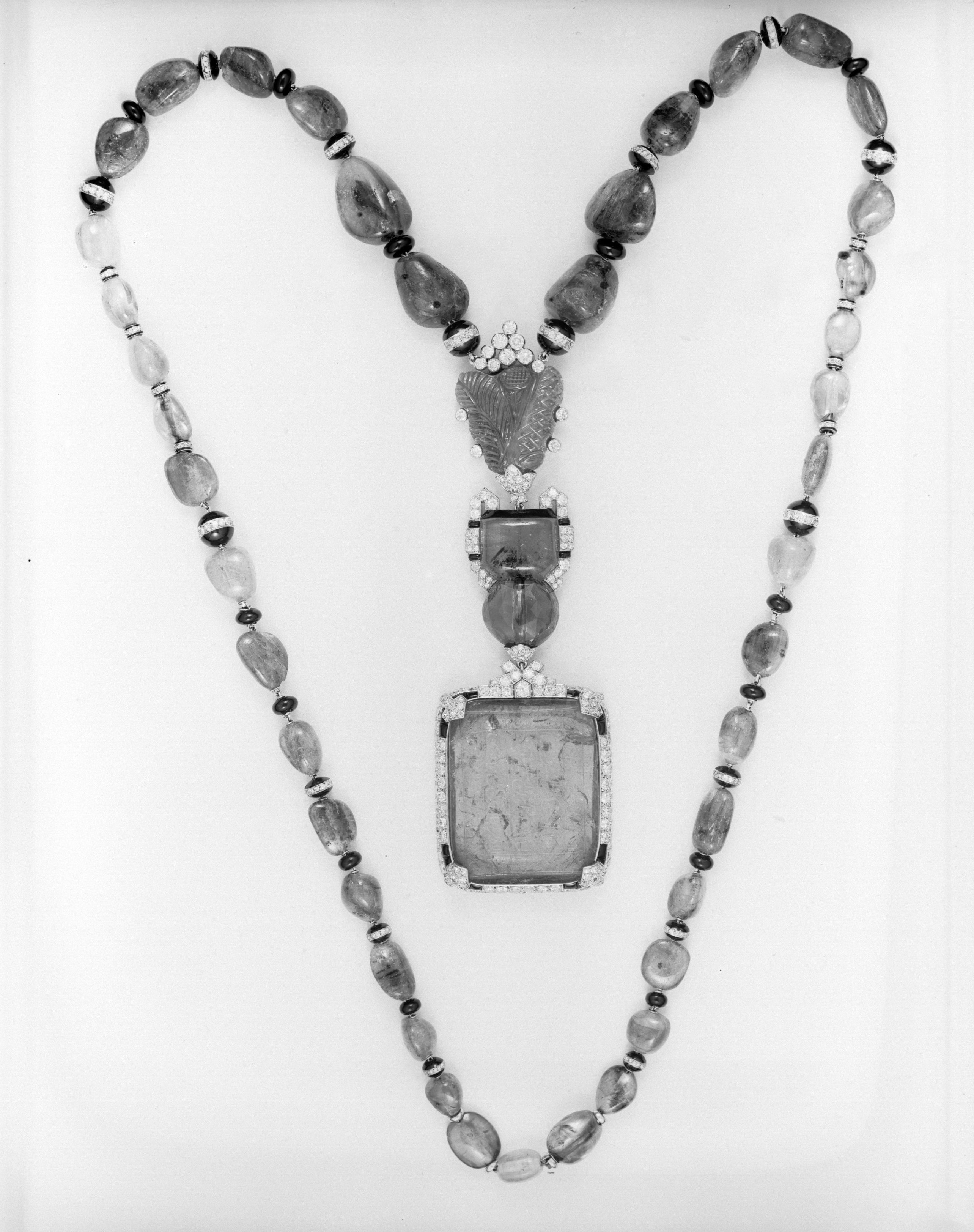
While the princess cultivated a discriminating eye for Western fashion in terms of clothing, it is noteworthy that her jewelry reflected more Indian tastes, as if in tribute to the Aga Khan's cultural origins. Her style—blending West and East, tradition and modernity—was totally in tune with the vogue for Art Deco that was then at its zenith, with its fascination for faraway civilizations.
1933 saw the birth of the Begum’s son, Prince Sadruddin. She was a loving mother and played an important role in his upbringing. He would retain fond memories of her throughout his life and shared her sense of refinement, also becoming a loyal Cartier client.
The princely couple divorced in 1943, the Aga Khan declaring: “Our union was for many years as harmonious as it was happy.”