
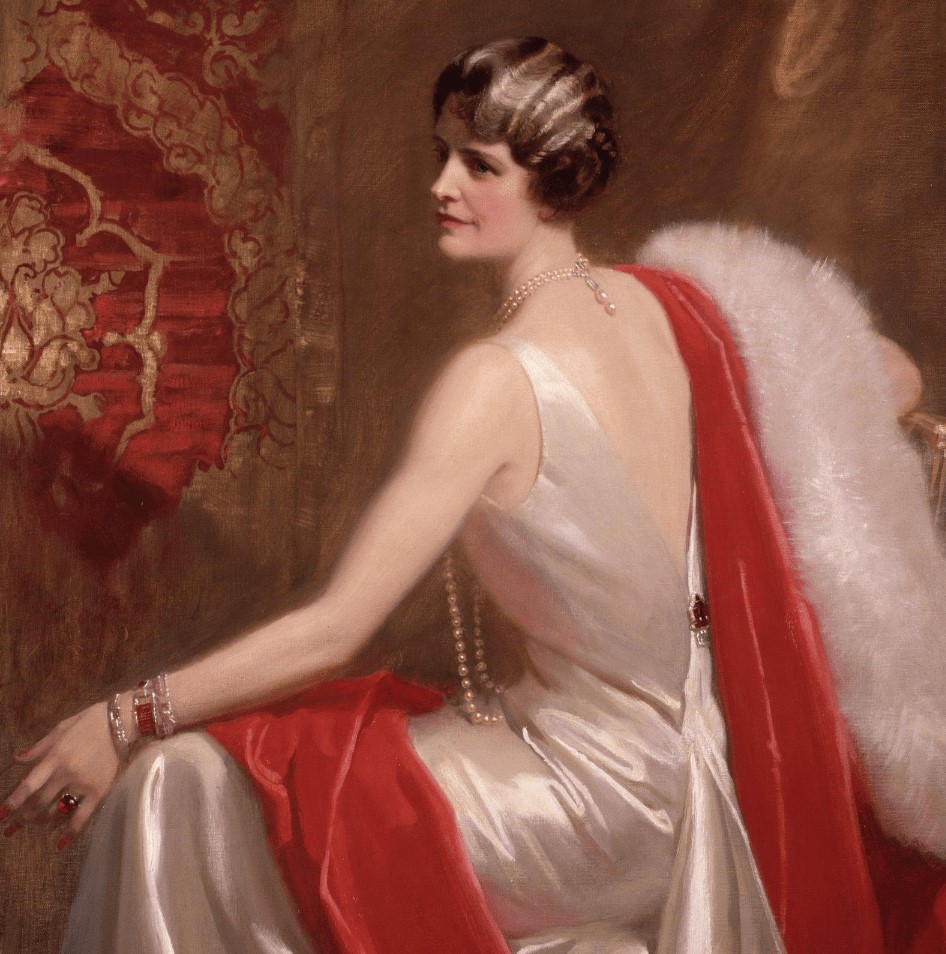
Marjorie Merriweather Post (1887–1973) was an American businesswoman and philanthropist, renowned for her interest in objets d’art, antiques, and the decorative arts of 18th-century France. A keen jewelry collector, she ranked among Cartier New York’s most distinguished clients.
Marjorie Merriweather Post was born in Springfield, Illinois, on March 15, 1887. Her father started out selling farm machinery before striking it rich in the breakfast cereal industry with a nutritious blend of wheat, molasses, and bran marketed as an early form of muesli. He soon began training his daughter in business, taking her along on company trips. But his health was poor and he died when she was 27, leaving her as sole heiress to the family empire – and the wealthiest woman in the United States. Now director of the Postum Cereal Company, she anticipated the social changes to come, such as women’s emancipation, and understood how they would affect consumer behavior. Foreseeing the advantages of frozen food, she invested in products that would save women time in the kitchen. She remained at the helm of the company until 1958, by which time it had been transformed into the mighty General Foods Corporation.
Post was a member of Café Society, socializing with art lovers and major collectors. She was introduced to 18th-century decorative arts by British dealer Sir Joseph Duveen, studied the tapestries in New York’s Metropolitan Museum of Art, and also took an interest in Native American art.
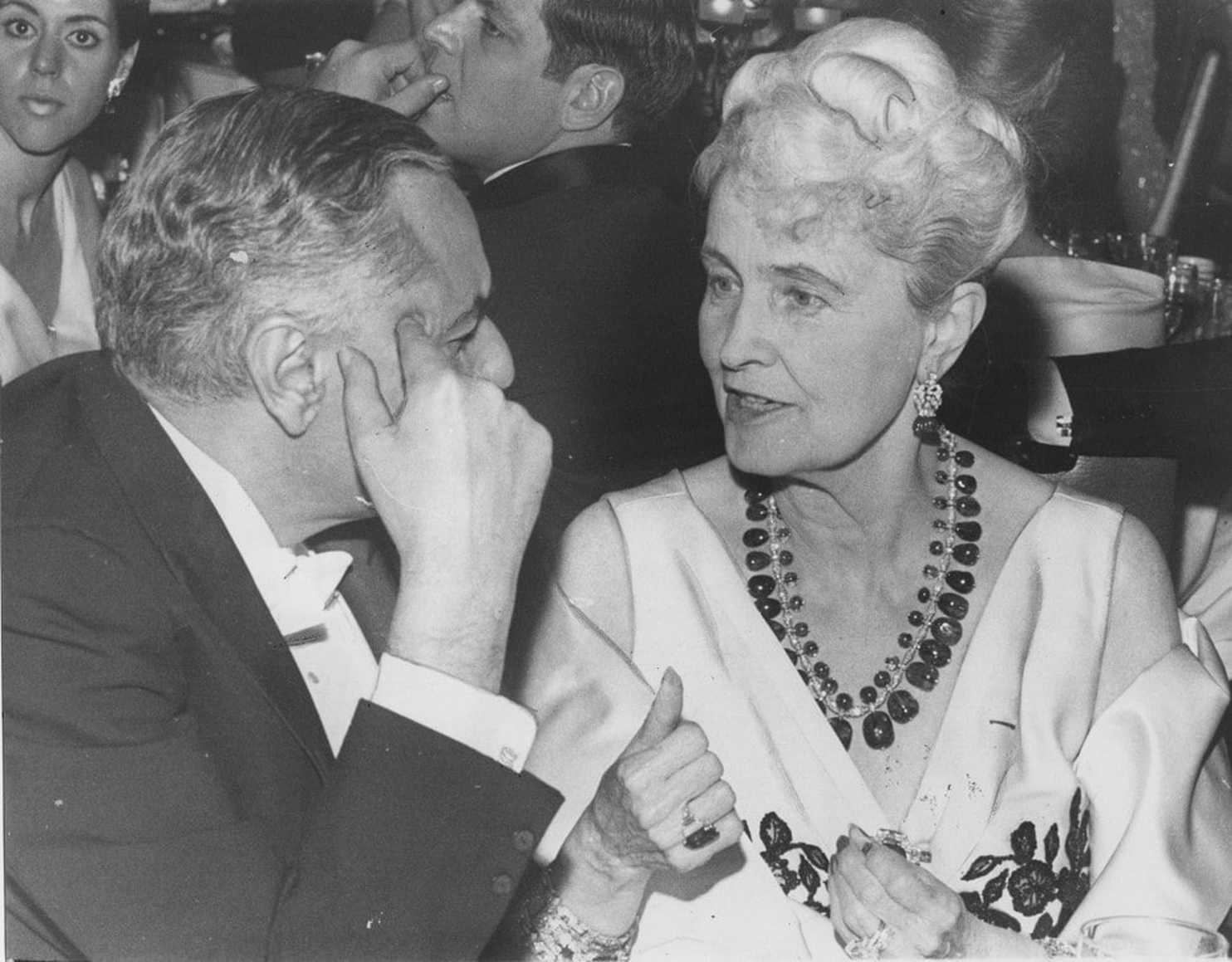
Her third husband Joseph E. Davies served as US Ambassador to Moscow and he took her on her first visit to Russia. There she became captivated by Russian Orthodox art, at a time when the Soviet Union was beginning its campaign to strip all religious buildings of their treasures. Keen on preserving this heritage, she accumulated almost 200 decorative objects and liturgical treasures – such as votive icons, chalices, and ceremonial vestments – that bear witness to the Russia of the Tsars.
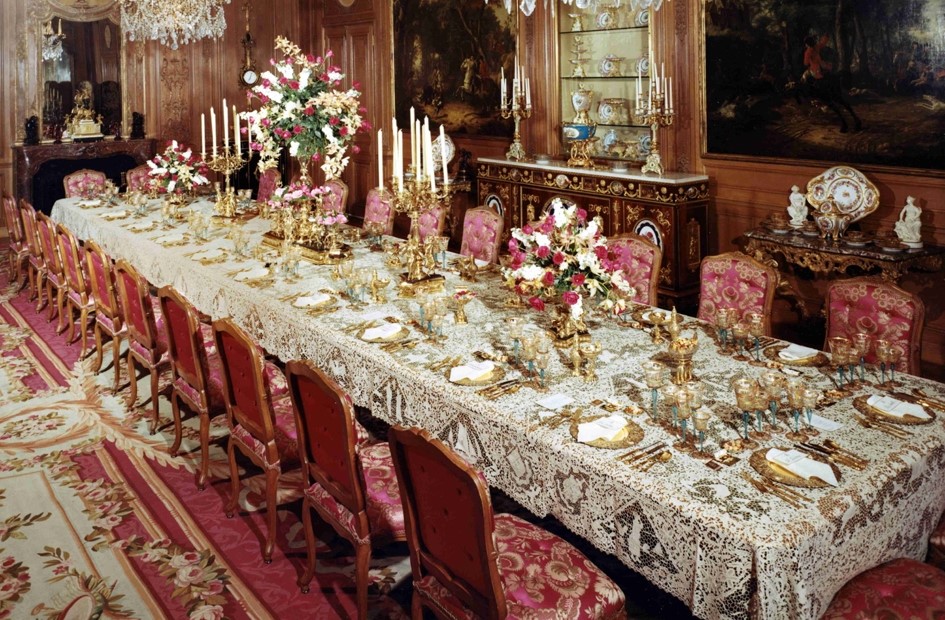
In 1955 Post moved into the Hillwood estate in the outskirts of Washington DC, designing its interior to serve both as a home and as a place to showcase her collections. In due course Hillwood was converted into a museum, in accordance with her wishes, and it now houses one of the most extensive decorative arts collections in the United States, including 18th-century French paneling and furniture. Post organized a stream of glittering soirées and charity events during her time in residence there. She was an accomplished hostess, seating her guests at elegant tables set with Russian Imperial tableware, embroidered tablecloths, and silverware.
Marjorie Merriweather Post, an illustrious client of Cartier New York
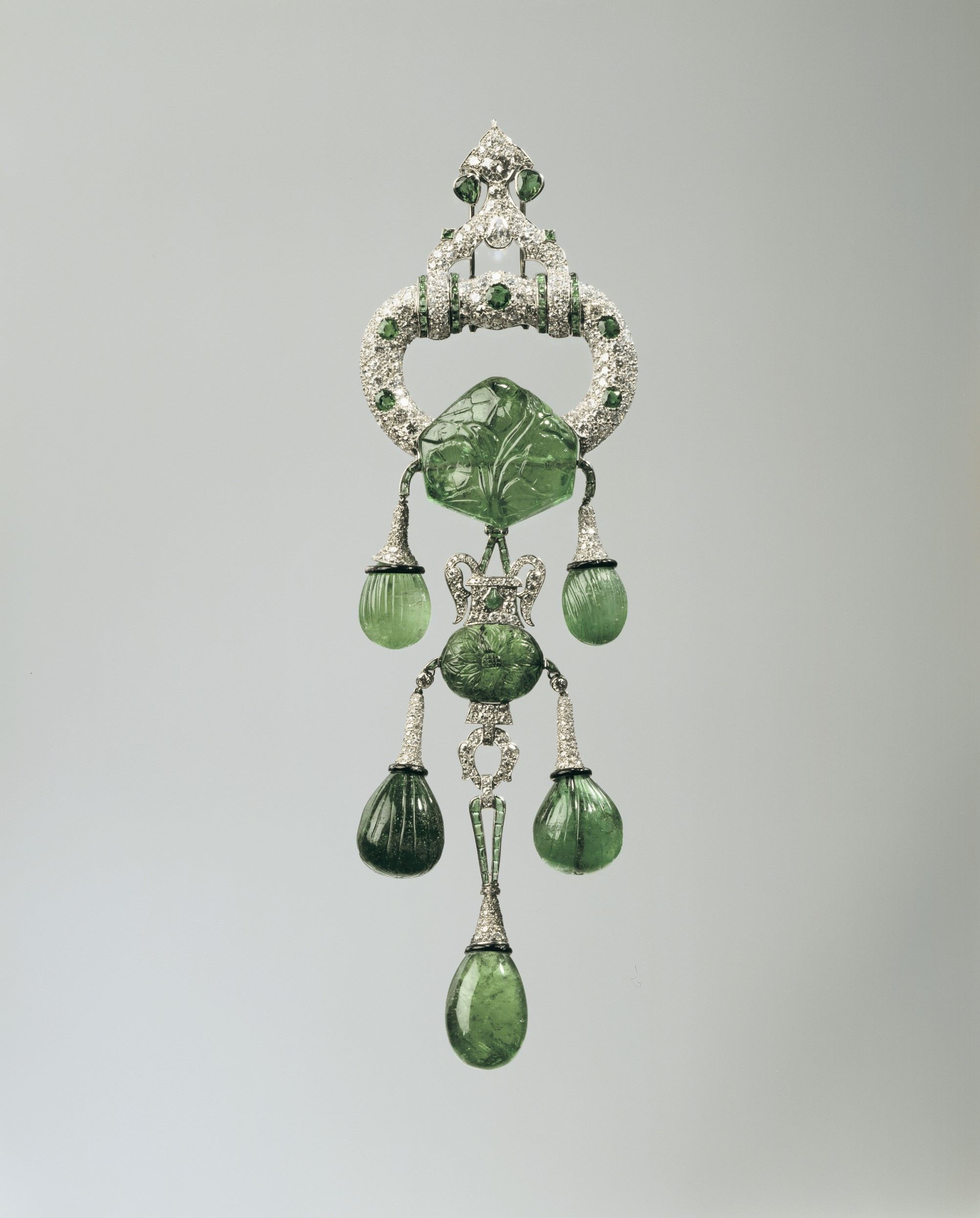
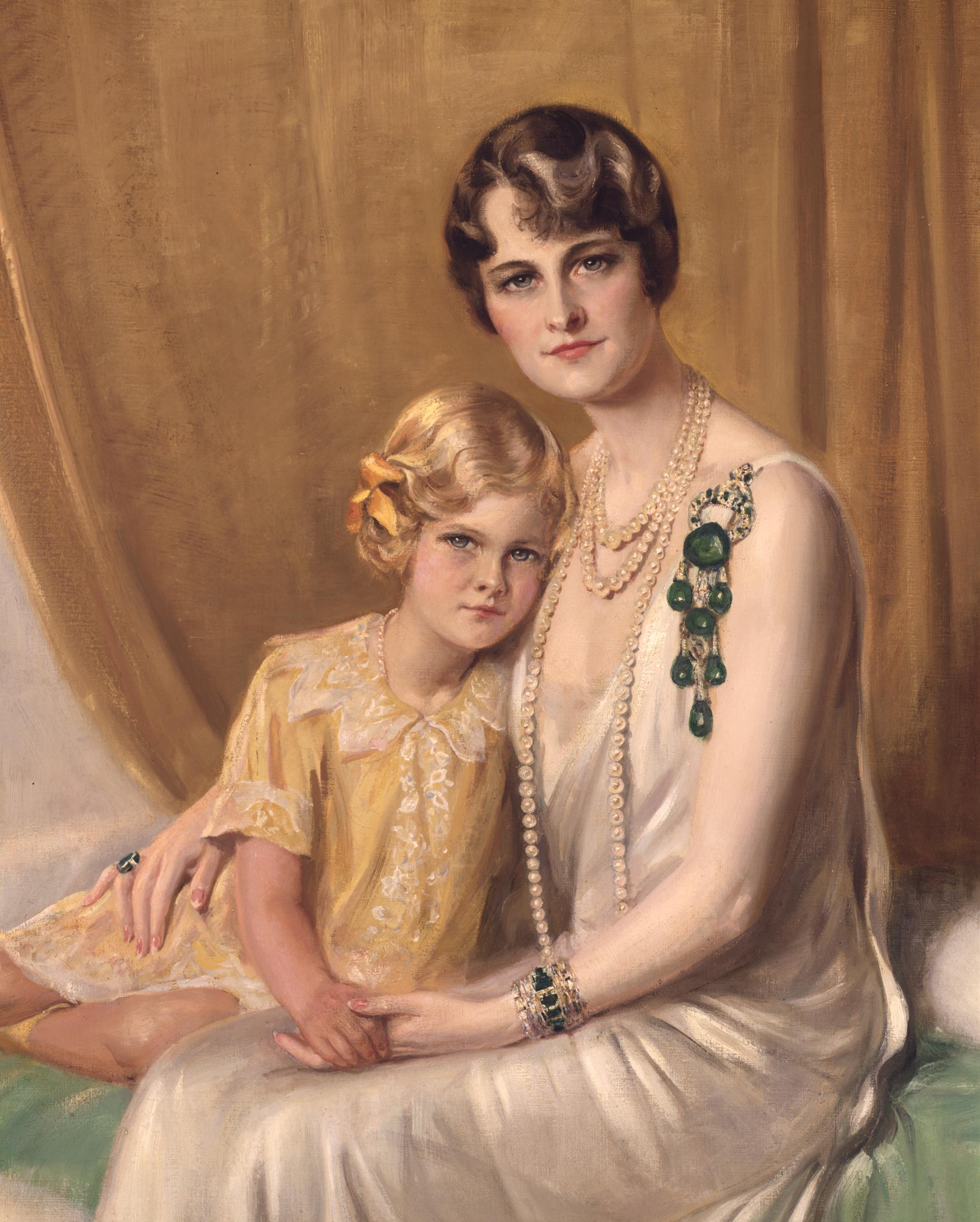
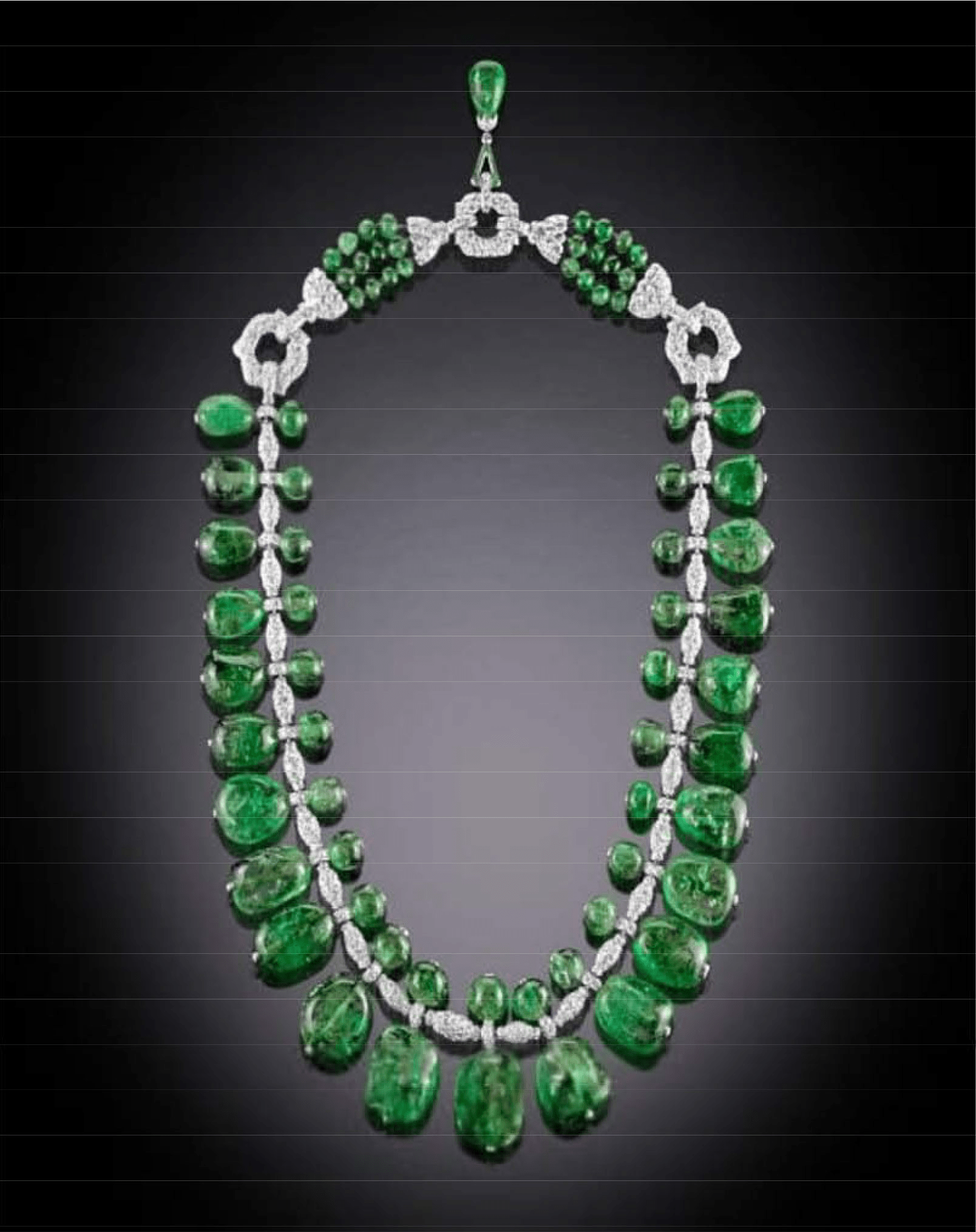
With her keen eye, Marjorie Merriweather Post was also a connoisseur of gemstones and jewelry. Some estimations place her among Cartier New York’s most important clients of the 20th century. Among her most regal commissions was a shoulder brooch crafted in 1928 – reworking a Cartier London pendant design from 1923 – featuring seven carved Mughal emeralds dating back to the 17th-century and totaling 250 carats.
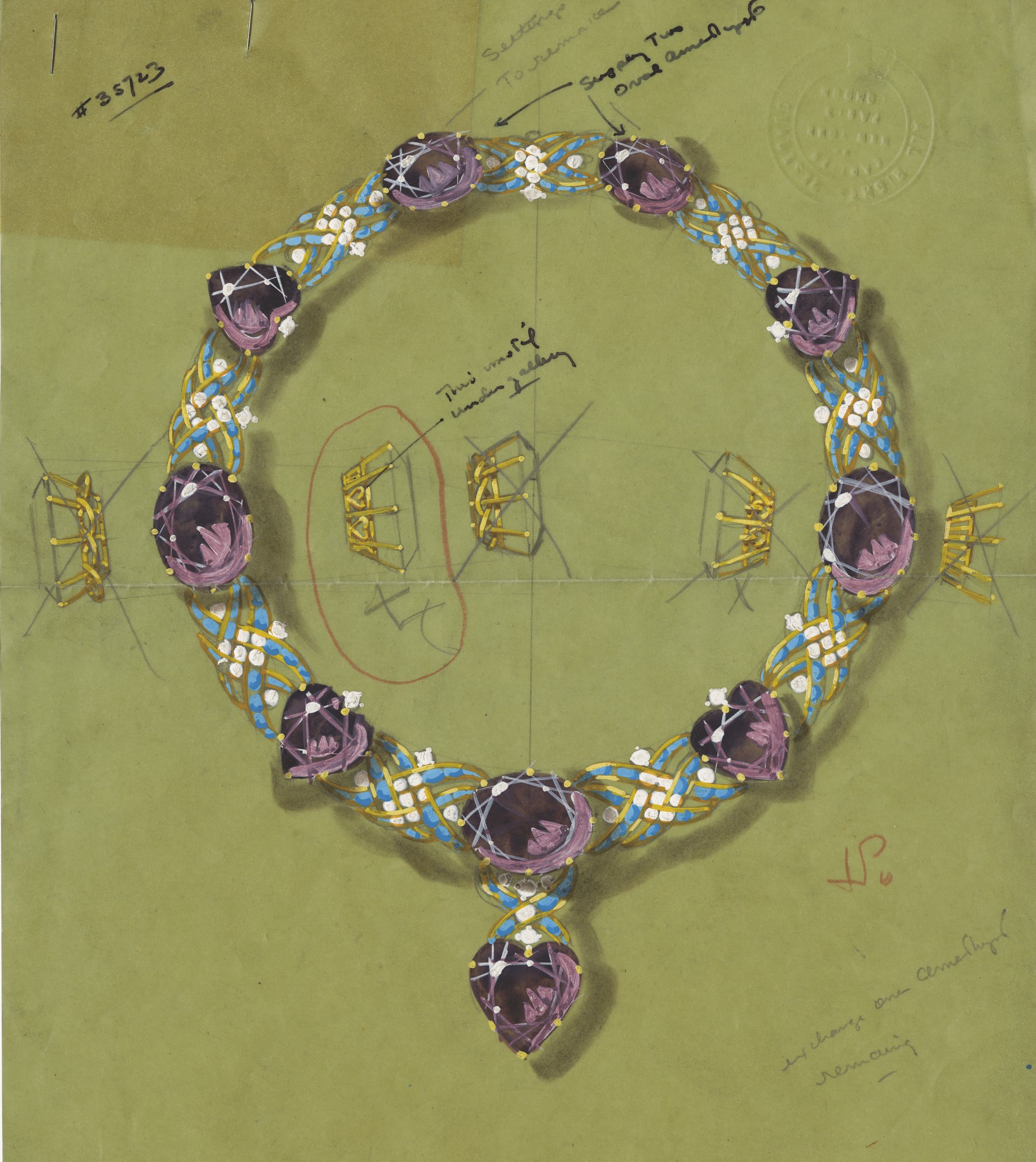
Cartier’s designs through the 1940s and ‘50s reflect the Maison’s esthetic explorations of three-dimensional volume and combinations of materials. Different colored stones and metals were juxtaposed to form new, bold palettes. Marjorie Merriweather Post's yellow gold, amethyst, and turquoise necklace from 1950 is a perfect illustration of the trend. This daring color combination was first seen on the Duchess of Windsor when she wore a Cartier necklace with similar stones, designed in 1947. Post’s love of fine jewelry also led her to possess some very prestigious pieces that are now kept in Washington’s Smithsonian Institution.
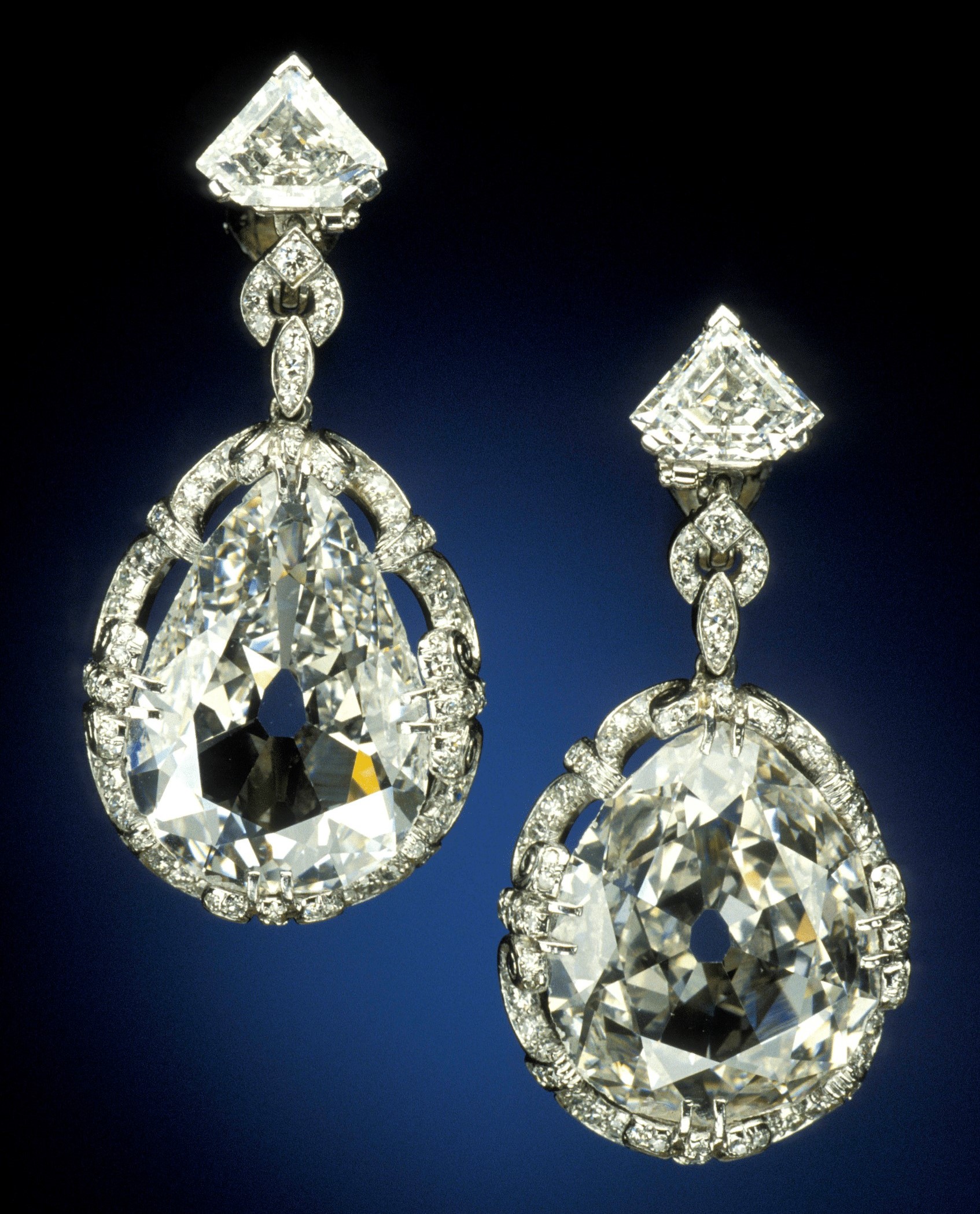
In a deal brokered by Cartier in the late 1920s, she had acquired a pair of pear-shaped diamond drop earrings, said to have been found in Marie-Antoinette’s pocket when she was arrested at Varenne. Post had them altered by Cartier.
She also bought home accessories from Cartier New York, especially picture frames. Over time she built up a collection of over 100 frames, each artfully chosen to match a specific portrait – whether photographic or painted – and showing its subject and its colors off to best advantage. The frames commissioned during the 1920s, made of agate, enamel, or onyx highlighted with colored stones, are particularly remarkable.
In December 2017 one of these frames was sold at auction, along with many other pieces belonging to the Post family, on behalf of Antal Post de Bekessy’s daughter – Marjorie Merriweather Post’s great-granddaughter. Spanning furniture, paintings, sculptures, and objects, the 700 lots in the auction attested to the family’s interest in esthetics and culture, evident in a collection begun at the dawn of the 20th century by the businesswoman and socialite.