
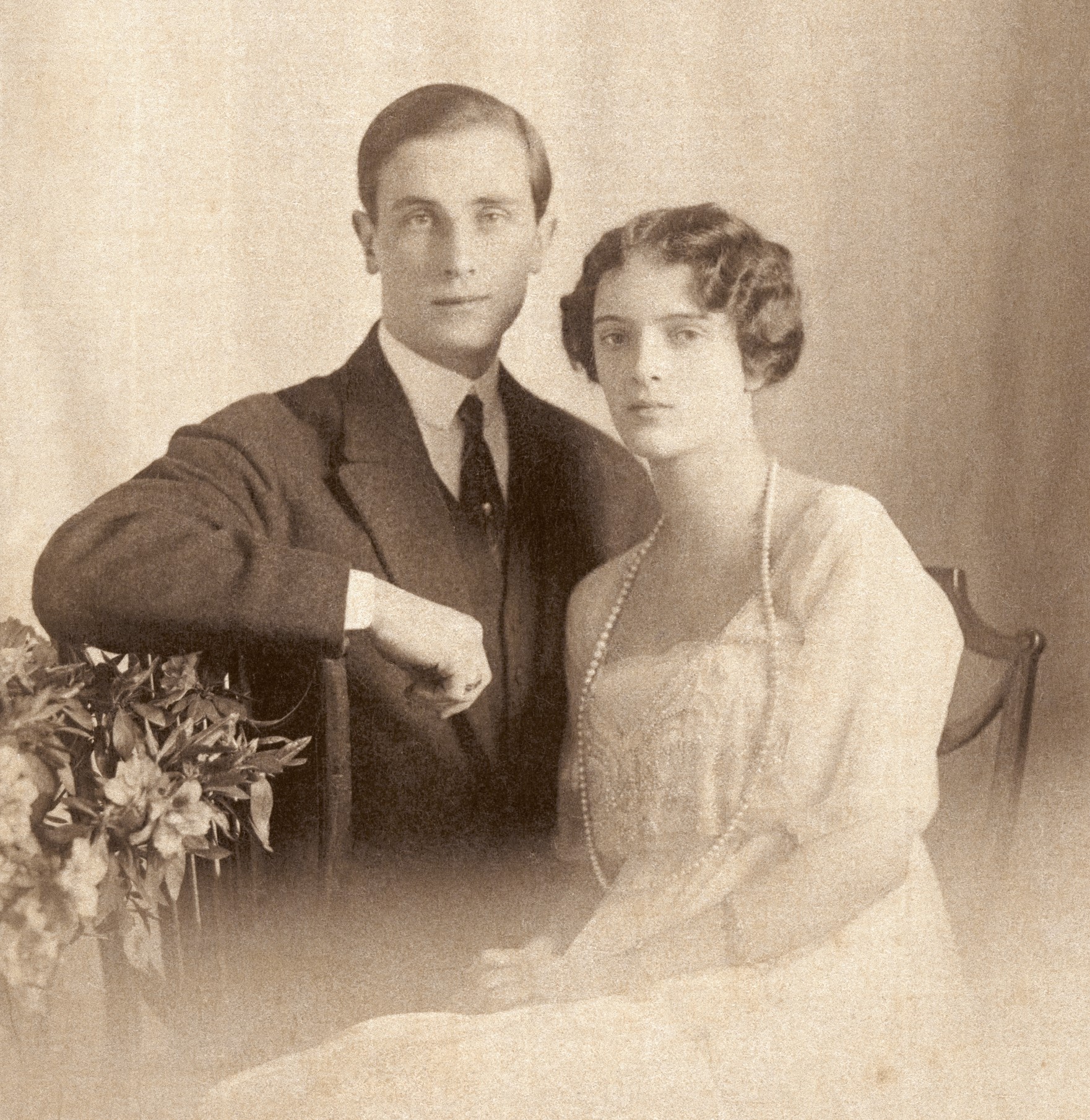
Princess Irina Alexandrovna (1895–1970) was niece to Russia’s last Emperor, Tsar Nicholas II. In 1914 she wed Prince Felix Yusupov (1887–1967), who famously plotted the murder of Rasputin. The couple left Russia after the 1917 revolution to settle in Europe, taking part of their fine collection of artworks and jewelry with them.
Prince Felix, sole heir of the Yusupov dynasty
Born in St. Petersburg on March 11, 1887, Felix Yusupov became the only remaining scion of the House of Yusupov on the untimely death of his older brother, Nicholas, in 1908. The princely family descended from Tatars was said to have made a fortune through its vast land holdings and shares in numerous businesses across the country. Prince Felix inherited a great number of estates from his mother Princess Zinaida Yusupova, along with one of Russia’s finest collections of artworks and a treasure trove of jewels and precious gemstones passed down from their ancestors. It included many historical pieces, such as a pair of diamond earrings renowned for having belonged to Marie-Antoinette, and some Cartier jewelry purchased from the early 20th century onward.
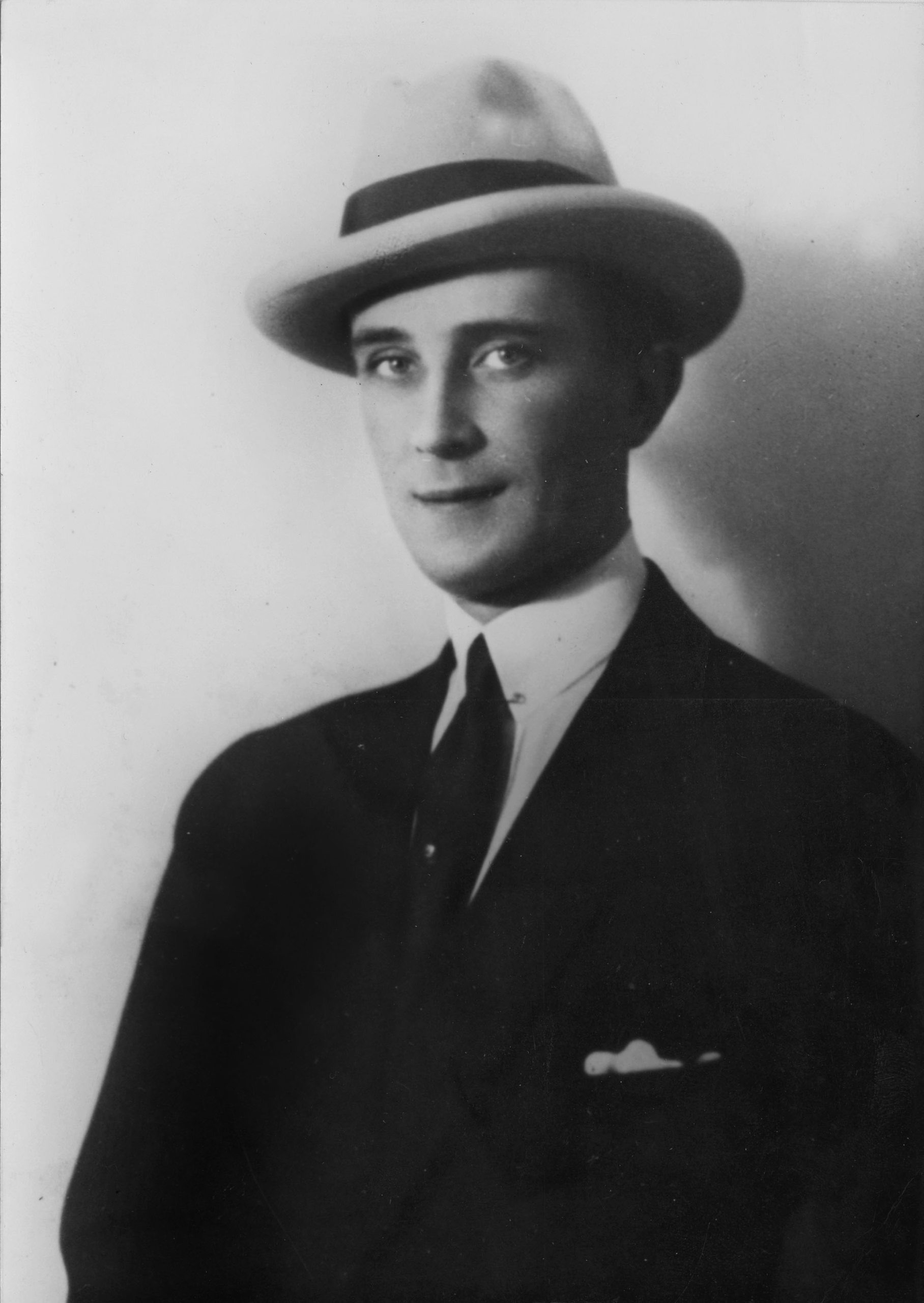
After an untroubled childhood in Moscow, the prince divided his time between Russia, his European travels, and studying at Oxford, where he ran the automobile club and founded The Oxford Russian Club (or Oxford Russian Society). His first contact with Cartier was in 1908, when the Maison held its inaugural saleroom exhibition in St. Petersburg. The prince bought a selection of watches from among the designs on show. In 1912 he augmented his collection with a basket pendant watch in platinum, diamond and translucent enamel, crafted by the Maison in 1909 after the Louis XVI style in vogue at the time. The following year, he purchased a veil pin with a fine pearl tip, perhaps as a gift for his wife-to-be Princess Irina. Both these pieces are now held in the Cartier Collection.

A princely wedding
In 1913 the Yusupov family announced the engagement of Prince Felix to Princess Irina Alexandrovna, the eldest child and only daughter of Grand Duke Alexander Mikhailovich and Grand Duchess Xenia Alexandrovna of the Romanov dynasty. A renowned beauty, the princess was niece to Tsar Nicholas II through her mother and a great-granddaughter of Tsar Nicholas I through her father’s line. Irina and Felix’s wedding was a grand occasion in the Russian social calendar. It also marked one of the last high society gatherings before the First World War and the events of 1917.
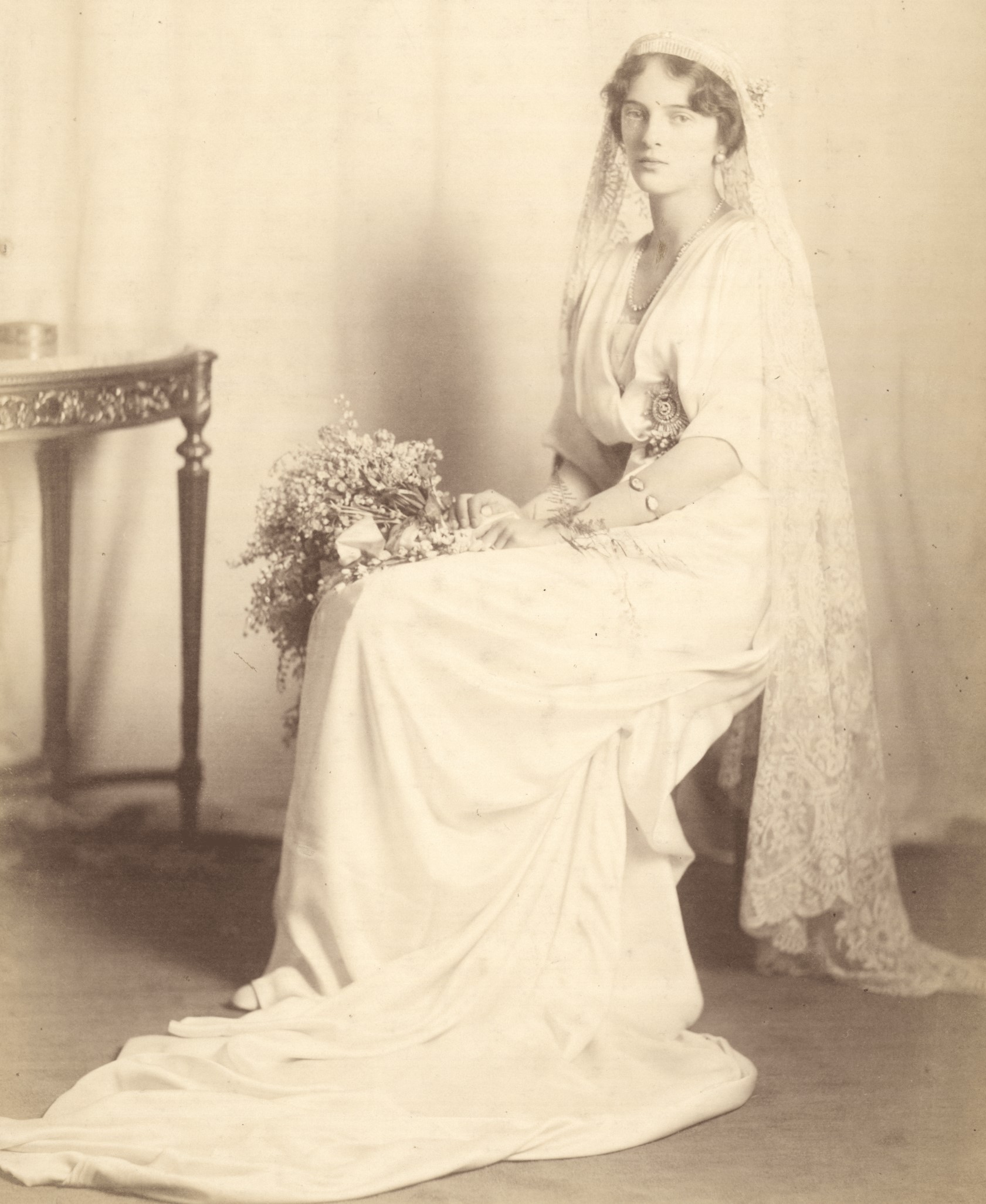
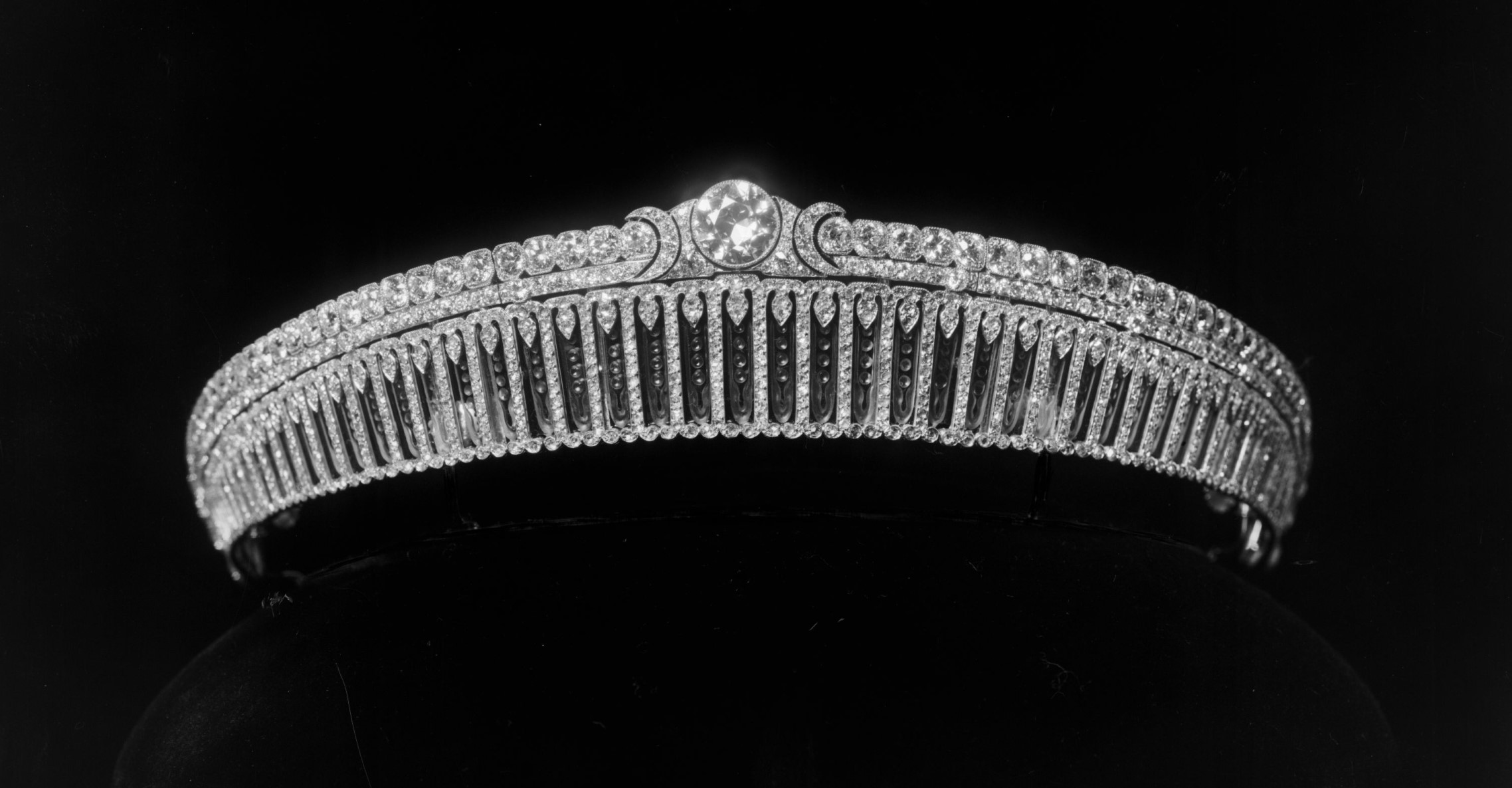
Among her wedding gifts, Irina received several pieces by Cartier. One of these, a tiara crafted in 1911, she wore during the wedding ceremony held at St. Petersburg’s Anichkov Palace on February 22, 1914. This piece is especially emblematic of Cartier’s expertise, subtly juxtaposing the brilliance of diamonds with the transparency of rock crystal, a precious material that was not widely used in jewelry at the time because it is so difficult to cut. Cartier had already grasped its esthetic potential in the early days of the 20th century and employed it – usually polished – to diffuse the light in monochrome compositions. This tiara, featuring rock crystal cut into astonishingly delicate baguette shapes, is a supreme example of this type of design. Its linear purity and predominantly geometrical motif also distinguish it as one of the earliest pieces of the so-called “modern style” that ushered in the Art Deco period after the turn of the 20th century.
A life in exile
In late 1916, in the depths of wartime, Russia was plunged into a deep crisis. Many at court suspected the mystic Rasputin of having a dangerous influence on the royal family. Felix Yusupov vigorously opposed the charismatic monk and plotted against him with several fellow noblemen. In early 1917 Yusupov was found guilty of involvement in the affair that led to Rasputin’s assassination. The Yusupovs were banished from St. Petersburg and placed under house arrest at their Rakitnoye estate in western Russia. A few months later, when the revolution broke out and the Tsar abdicated, the Yusupovs moved to the Crimea where some of their family and friends lived, including the Dowager Empress Maria Feodorovna. In 1919 they left Russia for good on board the HMS Marlborough, staying briefly in Italy and then in England, before settling in Paris in 1920.
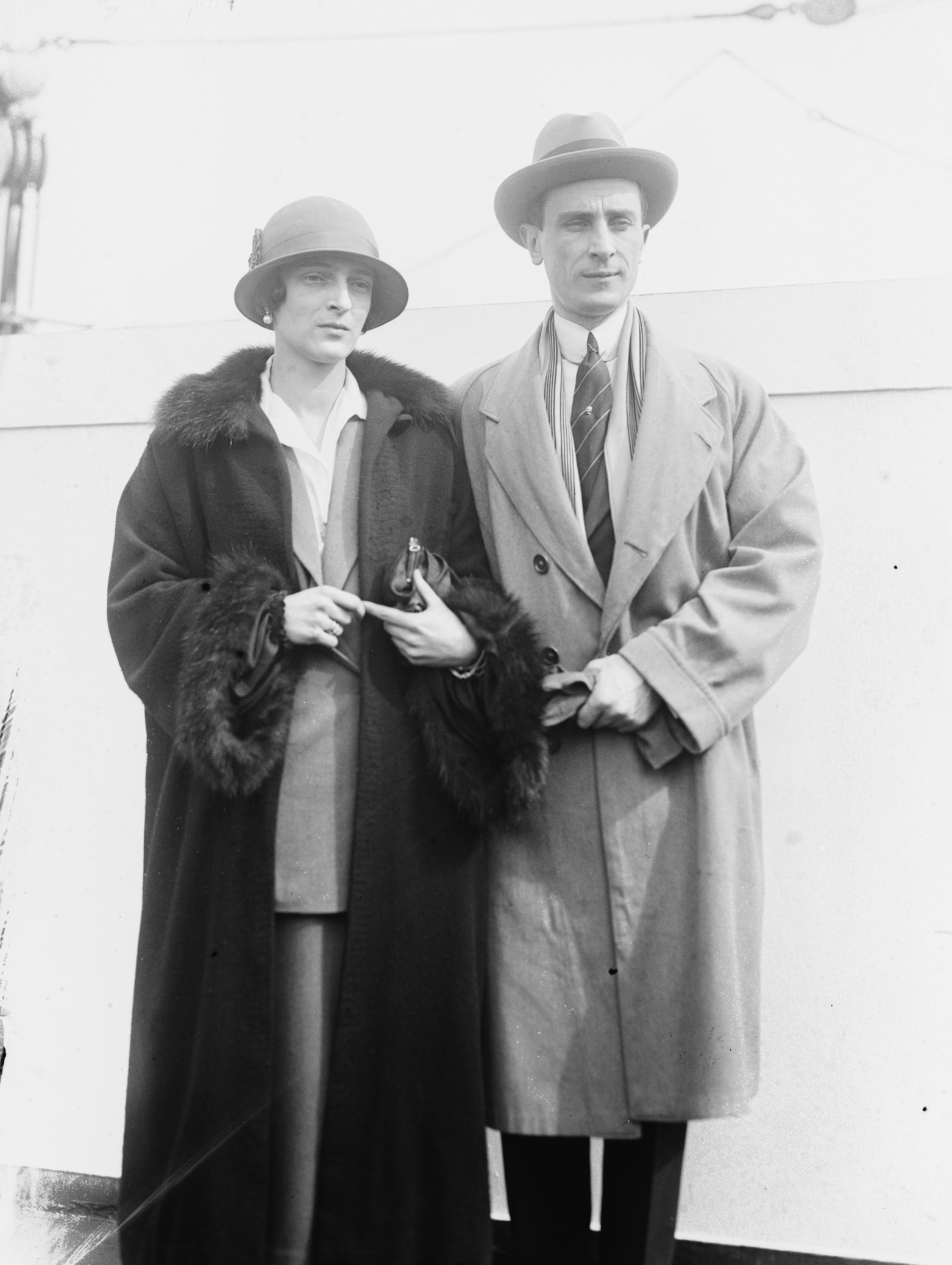
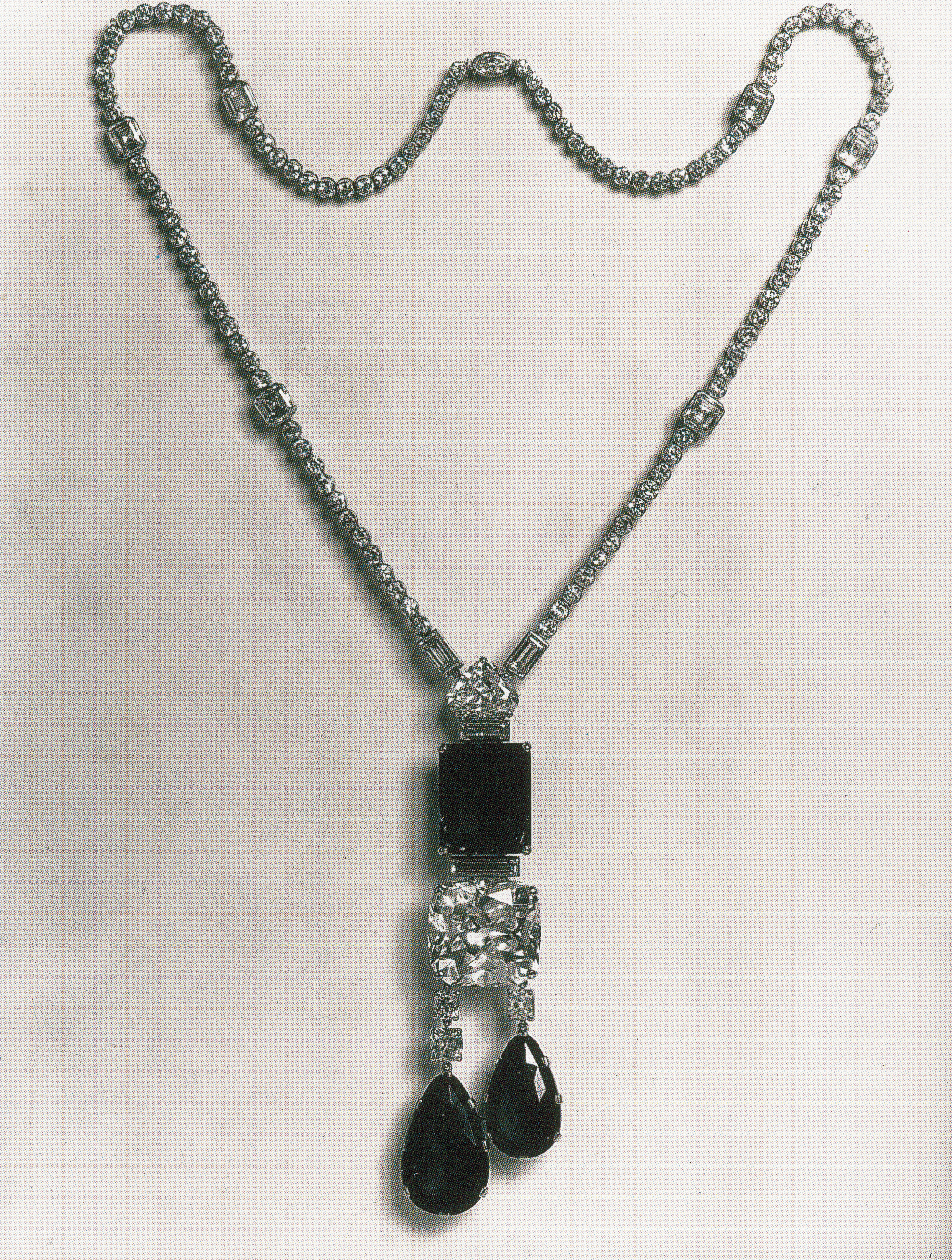
The Yusupovs managed to take part of their art collection with them, as well as some jewelry and gemstones. Felix called on Cartier’s expertise to facilitate the sale of several pieces during the course of the 1920s. The arrangement involved a drop emerald, a pair of diamond earrings that had ostensibly belonged to Marie Antoinette, the 35.67-carat gray diamond known as the Sultan of Morocco and the celebrated Polar Star diamond. The Polar Star was an impressive cushion-shaped stone weighing 41.28 carats, which Cartier mounted on a diamond and emerald necklace sold to Lady Deterding in 1928.

The Maison also acquired the 17.47-carat pink Tête de Bélier (Ram’s Head) diamond – sold to Daisy Fellowes in 1928 – and several natural pearls. Later on the couple would also part with a black pearl, probably also purchased by Lady Deterding, and the so-called Peregrina pearl, sold in Switzerland in 1953.
Even so, part of the Yusupovs’ treasure remained in Russia. In 1925 the Soviet government brought to light a hoard of jewelry that had probably remained hidden in the princely couple’s St. Petersburg palace since they went into exile. Among the pieces examined there were several Cartier designs, including the diamond and rock crystal tiara that Irina wore on her wedding day, which has since disappeared.