
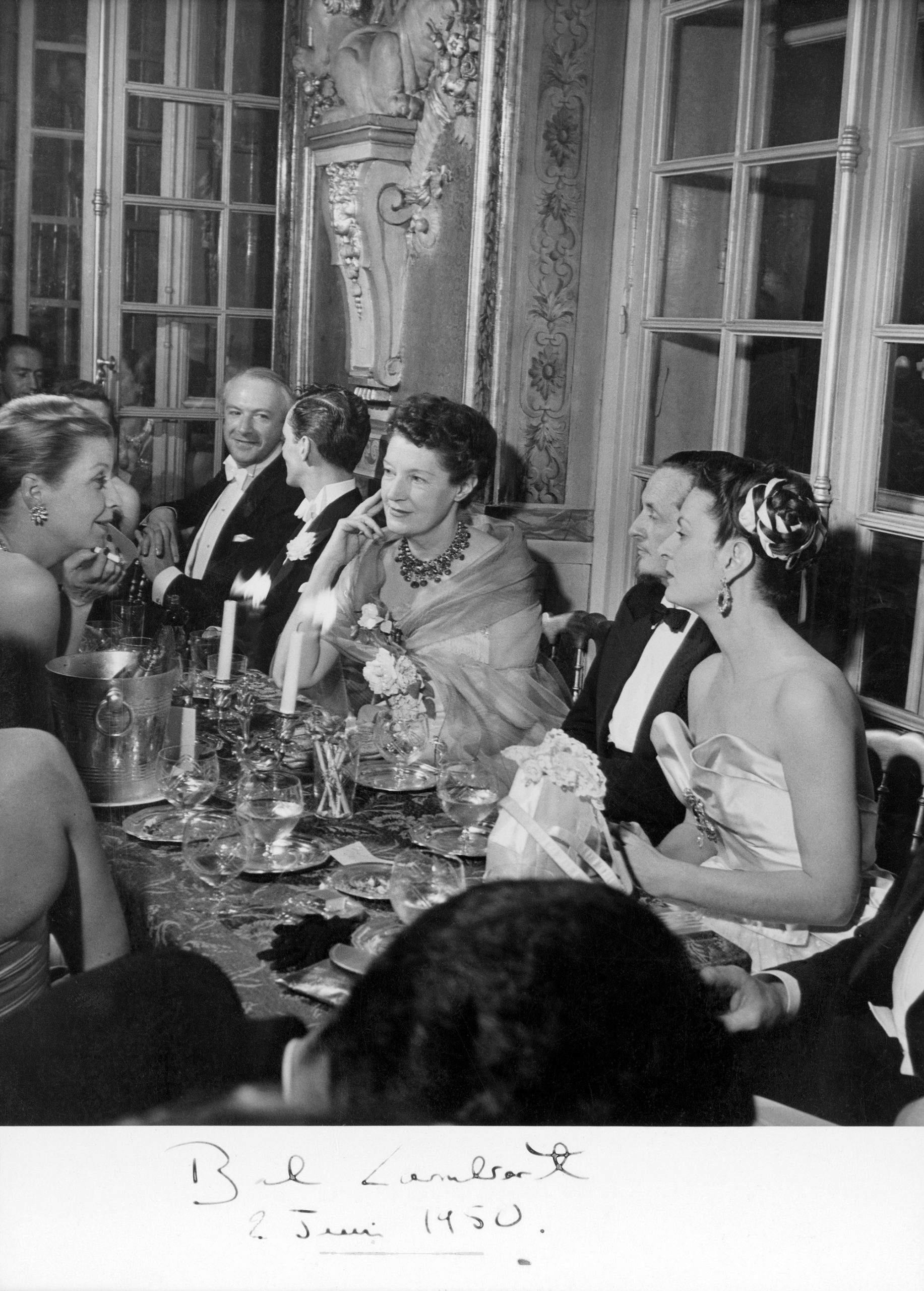
Café Society emerged during the Roaring Twenties, embodied by an upper class with a taste for fine things, and lasted until the early 1970s. Members of this new elite included many Cartier clients such as Daisy Fellowes, the Duke and Duchess of Windsor, Mona Bismarck and Barbara Hutton.
Cosmopolitan and festive
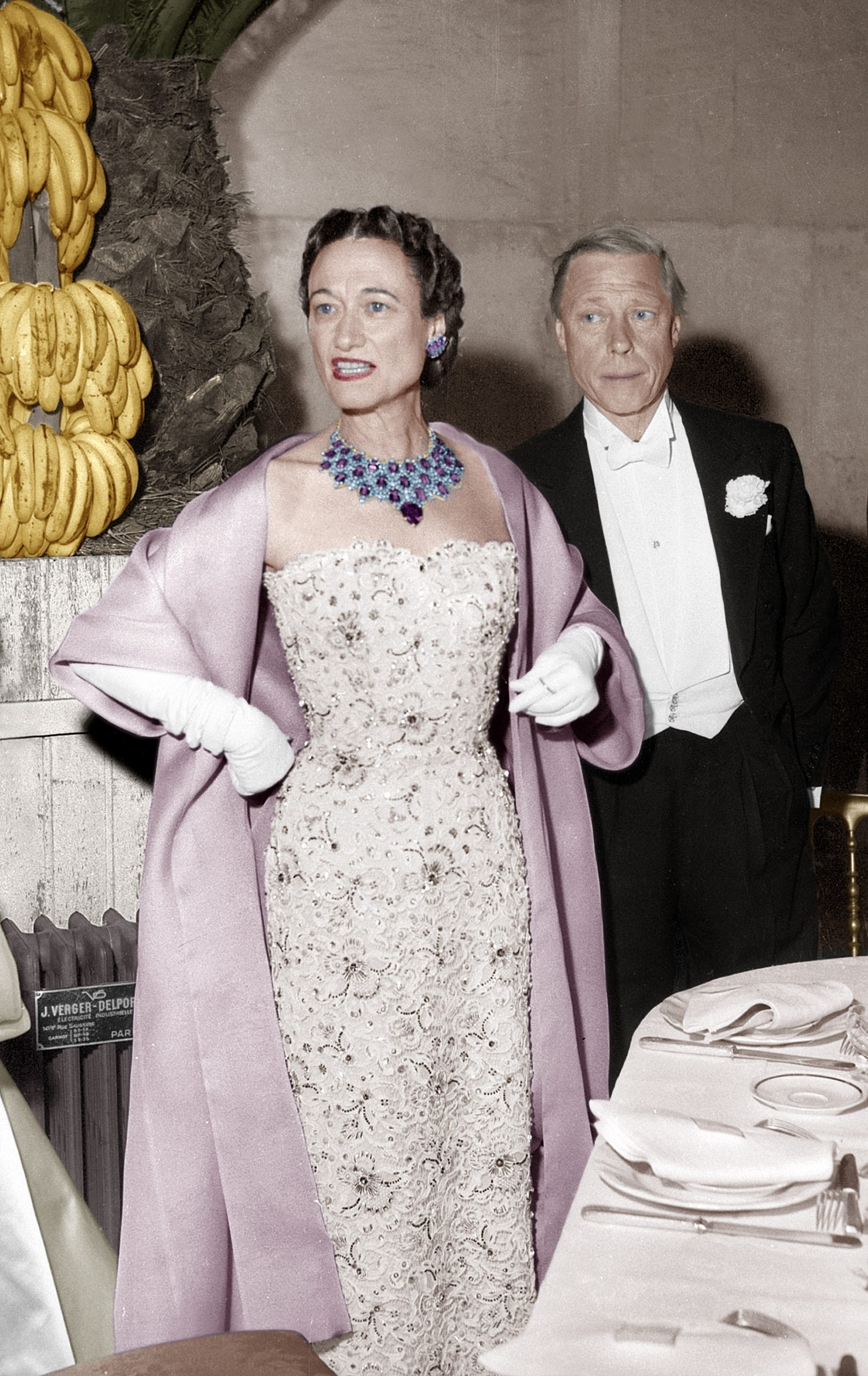
The Café Society microcosm featured aristocrats, socialites, multimillionaires and artists. Their social life was punctuated by receptions whose locations changed with the seasons. In the summer, members gathered in holiday resorts on the French Riviera or in Italy. In the winter, they preferred capital cities like Paris. At their soirées, everyone paid careful attention to their appearance, in particular to the jewelry they wore. This was perfectly illustrated by a ball held at the Orangerie of the Château de Versailles in 1953. There, the Duchess of Windsor paired her amethyst and turquoise draperie or bib necklace, created by Cartier six years previously, with a Christian Dior sheath dress specially designed to showcase the necklace.
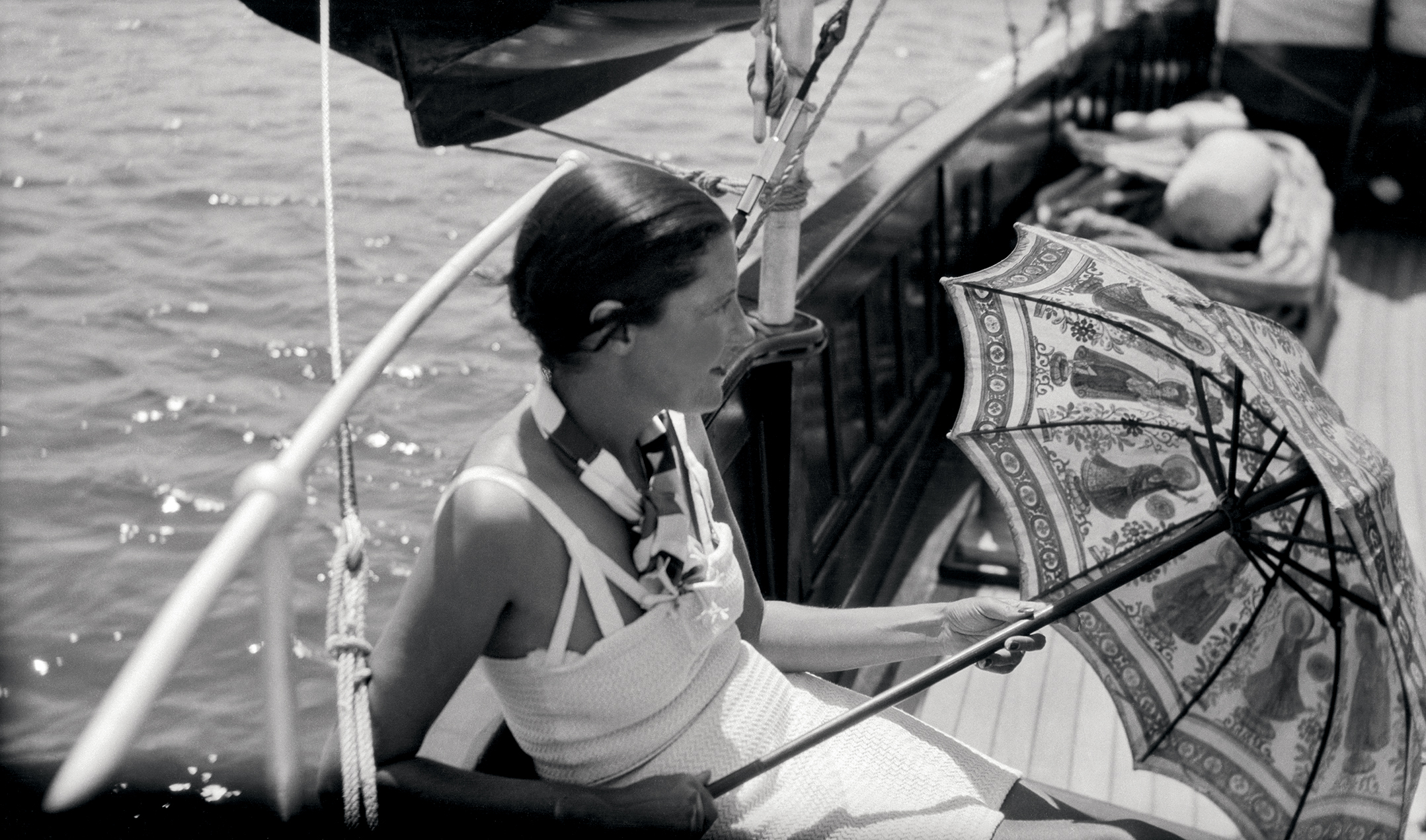
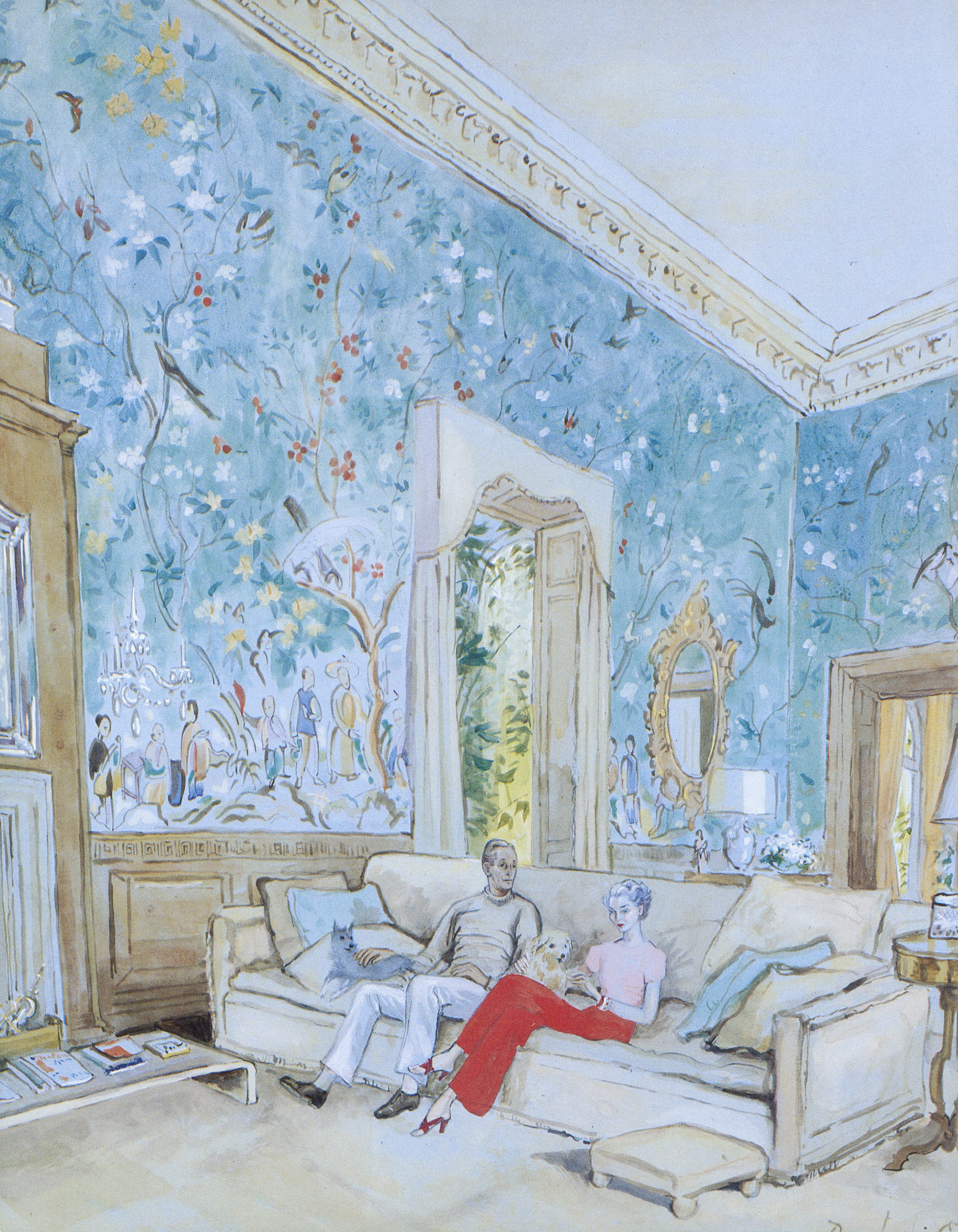
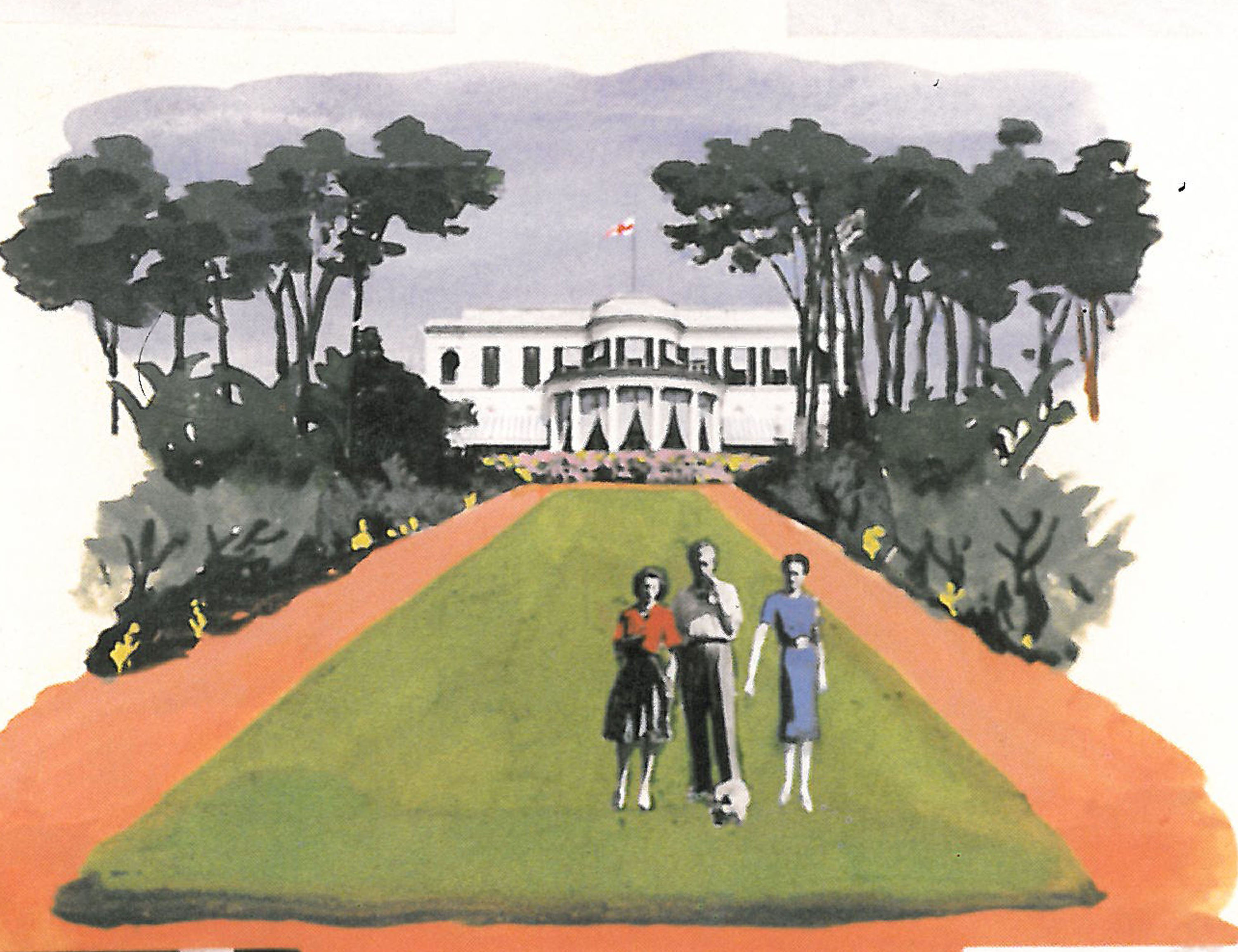
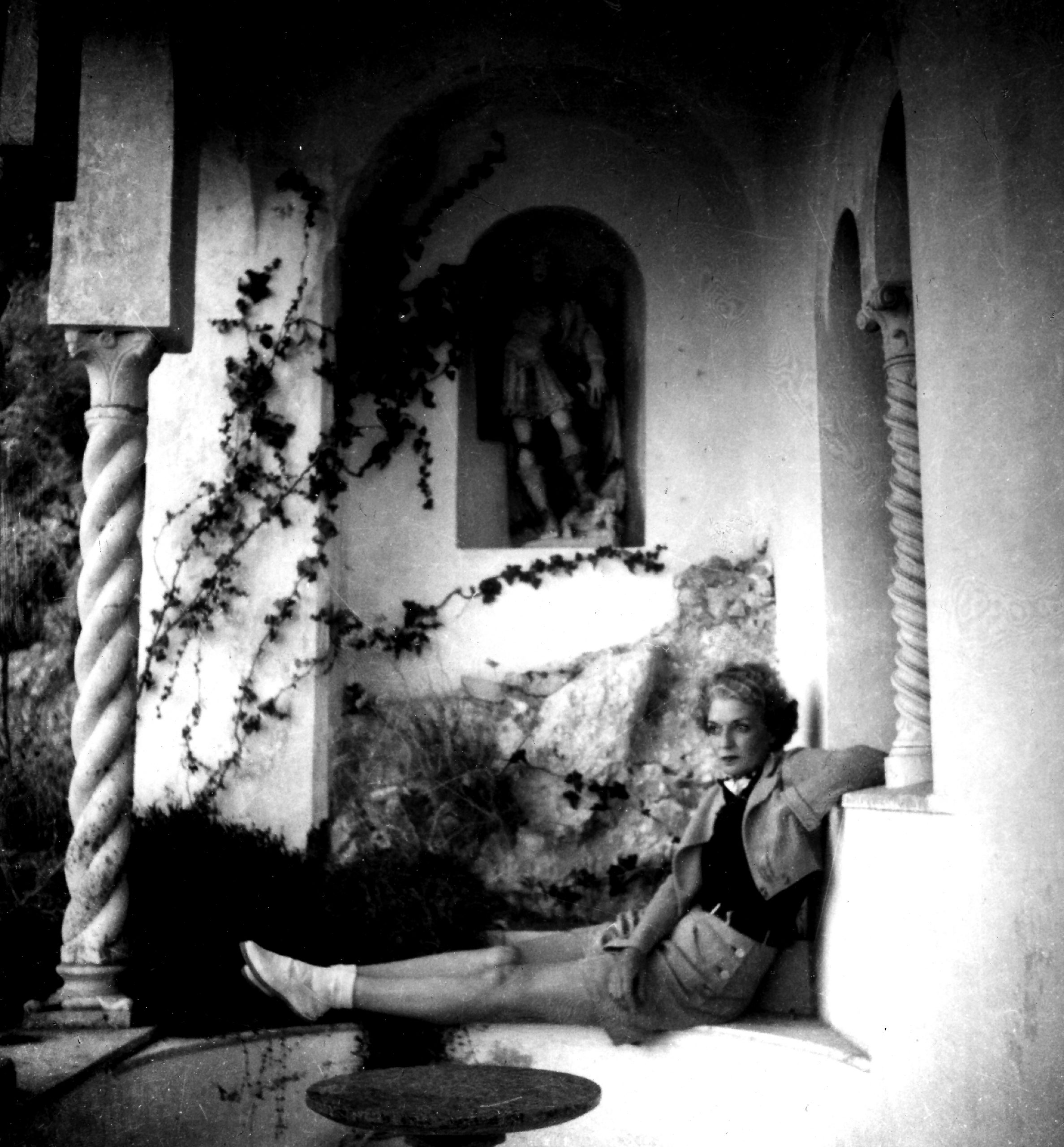
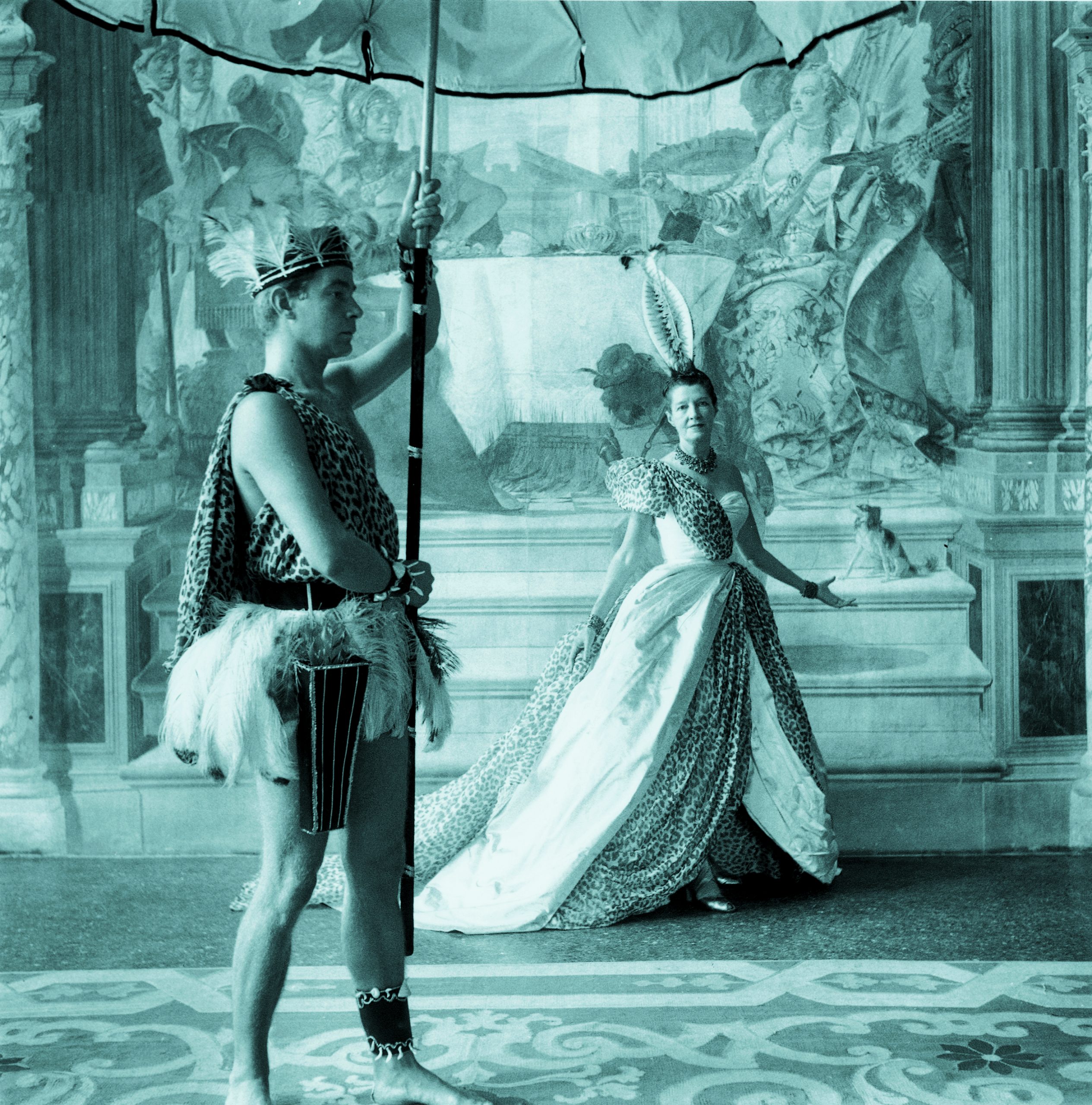
History also remembers the “ball of the century” organized by Charles de Beistegui in Venice on September 3, 1951. A member of the upper crust, he hosted a lavish masked costume ball at the Labia Palace. All the fashionable socialites flocked there, including Barbara Hutton, Jacques Fath, Orson Welles, and Daisy Fellowes, who wore her famous “Hindu” style Tutti Frutti necklace. Created in 1936 by Cartier Paris using stones from three jewels already in her possession—two of which were designed by Cartier at the end of the 1920s—this piece stood out for its profusion of stones and very supple articulated platinum structure.
Cartier and Café Society
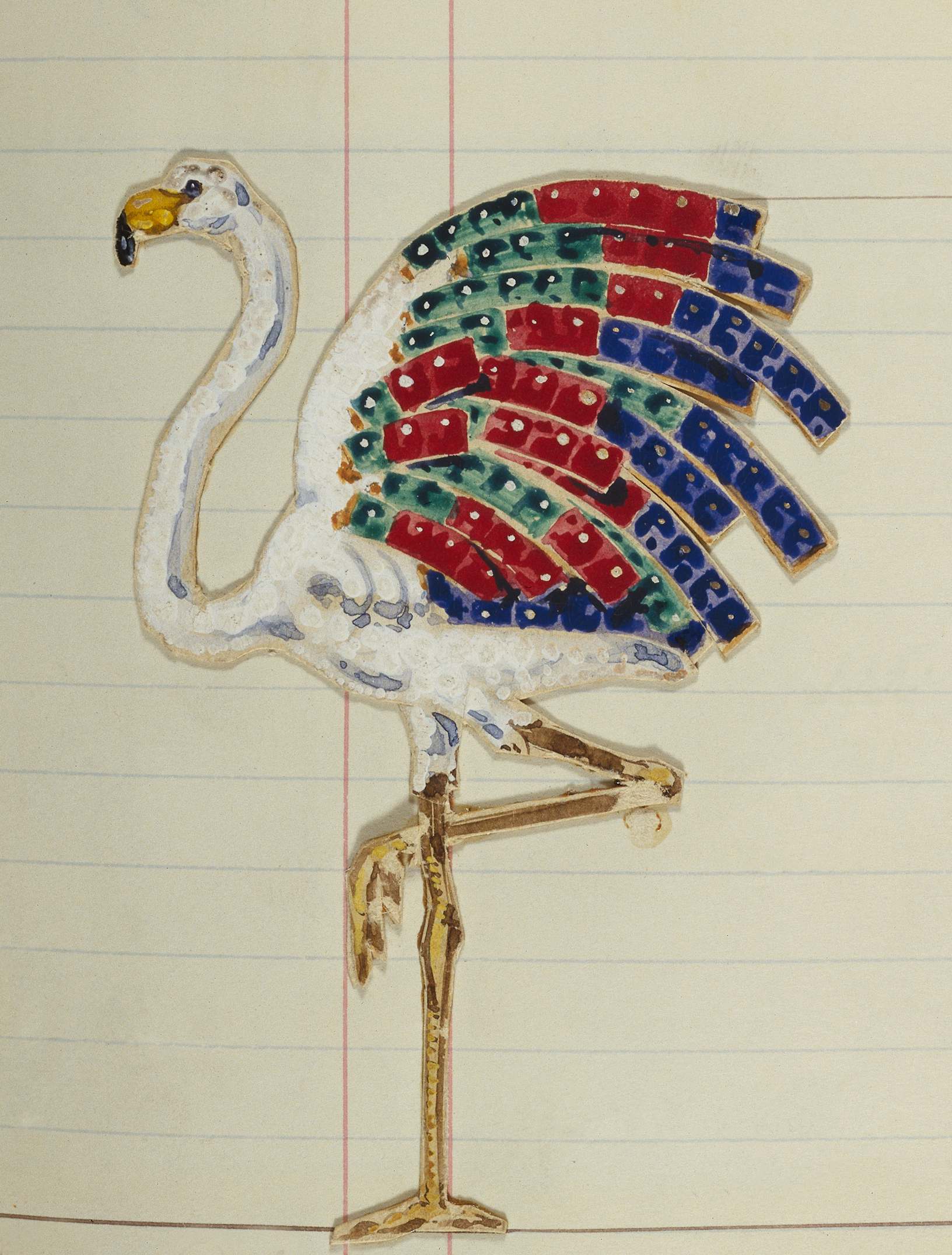
Just like Daisy Fellowes, most Café Society members led a worldly existence dedicated to the art of living. The Duchess of Windsor embodied this lifestyle devoted to elegance. As a key figure of Café Society, she was the quintessential lady of the house, overseeing a soirée’s every detail—from the decorations and the quality of the refreshments, to the china on which they were served. She also loved jewelry and appreciated the flamboyance and volume of Cartier designs. She was particularly drawn to the Maison’s menagerie, as illustrated by a flamingo brooch and jewels depicting the panther.
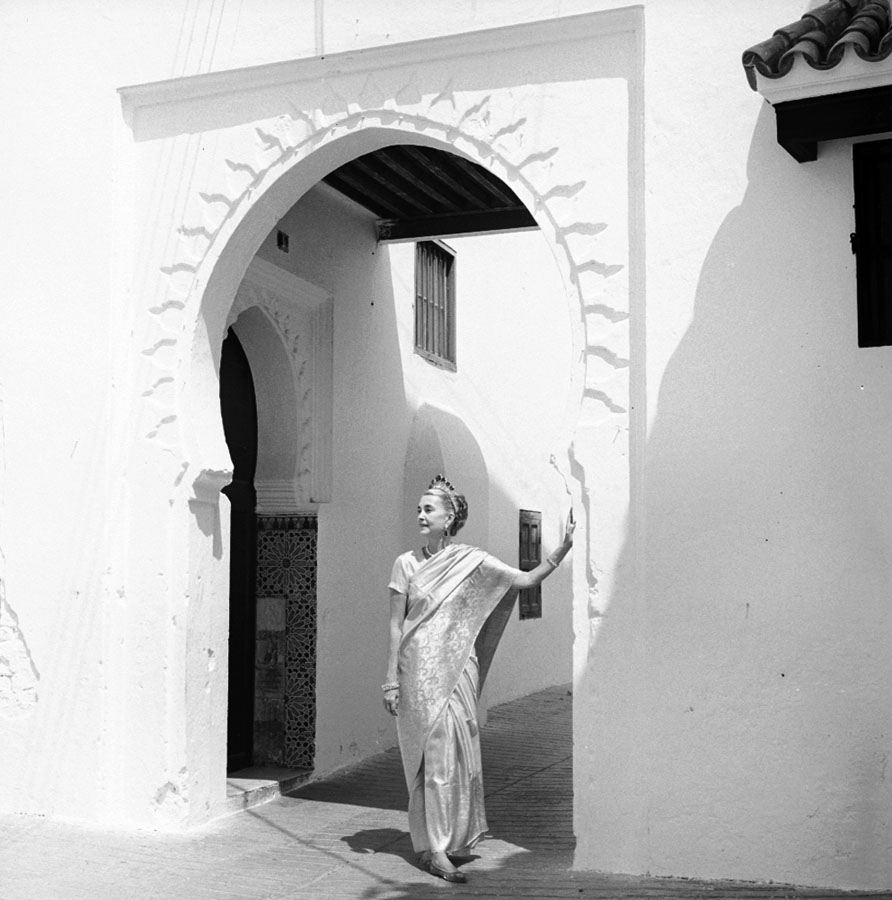
The wealthy American heiress Barbara Hutton also liked the feline style, with a predilection for the tiger. This New York socialite was regularly referred to as one of the world’s most elegant women. Month after month, the newspapers tracked changes in her appearance, which immediately dictated current fashion trends. She also influenced the elite: after purchasing a palace in the medina of Tangier, the city became popular among Café Society multimillionaires. Her opulent lifestyle was further enhanced with precious everyday objects designed by Cartier, such as a diamond-paved tortoiseshell comb or a frame made of yellow gold.
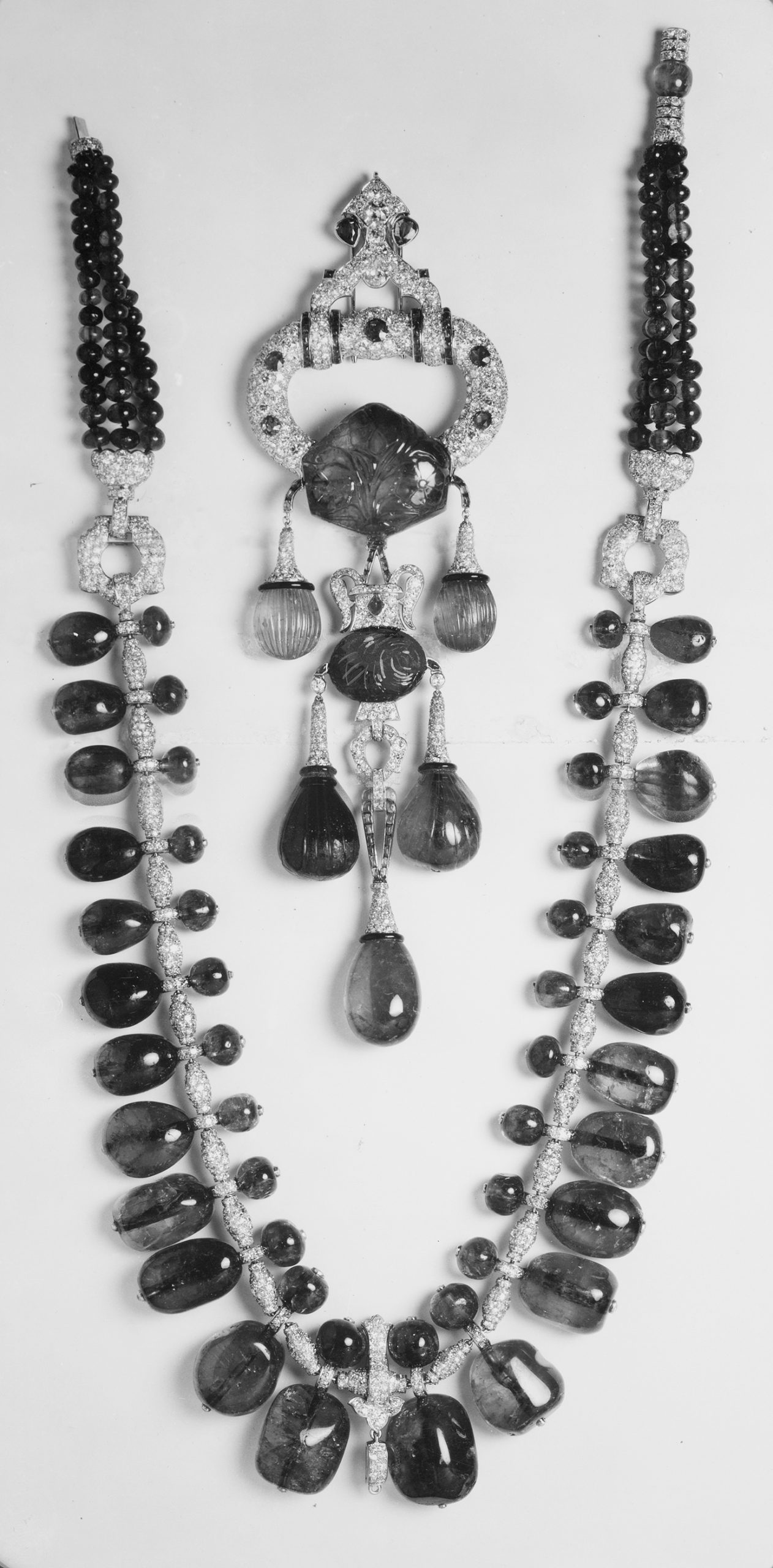
Marjorie Merriweather Post was another key Café Society tastemaker. She was the foremost client of Cartier New York, where she purchased objects and jewels alike. She meticulously chose accessories for her home such as agate, enamel or onyx frames adorned with precious or semi-precious stones. Regarding jewelry, one piece from her collection stands out: a 1923 brooch, redesigned in 1928, composed of seven 17th-century carved emeralds weighing a total of 250 carats. At a ball hosted in Palm Beach, Florida, in 1929, the famous heiress dressed up as Juliet wearing this ornamental brooch.
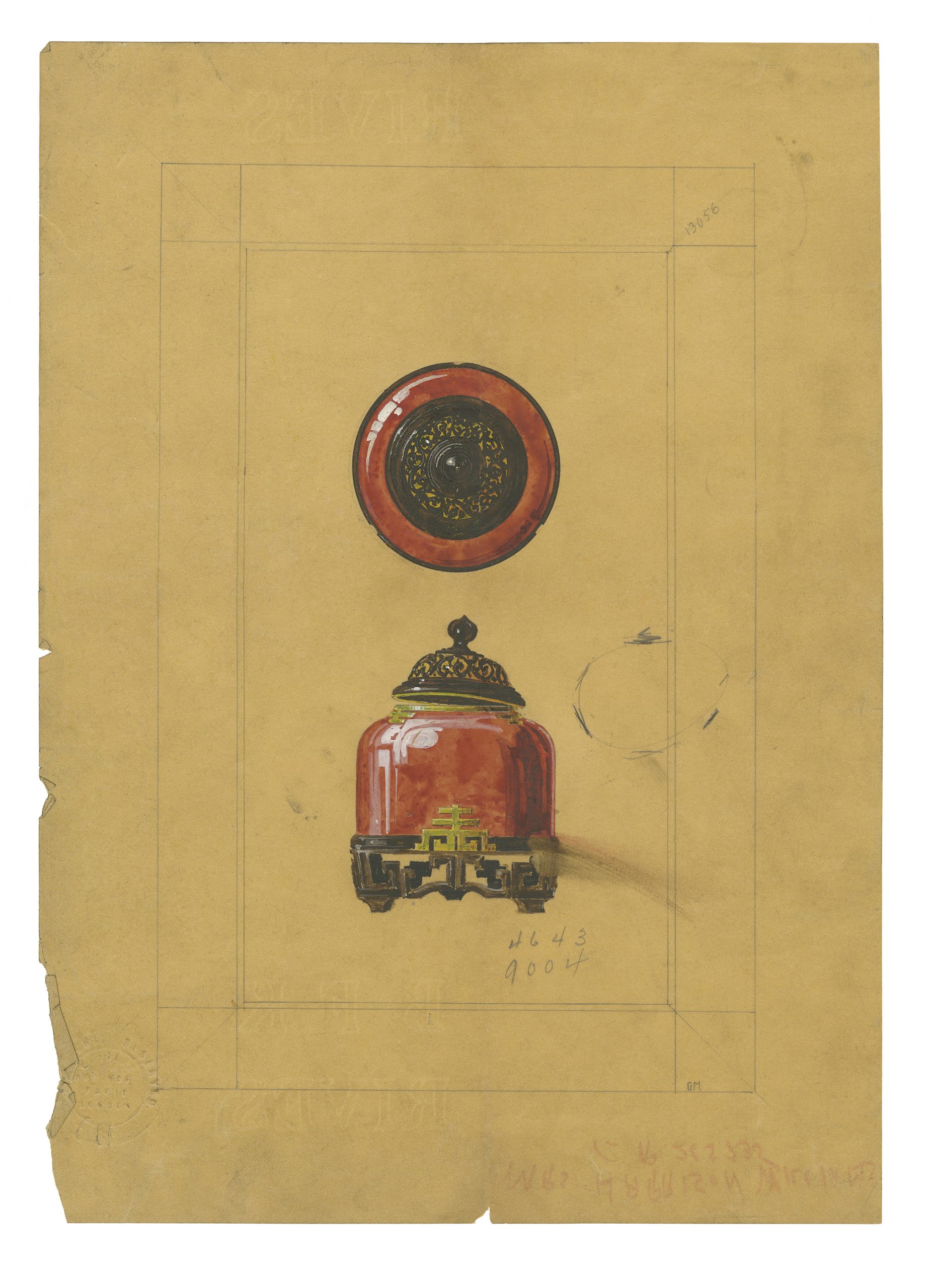
Mona Bismarck, also an undisputed Café Society figure, was born into a family of modest means and joined society’s upper spheres through her successive marriages. According to Café Society chronicler Cecil Beaton, this American living in Europe was “one of the few outstanding beauties of the thirties […] who represented the epitome of all that taste and luxury can bring to flower.” Passionate about antiques, especially china, she acquired a collection of precious everyday objects from Cartier which included Asian-inspired bottles , inkwells and vials.
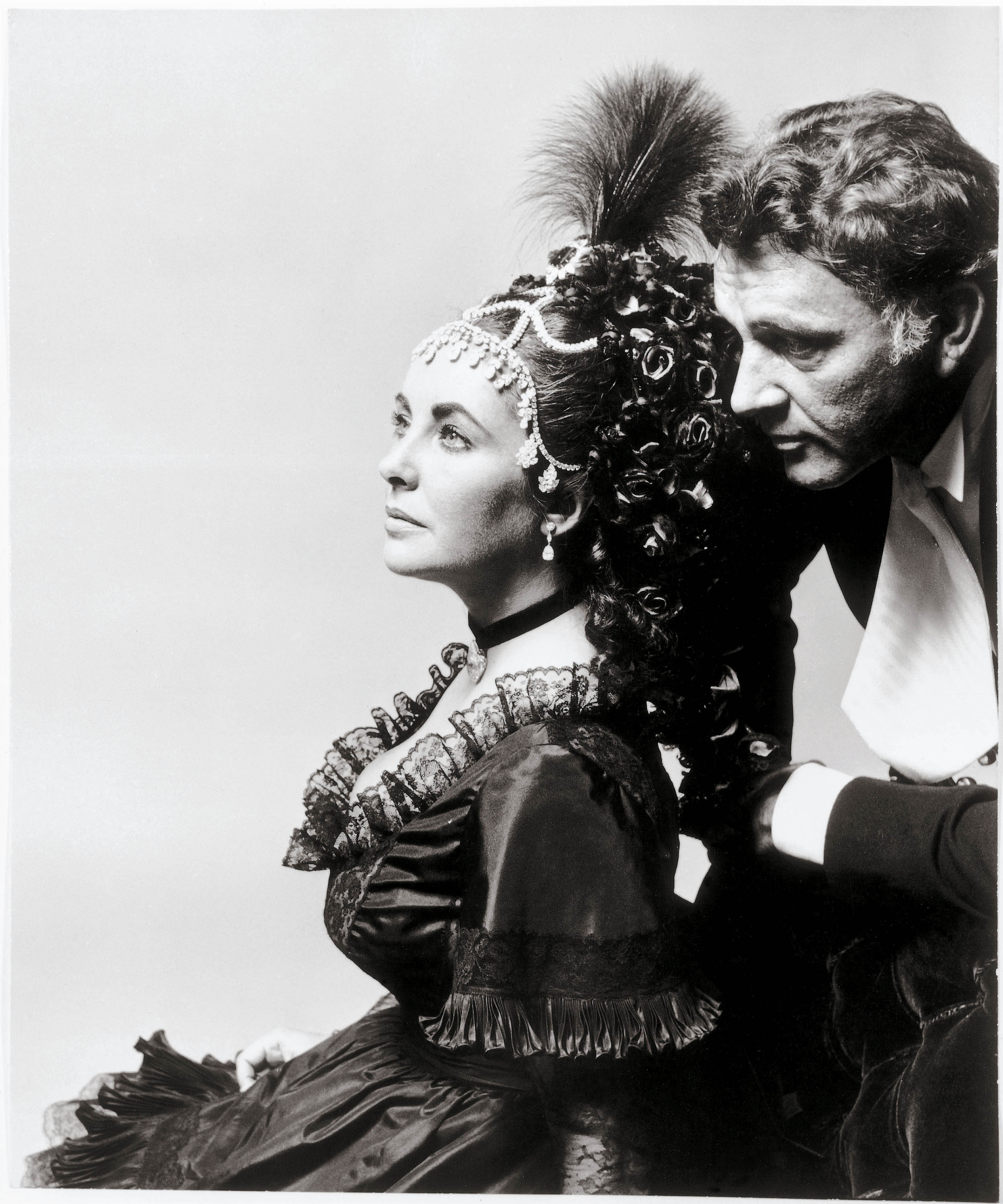
In the 1960s, excessive media coverage of public figures and the rise of a globalized consumer society led to events which brought Café Society to an abrupt end. It shined for one of the last times during the “Bal Proust” hosted by Marie-Hélène de Rothschild at her Château de Ferrières, in December 1971. In keeping with fairy-tale-themed parties, this event became a contest of extravagance, with Elizabeth Taylor as one of its winners. Her appearance on the arm of her husband, Richard Burton, wearing the famous 69.42-carat Taylor-Burton diamond—purchased from Cartier and attached here with a silk ribbon—was a splendid swansong.
Later, members of American high society infatuated with culture and refinement left Europe to join the effervescence of New York. Truman Capote’s muses, who included Babe Paley, Millicent Rogers and Lee Radziwill, became the new trendsetters, making room for a whole new world: the jet set.