
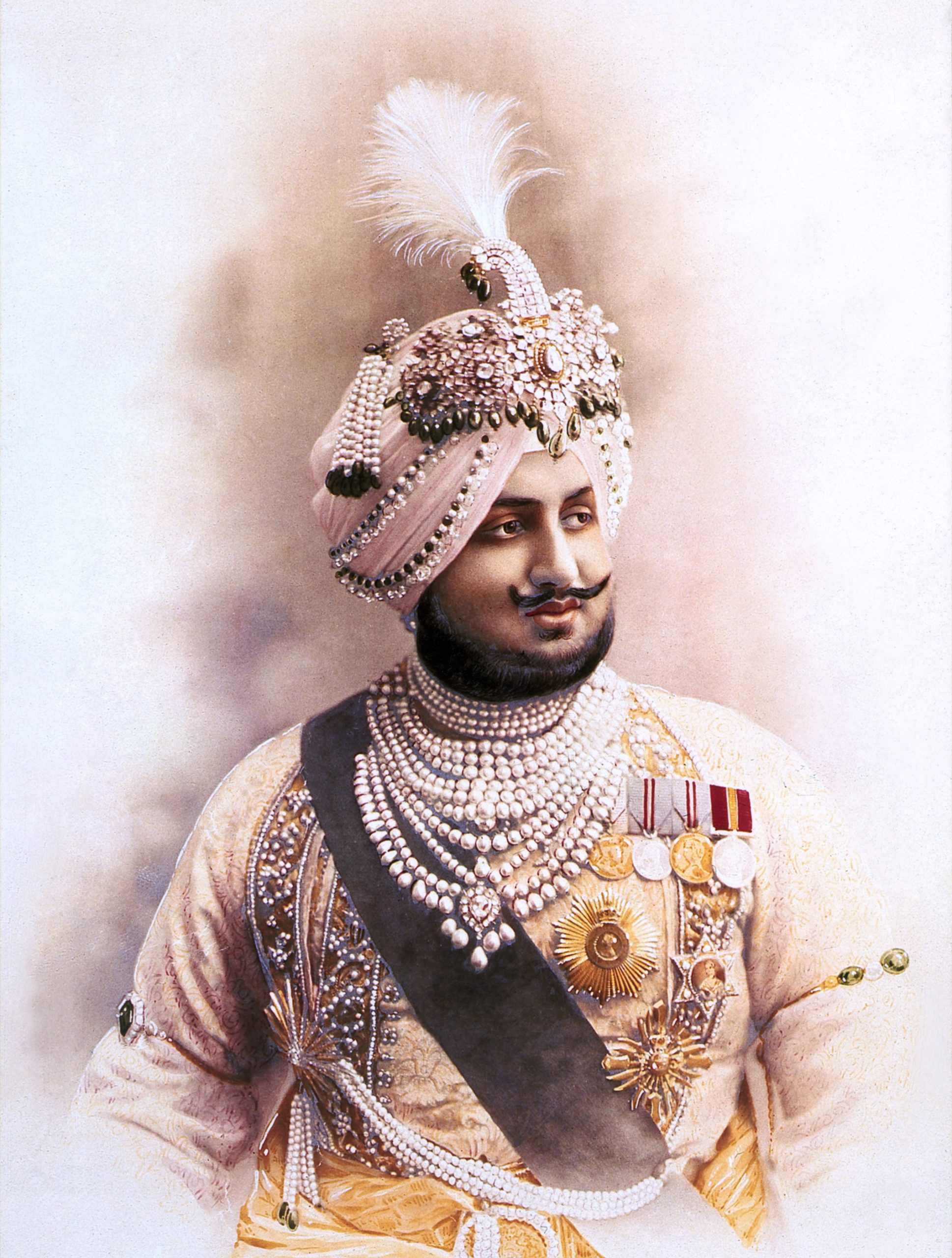
Bhupinder Singh (1891–1938), ruler of the princely state of Patiala, commissioned Cartier to create exquisite ceremonial parures that were among the most extraordinary in jewelry-making history.
Born in 1891, Bhupinder Singh prematurely acceded to the throne of Patiala at the age of nine. A Council of Regency ruled in his name until he took over on turning eighteen. The very young maharaja was loyal to the British Empire, and when World War I broke out in 1914, he participated in the war effort, sending military supplies and troops to support the Allies and actively leading troops at the front. He earned recognition from his peers for these contributions. Equally respected by Westerners and his own compatriots, Bhupinder Singh was honored with many titles and functions, one of the most significant being his appointment as India’s representative at the League of Nations in 1925.
The Maharaja of Patiala was a quintessential Indian prince who, travelling regularly throughout Europe and curious about modernity, wholeheartedly adopted many aspects of the Western lifestyle. He became an accomplished cricketer during his studies at the British-inspired Aitchison College in Lahore, located in what is now Pakistan. He collected cars and was allegedly the first person in his country to own a plane.
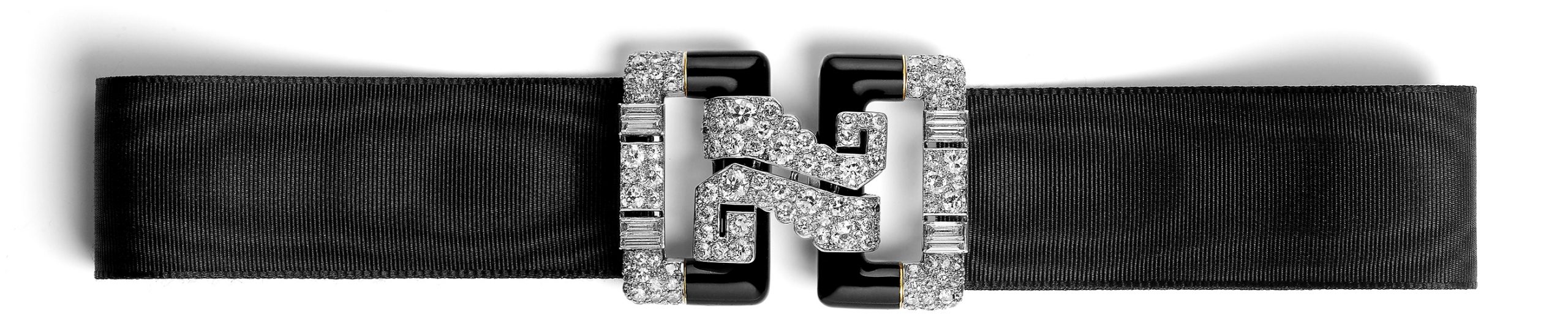
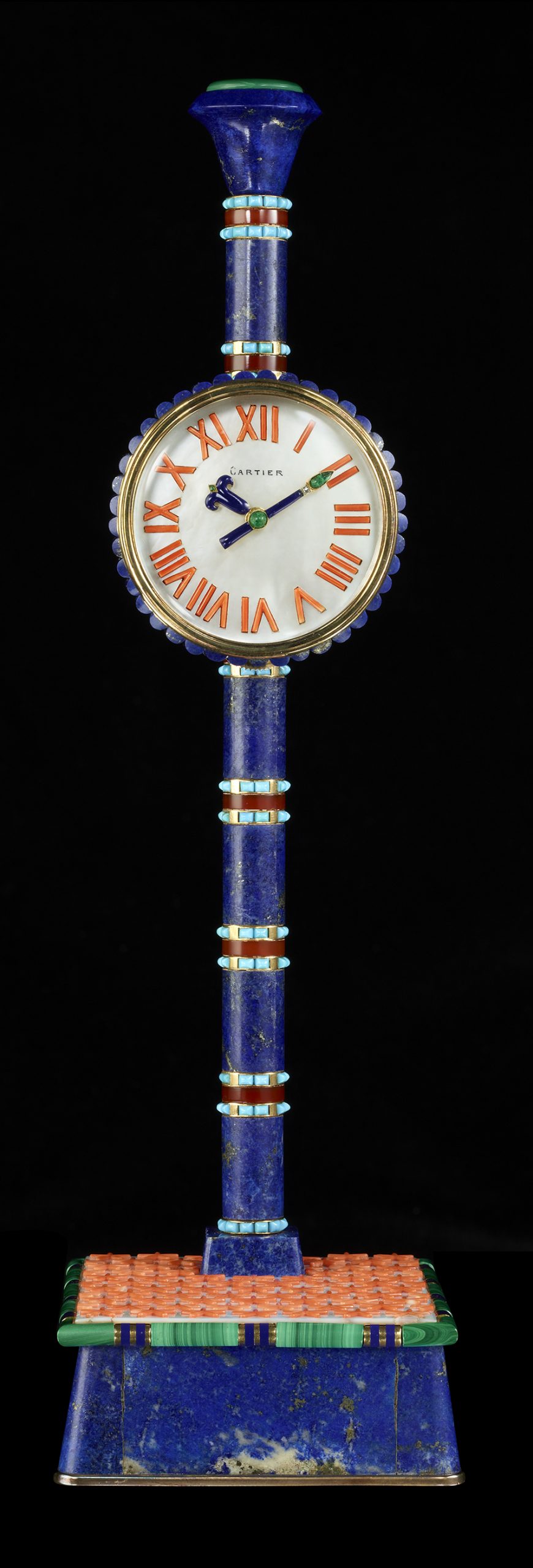
His fascination for novelty also extended to jewelry and watchmaking. As one of Cartier’s key clients, Bhupinder Singh wore a Tank watch, which had only recently been released by the Maison. He was attracted to modern jewelry, as illustrated by a very graphic diamond and onyx brooch dating from 1928. The Cartier archives also record several purchases of decorative objects and clocks, including an Egyptian-inspired model from 1927. Today, these treasures are preserved in the Cartier Collection.
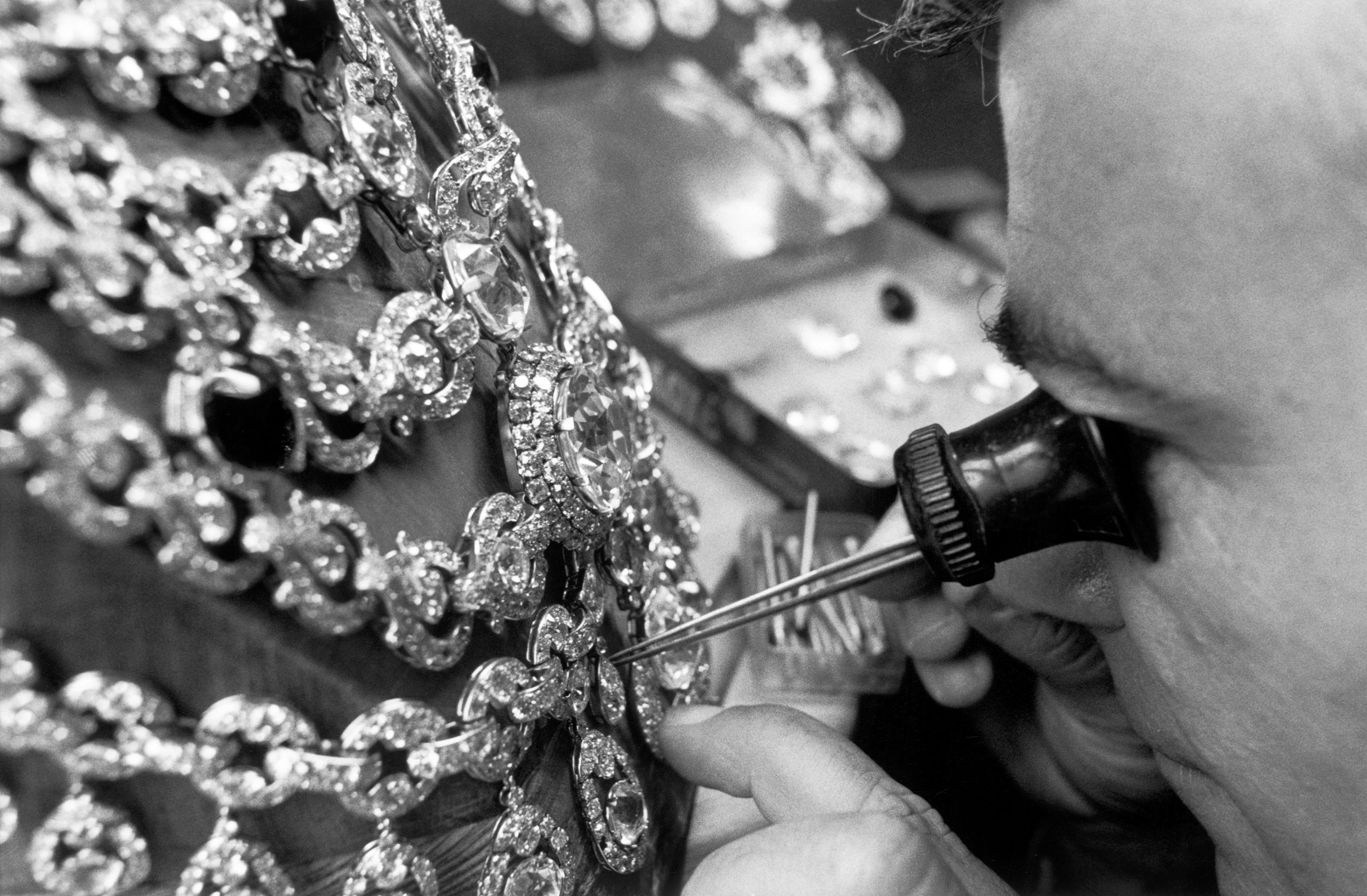
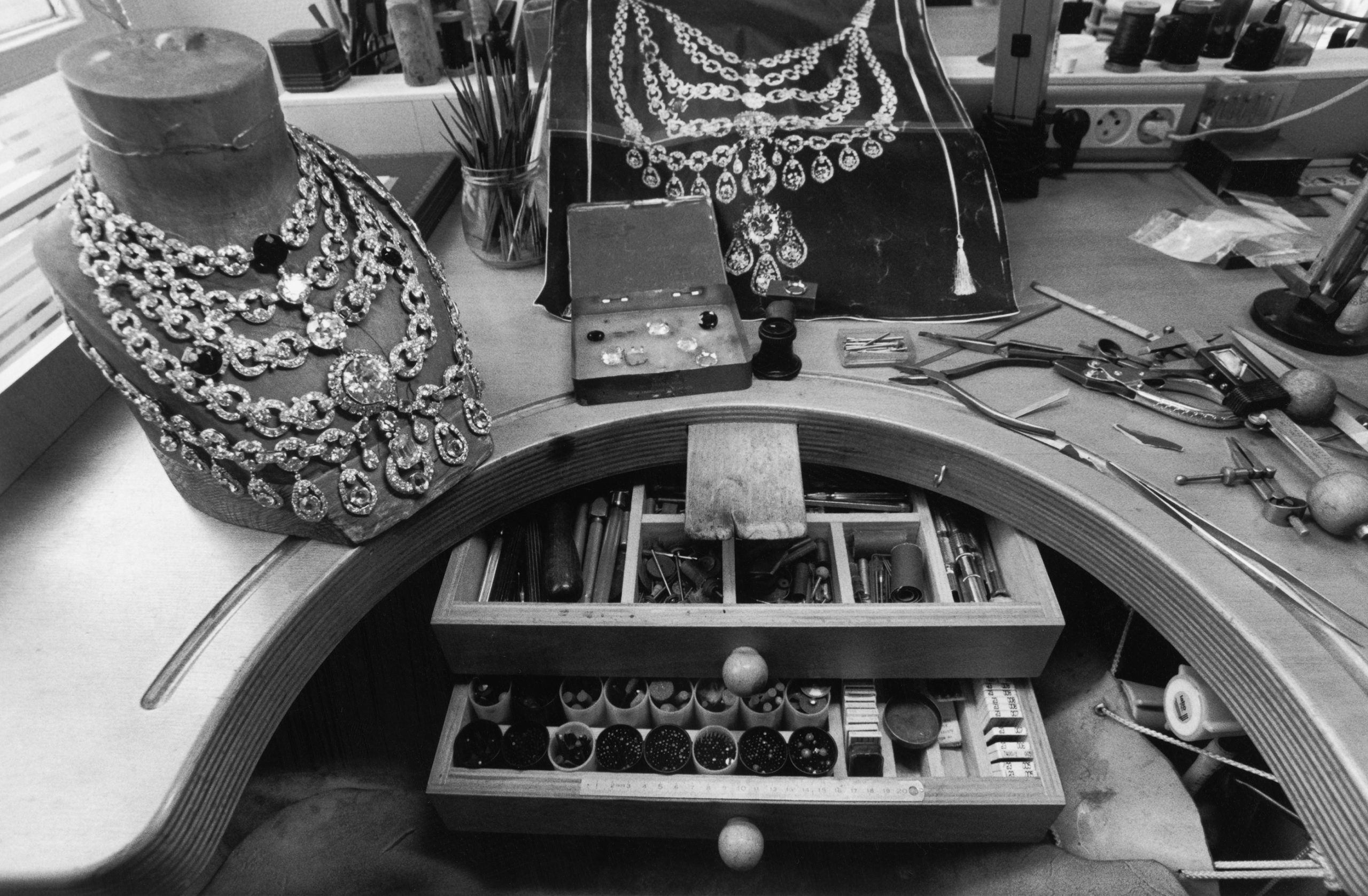
The Maharaja of Patiala’s passion for jewelry was above all embodied by the exceptional pieces he commissioned. In the 1920s, he brought several thousand loose gemstones from his personal collection to Cartier in Paris, requesting they be made into an opulent set of jewels whose centerpiece was a magnificent ceremonial necklace completed in 1928. This creation, whose cascading design culminated in the legendary De Beers yellow diamond, blended tradition and modernity. While the cord used to tie the necklace in the back was directly inspired by Indian jewelry, the setting was entirely executed in platinum, and the design’s geometric motifs reflected the Art Deco wave then in vogue in the West.
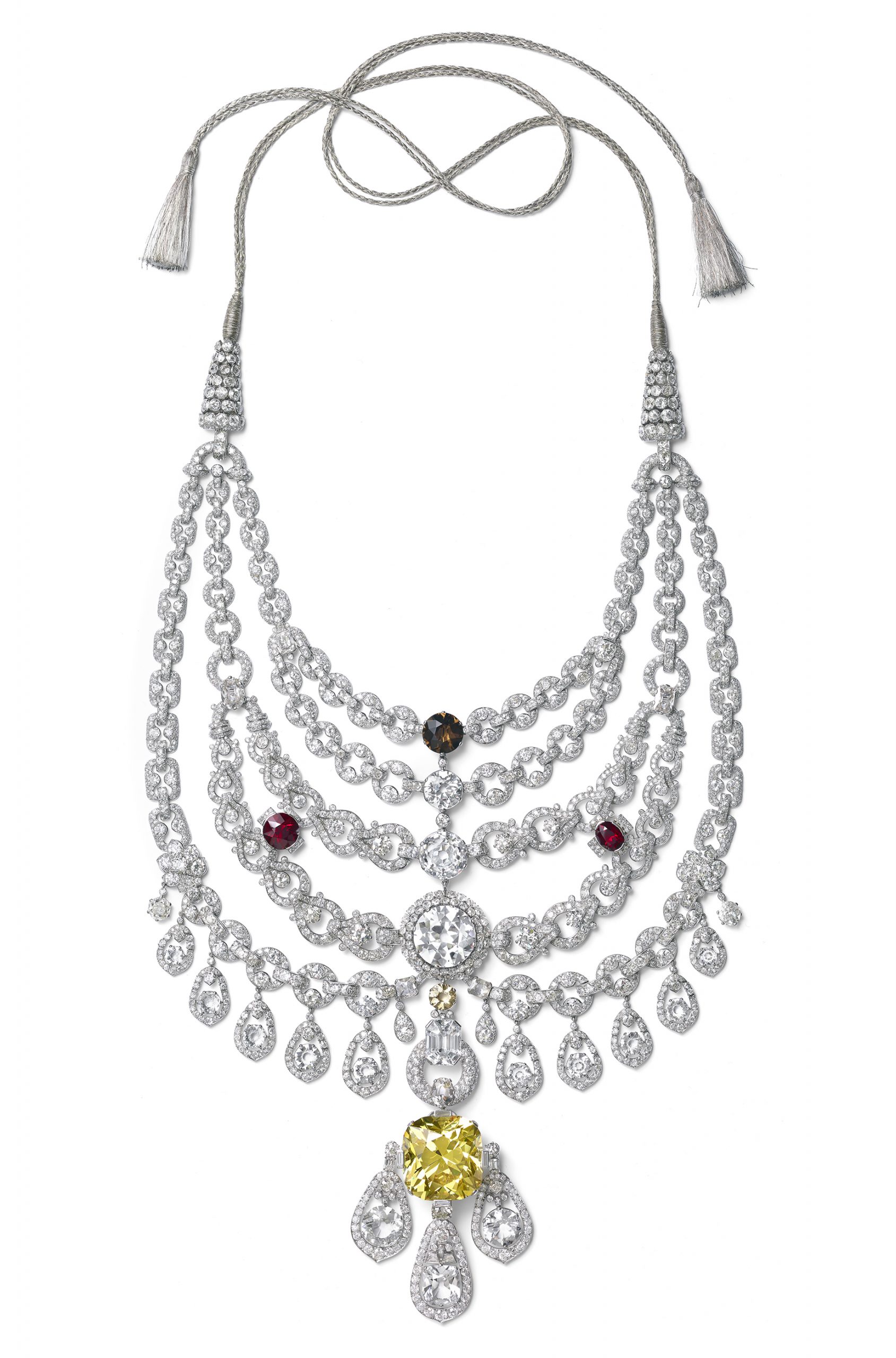
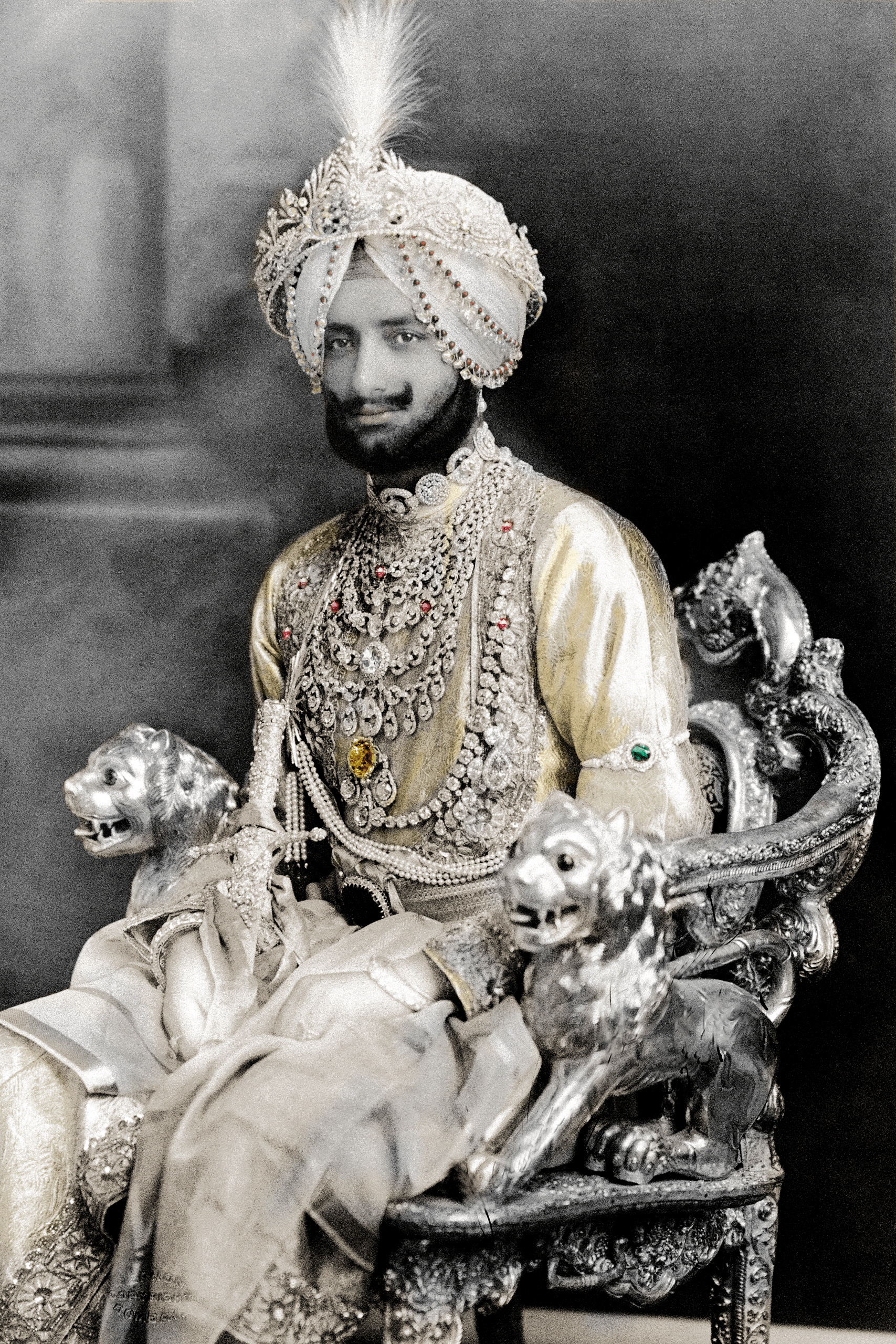
In a famous photograph, Bhupinder Singh’s successor, Yadavindra Singh, is shown wearing this majestic ceremonial necklace.
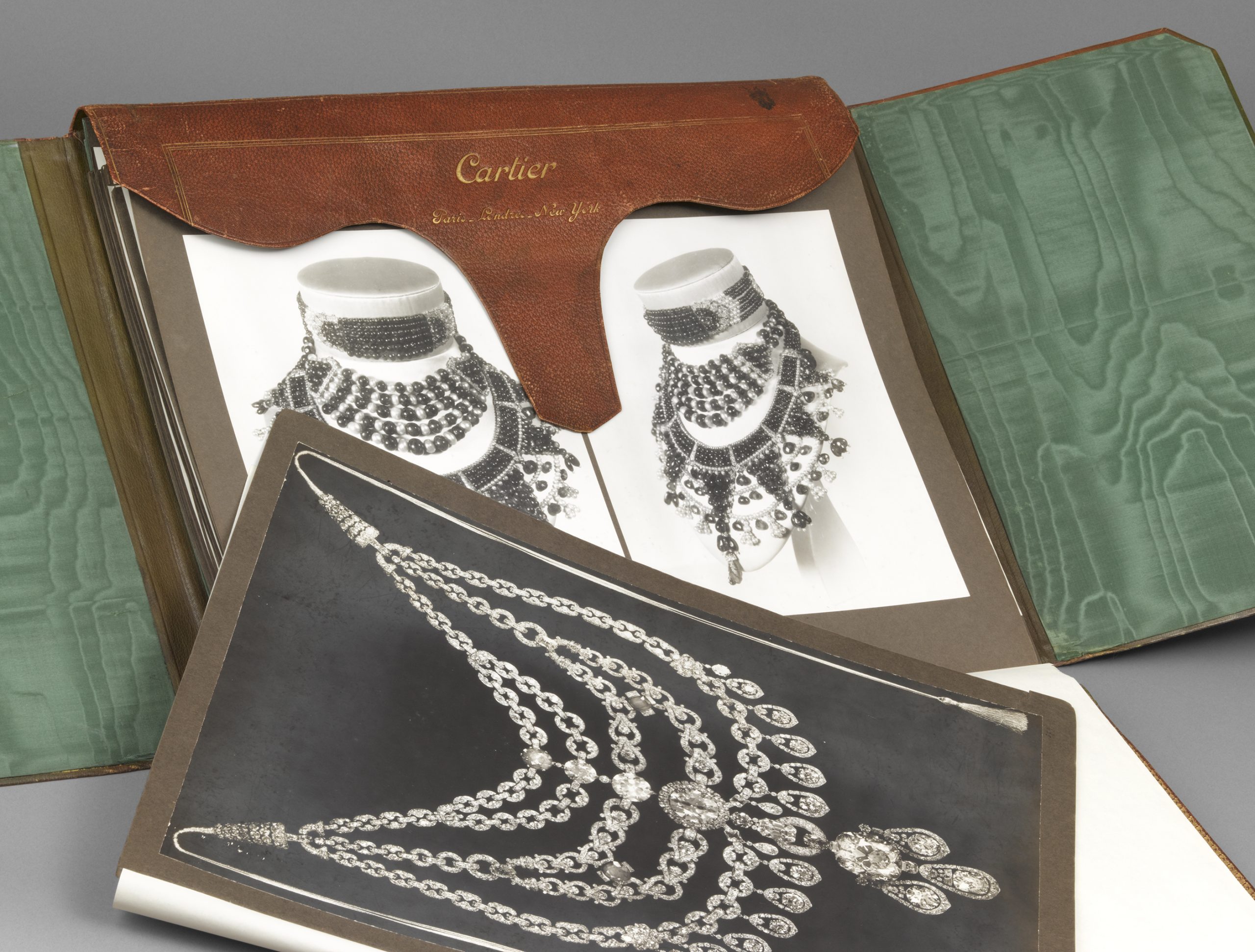
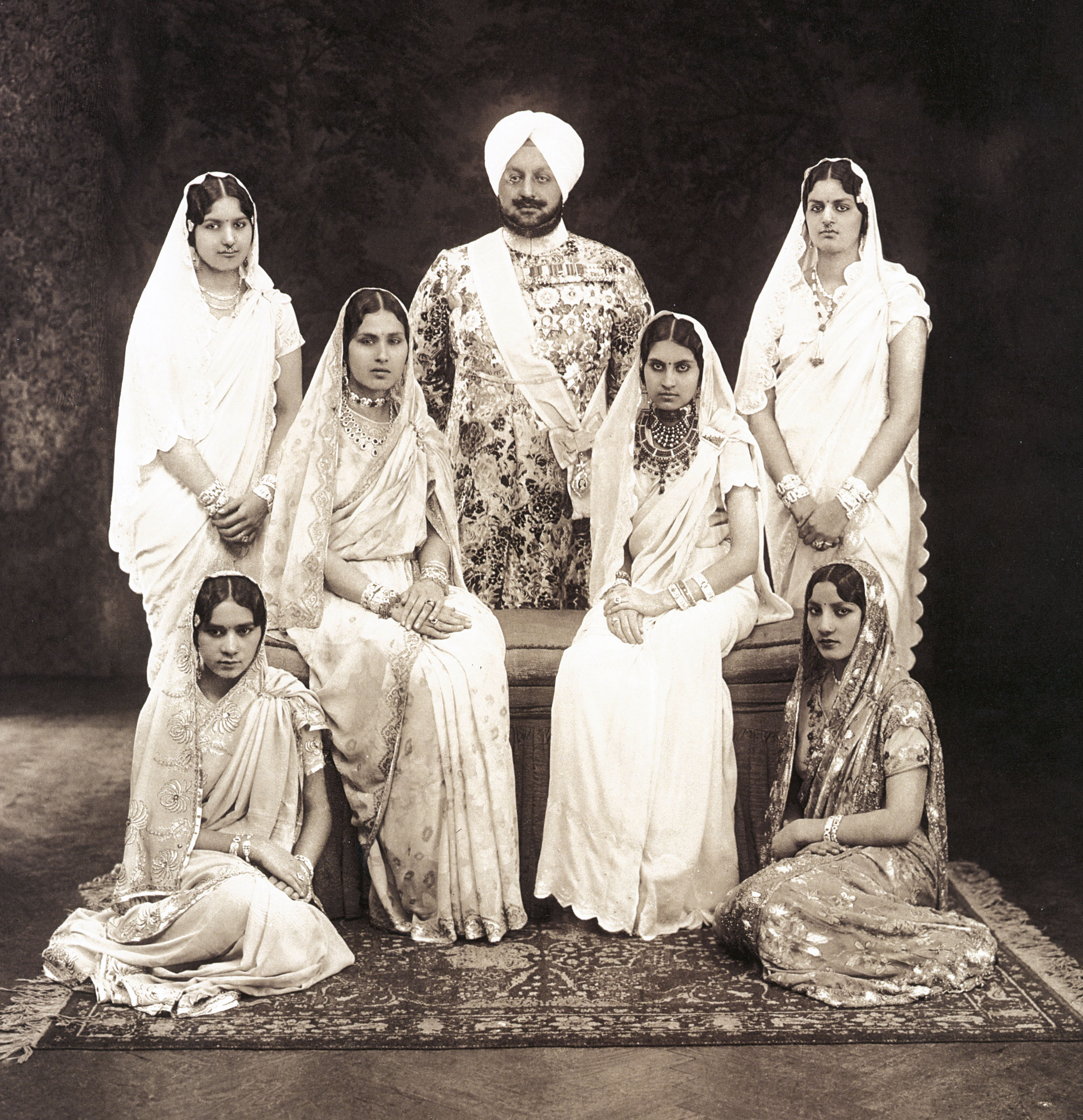
Several years later, in 1931, the Maharaja of Patiala commissioned another prestigious piece from Cartier for one of his wives, Maharani Sri Bakhtawar Kaur Sahiba (1892–1960). Composed of a choker of rubies, natural pearls and diamonds, a central necklace with five strands of alternating rubies and pearls, and a large bib necklace, the parure combines spectacular design and elegance and remains an outstanding creation in the history of jewelry making.