
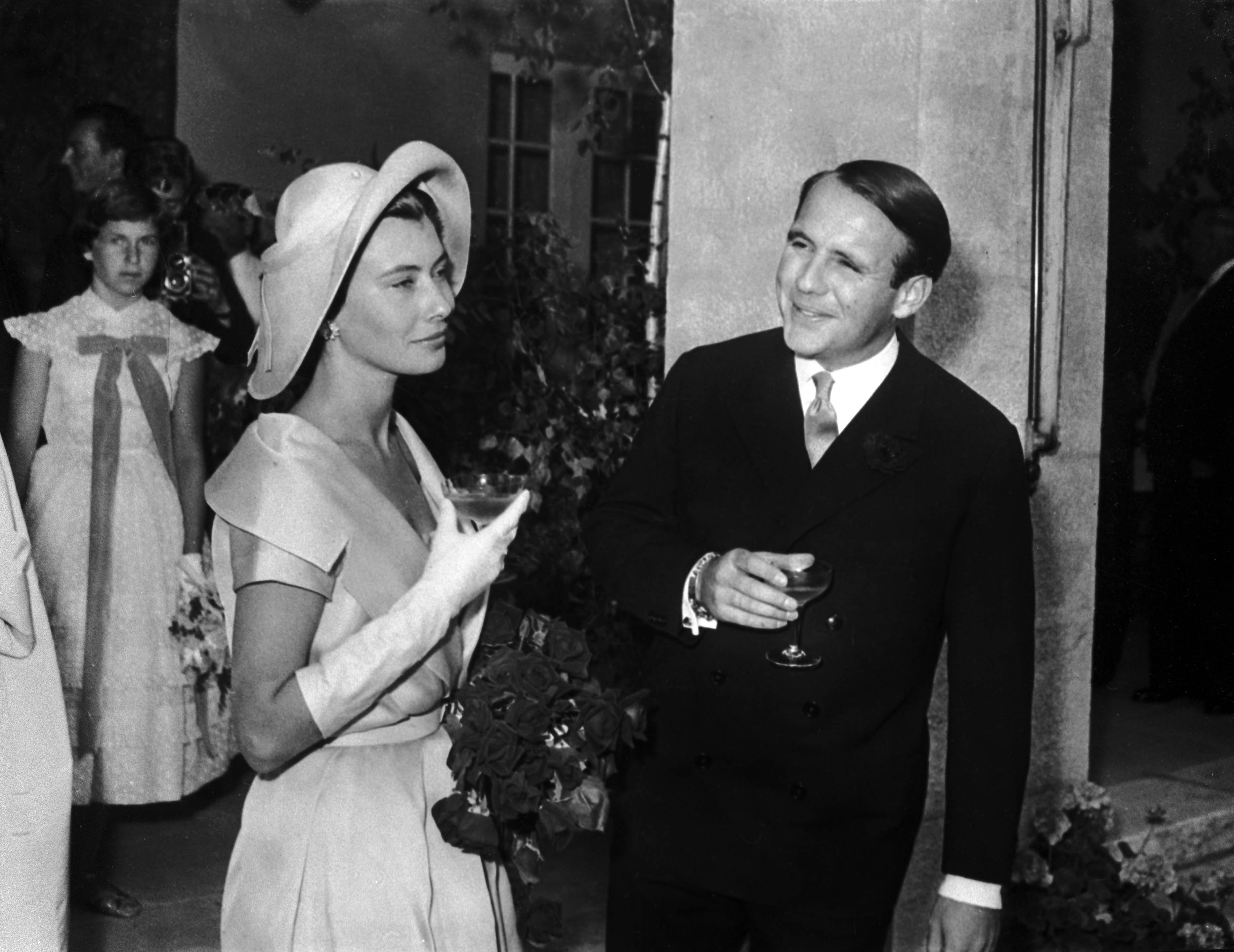
Prince Sadruddin (1933–2003), a scion of the mighty Aga Khan dynasty, was known throughout his life as a champion of human rights and an enthusiastic art lover.
Prince Sadruddin Aga Khan was born in Paris in 1933 to a French mother, Andrée Carron, and a British father of Indian and Iranian descent, Sultan Mohammed Shah Aga Khan III. The prince attended Le Rosey boarding school in Switzerland and went on to study at Harvard University. Soon after graduating in 1957, he married the model Nina Dyer. The couple led a glamorous life, mixing with the crème de la crème of Parisian society. They divorced in 1962.
Sadruddin’s family origins gave him a sense of belonging both to the East and the West. His father was the spiritual leader of Shiite Ismailis and took him traveling all over the world, especially to Muslim countries such as Iran and Egypt, where he could connect with his roots and came face to face with world realities.
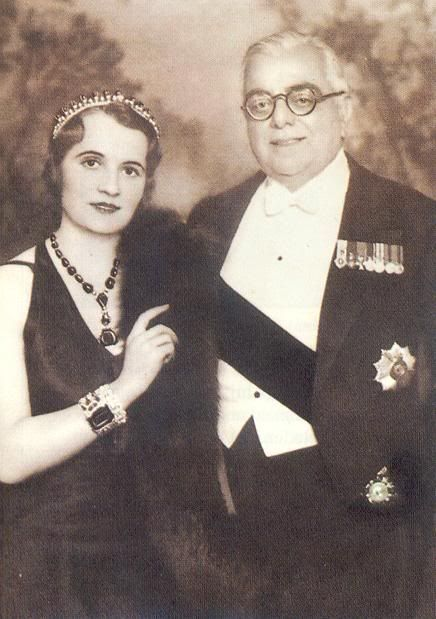
These experiences influenced him profoundly and in 1962 he decided to devote himself to helping the most disadvantaged by becoming a Special Envoy to the United Nations High Commissioner for Refugees, then Coordinator of humanitarian affairs for the Commission on Human Rights. He was widely recognized for his energetic advocacy on behalf of war exiles in East Pakistan (now Bangladesh).
Behind his persona in these political, social, and philanthropic functions, he was also a very cultured man and an aesthete. As a collector he owned African objets d’art along with one of the world’s finest Islamic art collections – made up of Ottoman, Persian, and Mughal miniatures and calligraphies – which reminded him of his Eastern roots. In 1972 Sadruddin met his second wife, Catherine. He gave her many gifts, including Cartier vanity cases and mystery clocks from the period 1925 to 1935, which led the couple to begin collecting Art Deco pieces.
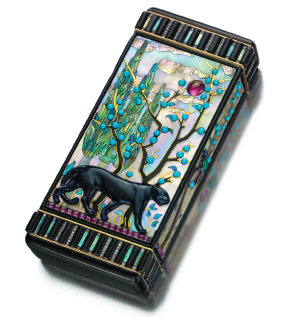
Their collection came to number almost a hundred items, with one of its star pieces being a vanity case from 1925, which bears the sleek silhouette of a panther above a row of buff-top rubies. The creature is moving through a verdant mother-of-pearl landscape, in front of a tree dotted with turquoise cabochons and beneath the radiance of a ruby sun.
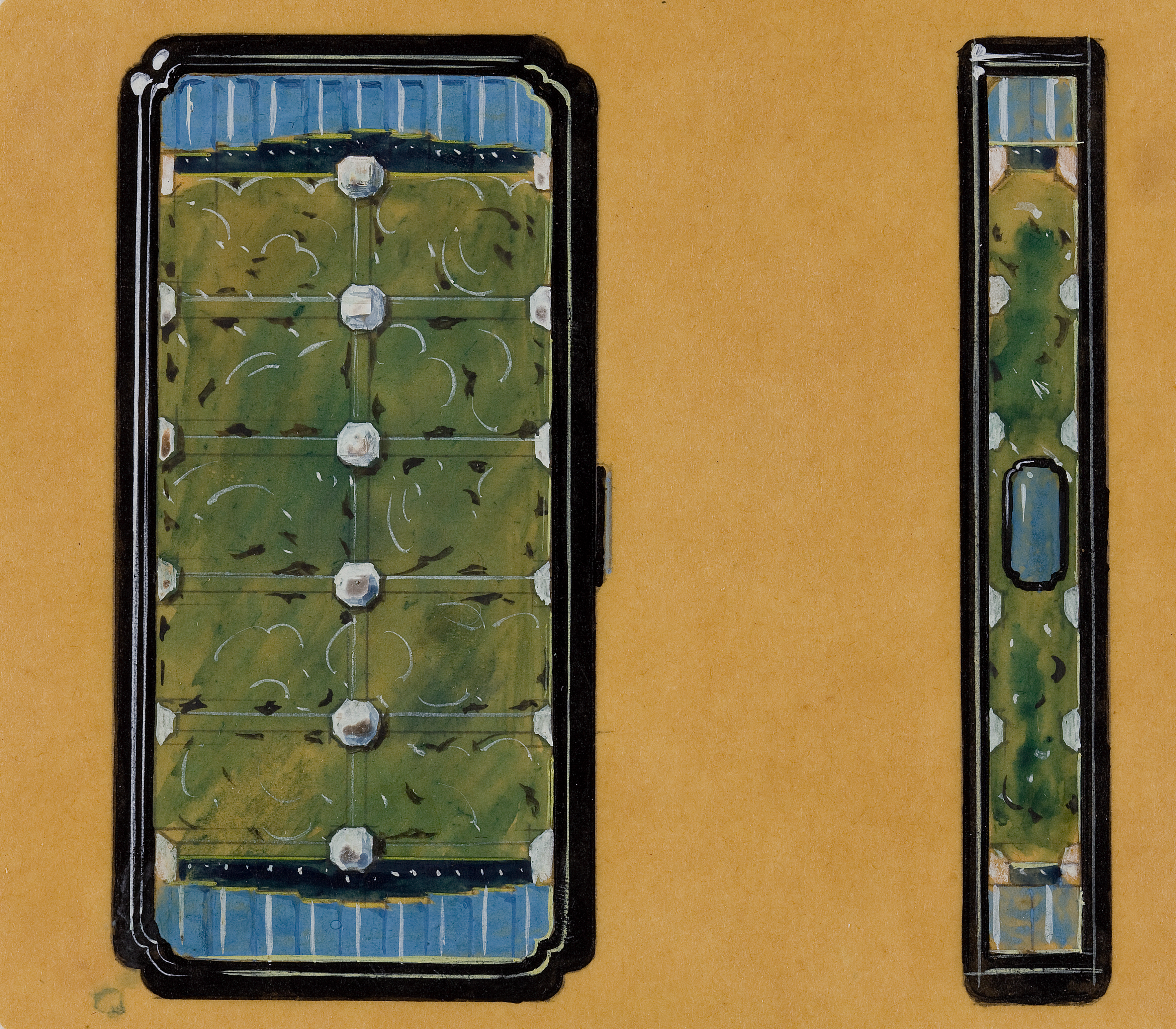
Other pieces acquired by the couple included another 1925 vanity case by Cartier – this one in the Tutti Frutti style – and one from 1926 in nephrite, sculpted with flowers. All these objects are notable for their strong colors and bold shapes, and their designs often draw inspiration from the natural world and faraway cultures. A Japanese influence can be seen in many pieces, as illustrated for instance by a Koi Carp vanity case crafted by the Maison in 1930. The couple also acquired some significant mystery clocks, such as this 1929 model depicting a chimera in jade, and models dating from the 1930s with dials carved in semi-precious stone.
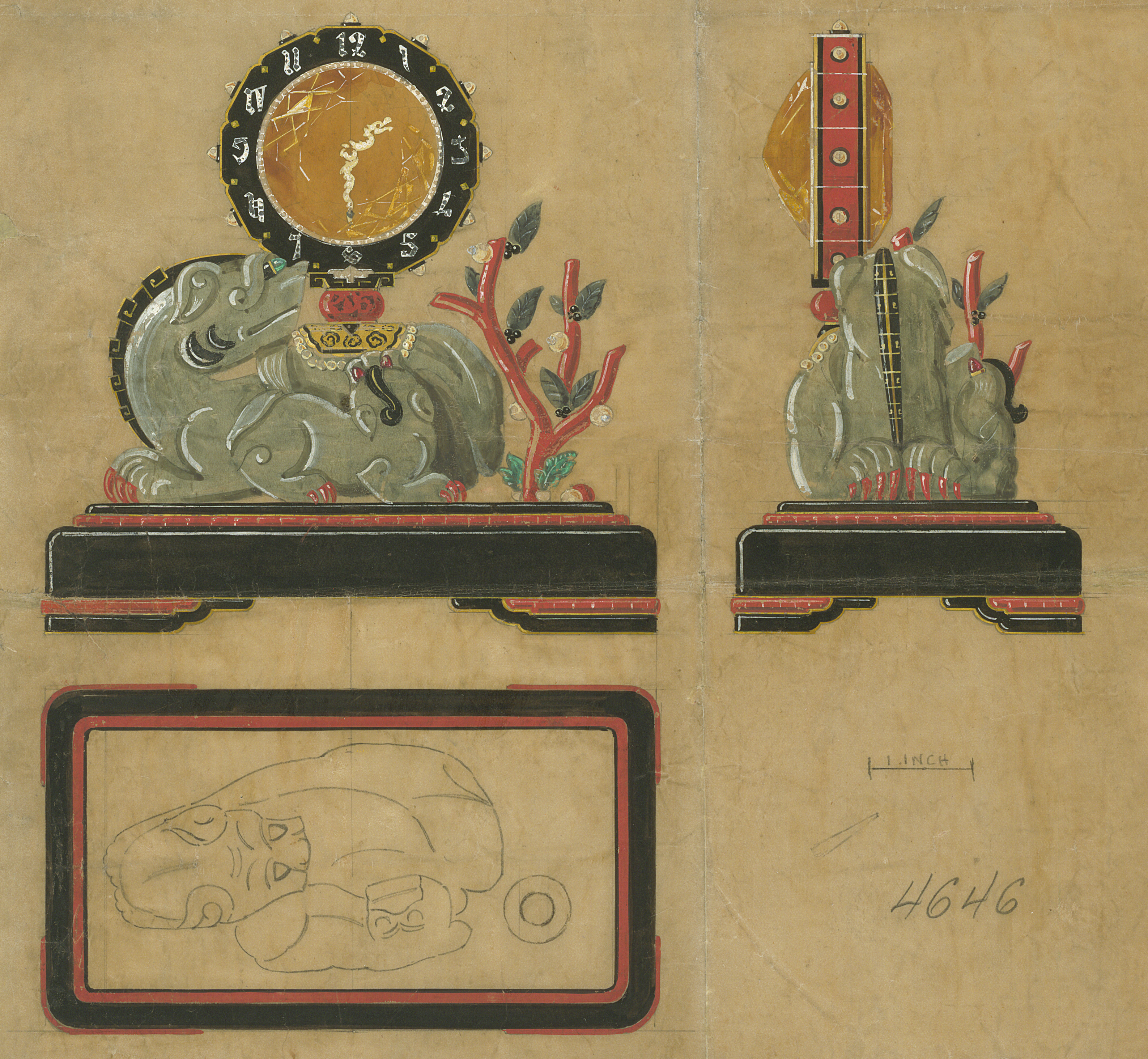
This collection of exquisite objects has been displayed at venues around the world since the prince’s demise in 2003, including at the Cooper Hewitt, Smithsonian Design Museum in 2017 and at a 2018 exhibition at the School of Jewelry Arts in Paris.