
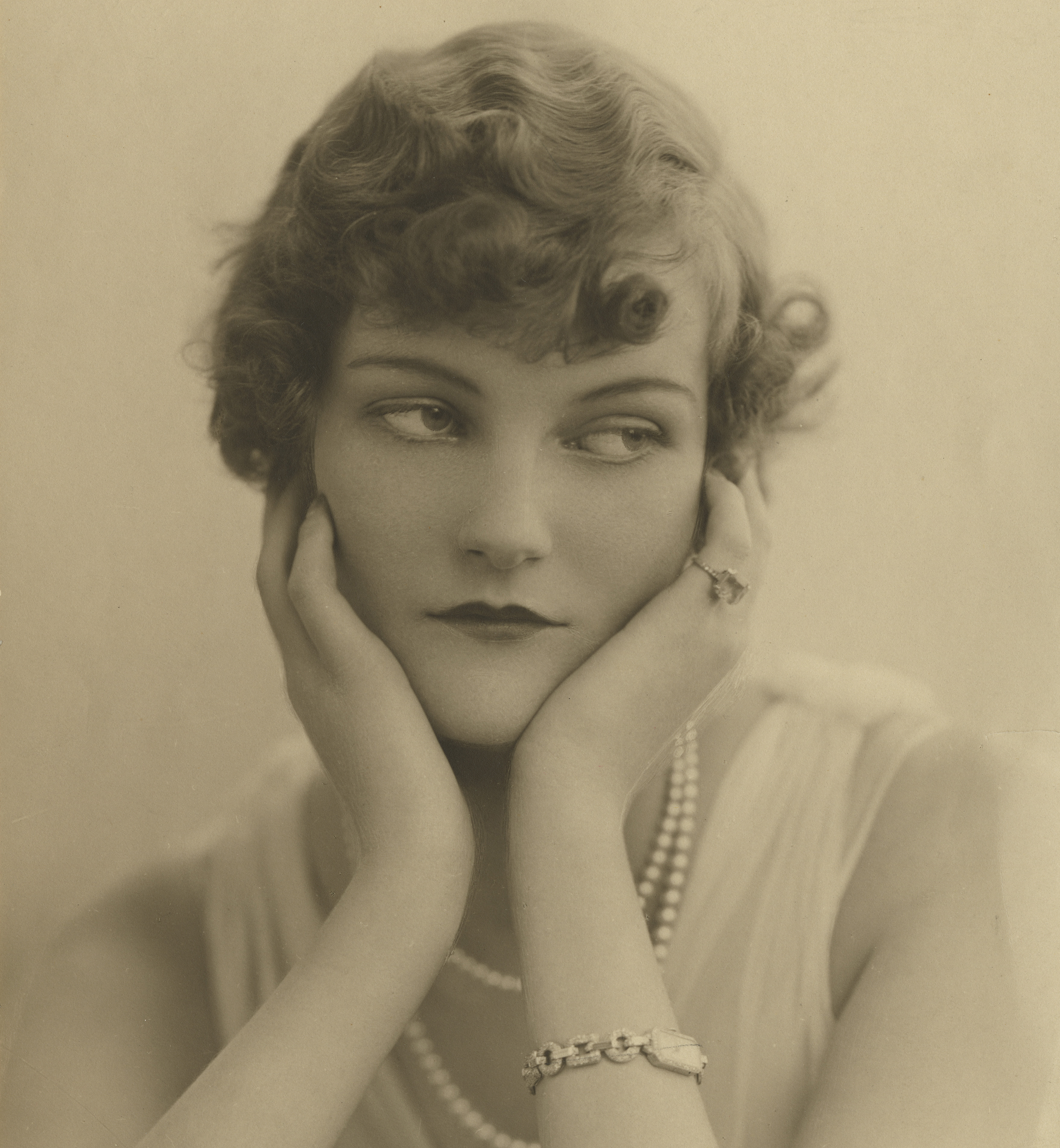
Wealthy American heiress Doris Duke (1912–1993) was a philanthropist and esthete who devoted much of her life to travel and to building up a collection of artworks, antiquities, and jewelry, with Cartier pieces in pride of place.
“The richest little girl in the world”
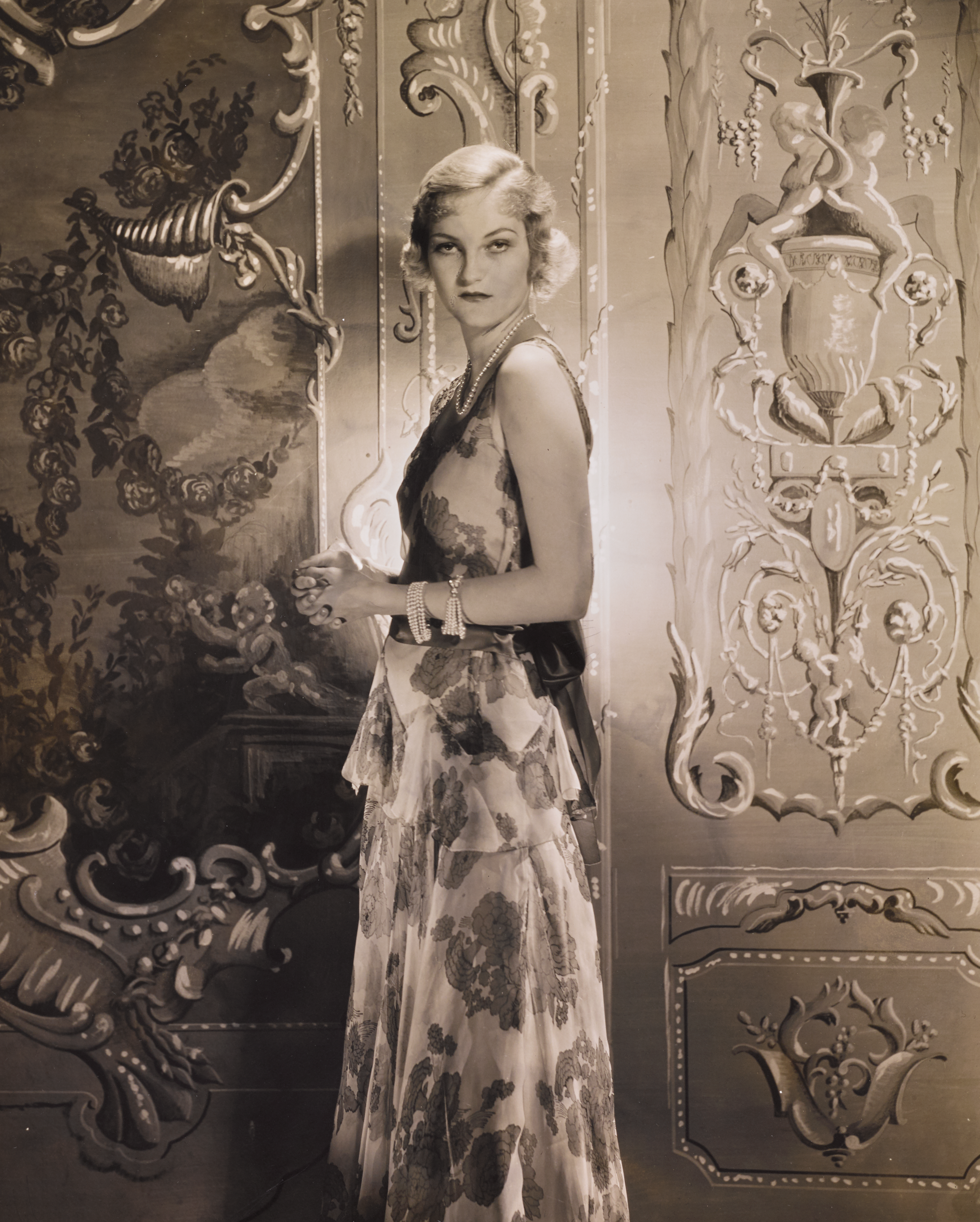
Doris Duke was born in New York on November 22, 1912, the only child of James Buchanan Duke, who founded the American Tobacco Company and Duke Energy Company. Her father died when she was only 12, leaving Doris to inherit a colossal fortune and leading the international press to dub her “the richest little girl in the world” and “the million-dollar princess.” A few years later, the heiress’s début in American high society was celebrated with a ball held on one of the family’s many estates. She was welcomed into the jet set to mix with the likes of C. Z. Guest, Cecil Beaton, and Diana Vreeland.
A fascination with elsewhere
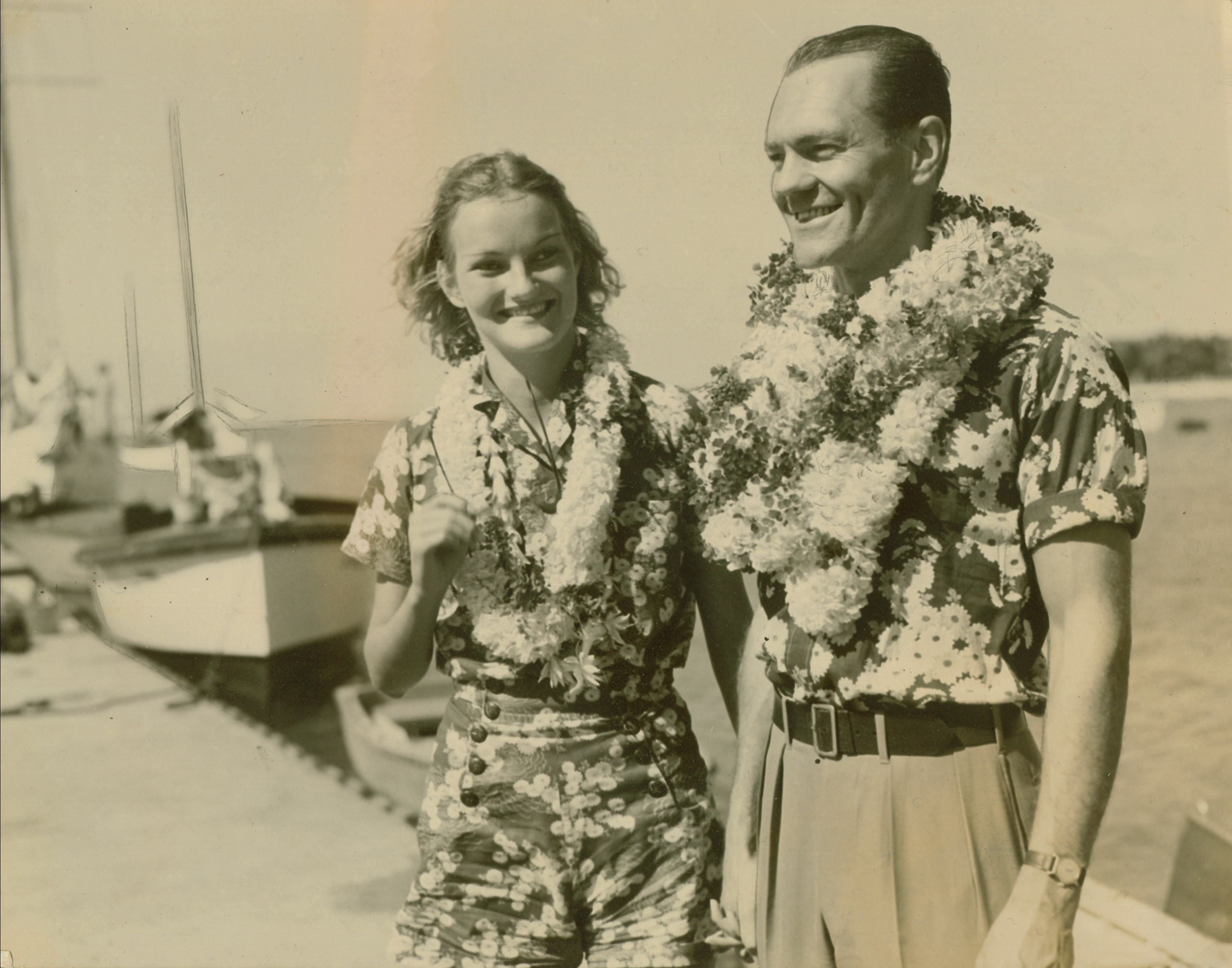
Following Duke’s first marriage to American diplomat James H. R. Cromwell in 1935, she and her husband enjoyed a two-year honeymoon that took them around the world, including travels in Asia. This stirred a passion in her for travel and for Islamic and South Asian arts. She was especially fascinated by Persian architecture, and in 1936 she undertook construction of an estate called Shangri La in Honolulu, Hawaii. A real-life palace of a thousand and one nights, it looks out over the Pacific Ocean and harbors many treasures brought back from remote parts of the Far East.
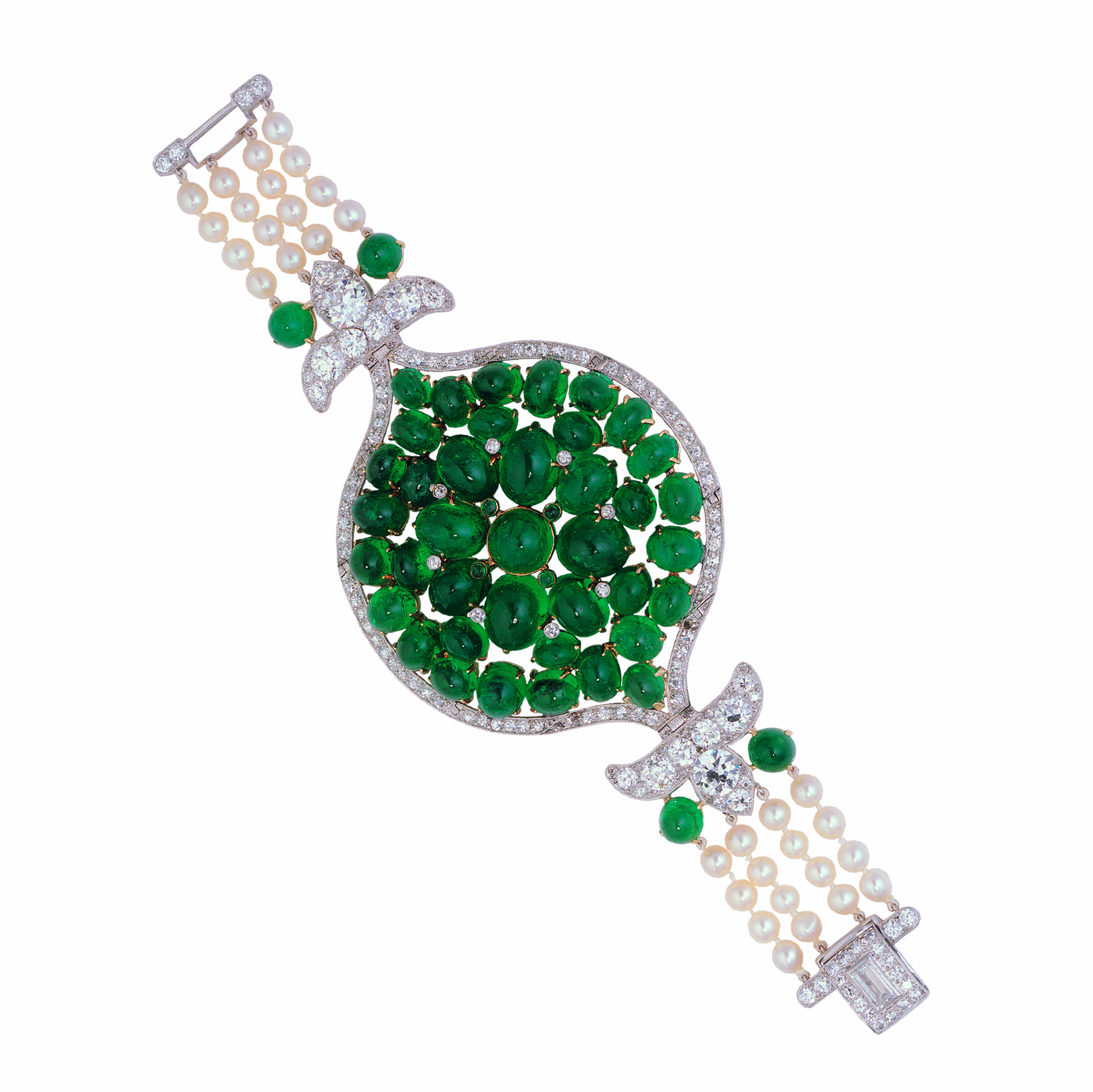
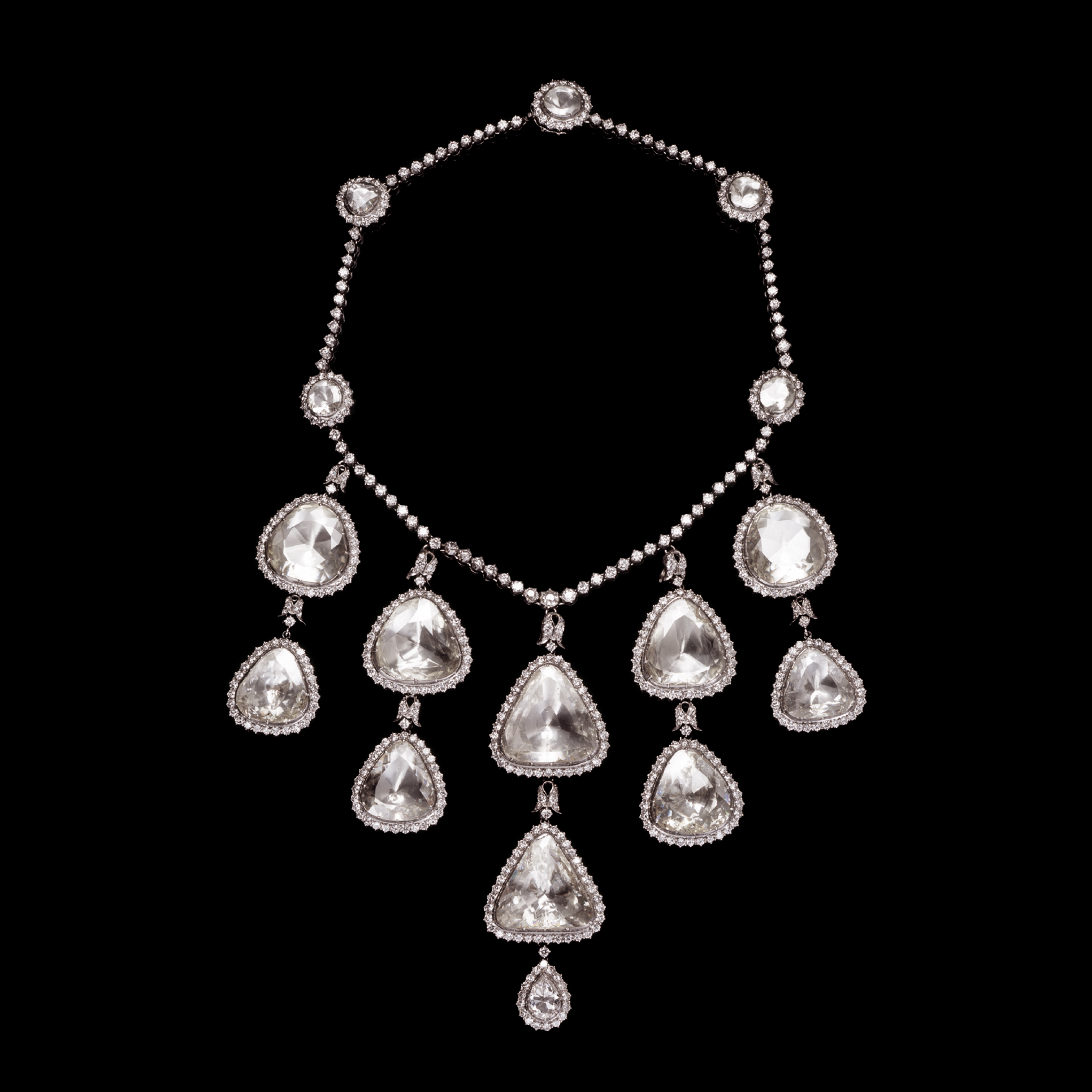
This same taste guided the American heiress’s choice of jewelry, and she very soon found her way to Cartier. Notable among her acquisitions are an orientalist bracelet of emerald and a brooch with a Hindu floral motif, as well as a sumptuous necklace of Indian inspiration that had belonged to Ganna Walska; originally crafted by Cartier London in 1931, it was set with 10 old-cut diamonds weighing a total of almost 150 carats.
An exceptional legacy
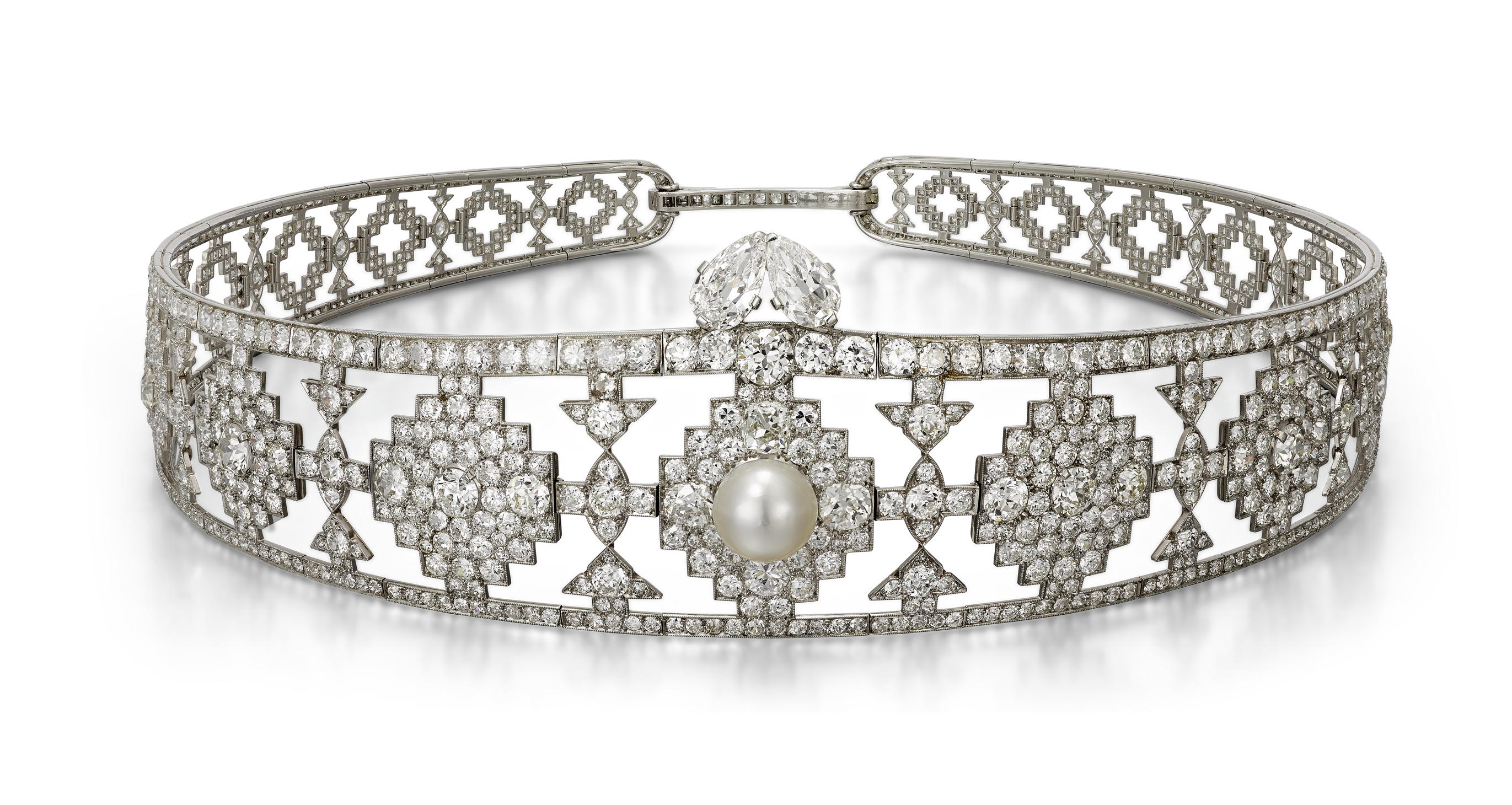
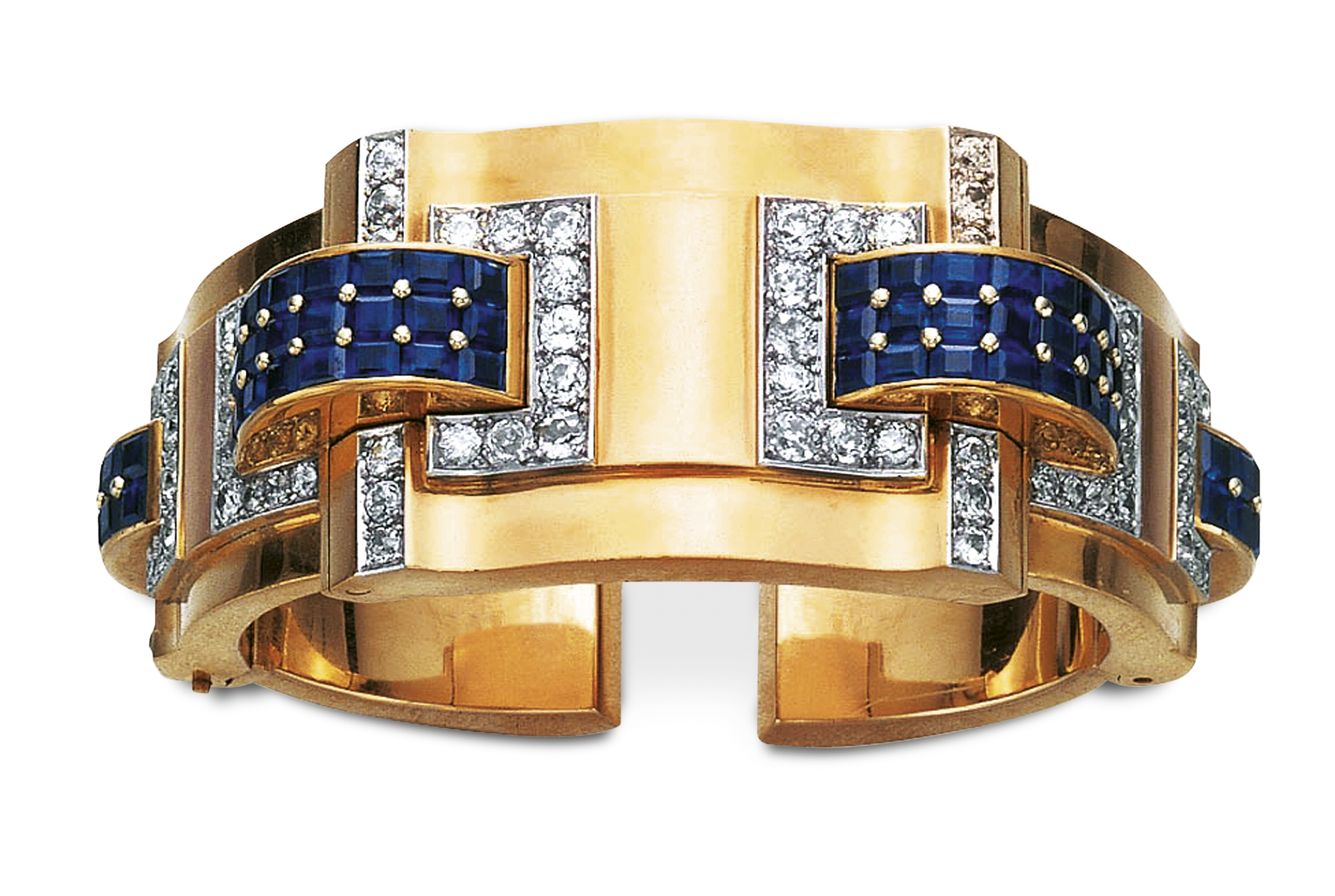
Doris Duke’s jewelry collection was representative of 20th century jewelry, encompassing hundreds of pieces including many Cartier designs inherited from her mother, Nanaline Holt Inman Duke. Among these were a magnificent diamond and pearl Belle Époque necklace and a diamond and pearl tiara acquired in 1924, now kept in the Cartier Collection. Among other items, the Maison’s archives also list an Art Deco bracelet in yellow gold set with diamonds and sapphires, another bracelet from 1924 adorned with an impressive emerald-cut sapphire from Ceylon, and a luxurious evening bag.
A life dedicated to beauty
Not content with owning some of the finest jewelry of the era, Doris Duke also acquired a great number of artworks during her lifetime, with the help of her interior decorator, Eduardo Tirella. As an enlightened collector, she amassed pieces of antique French and English furniture and built up an exceptional wine cellar, which is considered a reference to this day.
Driven by curiosity, she tried out many activities throughout her life, including dance (under the direction of the famous choreographer Martha Graham), theater, jazz piano, and surfing. She generally excelled in the art of horticulture, with a special knack for growing orchids.
A legacy of philanthropy
Following the death of her only child, born prematurely in 1940, Doris Duke left for Europe, traversing the war-torn continent as a correspondent for the American press. She divorced James Cromwell in 1943 and moved to Paris, where she worked with Harper’s Bazaar magazine for a while. In 1947 she got married again, to Dominican diplomat and womanizer Porfirio Rubirosa, but this marriage did not last long. Six years later Rubirosa wed Barbara Hutton, which continued to feed the gossip mill and promoted comparisons between the women, two lonesome heiresses born just days apart.
During her lifetime Doris Duke did distinguish herself by her unparalleled generosity. At the age of 21 – no doubt prompted by recollections of her father’s philanthropy – she set up the first of her foundations, Independent Aids, which became the Doris Duke Charitable Foundation (DDCF) after her death in 1993. In accordance with her wishes, the DDCF was the beneficiary when her jewels were auctioned off and dispersed over the following decades.