
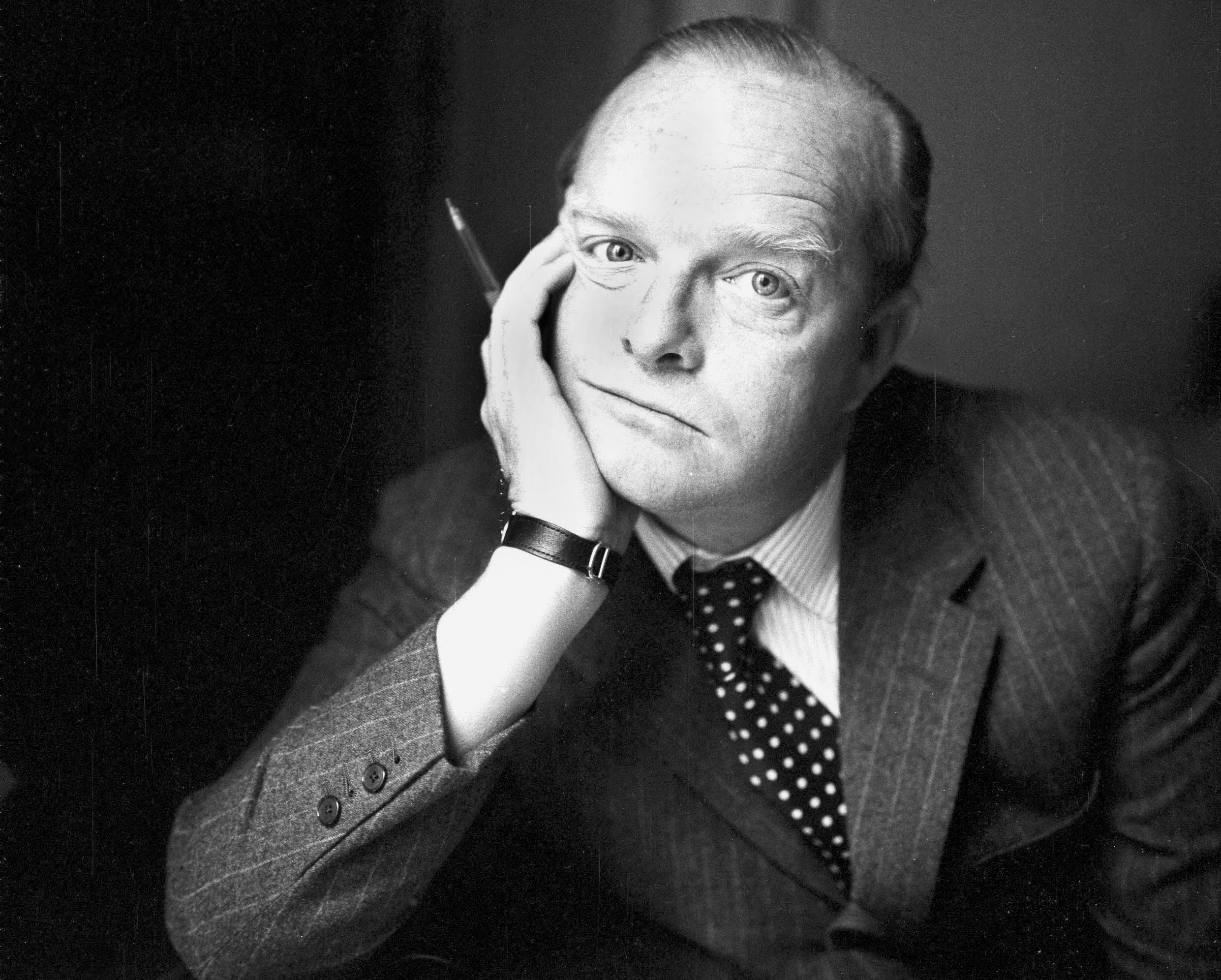
Truman Capote (1924–1984) earned international renown as a major 20th-century American author and was also known for his love of Cartier watches, especially the Tank and the Santos.
Truman Streckfus Persons was born on September 30, 1924, in New Orleans. To escape the tumultuous life his parents led, he was entrusted to his aunts from an early age and spent his childhood on an Alabama farm. In 1932 his mother remarried. Two years later Truman was adopted by his stepfather, José García Capote, taking his surname. It was during this period that he began to write. Shutting himself away in his room, he set himself strict writing exercises every day to practice the craft.
Capote had already authored several short stories by the time he was 17. He started freelancing for The New Yorker, while also submitting stories to magazines Harper’s Bazaar and Mademoiselle. His first novel, Other Voices, Other Rooms, was published in 1948. The book was an instant bestseller, propelled by critical acclaim and an intriguing cover photograph of the young writer looking brooding and defiant.
He went on to author other successes – Miriam, The Grass Harp, and of course Breakfast at Tiffany’s, traveling the world to find inspiration in idyllic settings with Jack Dunphy, also a writer and Capote’s partner for the next thirty years. As he ascended to America’s literary elite, Capote also became fascinated with journalistic accounts and the work of factual reporting. His published pieces gave rise to a new literary genre, known as the nonfiction novel or narrative journalism. While this writing style was very controversial at the time, it would catapult its instigator to international renown.
In November 1959, gripped by a story reported in the New York Times about a murky quadruple homicide, Capote set about writing what was to be his greatest literary success, In Cold Blood. He traveled to Kansas to research the case, delving into small-town life, meeting the investigators in charge, and interviewing both the victims’ relatives and the accused. His book didn’t come out until six years later, when it was received as one of the most influential works to be published in the latter half of the 20th century. Capote was left profoundly affected by the macabre saga.
His newfound popularity acted as a diversion. He was a frequent guest on TV talk shows and threw himself into the social whirl, organizing what came to be known as the Party of the Century in New York, the November 1966 Black and White Ball. Capote played on his eccentric image as a dandy with a high-pitched voice and soon gained a reputation as “the American Cocteau”: brilliant, flamboyant, and provocative. He was the darling of high society women – rich heiresses and wives of great men flocked around him, including Babe Paley, Lee Radziwill, Barbara Hutton, C. Z. Guest, Marella Agnelli, and Gloria Guinness. They were a glittering group, dressing in Givenchy and Balenciaga and dripping in fine jewels, including designs by Cartier. Capote called them his “swans.”
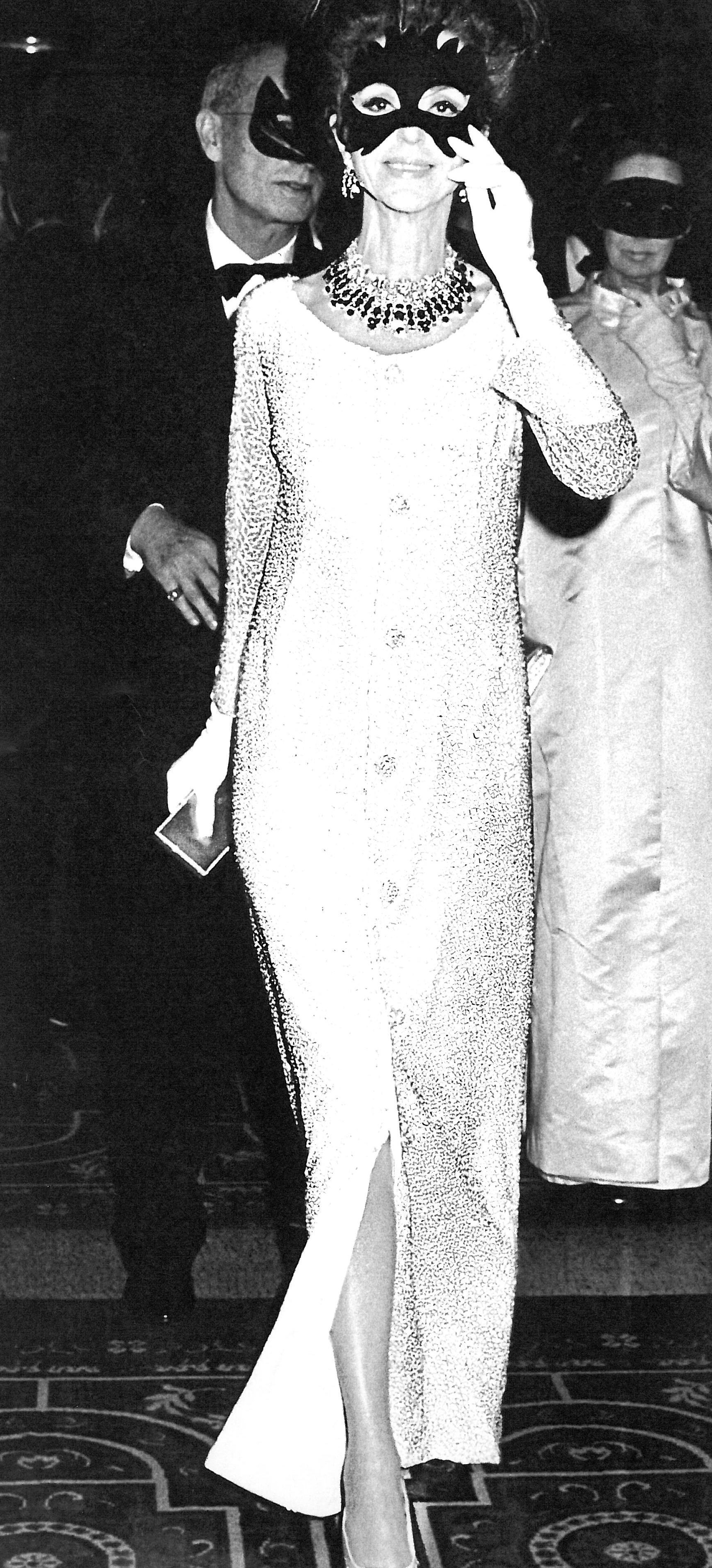
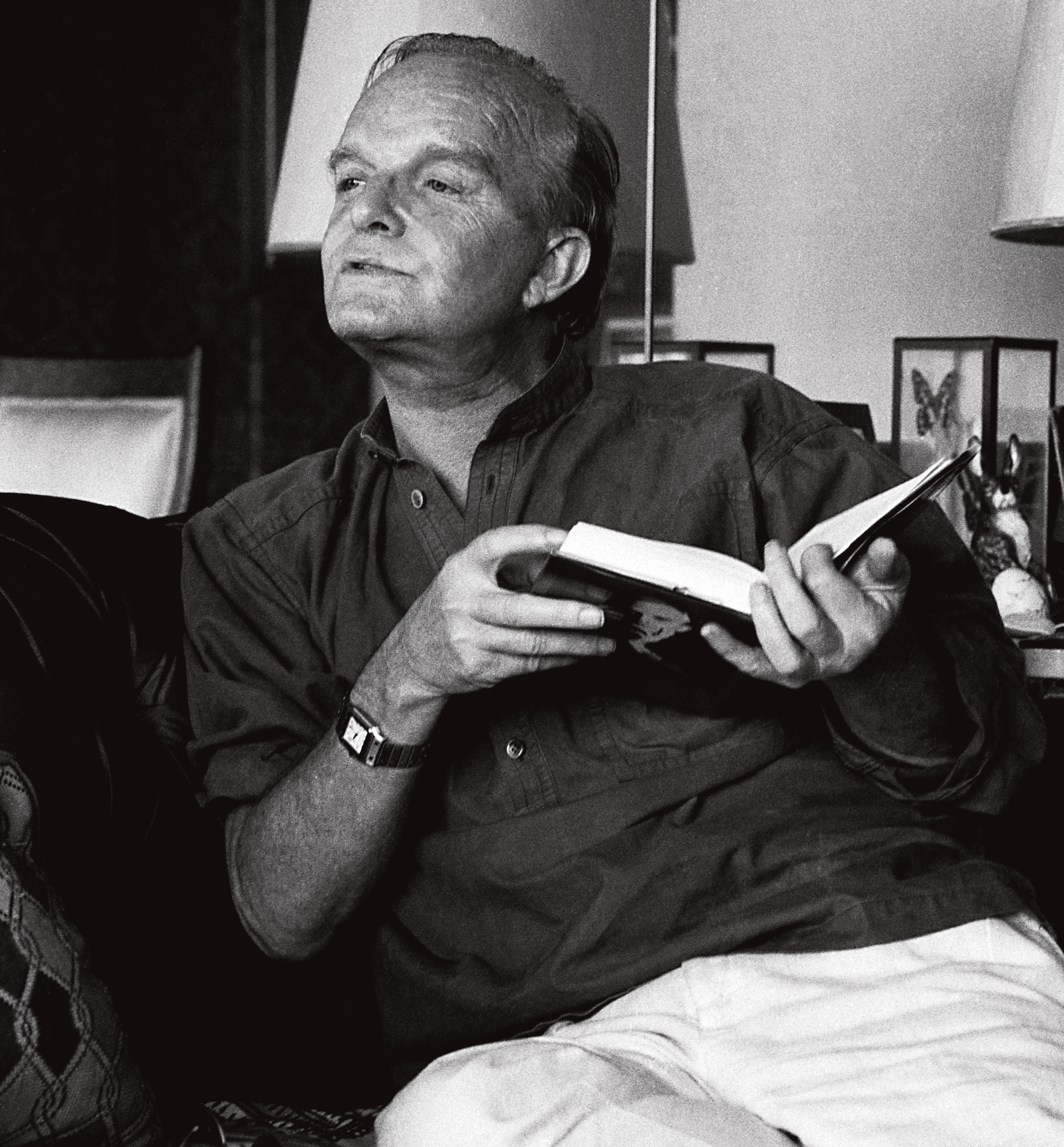
As one of the beautiful people, the writer was immortalized in photographs by Sir Cecil Beaton, Elliott Erwitt, and Slim Aarons that captured his acerbic wit. Often, these pictures show him wearing one particular accessory, an indisputable symbol of elegance – a Tank or Santos watch by Cartier. The story goes that Capote interrupted an interview with a journalist from Esquire magazine, who’d let slip it was his birthday that day, and handed him the Tank watch he was wearing himself, saying: “Take that ugly watch off your wrist and put on this one!” The nonplussed journalist initially refused, until Capote insisted: “I beg you, keep it, I have at least seven at home!”
By the late 1960s Capote’s career had stalled, impeded by his destructive lifestyle. In 1975 Esquire magazine published excerpts from Answered Prayers, the novel he had been laboring on for quite some time. His high society friends in New York were horrified when they read these stories. Capote had drawn heavily on their private lives, and he revealed their darkest secrets in his writing. Now they brutally exiled him from society. The provocative American author gradually withdrew from public life, before passing away in 1984. He left behind a substantial literary legacy and a collection of Cartier watches that was just as extraordinary.