

Mona Bismarck (1897–1983) was a leading figure in American high society. Renowned for her beauty and elegance, she was a loyal client of Cartier.
Margaret Edmona Travis Strader, known as Mona, was born in 1897 in Louisville, Kentucky, the daughter of a horse farm worker. She grew up in a very modest family setting, disrupted by her parents’ divorce. Only through her successive marriages did she manage to emancipate herself from these low beginnings to achieve wealth and social status.
In 1917 Mona married Henry J. Schlesinger, a rich businessman from Milwaukee. They had a son together, Robert Henry. A few years later the couple divorced. Mona got remarried, this time to James Irving Bush, a banker fourteen years her senior.
After this second marriage failed too, Mona moved to New York in 1926 and opened a dress store. During this period she met Harrison Williams, an influential tycoon believed to be one of the richest men in America. He was won over by her beauty, while she appreciated his commanding stature and refined tastes. The couple married in the summer of 1926.
Mona’s life changed completely, and from then on she would devote herself entirely to living a life of sophistication and pleasure. She divided her time between the couple’s various residences in New York, Long Island and Capri, which she had tastefully redecorated and filled with beautiful paintings by masters such as Goya and Boucher. The stunningly elegant young Mrs. Williams drew everyone’s attention at the endless round of fashionable parties she was always invited to.
Diana Vreeland, American Vogue’s editor-in-chief, described Mona as “an extraordinary beauty,” while Cecil Beaton, who photographed her on numerous occasions, described her as a “rock crystal goddess with aquamarine eyes.” She was regularly featured on the front covers of magazines. The press was as fascinated by her beauty as by her outfits, which were ordered from Paris’s great couture houses and which dictated the fashion. In 1933 she was voted “best dressed woman in the world.” Hubert de Givenchy became her favorite designer after he left Balenciaga to set up his own fashion house. He claims that, on her instructions, “we made spectacular dresses for her that showed off her jewelry.”
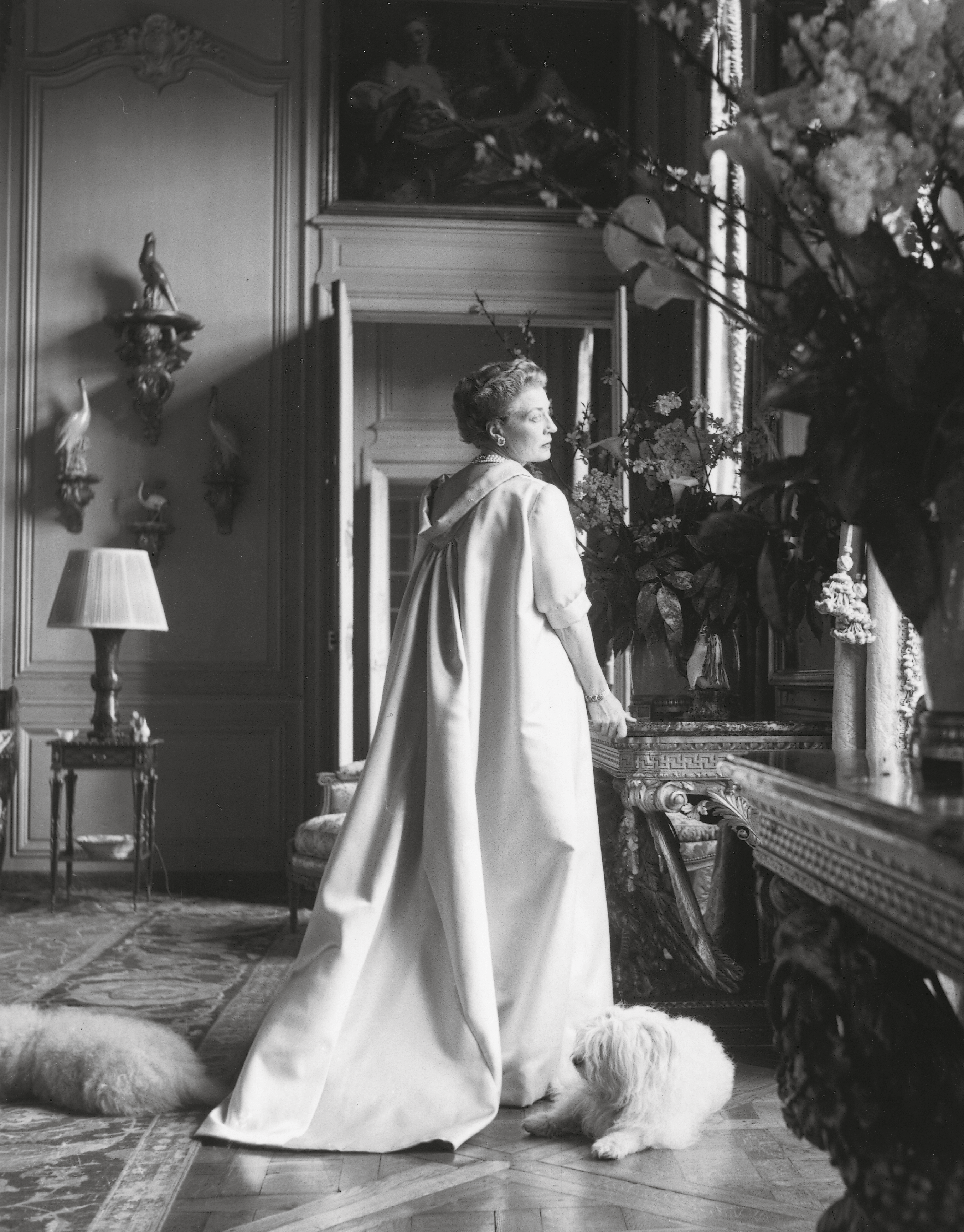
Mona loved jewelry and was a loyal client of Cartier, amassing necklaces, flower motif earrings, an Art Deco brooch, a set of pearl jewelry, and a sapphire, emerald and jade bracelet. One of her most magnificent Cartier pieces is probably the platinum, sapphire and diamond necklace she commissioned from Cartier New York in 1927, which was altered in 1959 and is now kept at the Smithsonian Institution in Washington. Mona Bismarck’s collection ranked as one of the 20th century’s most dazzling, alongside that of her friend the Duchess of Windsor. Although her jewelry reflected successive fashions, it also attested to Bismarck’s very personal penchant for matching her jewelry and clothes.
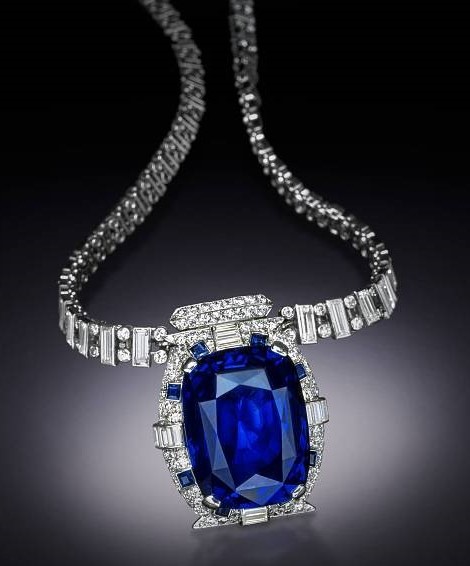
Hubert de Givenchy confirmed that “the neckline of her gowns had to precisely underscore the splendid ruby or emerald necklaces, yet the garments had to be cut so they faded into the background, and all the focus was on those breathtaking jewels.”
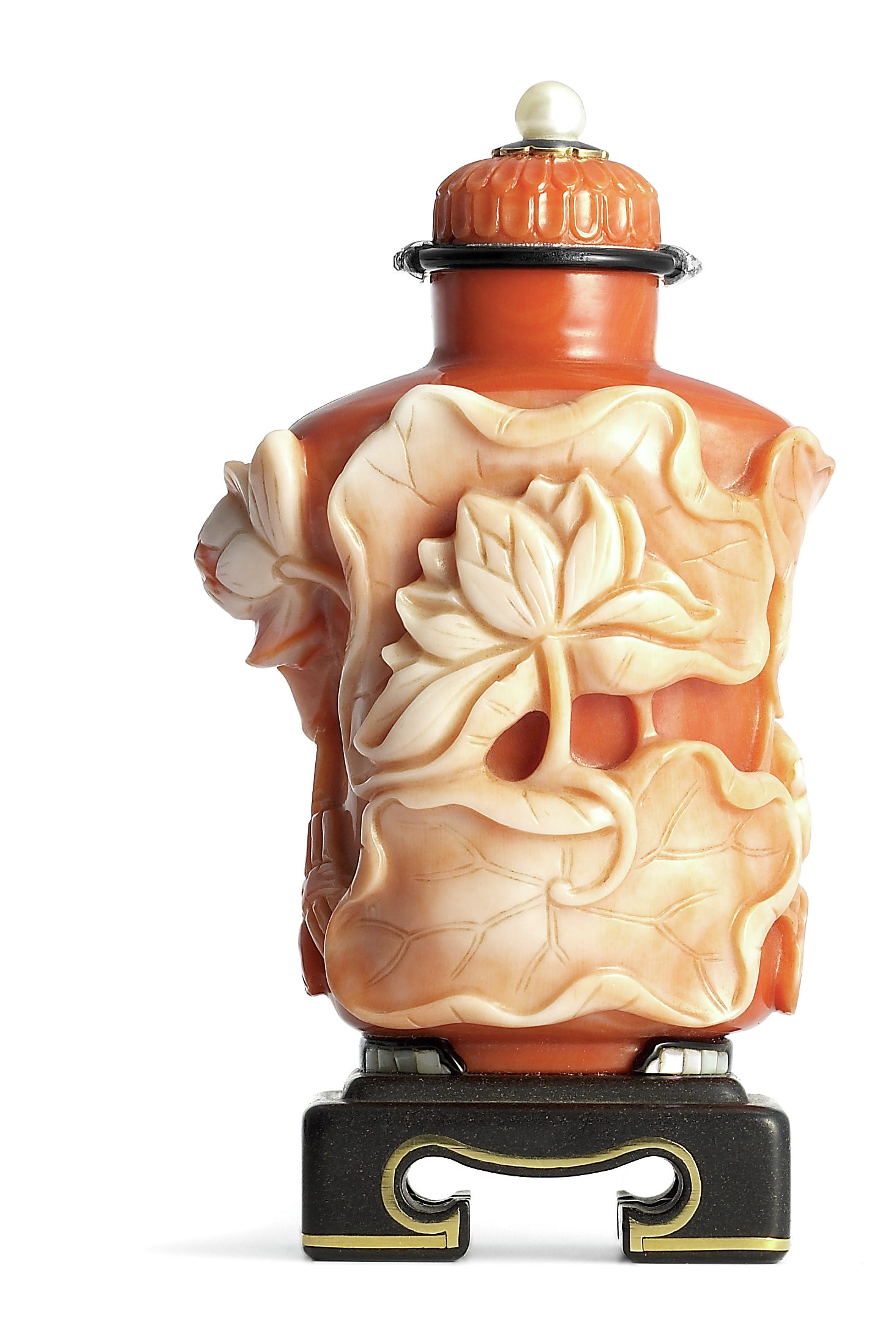
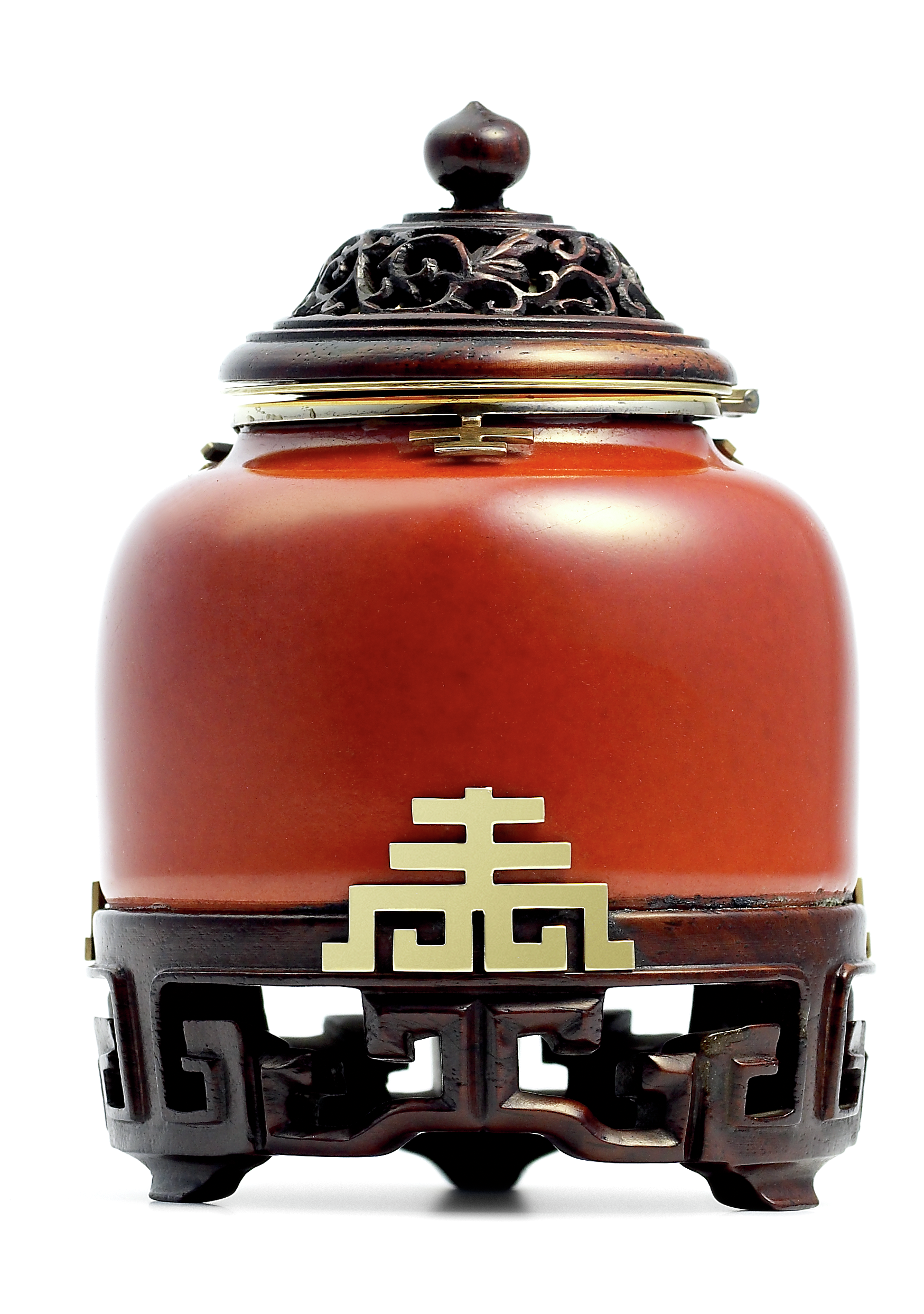
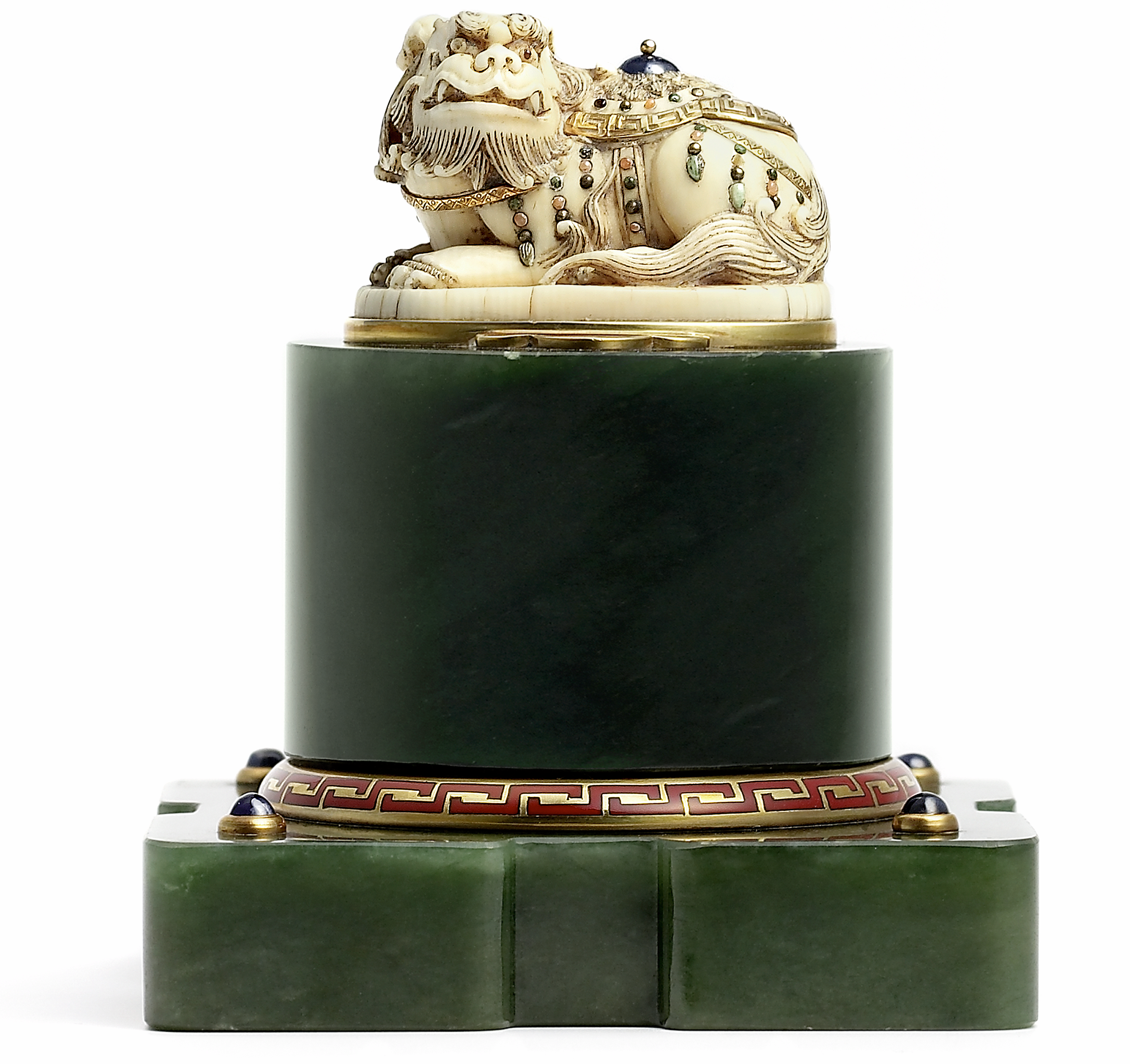
Mona’s many journeys to different corners of the globe kindled a passion for antiques, especially Chinese porcelain, and she acquired several Asian-inspired decorative objects from Cartier. These included a bottle, commissioned in 1926 and crafted from 19th-century Chinese carved coral embellished with diamonds and a pearl, some porcelain inkwells, and a paperweight adorned with a sculpted quartz figurine of a chimera.
Following Harrison Williams’s death after a long illness, Mona was widowed in 1953. A few years later she wed Count Edward Bismarck, grandson of the illustrious German chancellor. The couple settled in Paris, in the palatial Hôtel Lambert mansion on the Ile Saint-Louis. Now a countess, Mona made her mark in Europe’s aristocratic circles, just as she had conquered high society on the other side of the Atlantic.
After Count Bismarck died, Mona wed for the fifth and final time, marrying his doctor, who she divorced in 1979. She was by then in her eighties and divided her time between Capri and Paris, where she passed away four years later. Society photographer and diarist Cecil Beaton paid her this vibrant tribute: “Her homes, her furniture, her jewelry, her lifestyle… All of it was little short of a tour de force.”