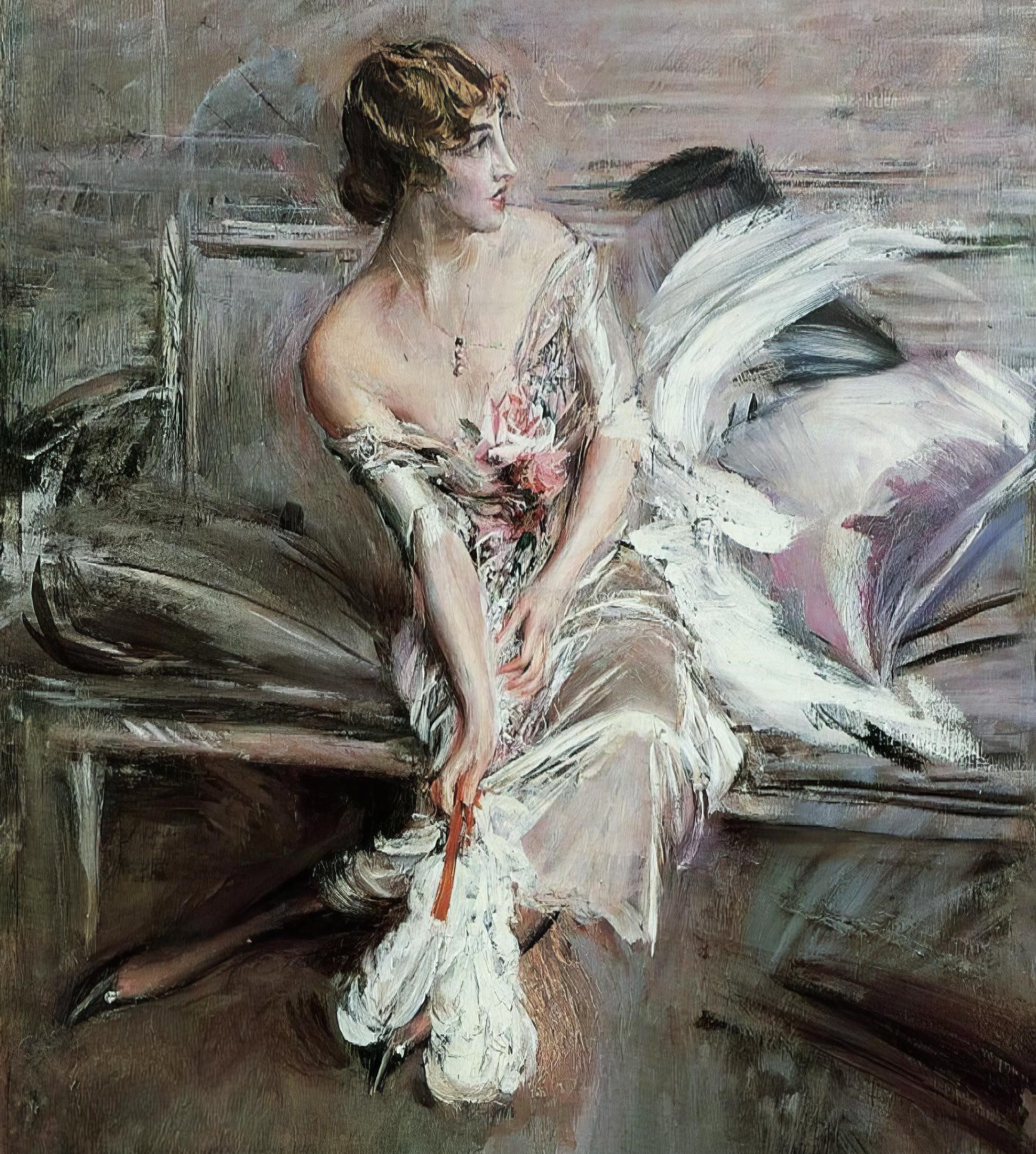
A celebrated beauty and muse to great artists, Gladys Deacon (1881–1977) married Charles Spencer-Churchill, Duke of Marlborough, in 1921.
Gladys Marie Deacon was born in Paris in 1881, the daughter of Boston millionaire Edward Parker Deacon and granddaughter on her mother’s side to the American Admiral Charles H. Baldwin. The family was torn apart by a scandal, leading her parents to divorce when she was only 11. Her difficult childhood was then divided between France, Germany, and the United States. A sensitive and very beautiful woman who epitomized classical Hellenic ideals, Gladys drew admiration from an early age. Her wit and elegance made her a muse of the artistic world.
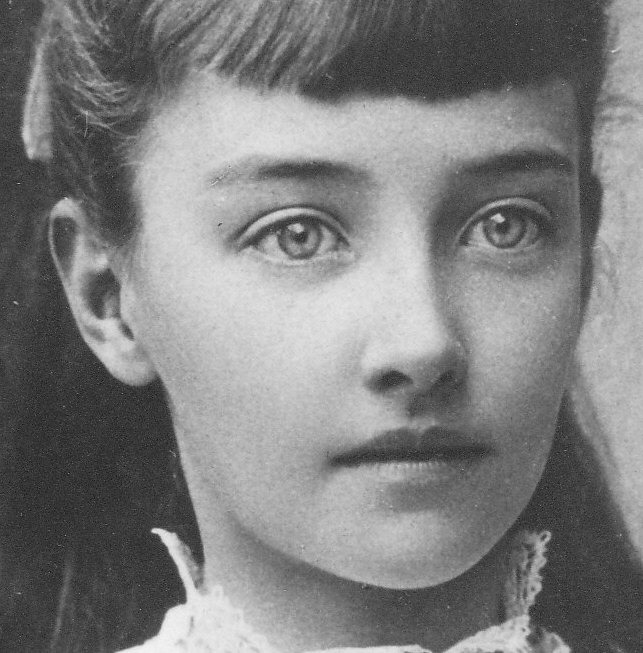
The sculptor Jacob Epstein described her as “a woman of great discrimination in art,” the poet Robert de Montesquiou compared her to an angel, while writer and society chronicler Marcel Proust – whose famous novel In Search of Lost Time featured a character based on Gladys – said: “I never saw a girl with such beauty, such magnificent intelligence, such goodness and charm.”
Her powerful appeal made her one of the most desirable women in Europe. It is said her conquests included Crown Prince Wilhelm of Germany. She would eventually marry another man, an equally distinguished match: Charles Spencer-Churchill, 9th Duke of Marlborough. Gladys and he wed in June 1921, just after he divorced the American heiress, Consuelo Vanderbilt.
Now a duchess, Gladys fully embraced her new status. Her social position required her to attend fashionable parties, although as the second wife of a divorced man, she was often denied the recognition due to her high rank. She also had to accompany her husband to official ceremonies, such as the annual State Opening of Parliament.
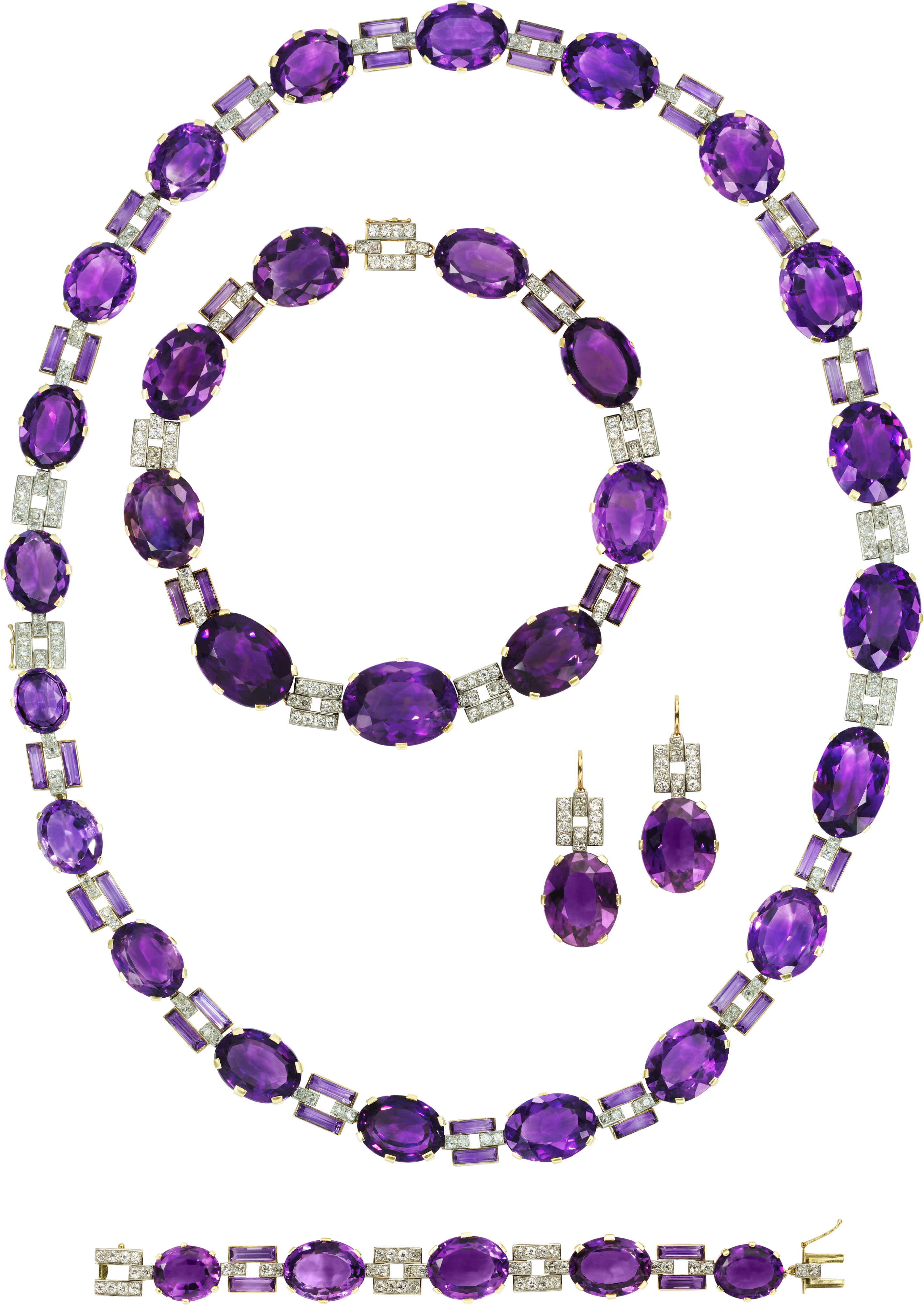
She put together a lavish wardrobe for these occasions, and by the late 1920s she had amassed an equally impressive collection of jewelry. In 1926, Gladys commissioned Cartier London to make her a long amethyst and diamond sautoir necklace with a big turquoise and amethyst clasp. This necklace would be modified several times over the following years, and the turquoise clasp removed. The necklace is now part of the Cartier Collection. In 1928 the Duchess placed another commission with Cartier London, this time for a platinum, emerald and diamond brooch, as well as two round brooches with diamond scrollwork.
On the Duke of Marlborough’s death in 1934, Gladys retired from social life and went on to live in near anonymity until her own passing in 1977.