
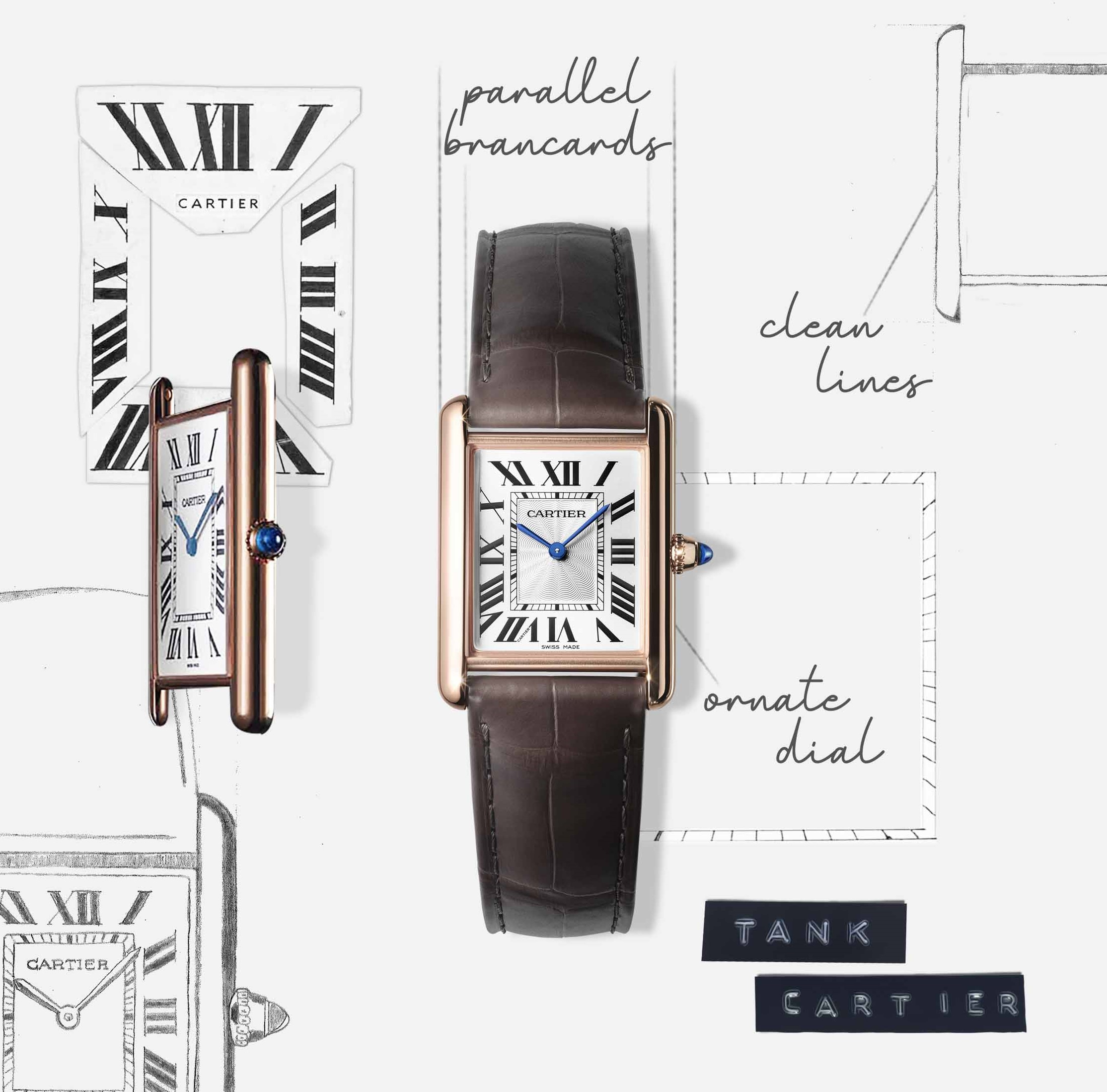
With its clean-lined and timeless design, since 1917 the Tank watch has asserted itself as one of the icons of Cartier and, more broadly, of the watchmaking world.
The origins of an emblematic wristwatch
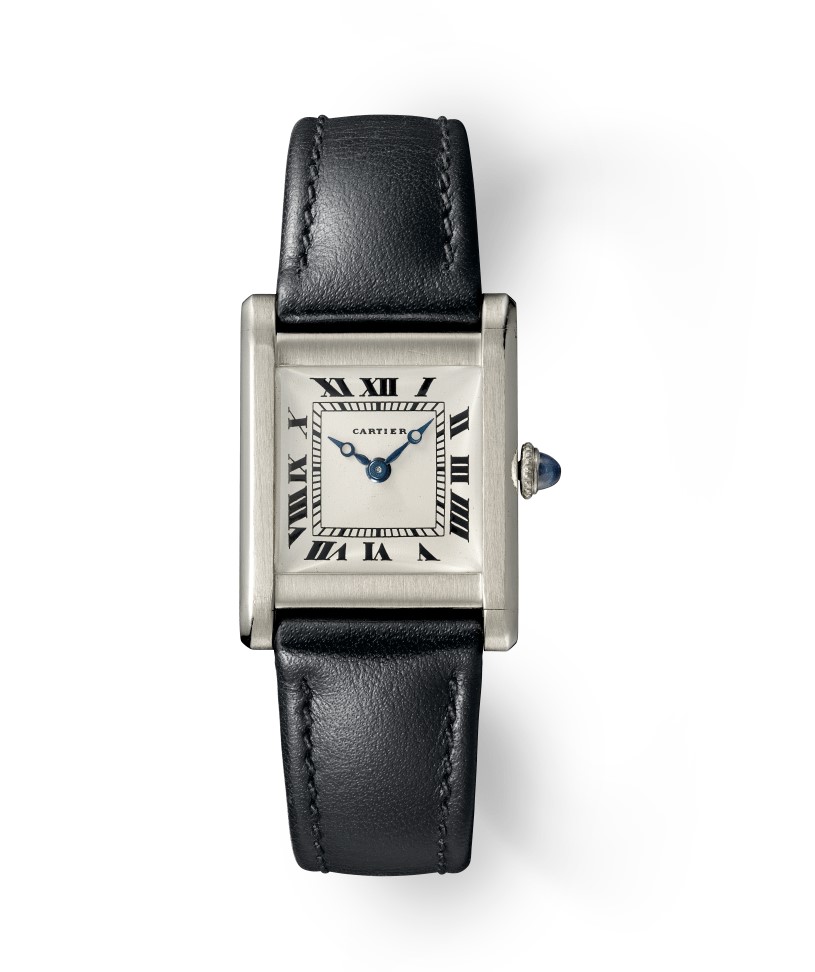
Created in 1917, the Tank borrows its name from the combat vehicle that descended on the battlefields of World War I. Although not directly inspired by it, the watch recalls certain aspects of an assault tank seen from above: a central rectangular body framed by two lines—the tracks of a tank. After having supervised the first prototype, it’s probably this visual similarity that led Louis Cartier to thus name the timekeeper.
Another anecdote ties the watch to military history. Oral tradition has it that, in November 1918 just after the signing of the Armistice, certain of the early exemplars were given to General Pershing, commander of the American Expeditionary Force in Europe, and to some of his officers. In 1919, after World War I was finally over, Cartier marketed the Tank. Its success was immediate, as evidenced by the sale of the first models within a few weeks.
From the Santos to the Tank, the art of refined simplicity applied to watchmaking
The Tank wristwatch is the culmination of Louis Cartier’s reflections on aesthetics, initiated at the beginning of the twentieth century. An aesthete and a visionary, he instigated many changes when he joined his father Alfred at the helm of the Maison in 1898. Louis Cartier urged his jewelry designers to adopt more geometric, simplified forms. He also applied this art of refined simplicity to watchmaking which, according to his vision, should carry out the fusion of style and functionality.
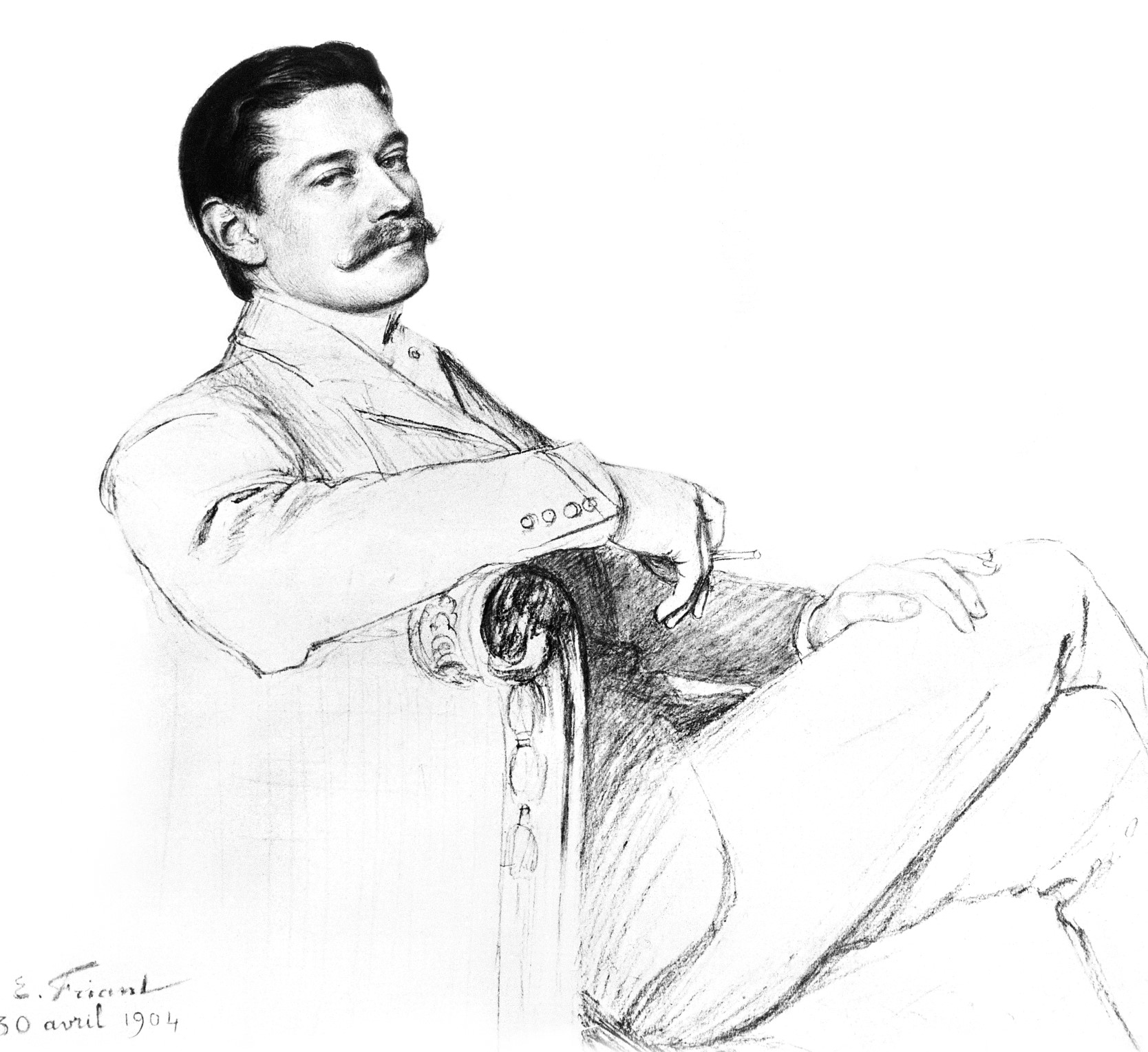
Through technical innovations and the support of talented watchmakers, in 1904 Cartier introduced the Santos, the first watch specifically designed to be worn on the wrist. Often described as the first modern wristwatch, this model sought to reduce the disconnect between the case and the bracelet, their respective lines now merging seamlessly. With the Tank, a new milestone was reached in which the case, lugs and bracelet form a unified whole. The design—a clean, understated straight line—is characterized by the continuity of its components.
Iconic design
The new creation’s modernness resided in its apparent simplicity. Surpassing all technical limitations, the design successfully united the many components and various materials within the bracelet’s lines, the most essential lines of any wristwatch. This harmony is especially highlighted by the brancards—a distinctive and immediately recognizable Tank feature consisting of two parallel vertical bars which prolong the case’s rectangular shape.
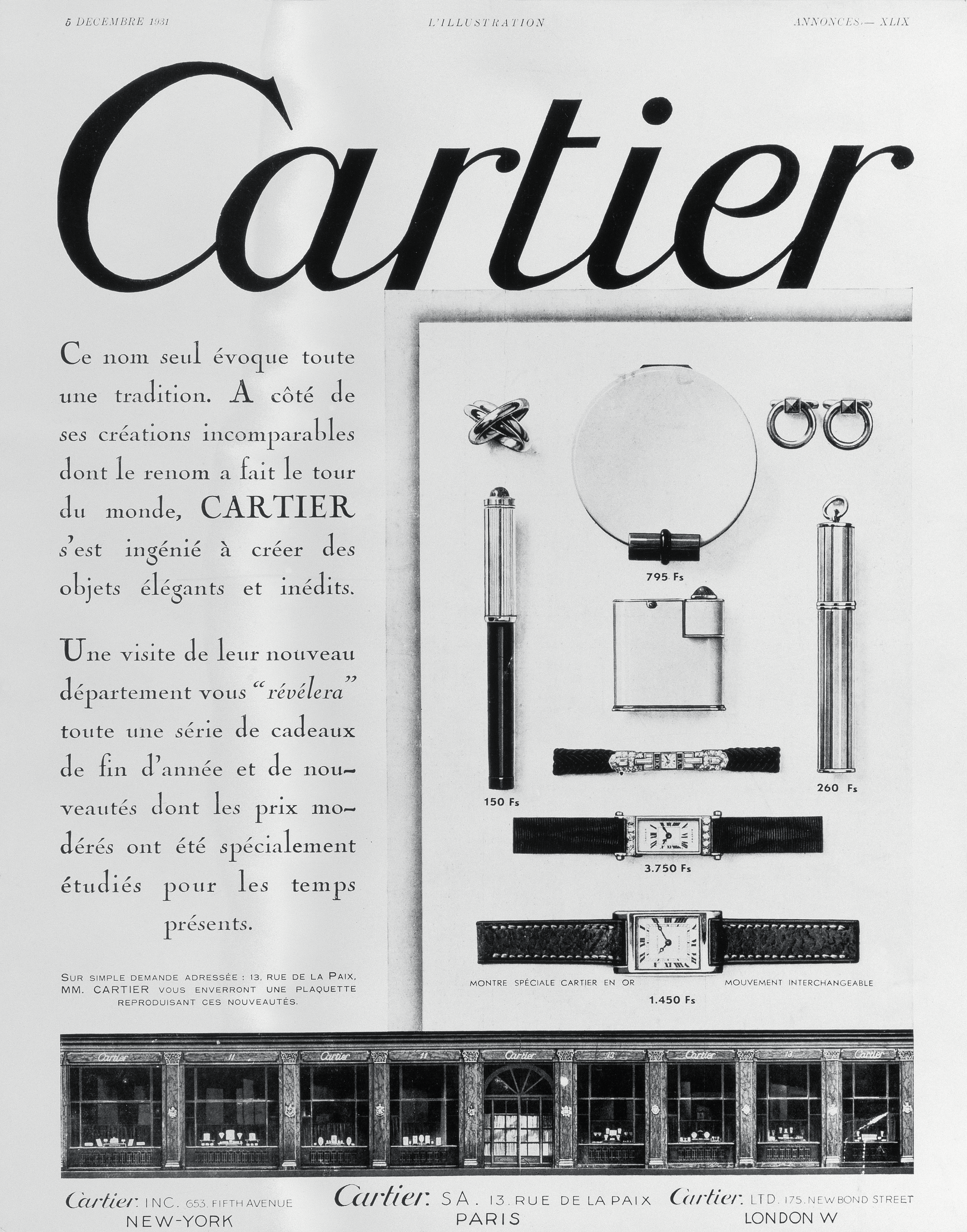
The wristwatch, which over the years became an icon of the Maison, marks the continuity of Cartier timepiece creations by combining all of their emblematic traits. Like the Santos, Tonneau and Tortue wristwatches, a radiating Roman numeral dial marks the hours, a chemin-de-fer chapter ring indicates the minutes and a cabochon sapphire adorns the winding crown.
When the first models were released in 1919, the Tank also boasted the folding buckle invented by Edmond Jaeger, the historic supplier who was bound to Cartier from 1907 until the 1930s by an exclusive contract. With this new device, which offered extra security compared to the traditional pin buckle, the clasp became almost entirely invisible, perfectly reflecting Louis Cartier’s watchmaking philosophy.
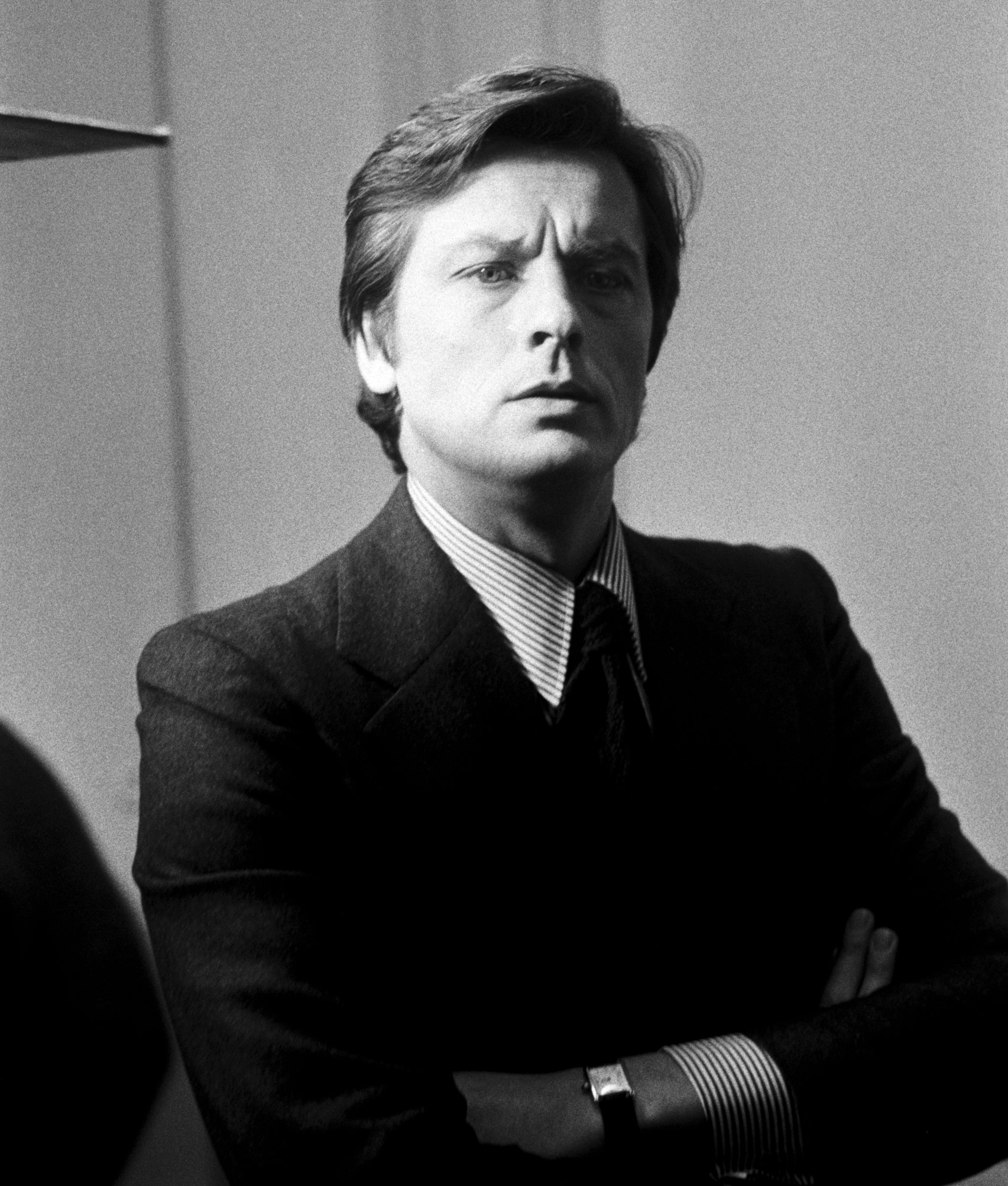


An array of models
Not only is the Tank wristwatch at once modern and timeless, it is also famous for its graphic strength. With each new model, the wristwatch’s design reveals its incredibly versatile nature, its capacity to be immediately recognizable but never set in stone. Some of the most emblematic versions are described below.
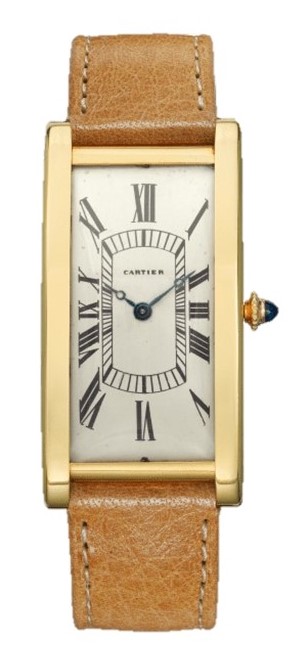
1921
Tank Cintrée
For the first time, the case is curved to match the shape of the wrist, ensuring comfort and elegance. To celebrate the centenary of the Tank wristwatch in 2017, the Maison revisited the Tank Cintrée, adding an unprecedented skeleton movement.
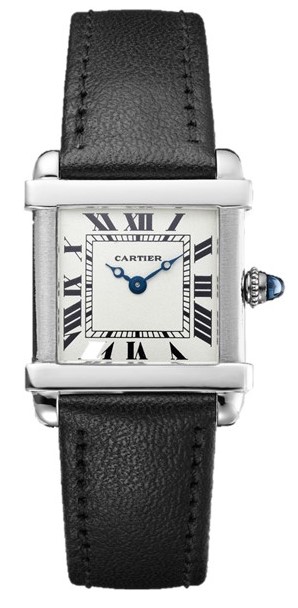
1922
Tank Chinoise
Influenced by the 1920s fascination with faraway civilizations, the design of the Tank Chinoise wristwatch is inspired by the arches of Asian temples.
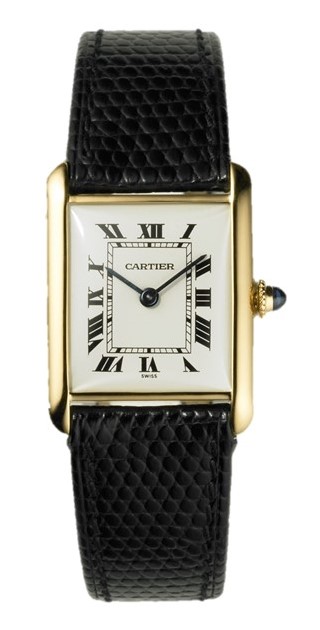
1922
Tank Louis Cartier
The Tank Louis Cartier is distinguished by soft angles and the distinct roundness of the tops of the lugs. Boasting a balanced yet dynamic design, the horizontal lines of the case are slimmer, thus augmenting the visual strength of the vertical brancards.
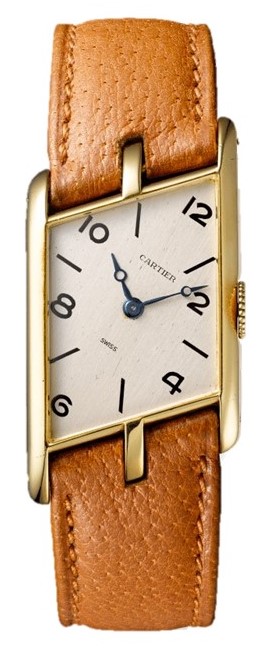
1936
Tank Losange
The Tank Losange was designed in 1936. Also called Tank Parallélogramme or Tank Asymétrique, it is particularly recognizable by the shape of its case, its dial with indexes and the inscription of the hours in Arabic numerals, with the twelve and the six placed in corners.
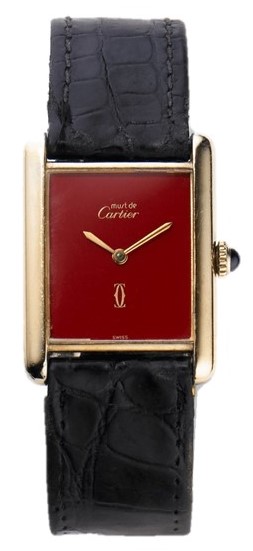
1977
Tank Must
The Tank Must watch was the first timepiece design of Must de Cartier, launched in 1977. While its shape is borrowed from the Tank Louis Cartier, it stands out by its case in vermeil (silver covered with gold), more affordable than previous models. It would be offered in many versions, in particular with solid-colored lacquered dials in black, burgundy, beige, tortoiseshell or midnight blue.

1988
Tank Américaine
The Tank Américaine follows in the footsteps of the Tank Cintrée, borrowing its curved case to hug the wrist contour while updating the design with a more compact rectangular form and rounded brancards.
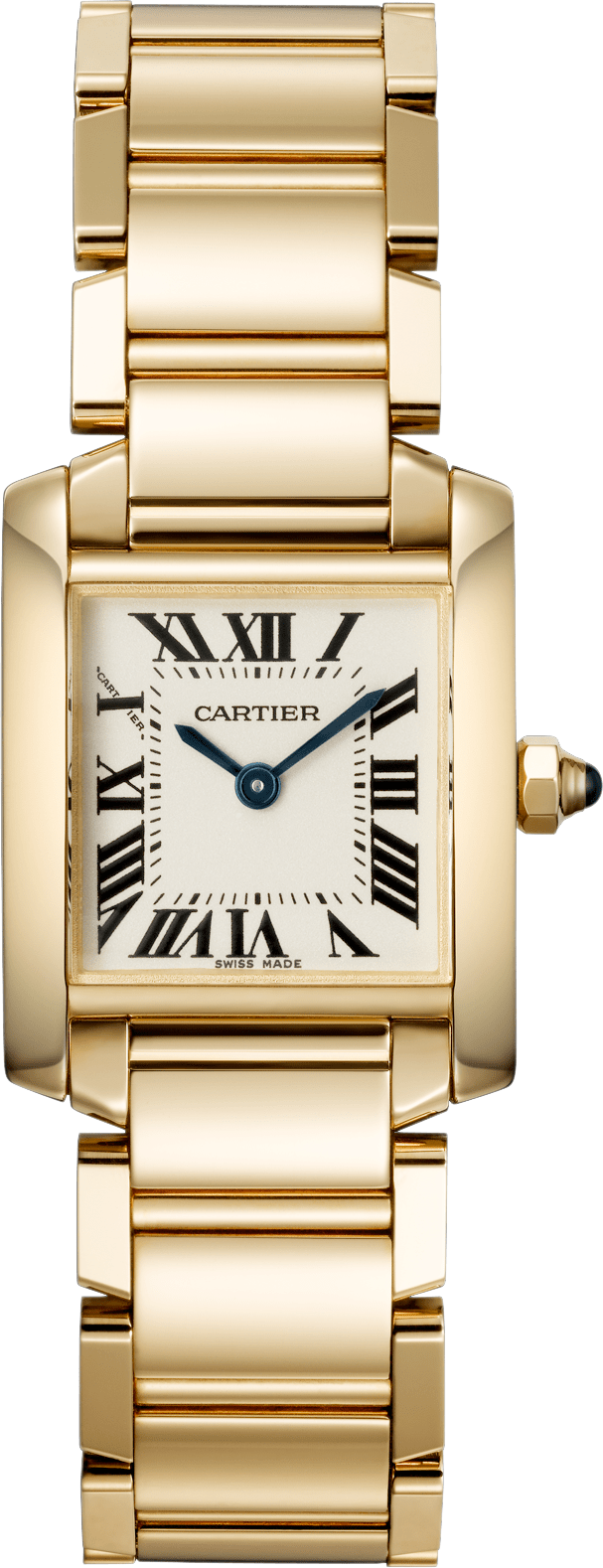
1996
Tank Française
The Tank Française marks a return to squarer lines. The case is integrated into a metal bracelet combining gold and steel for the first time.
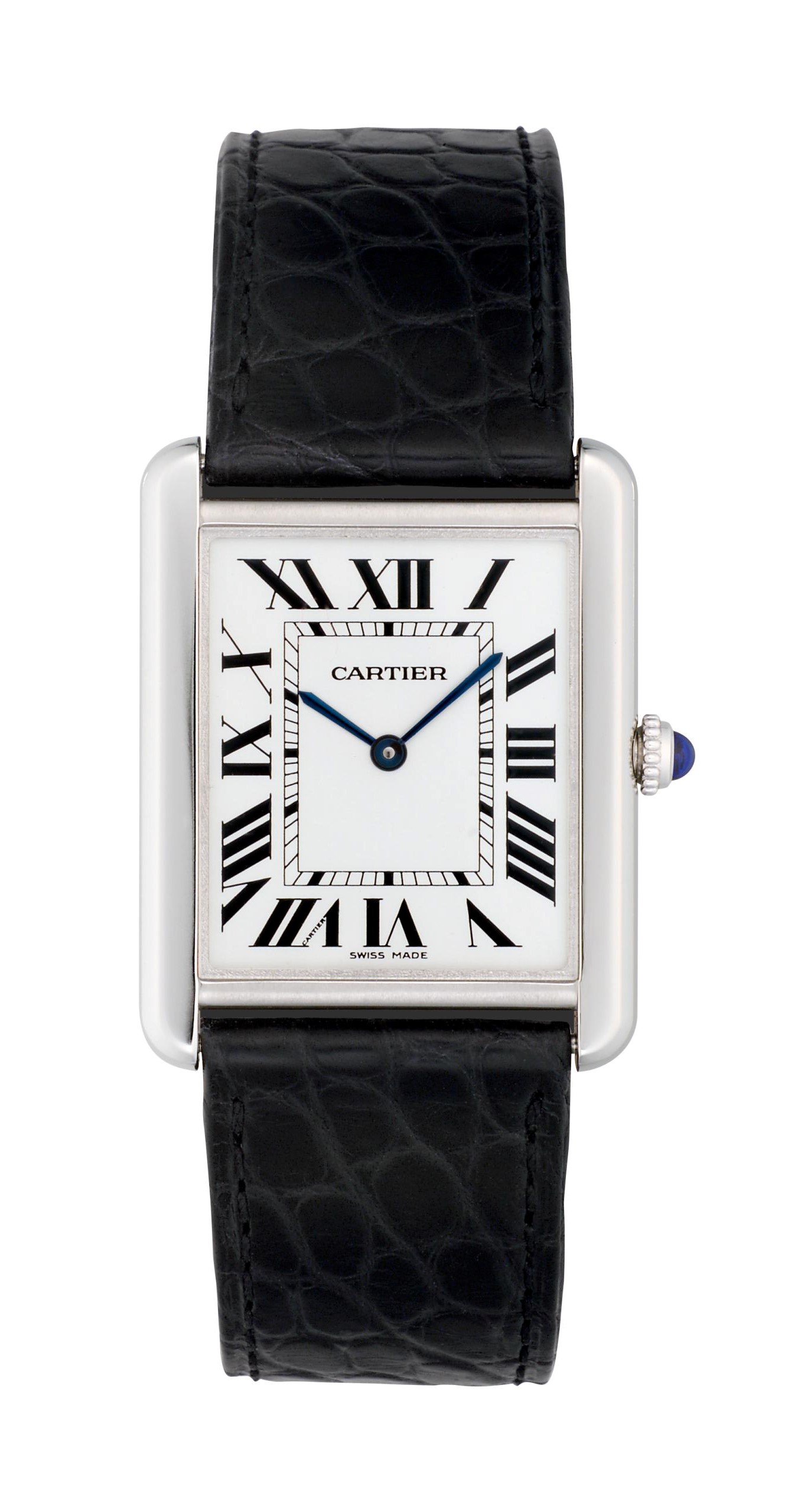
2004
Tank Solo
Made of steel and featuring a quartz movement, the Tank Solo celebrates the original aesthetic codes of the Tank Louis Cartier, with one small difference: the surface of the brancards is flush with the bezel.
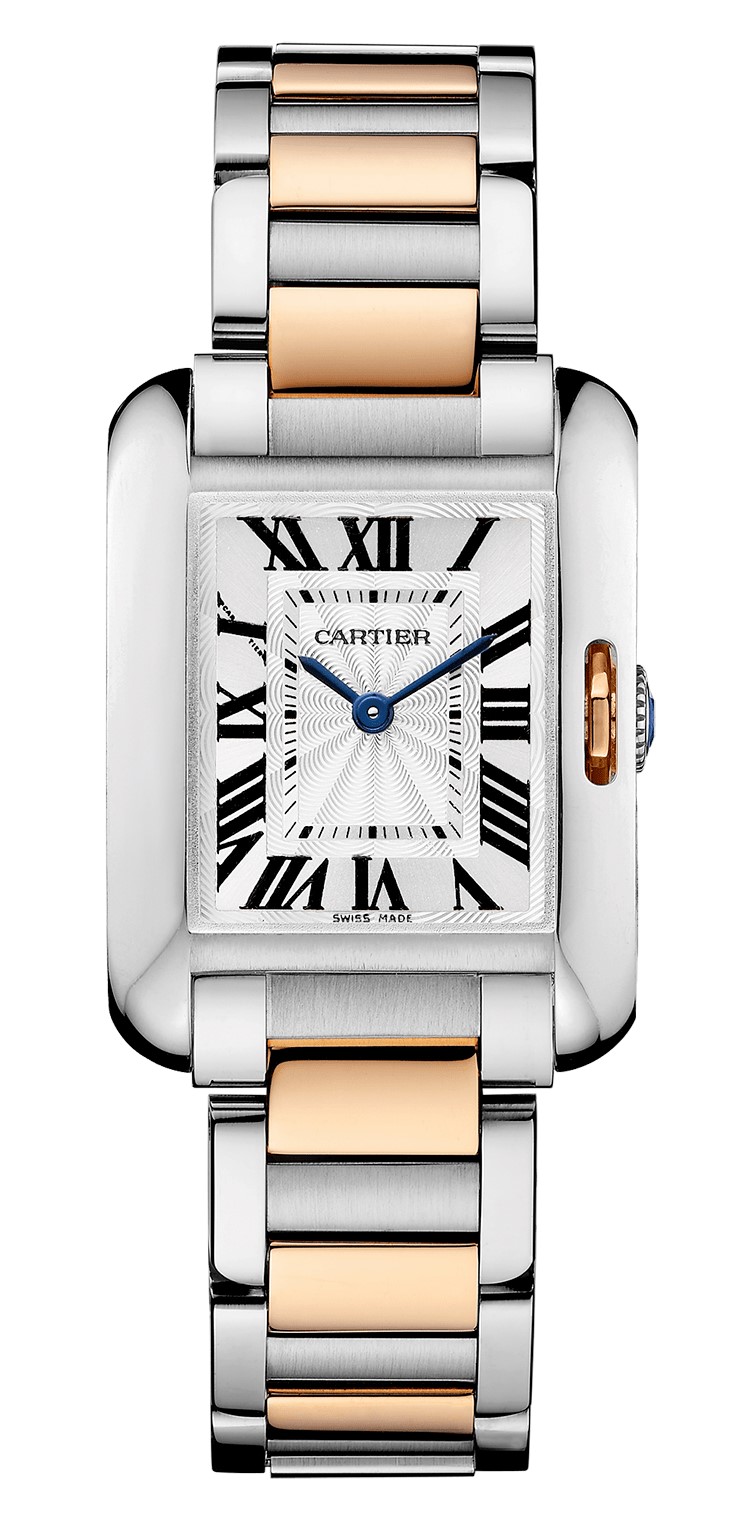
2012
Tank Anglaise
In a quest for continuity, the brancard now houses the winding crown, allowing only the blue cabochon to protrude ever so slightly.
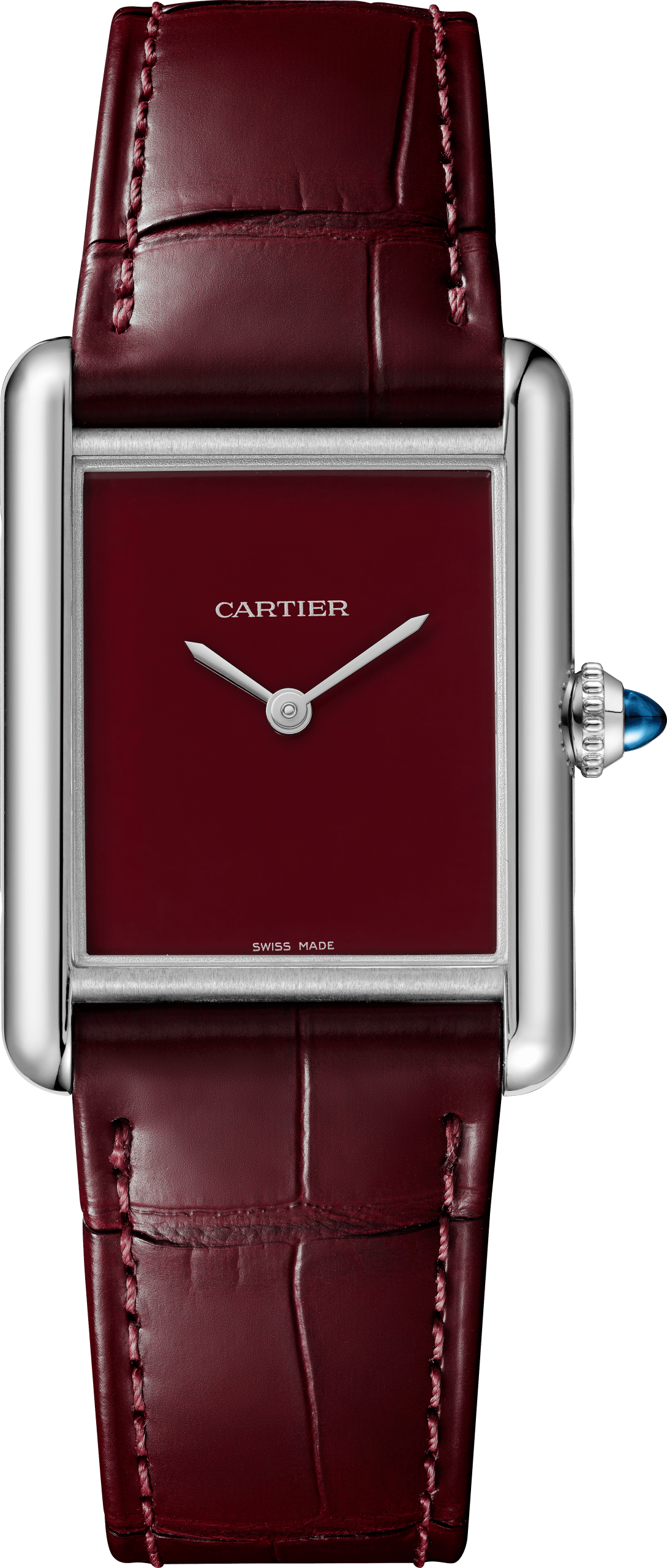
2021
Tank Must
Alongside a quartz model, the Tank Must is equipped with an innovative “SolarBeat” photovoltaic movement, of which it is the first watch to benefit. At the same time, it introduced a vegan leather strap. True to the original spirit of the Must years, solid-color variations are available in red, blue or green.
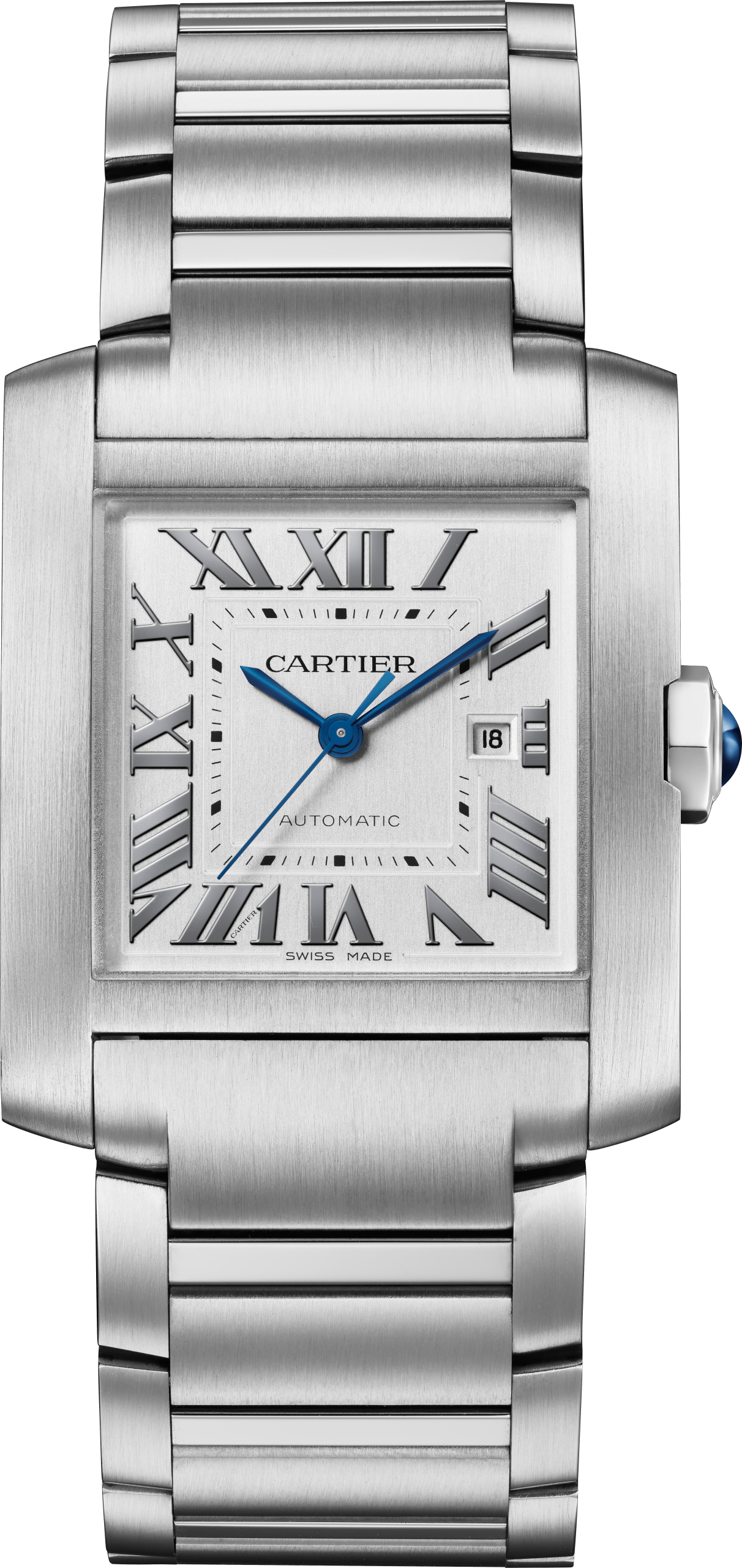
2023
Tank Française
Twenty-seven years after its first launch, the Tank Française comes back with a new look: a slightly more imposing case, a winding crown integrated into the brancards, a redesigned junction between the watch and the strap, as well as satin-brushed or polished finishes, depending on the metal.