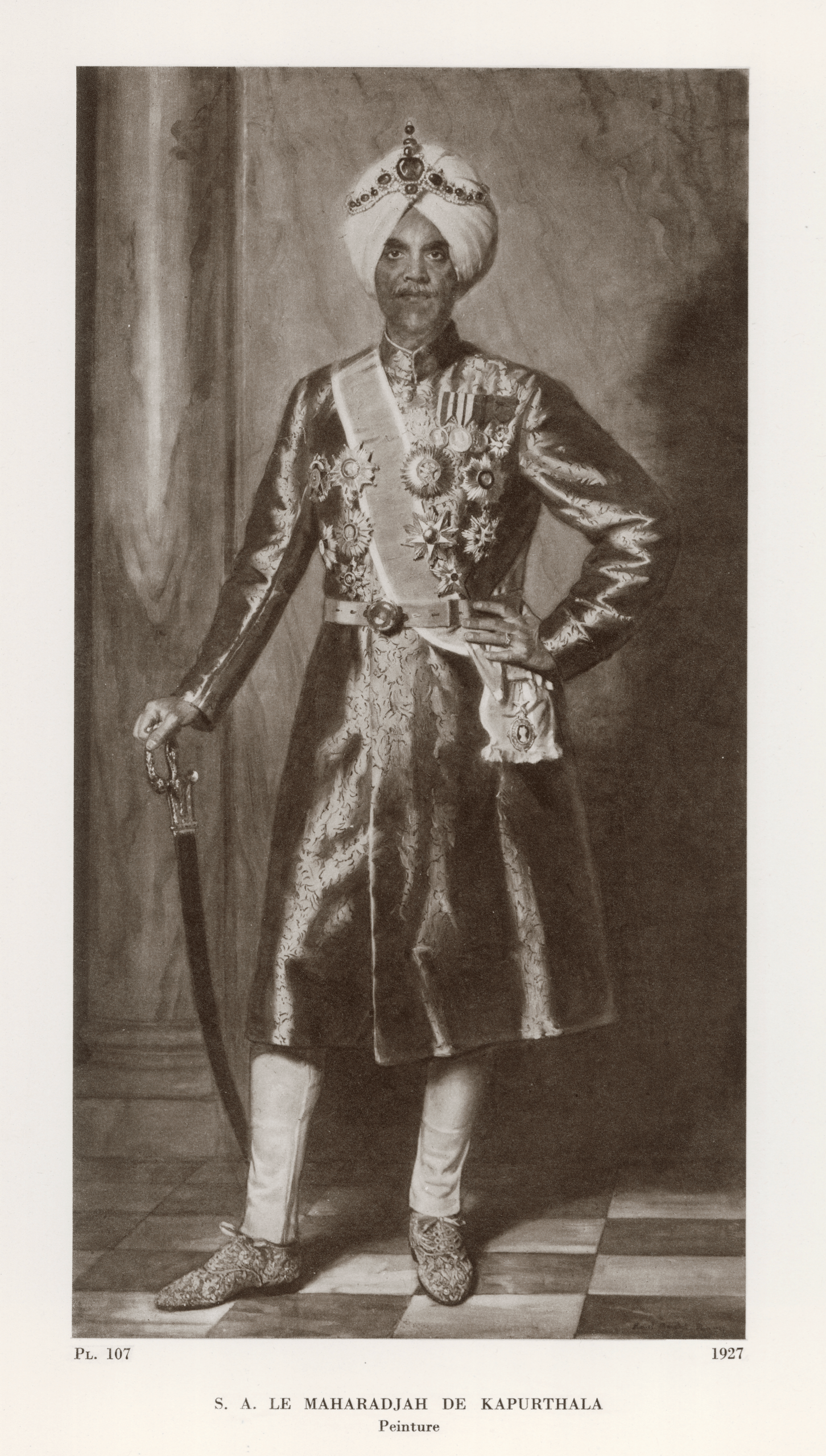
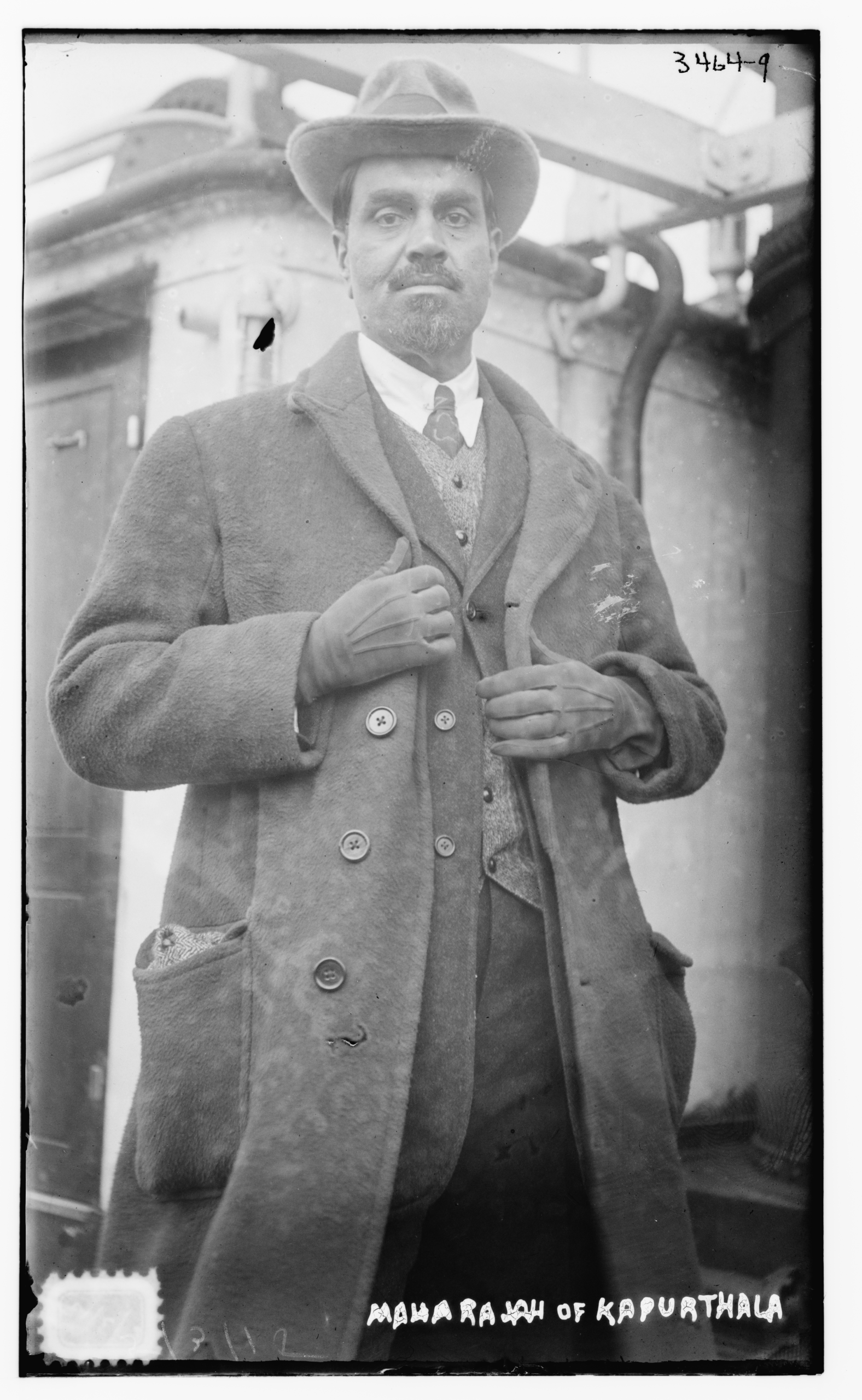
Jagatjit Singh (1872–1949) ruled the princely state of Kapurthala for over seventy years. This cultured and progressive monarch was also a much-admired aesthete, commissioning splendid palaces and Cartier jewelry.
Born in 1872, Jagatjit Singh was five when he ascended to the throne of Kapurthala. But it was only when he came of age in 1890 that he assumed full powers over the little principality in the Punjab region of northern India. He received a sound education from Indian and British tutors, showing enthusiasm for languages – especially French. Science also appealed to him enormously. Throughout his long reign, he always attended the World’s Fairs, where he took the time to not only admire, but also understand, the great inventions of his era.
The policies he implemented in his kingdom were avant-garde. He defended women’s access to education, built hospitals and a railway network, and provided sumptuous places of worship for the many faiths that coexisted peacefully. Although it was among the smallest principalities of that period, Kapurthala was soon considered the best-run, earning the Maharaja admiration from his peers – along with numerous invitations to travel the world.
In 1893 Queen Victoria invited Jagatjit Singh to attend the wedding of her son and future heir Prince George, Duke of York, to Mary of Teck. This trip marked the beginning of a long-lasting friendship with the British ruling family, and the Maharaja was a welcome visitor at the royal residences of Windsor and Balmoral on many occasions. He attended the Queen’s Diamond Jubilee in 1897.
Fourteen years later, in 1911, Jagatjit Singh was invited to the Delhi Durbar celebrating King George V’s coronation. At that occasion, the British monarch conferred on him the title of maharaja (“great king”) – a higher rank than that of rajah, which he had held up until then. To mark the event, the newly crowned Emperor of India gave his friend a Cartier gold, platinum and enamel pocket watch decorated with his coat of arms. It was during these lavish 1911 ceremonies, with guests including Aga Khan III and the Maharajas of Patiala and Nawanagar, among others, that Jagatjit Singh first met Jacques Cartier. Already a client of the jewelers since 1906, he quickly formed a friendship with Jacques that led him – like many of his peers – to entrust the Maison with jewels from his magnificent family collection, so they could be reset in more modern pieces channeling the Art Deco style fashionable at the time.
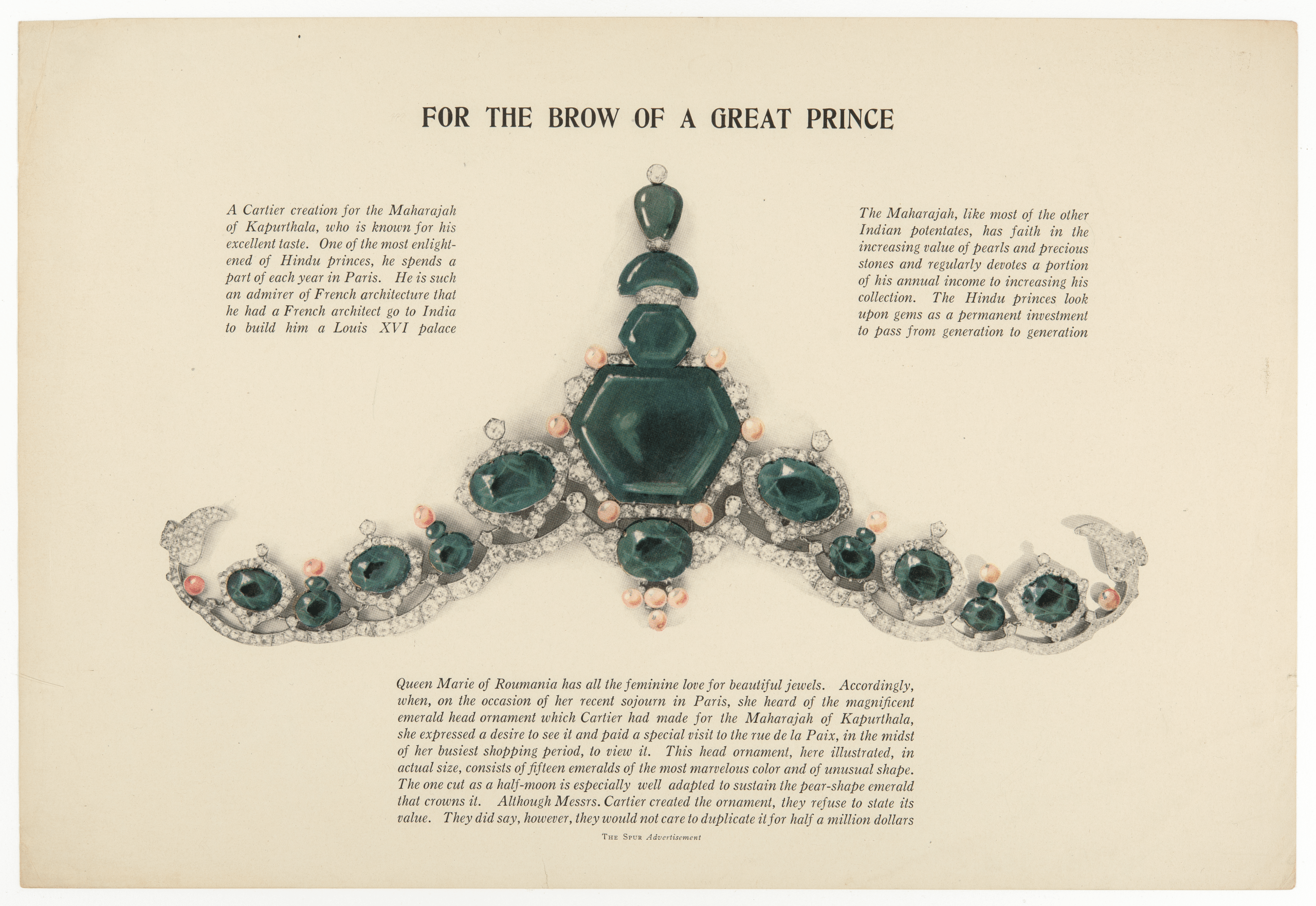
One of his most memorable commissions was placed in 1926 to mark the Maharaja of Kapurthala’s Golden Jubilee, celebrating 50 years of his reign. He wanted to make a dazzling impression and asked Cartier to design a turban ornament in diamond and pearl, showcasing the most valued gems in his treasury: 19 emeralds, with the most impressive hexagonal stone weighing no less than 177.40 carats. “For the Brow of a Great Prince” ran the title of a 1931 advertisement in The Spur magazine, which displayed the jewel. Dubbed the King of Emerald, Jagatjit Singh would wear it on several other prestigious occasions – including King George V’s 1935 Silver Jubilee and the coronation of King George VI in 1937 – elevating the piece’s legendary status even more.
The Maharaja was a great socialite, fraternizing with the Duke and Duchess of Windsor, Elsie de Wolfe, Barbara Hutton, Consuelo Vanderbilt, Mona Bismarck and Winston Churchill, who praised the Indian king’s “charming personality” and “enlightened taste”. Jagatjit Singh felt totally at ease attending high-society soirées, mixing with a cosmopolitan crowd, and being part of this cultured and sophisticated Café Society.
He began to buy, or have built for him, a number of residences in the most fashionable cities, including one in Paris, near the Parc de Bagatelle. This private mansion was surrounded by tennis courts, ready to entertain the many guests who attended his tea parties. It stands not far from Longchamp racecourse as the Maharaja was a great sports fan, and particularly keen on horse racing. He also has a genuine admiration for French culture and style. In 1902 he had the architect Alexandre Marcel build the Royal Palace in Kapurthala. Nicknamed L’Élysée in a nod to France’s presidential palace, it was a bold blend of traditional Rajput and Indo-Mughal decoration and references to French classical style, inspired by the Châteaux of Versailles and Fontainebleau. He also brought back Gobelins tapestries, Sèvres porcelain and 18th century furnishings from France.
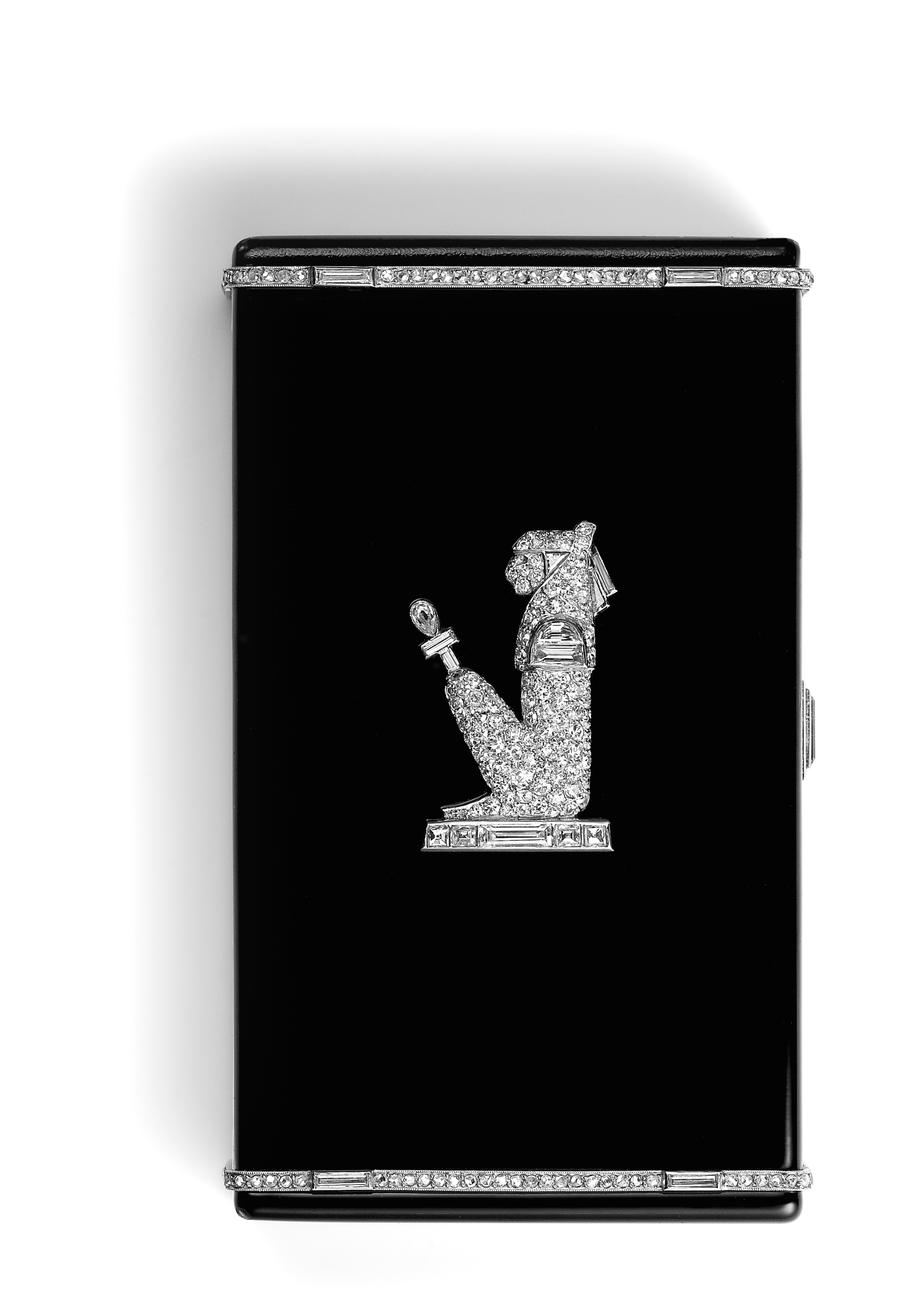
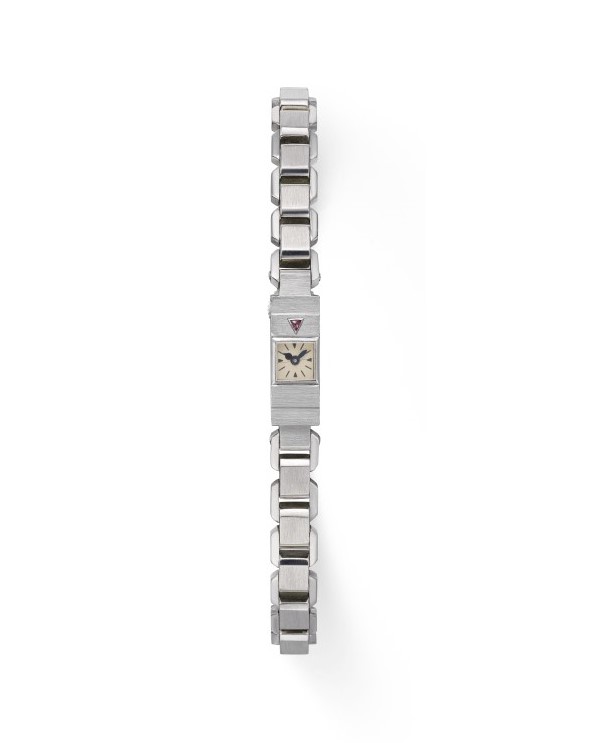
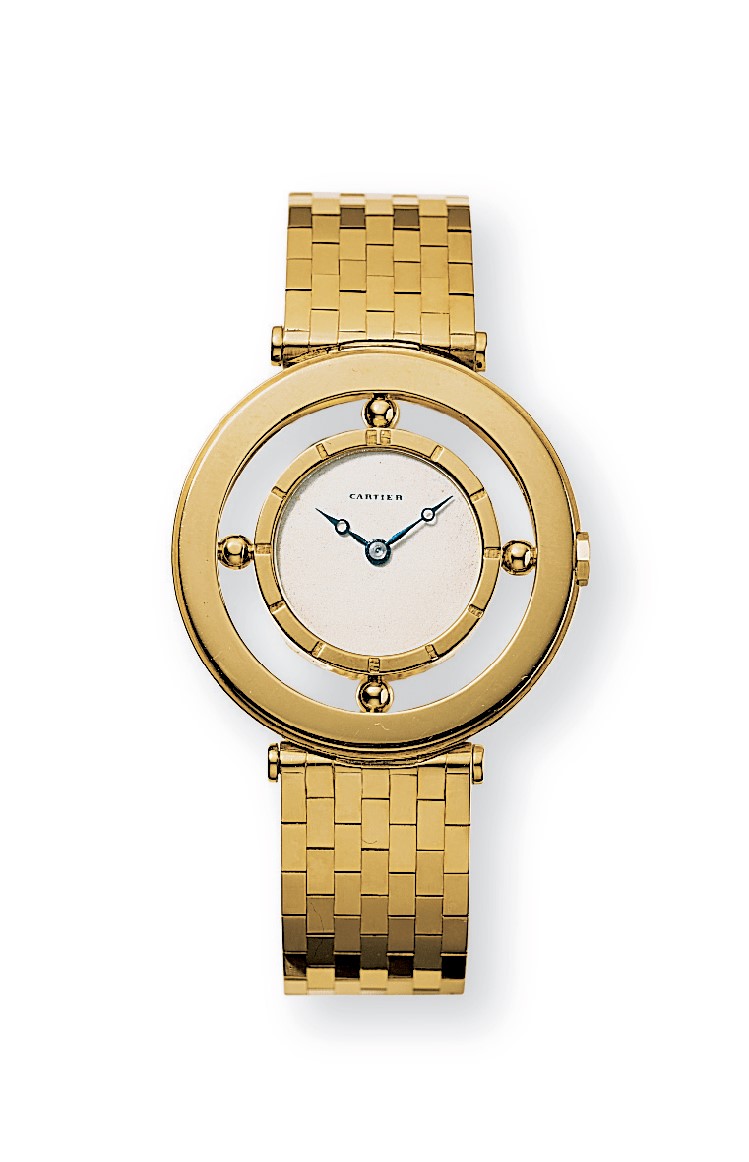
Jagatjit Singh passed on his love of beautiful objects and fine jewelry to his six children and other descendants, as evidenced by the Maison’s archives and the Cartier Collection, which includes four watch models that belonged to the Maharaja’s eldest son, Prince Paramjit Singh. Among them is a 1932 wristwatch in platinum, rose gold and ruby, fitted with the smallest mechanical movement ever made, and another rare model shaped like a rudder that he purchased in 1950. Just as elegant and fashion-conscious as his father, the prince also acquired a gold cigarette holder and a cigarette case made of gold embellished with sapphires. His only sister, Princess Amrit Kaur of Kapurthala, bought herself a vanity case in 1931 made of gold, black enamel, platinum and diamond, and bearing the image of the Egyptian goddess Maat.
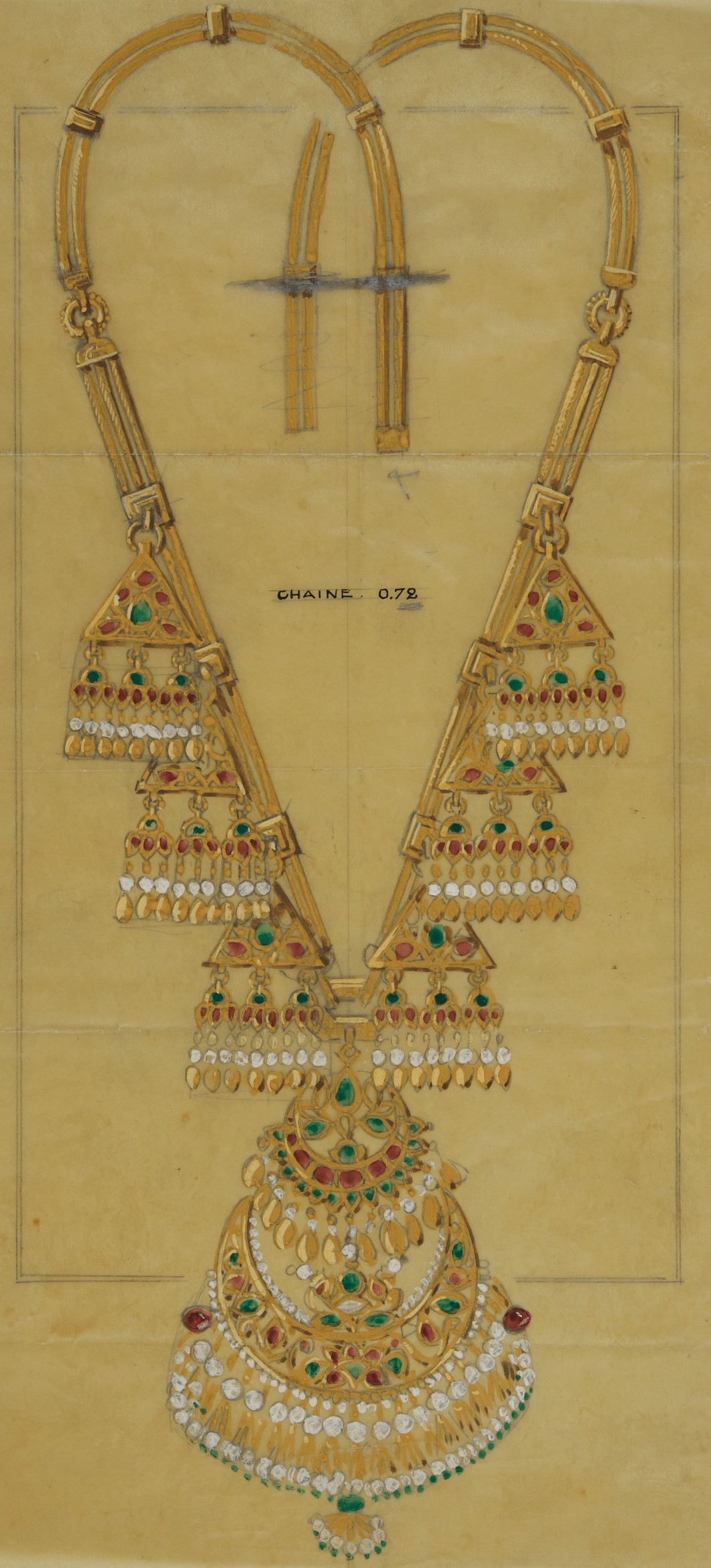
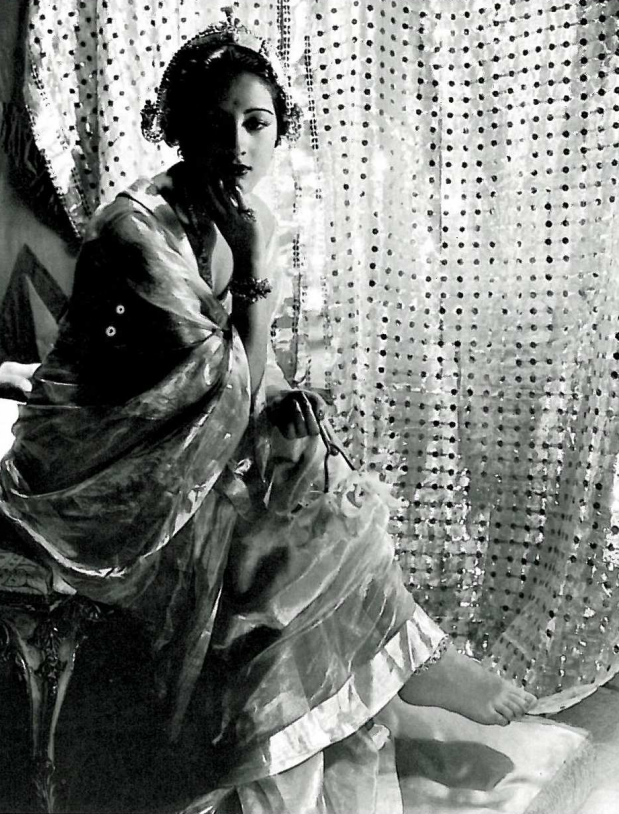
In 1934 the Maharaja’s daughter-in-law, Princess Karam of Kapurthala, commissioned Cartier to make her a necklace of gold and precious gemstones, featuring patterns that drew inspiration from a pendant of hers. Princess Karam was a leading figure in Café Society, and that same year she was immortalized wearing the famous jewel in the pages of Vogue by photographer Sir Cecil Beaton.