
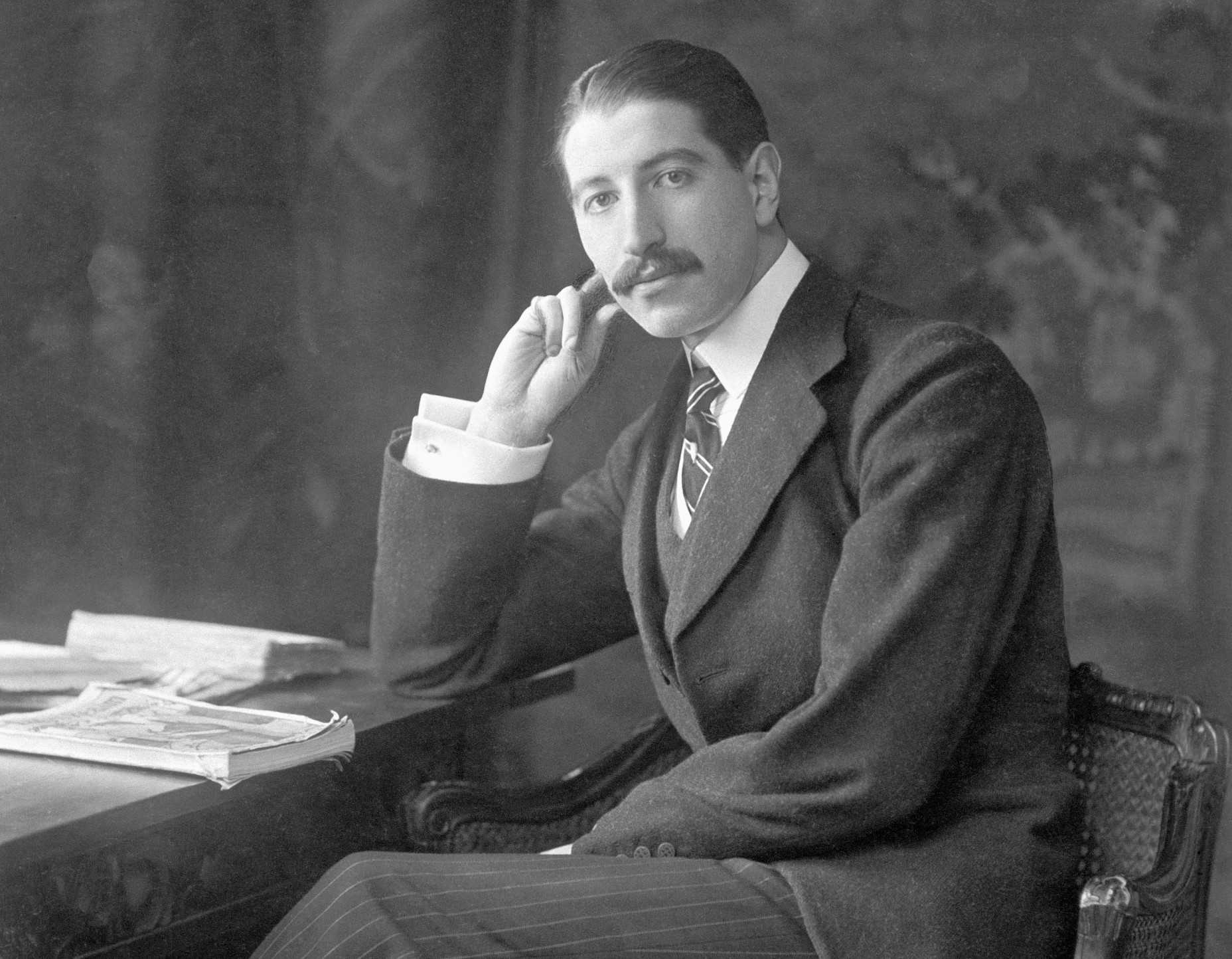
Jacques Théodule Cartier (1884–1941), the younger brother of Louis and Pierre and a grandson of the founder, took the helm of Cartier London in 1909. With his keen eye, his head for business and affable personality, he contributed to the tremendous development of the branch by building new trustworthy relationships with the Indian aristocracy and meeting with foreign suppliers during his many trips to India and the Persian Gulf.
As the latest of the three siblings who brought the Maison Cartier to worldwide renown, Jacques Cartier was too young to assist when his brother Louis opened the Paris boutique at 13 Rue de la Paix in 1899. But when Cartier inevitably expanded into London in 1902, prompted by the coronation of Edward VII, it was an ideal opportunity for Jacques to become more involved in the family business.
Jacques ran the London boutique, then at 4 New Burlington Street, with his brother Pierre before taking over on his own. He was in charge when Cartier London moved to much larger premises, at 175-176 New Bond Street in 1909, where it remains to this day.

Royal favor
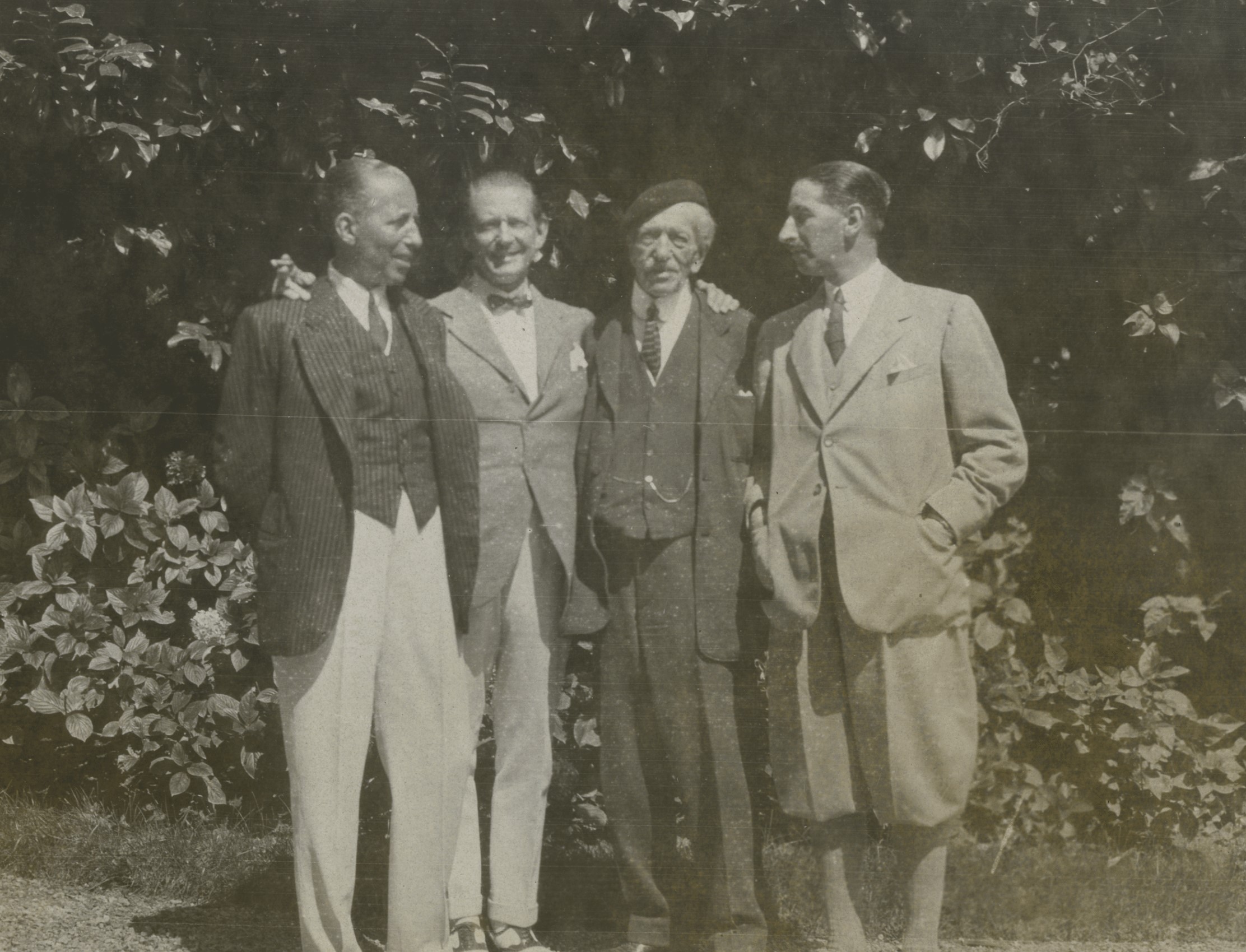
Not long afterward, in 1911, Jacques celebrated King George V’s coronation with a display of 19 tiaras, belonging to attendees of the crowning, in the new boutique – it must be said that not all of them were Cartier creations. The same year, Jacques received Queen Alexandra’s Royal Warrant, seven years after her husband Edward VII granted the Maison his own.
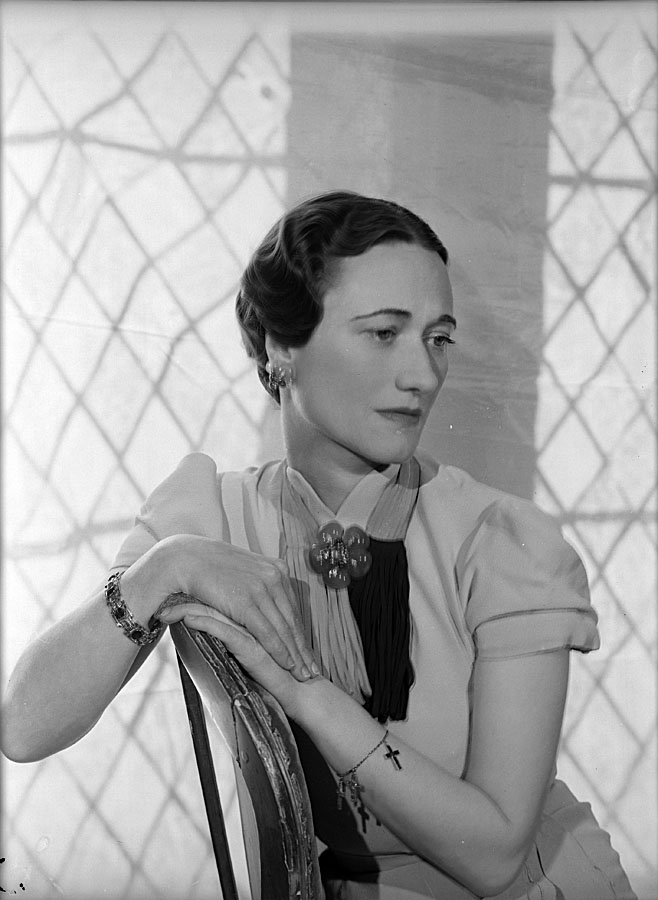
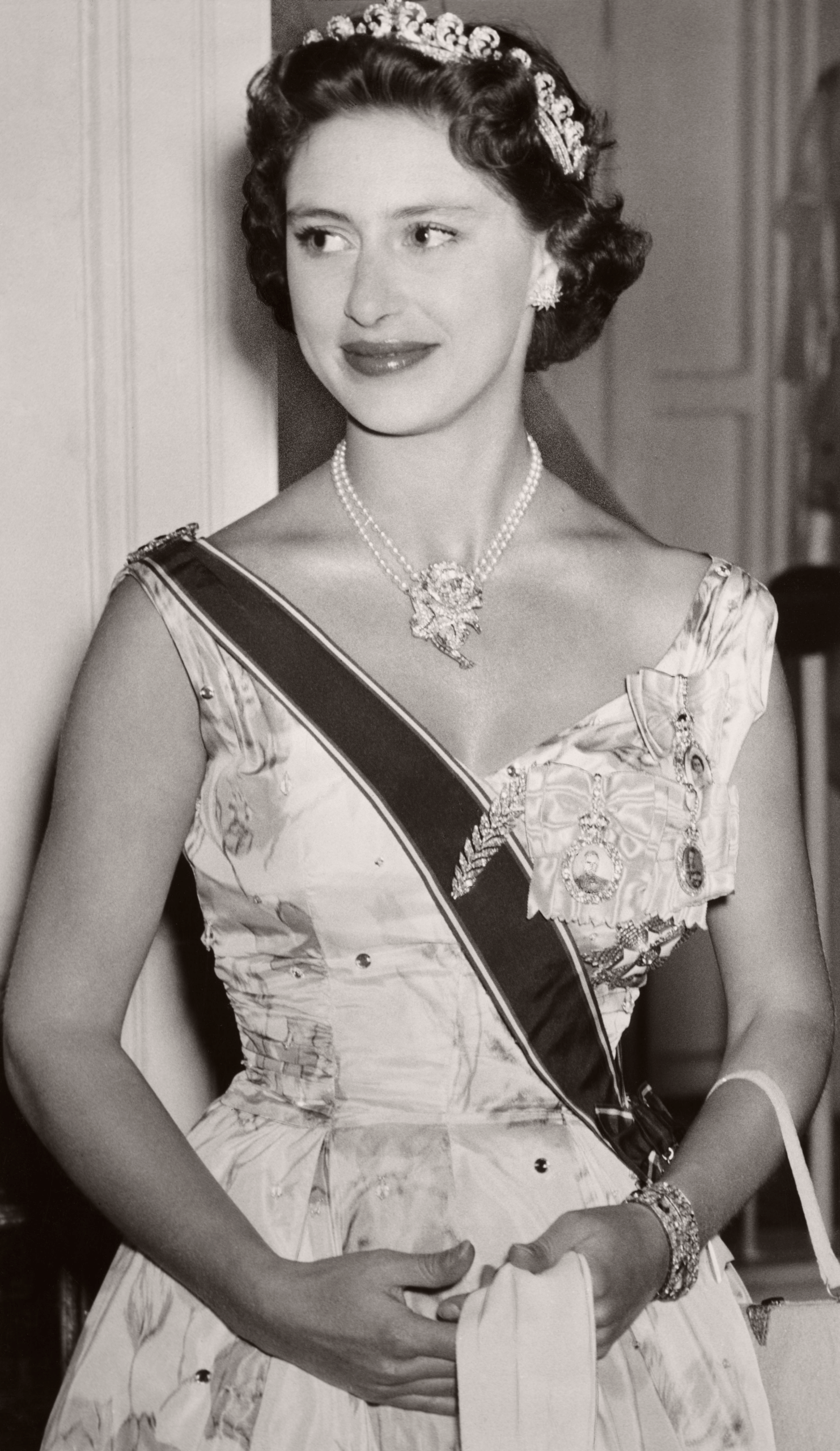
Most of the crowned monarchs of the United Kingdom and their consorts have since commissioned and worn pieces created by Cartier London. Ranging from small, sentimental items (such as the cross charms exchanged by the Duke and Duchess of Windsor during their courtship) to majestic head ornaments, they are now some of the world’s most famous jewels. One is the Halo tiara, made in 1936 and acquired by the future King George VI for his wife and often worn by their daughter Princess Margaret – notably to the coronation of her sister Elizabeth II in 1953. More recently, in 2011, Catherine Middleton chose to wear this meaningful piece on the day of her wedding to Prince William.
Travel and connections
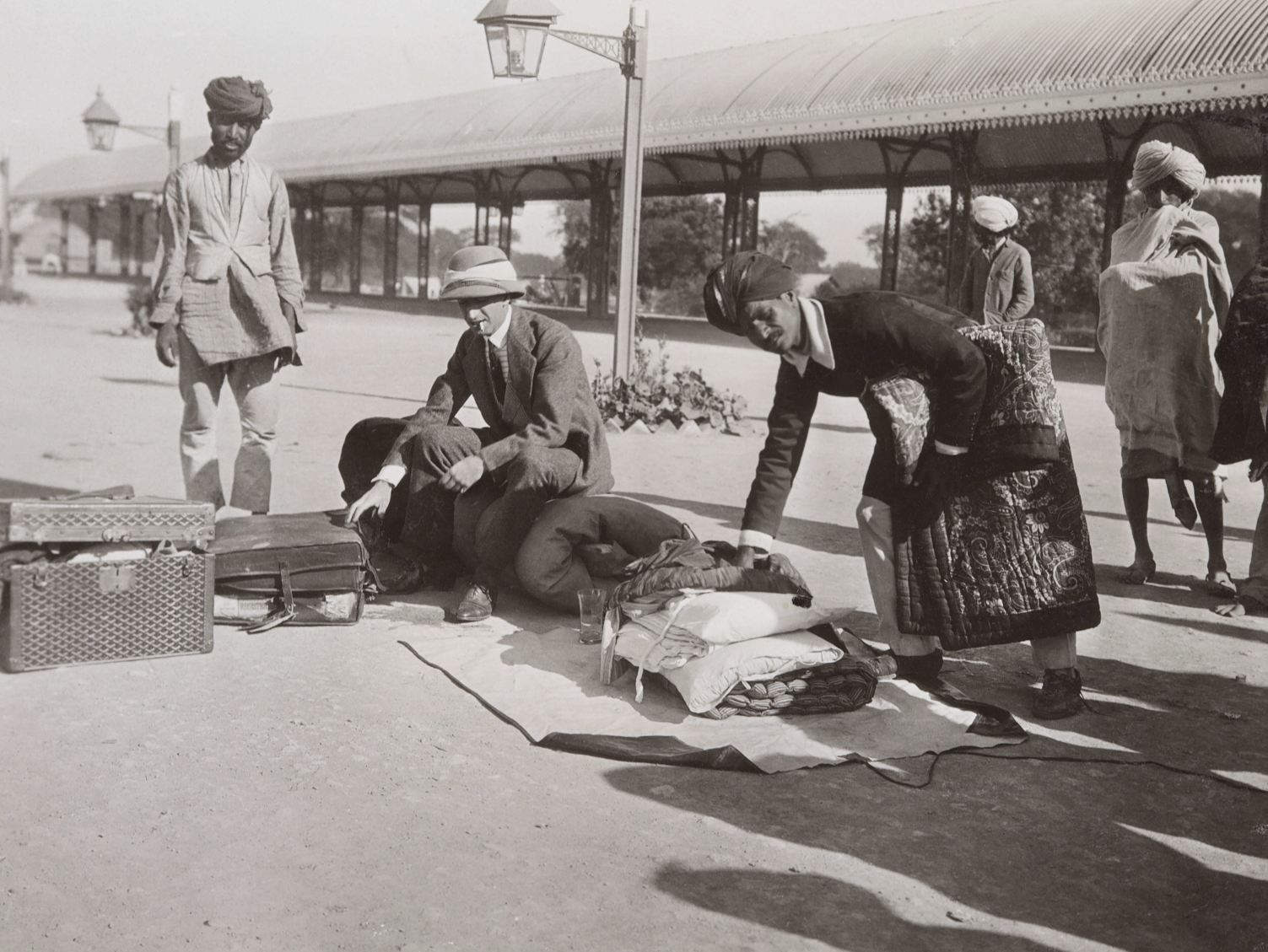
1911 was something of a turning point for Jacques: he made the first of many trips to India, to attend the Delhi Durbar marking the new king’s reign. He returned via the Persian Gulf in 1912. He wrote to his brother Louis: “If I have understood correctly, the most important mission bestowed on me during this trip to the East was to investigate the pearl market and to report back on the most effective way for us to purchase pearls.”
However, Jacques also took the opportunity to meet with several maharajas (including the Maharajas of Kapurthala, Patiala and Nawanagar in the same week as the Durbar), initiating client relationships that would endure for several decades. Throughout this and subsequent trips, he recorded his experiences in his travel journal and in a series of photographs.
Collector and connoisseur
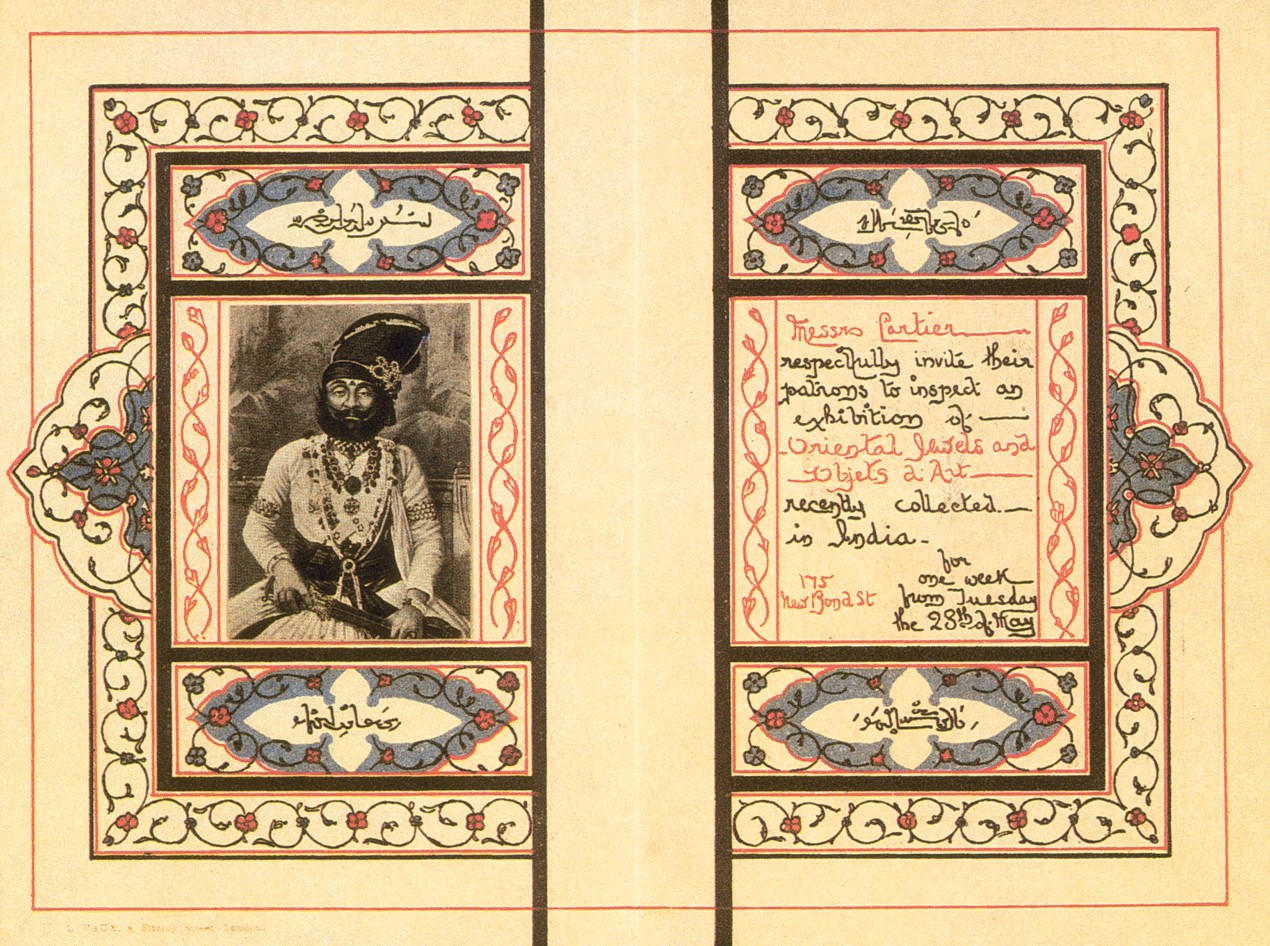
Jacques’s profound interest in the life and culture of the places to which he travelled infused Cartier London’s aesthetic from the very start. The exhibition of Indian artefacts held by Jacques when he returned to London in 1912 hints at his desire to introduce such objects into Cartier’s repertoire, as do the volumes he collected in his personal library.
James Gardner, who trained at Cartier London as a young designer during the 1920s, described the process by which his mentor worked: “Jacques was what we then called a gentleman. He was excitable, kind, and he lived for design… I discovered that a young apprentice was not expected to conjure loveliness out of space… Everything grows from something that grew before, and [his] room contained a library of things that had gone before: Chinese carpets, Celtic bronze-work, Japanese sword hilts, arabesques – designed to delight emperors, samurai and kalifs.”
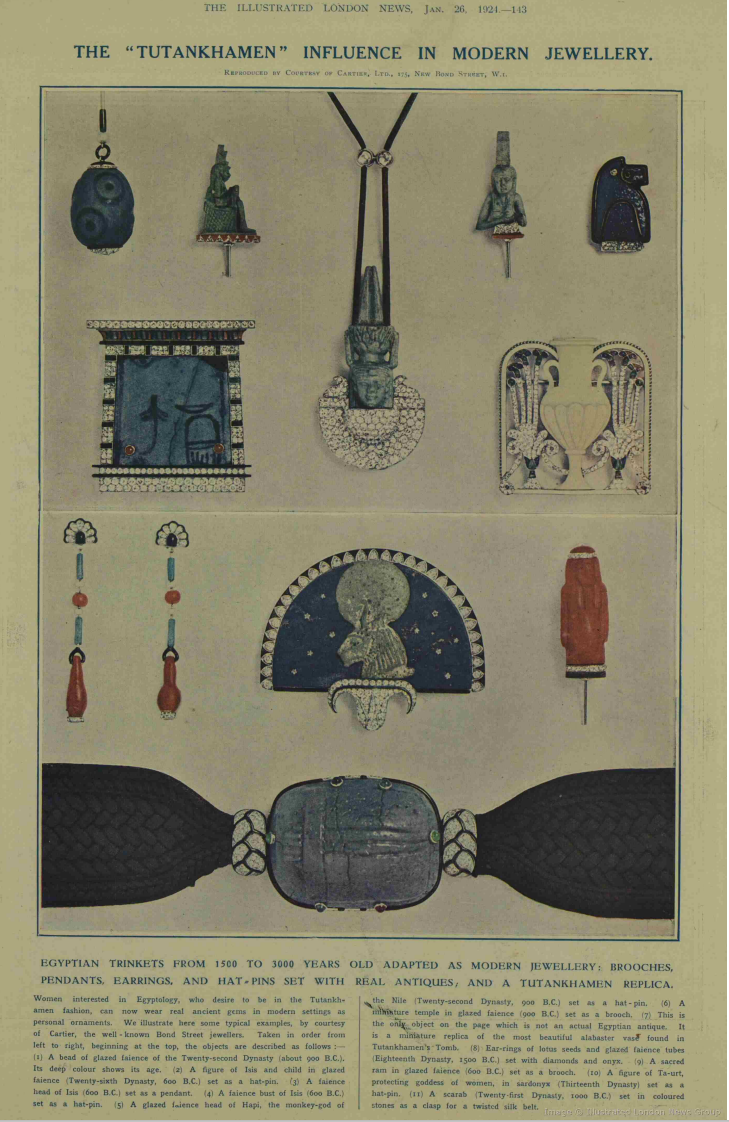
The appeal of incorporating apprêts into new jewelry and accessories went beyond a simple personal interest, however. It is no coincidence that the most significant of Cartier London’s “Egyptian” pieces date from late 1923 and early 1924, shortly after the thrilling discovery of Tutankhamun’s tomb in November 1922.
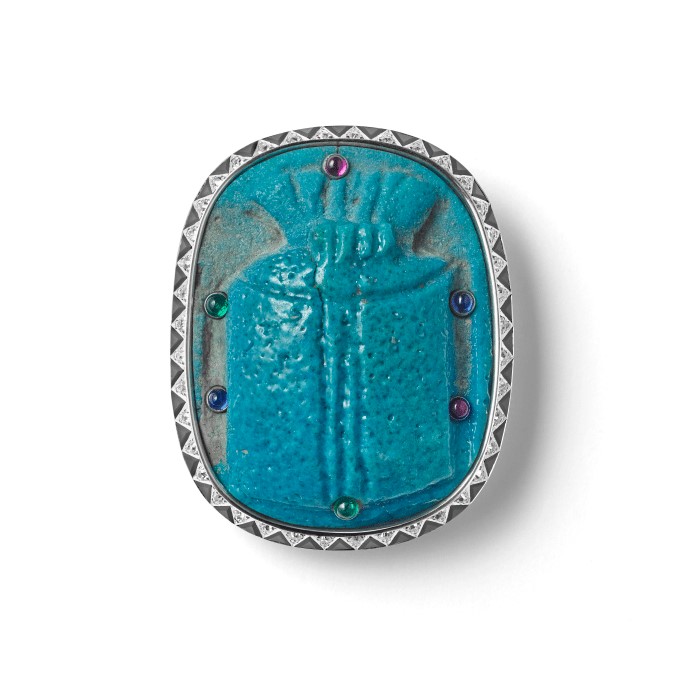
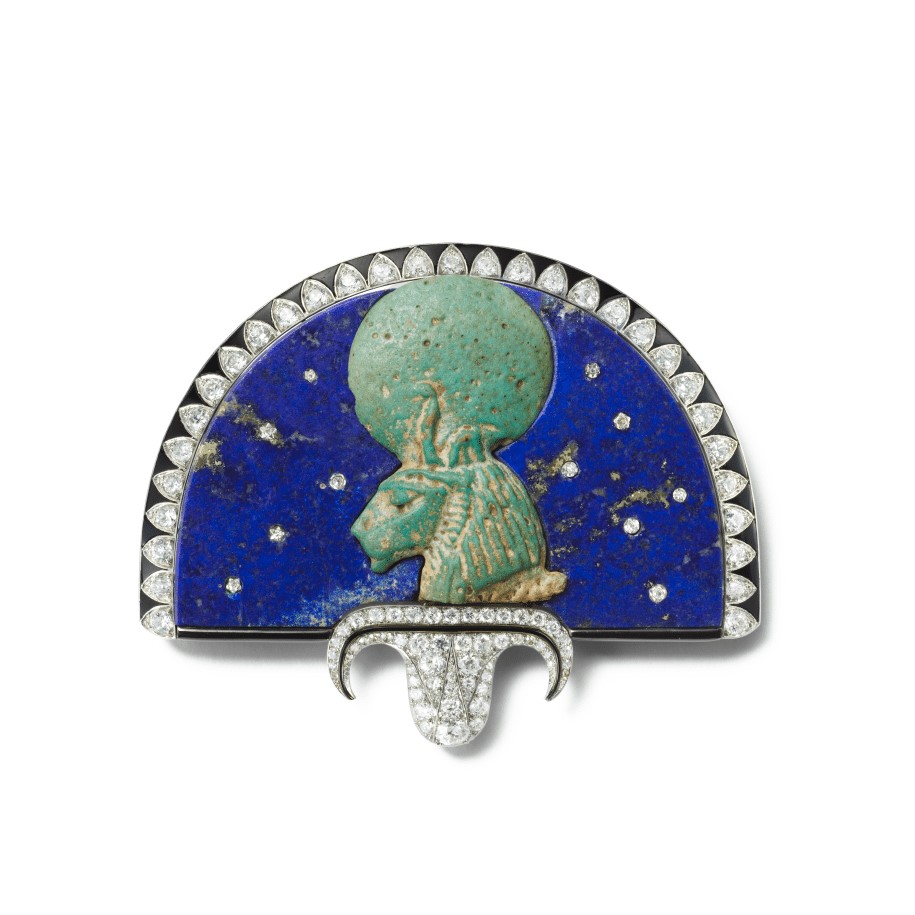
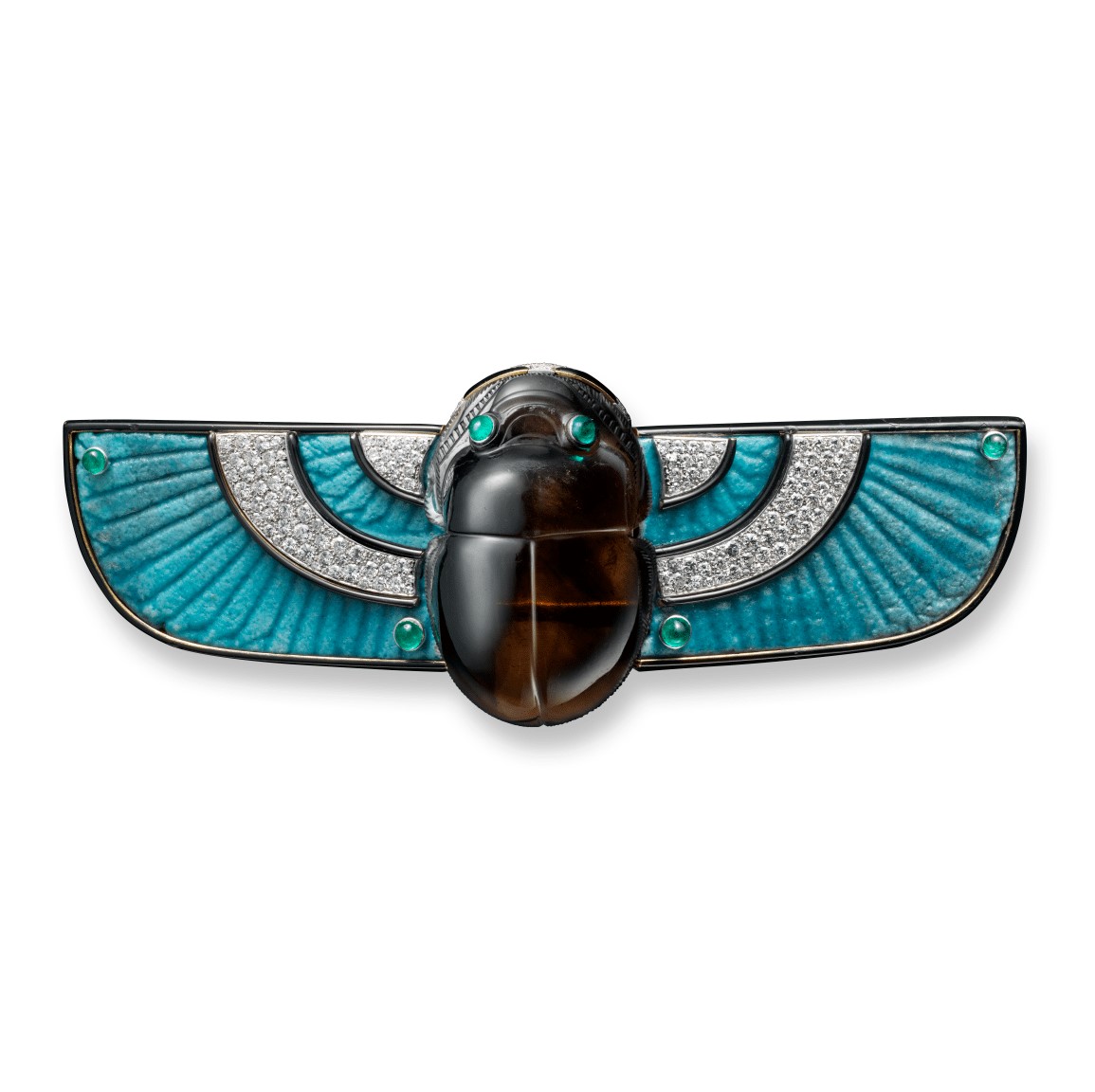
Cartier had just opened its own workshop in London, English Art Works (which celebrated its centennial in 2021), and “Egyptomania” provided the perfect opportunity to showcase British craftsmanship. The atelier manufactured jewelry very much in keeping with the zeitgeist: Egyptian antiquities, such as faience, were combined with precious metals and gemstones to produce inimitable objects showcasing Cartier’s unique style. Some of these pieces were featured in one of Cartier Ltd.’s first advertisements in the London Illustrated News in January 1924.
“A wonderful friend”
The relationships that Jacques initiated tentatively with Indian princes in 1911 flourished in the 1920s and 1930s. Over the years, the Maharaja of Nawanagar (1872–1933), in particular, became something of a friend, as letters between the two men testify.
Some of the most important pieces made by Cartier in London were made for the Maharaja of Nawanagar, including a large ceremonial necklace completed in 1931.
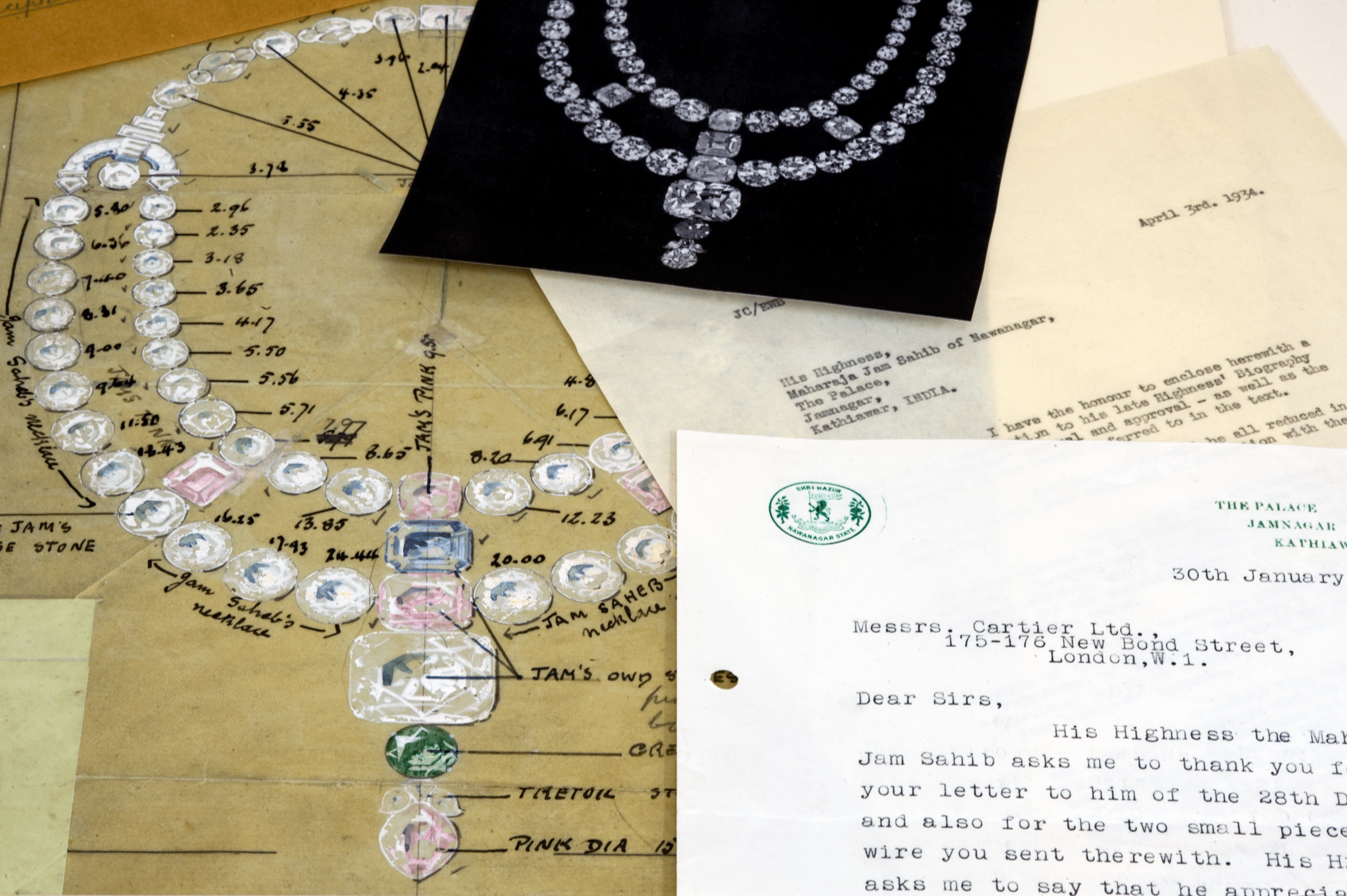
Jacques’s expertise in fine stones was especially sought out by the maharajas and other clients. He acted as a trusted agent in the acquisition of important gems and as an intermediary in the sale of others (including the Polar Star and Tête de Bélier for Prince Yusupov).
That so many of Cartier Ltd.’s clients remained so loyal is perhaps testament to the personal qualities of Jacques himself. After his death in 1941, Lady Oxford, wife of the former British Prime Minister, Herbert Henry Asquith, wrote that Jacques was “… rarer than a great artist, or designer in precious stones: he was a wonderful friend […] and the best of ambassadors between the France which he loved and the England which he admired. It is not always praiseworthy to say of a man that he had no enemies; but I do not think that Jacques Cartier had an enemy in the world.”
Jacques left behind his wife, Nelly, and four children, Jacqueline, Alice, Jean-Jacques, and Harjes. His eldest son took over the management of Cartier’s London branch from 1946 to 1974.