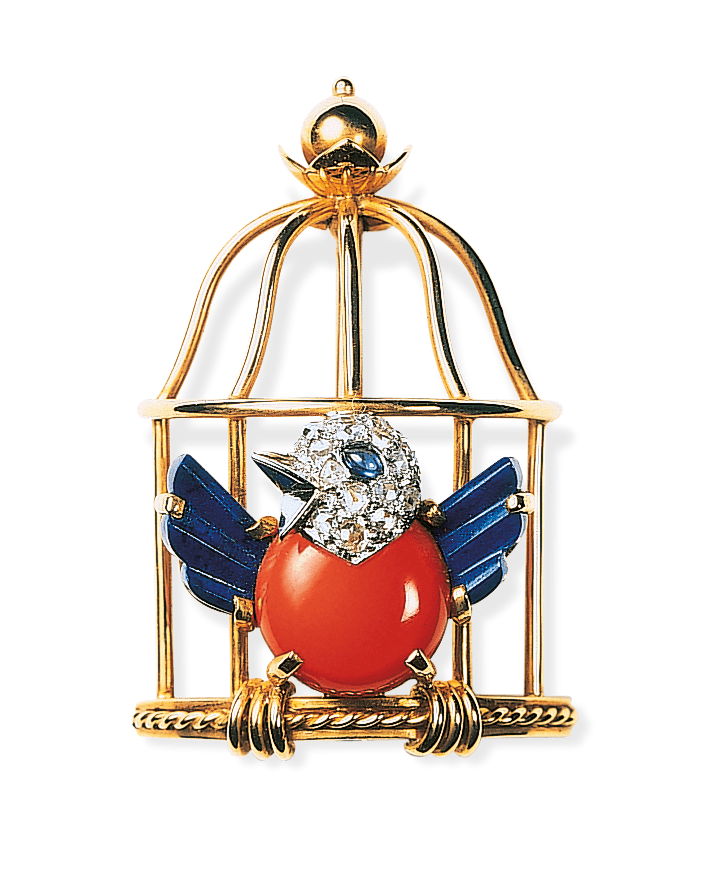
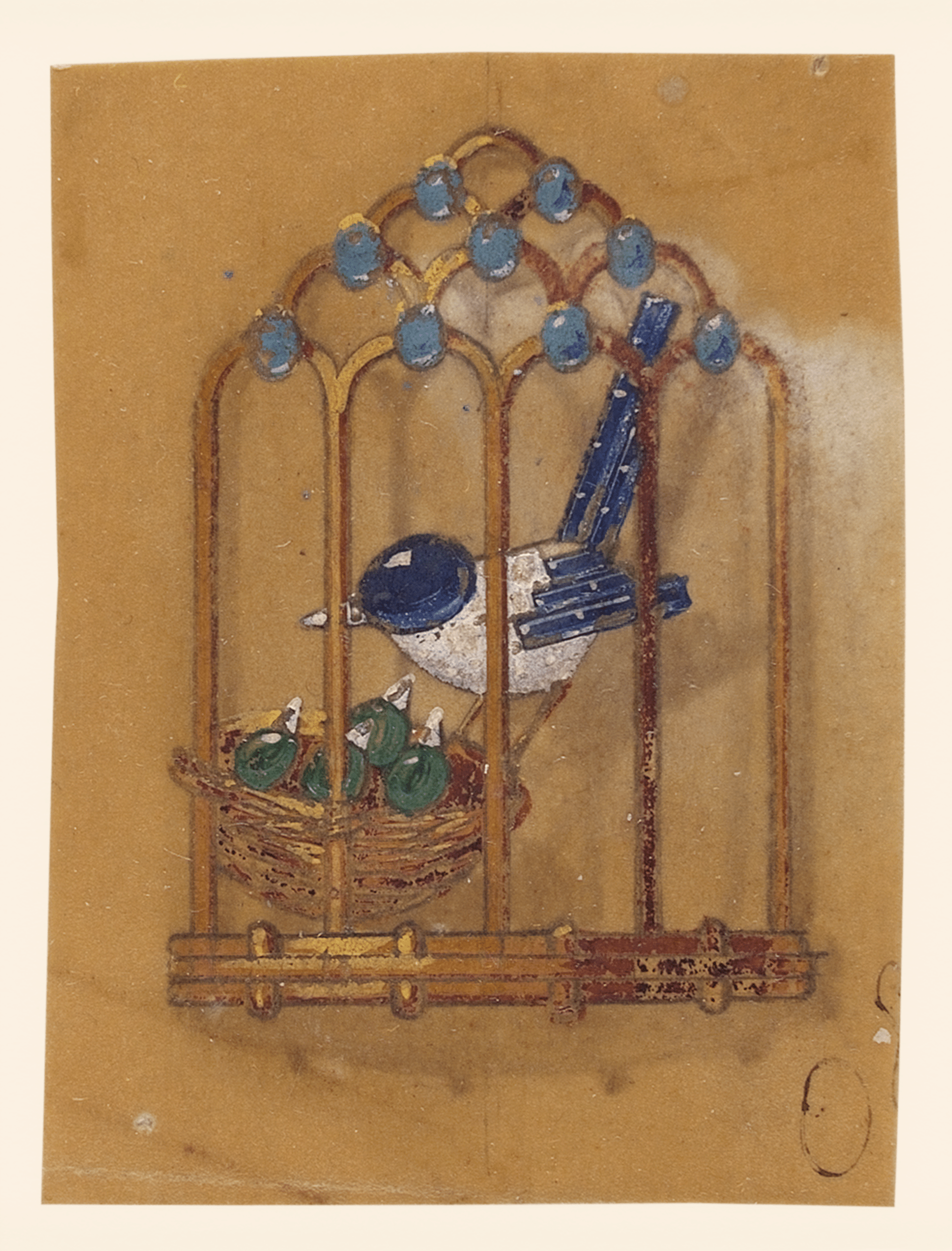
Created by Cartier during the WW2, the Caged Bird and Liberated Bird brooches were political statements. The first symbolizes France’s protest against the German occupation, while the second evokes the nation’s rediscovered joie de vivre in the aftermath of the conflict.
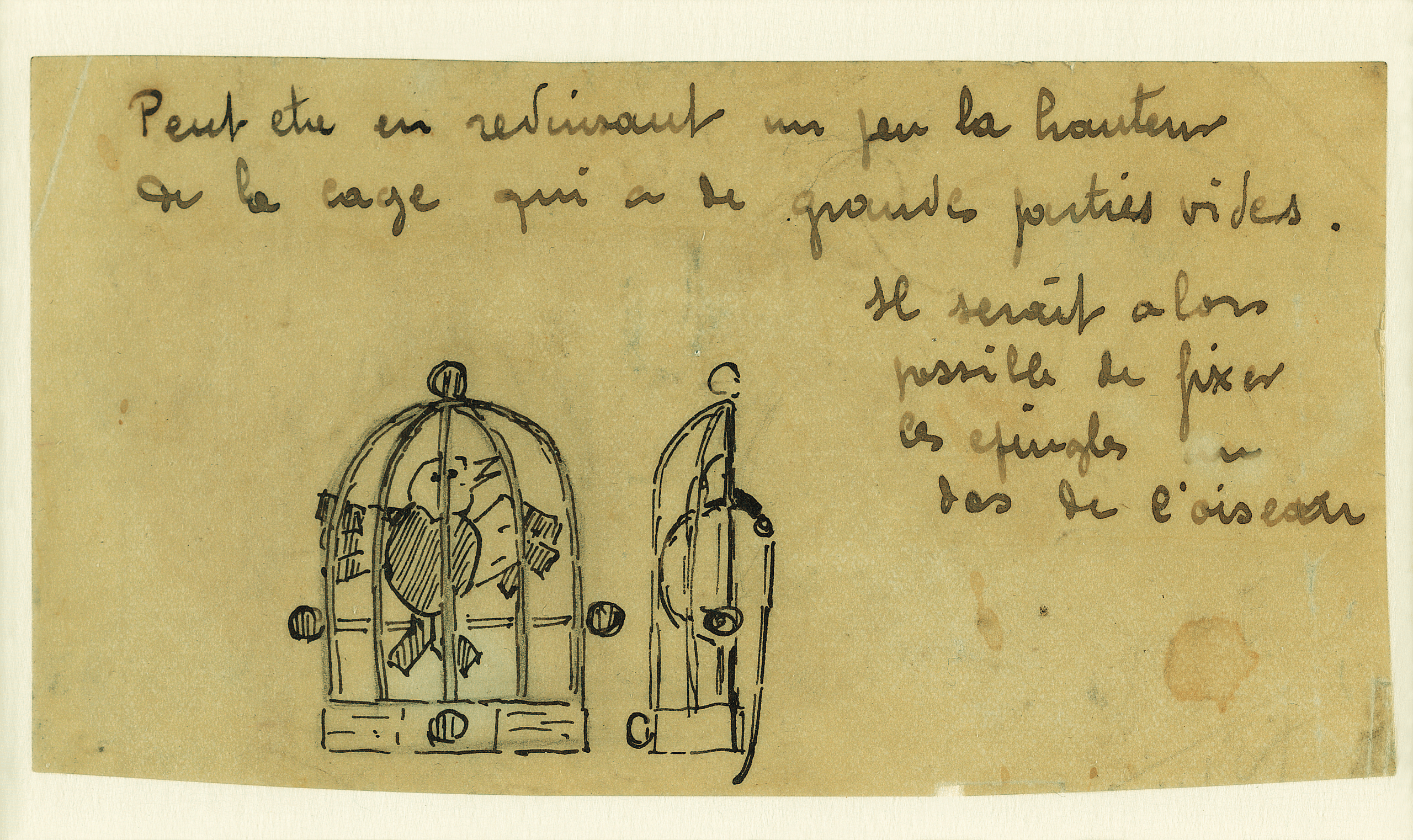
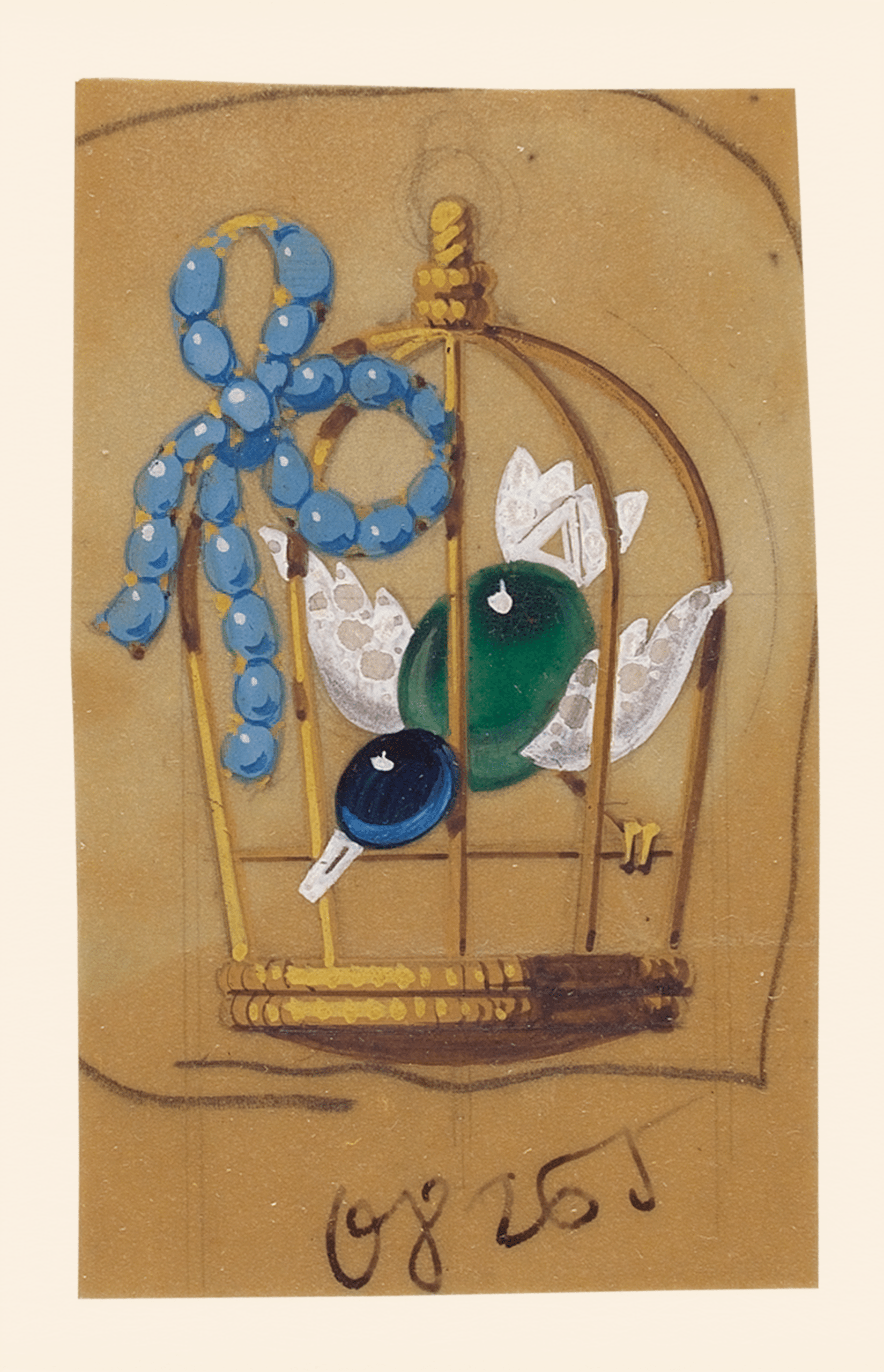
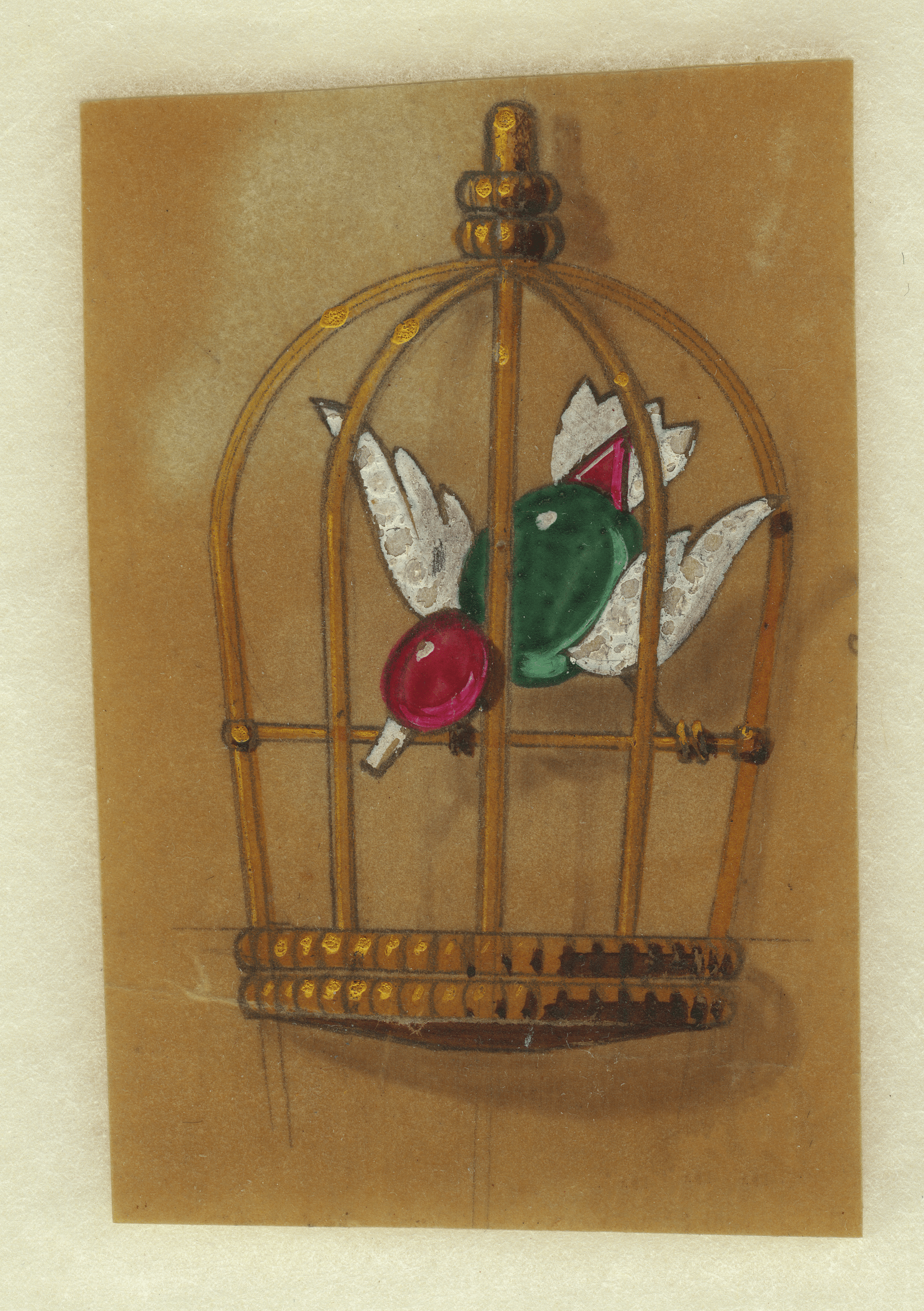
In 1942 Jeanne Toussaint decided to produce brooches known as “Oiseau en cage” (or “Caged Bird”) based on a design by Pierre Lemarchand. These deceptively naive pieces actually hid a strong symbolic message of protest against the German occupation—a provocation that did not go unnoticed by the Nazi officers. Many of them resided at the Ritz Hotel near the Cartier boutique on Rue de la Paix, where there was a brooch in every window. Jeanne Toussaint was taken in for questioning by the Germans and asked to explain herself. She managed to escape prosecution because it was so difficult to prove that there was any oppositional intent in the playful and imaginative designs.
When France was liberated two years later, Jeanne Toussaint had the inspired idea of revisiting the same motif, with the bird now out of the cage. This brooch flaunts the colors of the French flag in a patriotic celebration of the end of the war, with a coral-red body, lapis lazuli wings, sapphire eyes, a diamond head and a beak of platinum.