
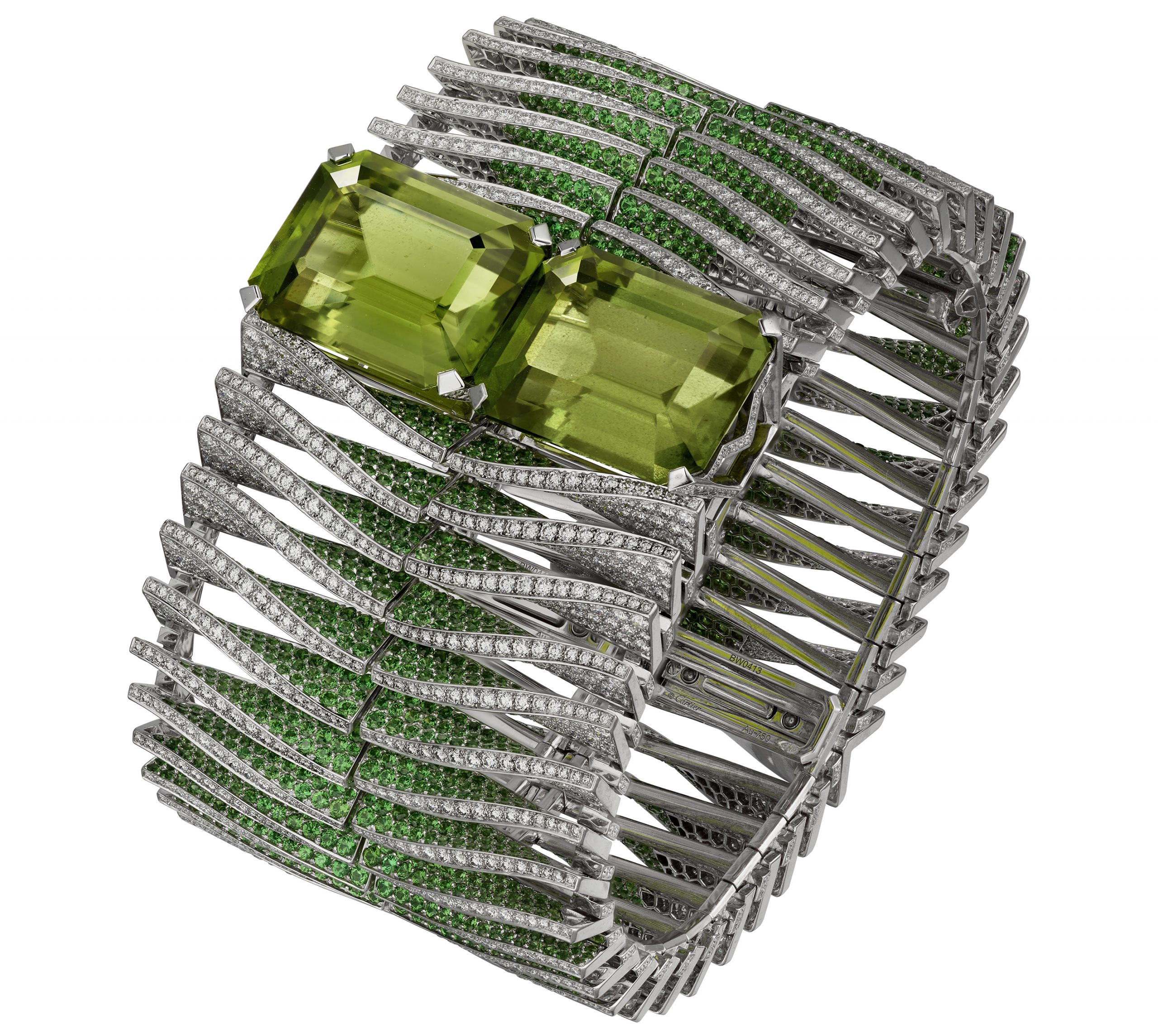
Peridot, also called olivine, has been known of since Antiquity and is characterized by a green color recalling the fruit of the olive tree.
- Group: peridot
- Chemical composition: magnesium and iron silicate
- Colors: yellowish green to brownish-green
- Hardness: 6.5-7 (Mohs scale)
- Main sources: Burma (Myanmar), Pakistan, China, Australia
Etymology, history and legends
Peridot only gained its definitive name relatively late, having gone under the label of “topaz” since Classical times and long been called chrysolite, from the Greek “golden stone.” The name “peridot” arose in the 13th century, in the form of the French words “péritot” and “peridon”, whose origin is unknown.
In the Middle East, peridot is thought to have been mined as far back as 1000 BC. Earliest known deposits seem to be on Zabargad or St. John’s Island off the Red Sea coast in Egypt’s far south. The Crusaders found stones of fine quality on this island and brought them back to the West. These “Crusader emeralds,” as they were known, adorned many reliquaries and ecclesiastical jewels up until the early 20th century, when the seam’s production declined until mining stopped altogether.
Peridot has often been muddled up with other gemstones over the course of history, such as topaz (because of confusion over names) and emerald (because of its color).
Famous stones
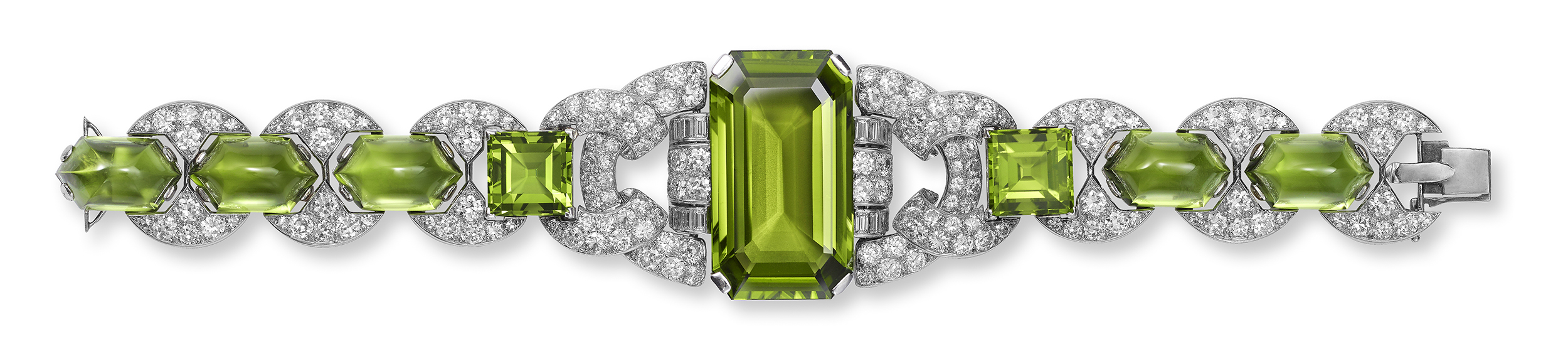
The Shrine of the Three Kings in the treasury of Cologne Cathedral (Germany), crafted by goldsmith Nicholas of Verdun between 1190 and 1220, is decorated with 200 carats of gems once believed to be emeralds, but which are actually peridots.
Some historians have even hypothesized that Cleopatra’s famous emerald collection was in fact made up of peridots.
Colors, cuts and shapes
The iron in their chemical composition gives peridots a pronounced green to yellowish green color. They may also contain chromium, which leads to a warmer shade of green. Star peridots and cat’s-eye peridots have also been known.
The most sought-after crystals are a warm, luminous yellowy-green. Darker stones tend toward bottle green and are generally less admired.
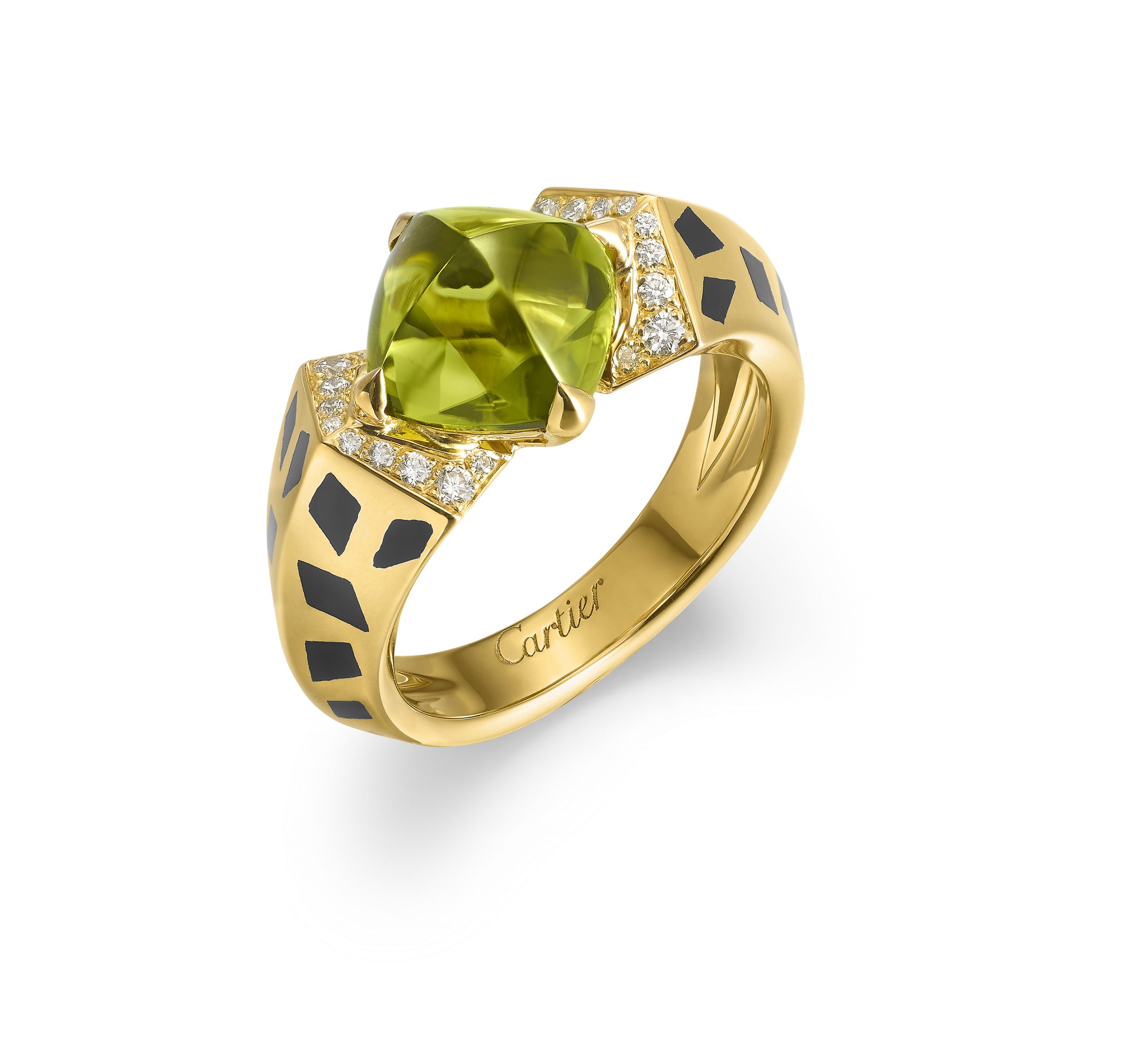
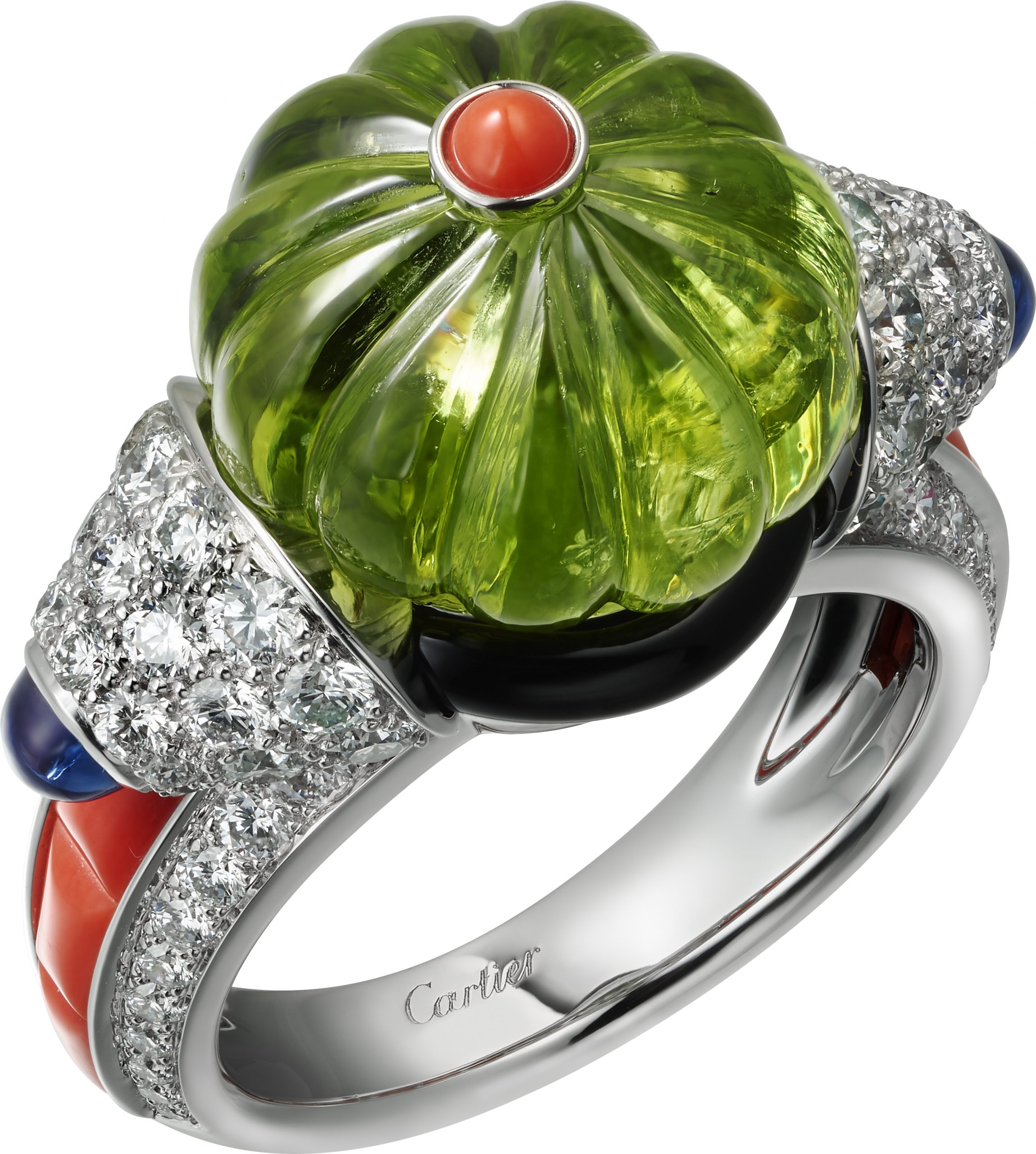
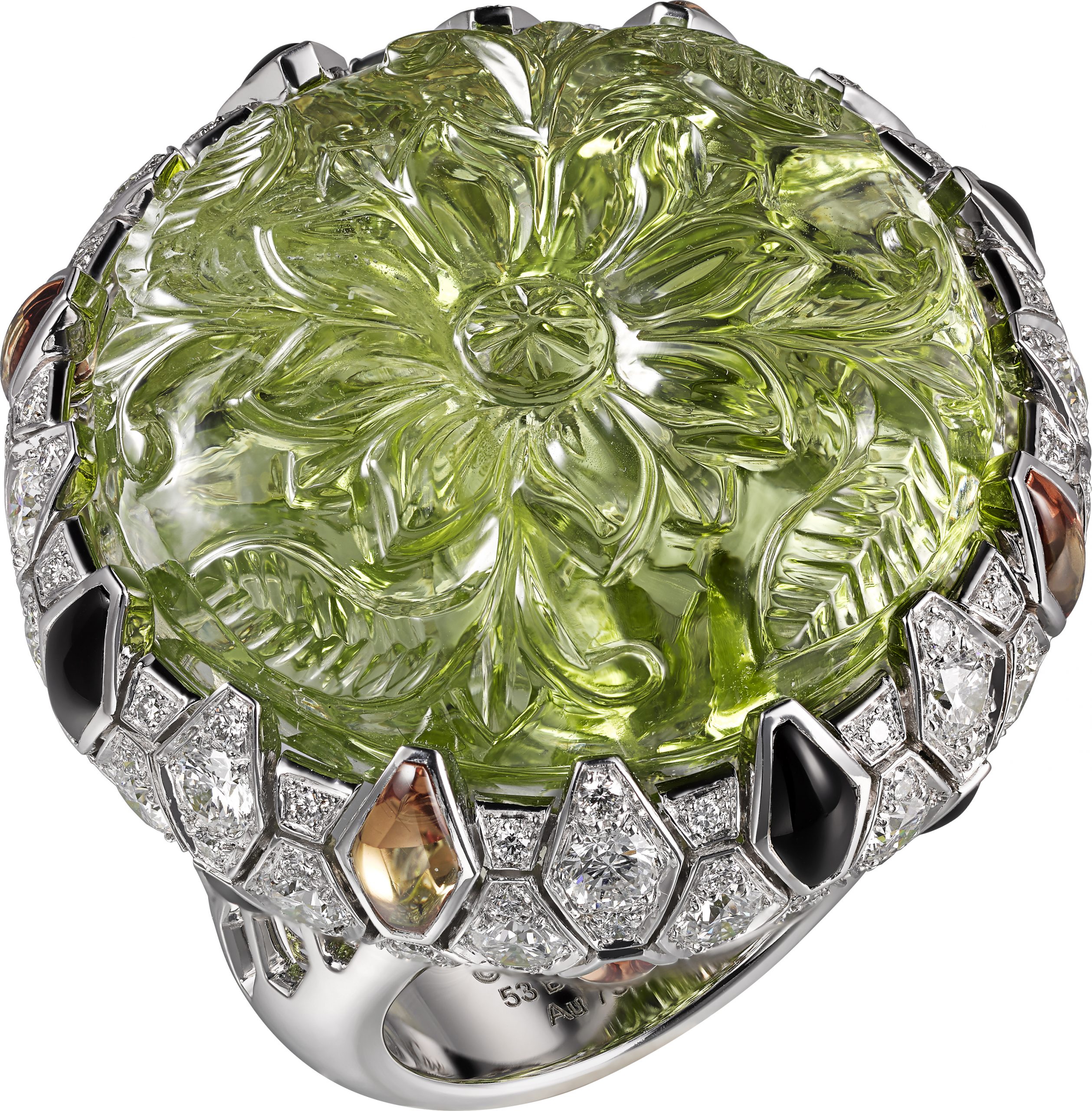
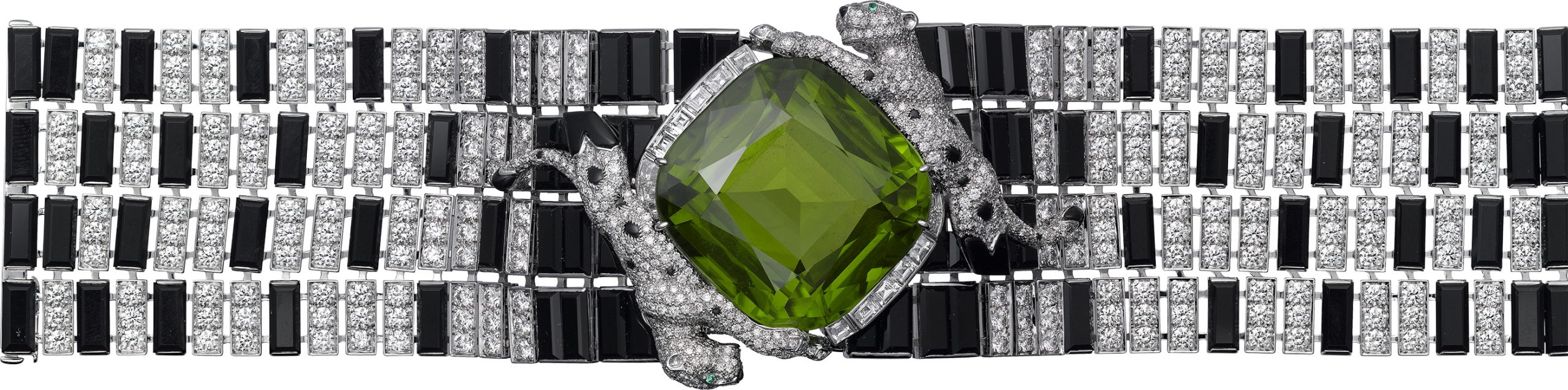
The cut of peridot can be faceted, cabochon or it can even be carved. All the usual shapes are to be found, with the cushion shape especially common.
Gem-quality peridots rarely weigh more than 10 carats, although a few rare specimens upward of 20 carats have been found.
Formation of the stone
Stones belonging to the olivine family – including peridots – make up a large part of the rocks called peridotites that are buried deep in the Earth’s mantle, reaching more than a hundred miles down.
Olivine is the first mineral to crystallize when the magma cools in the basaltic crust. It is a very common constituent of ultrabasic rocks, which are rare on the Earth’s surface, since they are only brought up by tectonic or volcanic activity.
Origins
Historically, the main peridot deposits are on the Egyptian island of Zabargad in the Red Sea and in Mogok, northern Burma (Myanmar). Stones from here are renowned for their color quality and crystalline transparency.
Peridots have been found in Pakistan’s Kohistan region since 1992. Some of the more modestly sized crystals measuring up to 2 inches are comparable to fine Egyptian and Burmese stones. The largest gems, which can reach nearly 6.3 inches, are darker in color.
There are many other deposits in different parts of the world, including the United States, the Azores, Australia, Brazil, Ethiopia, Tanzania and China.
Certification
Peridot is issued with a certificate that does not specify its origin.
Care recommendations
Peridot is softer than many other gems, which makes it sensitive to scratches and heat.