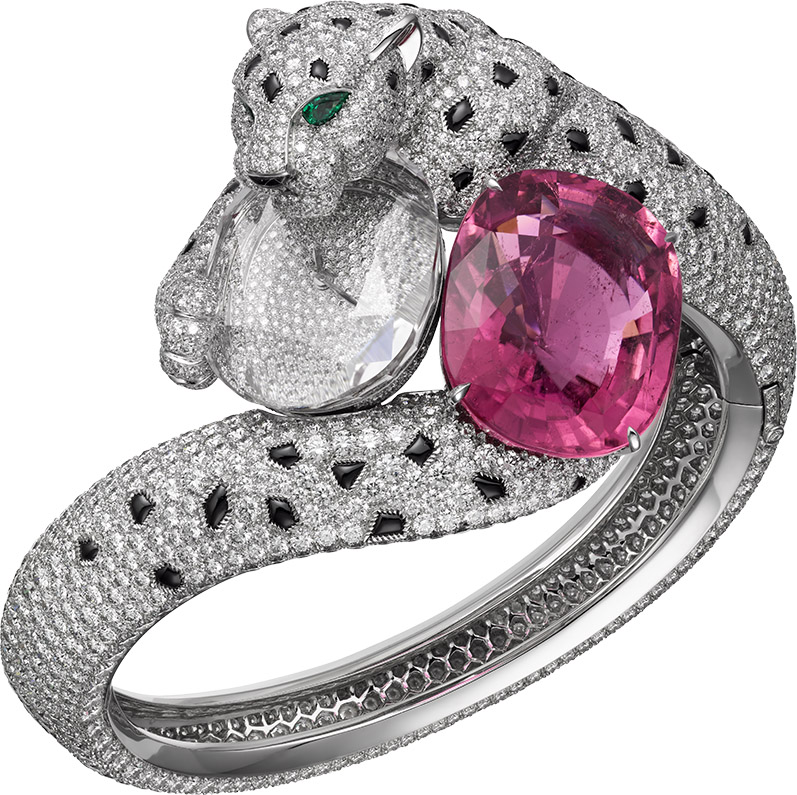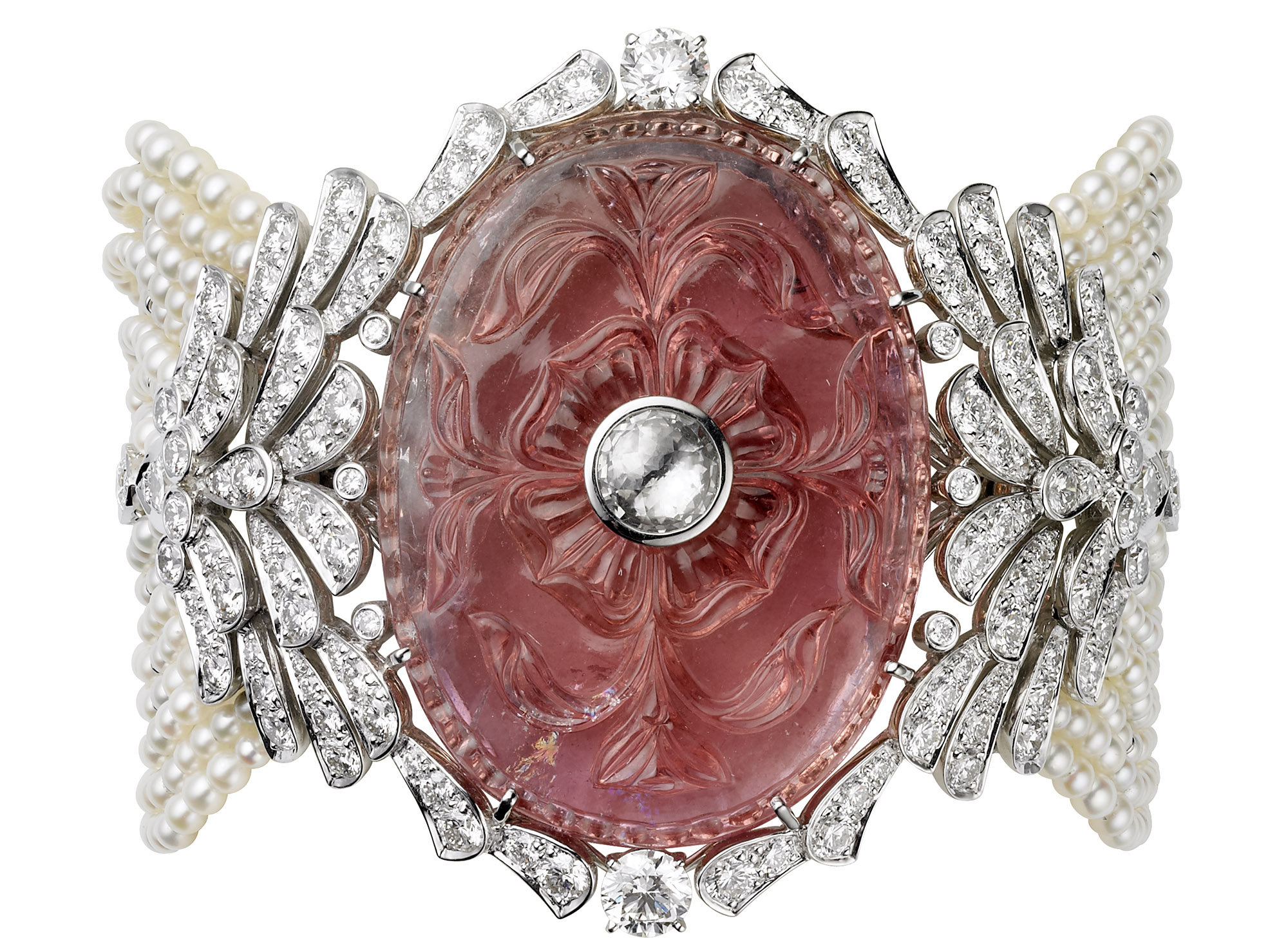
Rubellite, Paraiba, indicolite and verdelite are all well-known varieties of tourmaline, a long-overlooked group of minerals whose popularity is on the rise.
- Chemical composition: boron silicate compounded with aluminum, lithium and other elements
- Transparency: transparent to translucent
- Main colors: red, orangey, yellow, green, blue, pink, black, bicolor, polychrome
- Hardness: 7-8 (Mohs scale)
- Main sources of provenance: Brazil, Madagascar, Mozambique, Afghanistan, Nigeria, Russia
Etymology, history and legends
The name tourmaline is thought to derive from turamali, meaning “mixed stones” in Sinhalese, the language spoken in Sri Lanka (formerly Ceylon). The word was used to describe the yellow stones found in the island’s gemmiferous sands, before tourmaline was identified as a species.
Although the black variety had been known of previously, the history of tourmalines proper only began in a quiet way in the 16th century. The earliest green stones were found in 1572. At that time they were confused with emeralds, and mistakenly named smaragdus brasilicus (Brazilian emerald). Some were used to decorate the crown of the Virgin in Lisbon’s Nossa Senhora da Penha de França church.
In the 18th century, Amsterdam lapidaries began noticing that some batches from Ceylon contained distinctive stones, which they eventually recognized as a new type of gem and dubbed “Ceylon stone.” During this period the word turamali was transliterated into “tourmaline” in Europe.
Use of tourmaline in jewelry became more widespread in the 19th century. This is how jeweler Charles Barbot’s 1858 work described it: “this mineral substance ... epitomizes in itself all the precious stones and does so with great agreeableness.”
Mining of Brazil’s rich tourmaline deposits did not really get under way until the early 20th century, following the arrival of German traders.
In 1987 a tourmaline mine in the state of Paraìba yielded turquoise stones—a color that had never been seen in transparent gems before—and these were dubbed Paraiba tourmalines. Similar stones have since been found elsewhere, mainly in Mozambique, which are known as Paraiba-type tourmaline.
Colors and use
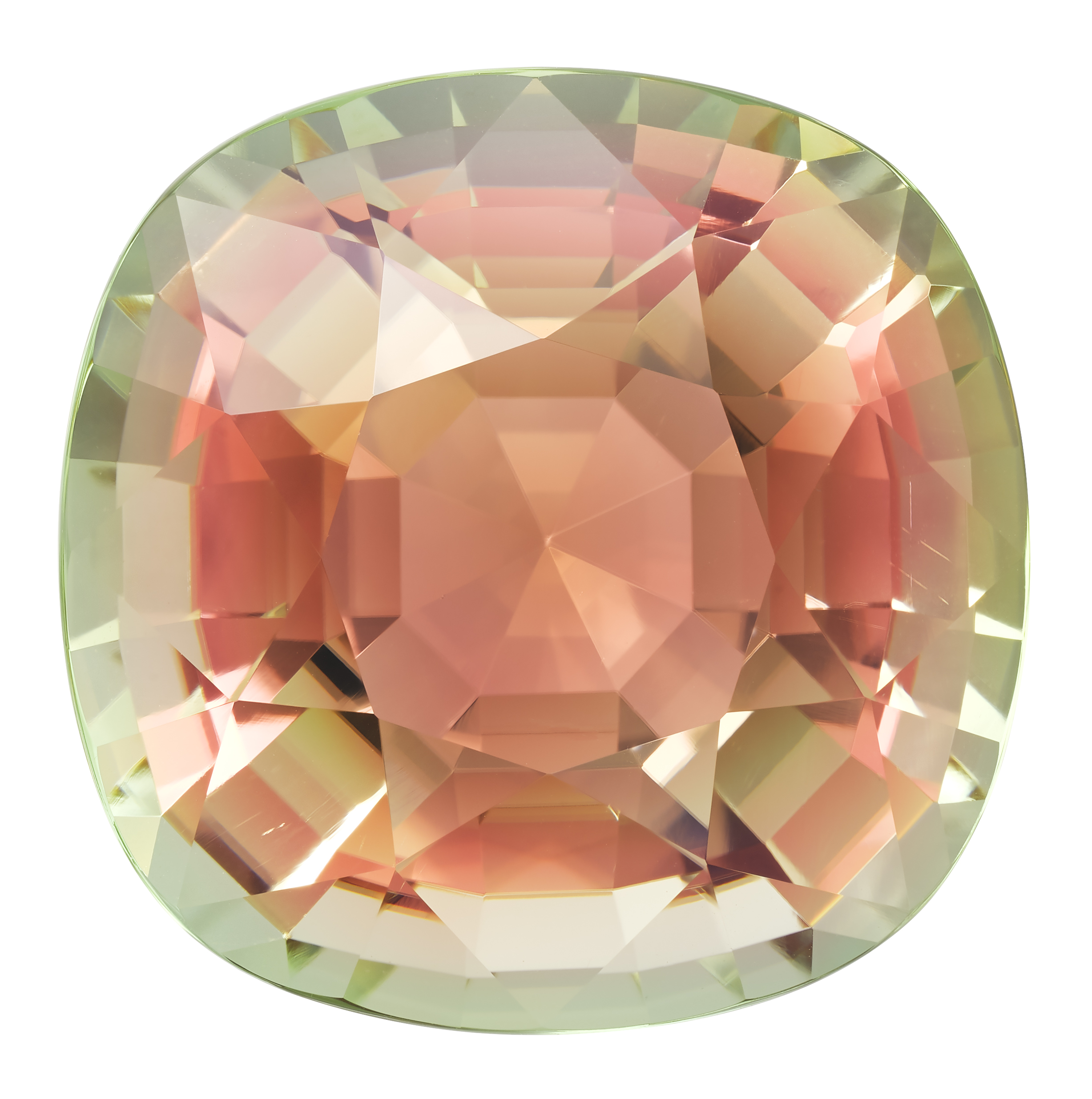
Tourmalines are used in a variety of shapes and cuts. They can be oval, cushion-shaped, often generously sized, faceted or cabochon.
It is a stone renowned for its wide spectrum of colors.
Rubellite is increasingly sought after, with a rich color between pink and red, heightened by a tinge of purple. This gem’s growing popularity is partly explained by the fact that it is relatively easy to buy large stones.
Indicolite tourmaline comes in shades of blue tending to purple. It is quite rare and very seldom weighs in at more than ten carats. This stone is much sought-after for use in jewelry.
The green variety of tourmaline, verdelite, occurs in many shades of green and stones can be found of considerable size.
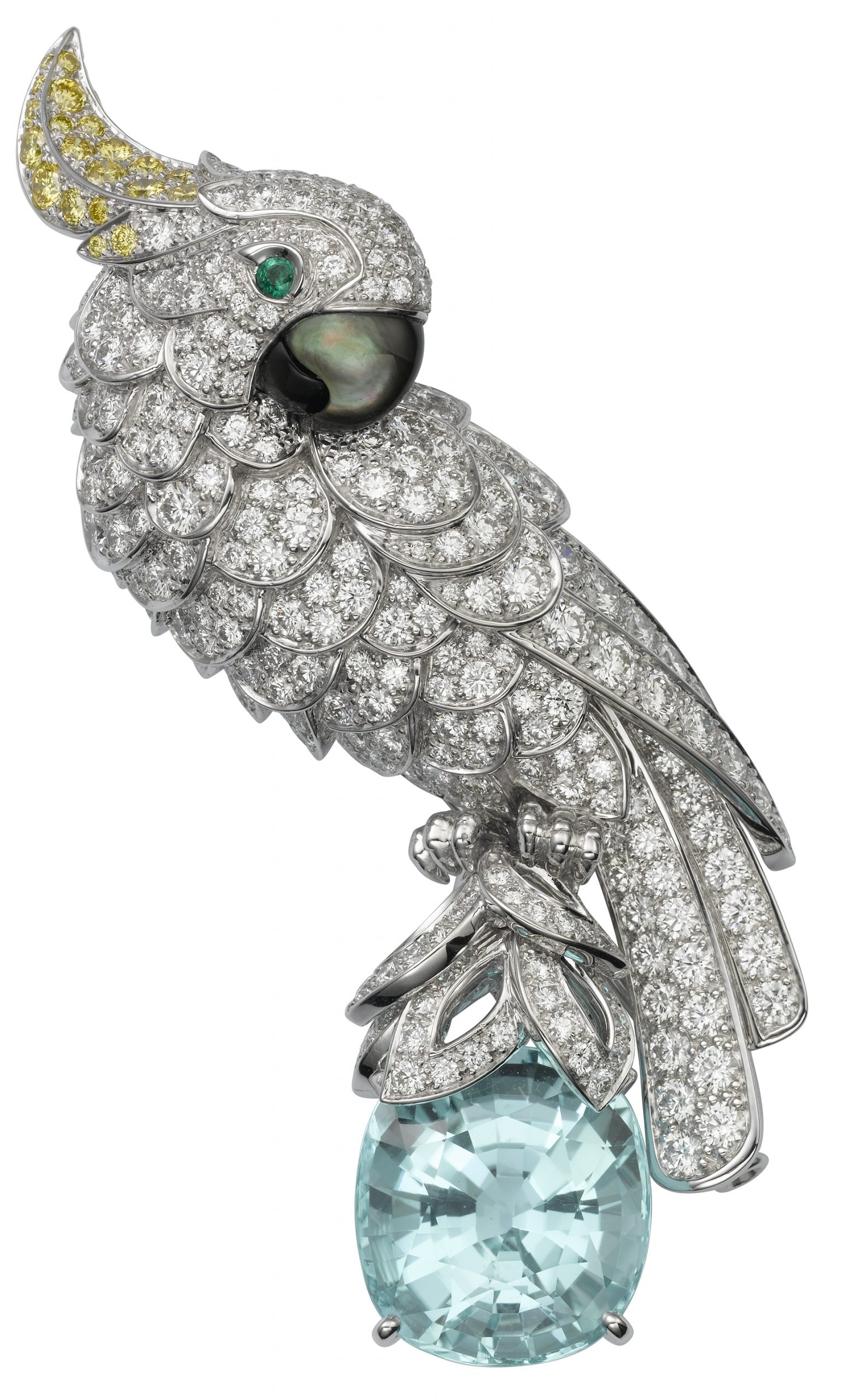
Paraiba tourmaline is especially prized for its turquoise hue. It has become a real craze, and prices are soaring. Stones originating in Brazil are small and rarely exceed three carats.
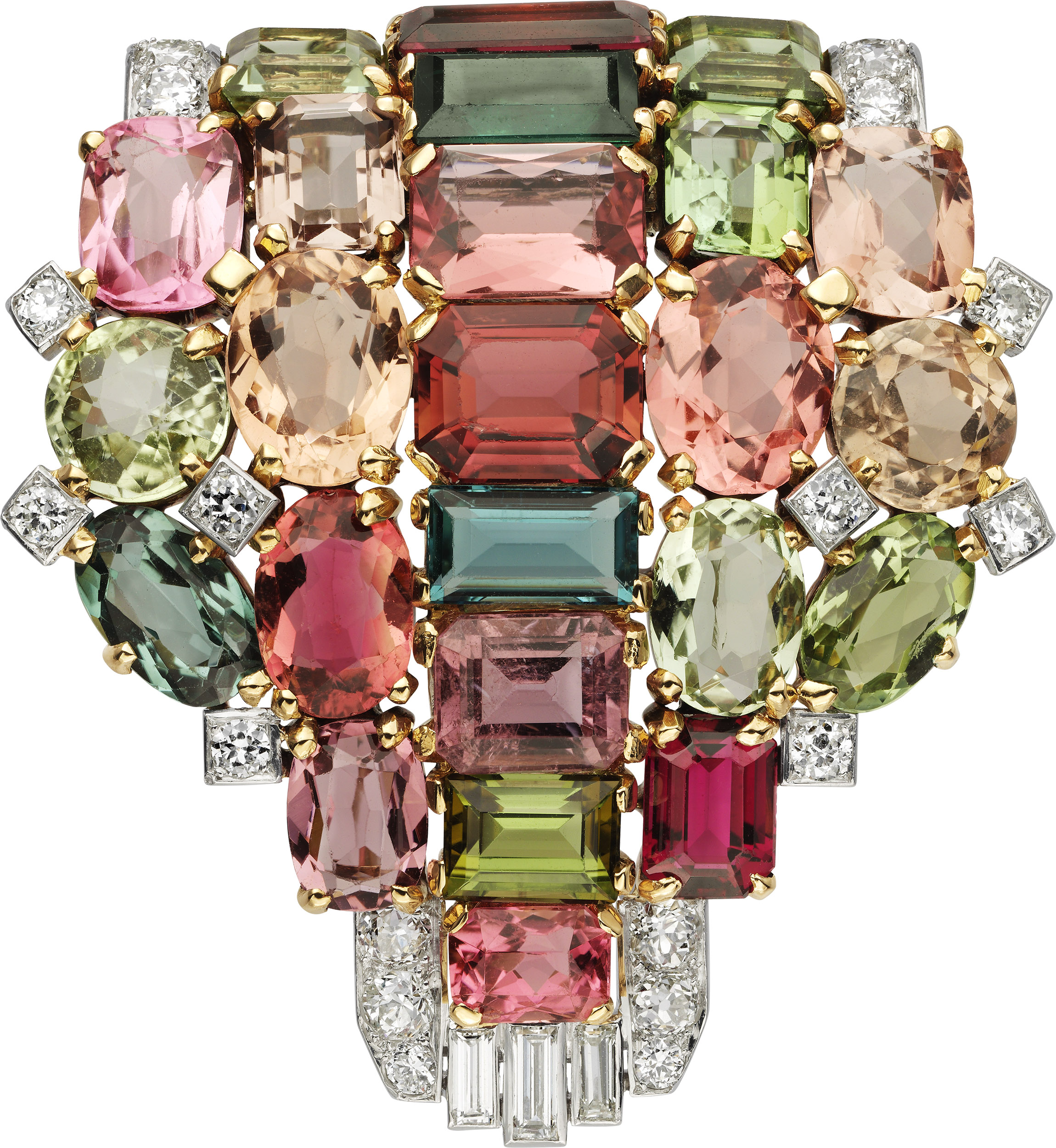
Tourmaline can also be bicolor or polychrome. Green stones with a pink to red center are called watermelon tourmalines.
Other varieties are seldom or never used in jewelry.
Formation of the stone
Tourmalines form in lithium-rich granitic pegmatites where they can reach considerable dimensions, ranging from a few centimeters to several meters.
Most tourmaline-rich primary deposits, such as those in Brazil, Mozambique and Madagascar, date back 500 to 550 million years. Some more recent deposits, like the ones in southern California, formed around 100 million years ago. Those on the Italian island of Elba are about 6.2 million years old.
Tourmalines are also found in secondary deposits (outside the rock where they originally formed).
Origins
The oldest mines are located in Brazil, mainly in the state of Minas Gerais. In the late 19th century, deposits in Madagascar and the United States began to be mined.
Mozambique has long been known as a source country, yielding some very fine quality Paraiba-type gems, among other tourmalines. Nigeria also stands out for the high quality of its production.
The Merelani deposit in Tanzania, already famed for its tanzanites, yields tourmalines of a color approaching emerald green. Along with Kenya, Tanzania is a fairly recent source, producing large-sized stones with magnificent crystallization.
African tourmalines open up new design possibilities thanks to their often subtle hues, with stones that can sometimes be quite big.

Certification
Gemological laboratories do not mention the geographical origin of tourmalines in their reports.
Specific features
Tourmaline can contain quite a number of inclusions, with minute crystals and needles inside the stone reaching the surface. These can give the stone a slightly blurred appearance, especially cabochons and beads.
Care recommendations
Despite its degree of hardness on the Mohs scale, tourmaline is softer than many other gemstones and, therefore, sensitive to scratches and heat.
It is recommended that clients have their jewelry cleaned in-store periodically to prevent any inadvisable handling.