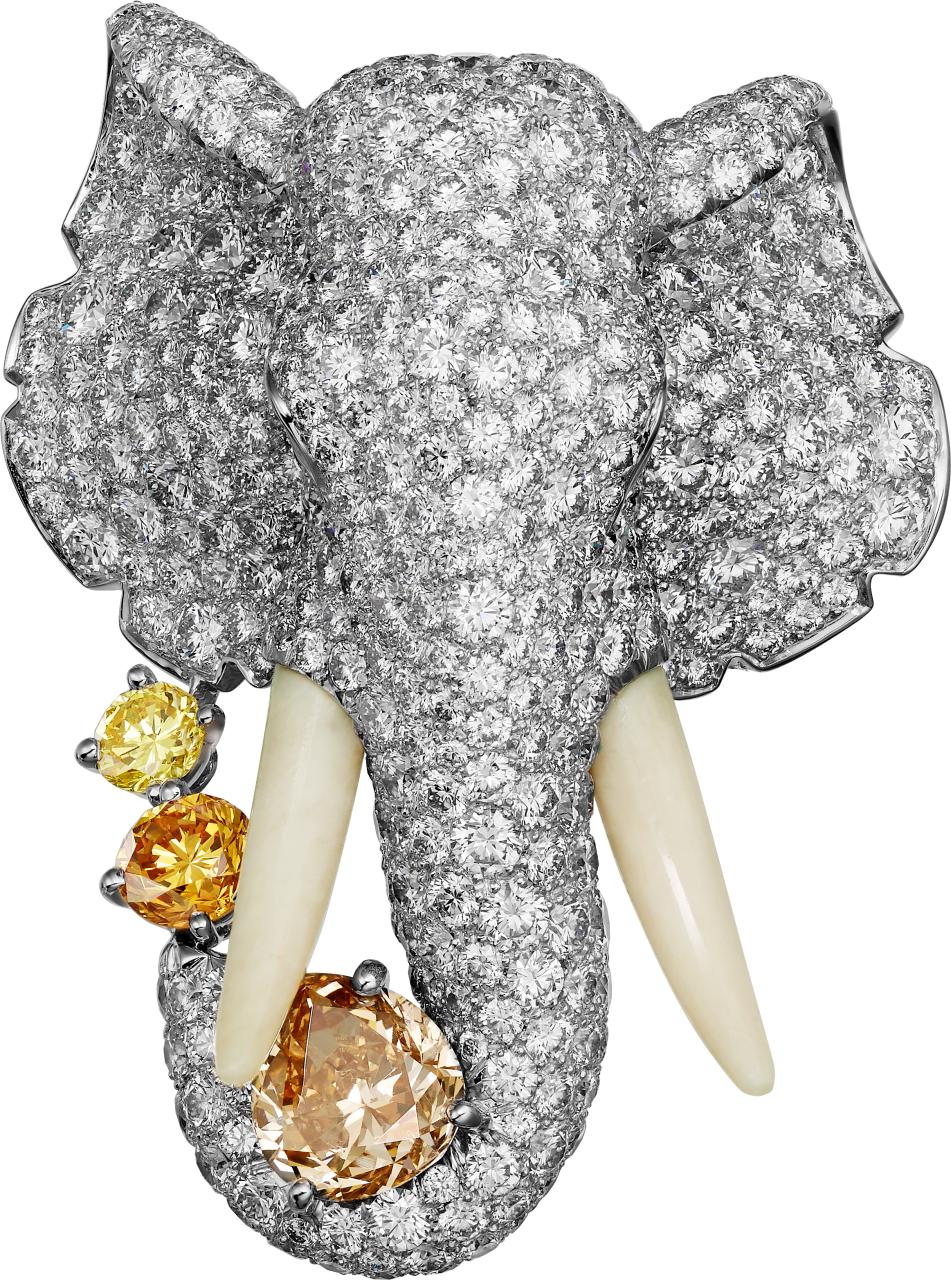
Jasper is a variety of chalcedony that presents as opaque rock. Often red or black, it has been in use for centuries and is commonly seen in the design of ornamental objects.
- Group: chalcedony
- Chemical composition: silicon oxide
- Colors: mainly red, black, brown, yellow or multicolored
- Transparency : opaque
- Hardness : 6,5-7 (Mohs scale)
- Main sources of provenance: Russia, India, Africa
Etymology, history and legends
The root of the word “jasper” can be found in many languages, including Hebrew, Assyrian, Greek, Sanskrit, Latin and Old French.
In the New Testament, the Book of Revelation describes jasper as the first stone decorating the foundations of the heavenly Jerusalem.
Red jasper was widely used during the Renaissance – especially on decorative objects, and often those with a religious purpose. Its blood-red color lent itself particularly well to representing the figures of holy martyrs or Christ on the cross.
Famous jaspers
Today there are some remarkable jaspers in Saint Wenceslas Chapel, Prague, and the Schatzkammer in Munich, where they feature both as mural decorations and in the form of objects. Dresden’s Green Vault (Grünes Gewölbe) owes its very name to the green jasper panels that decorate its walls.
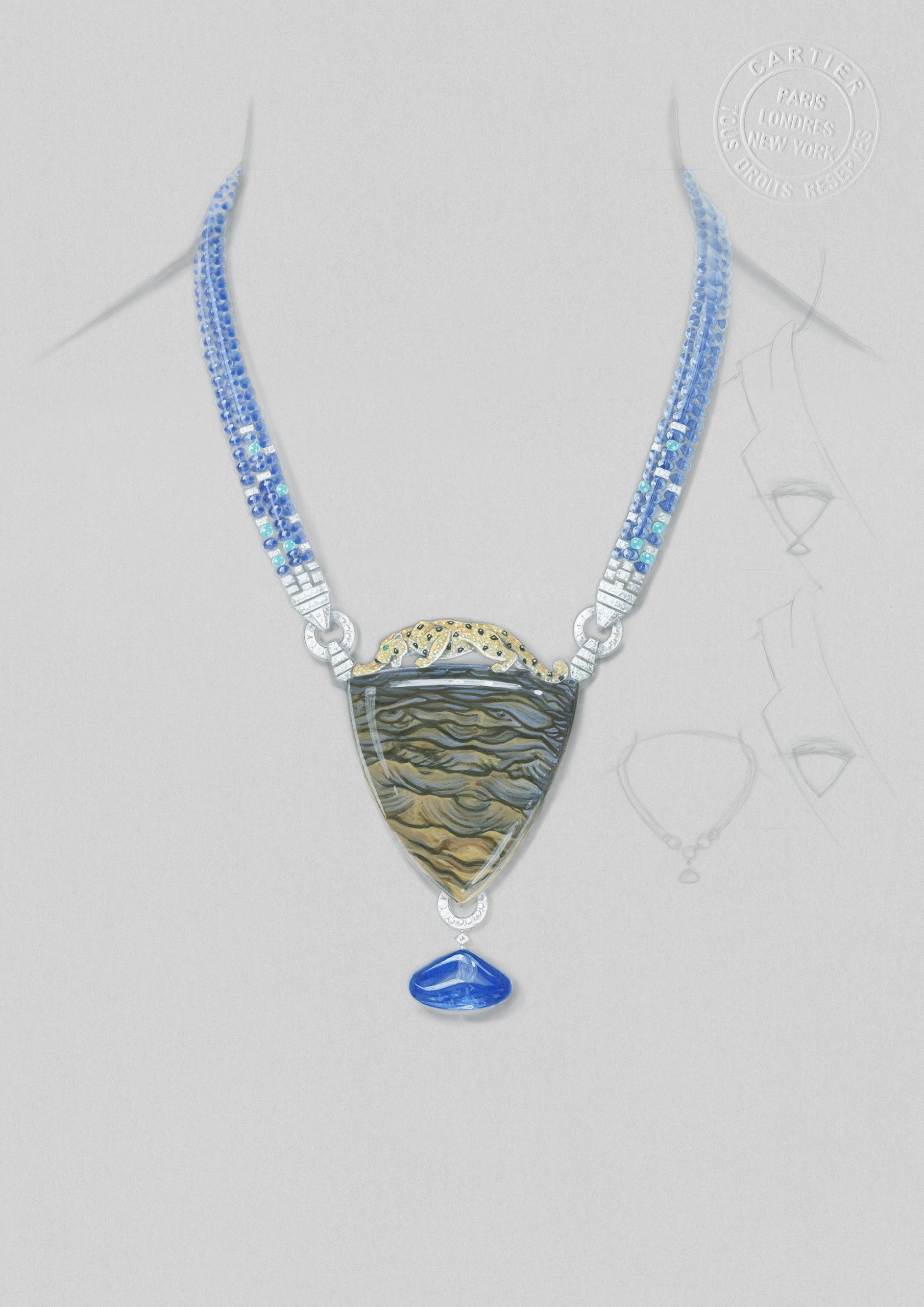
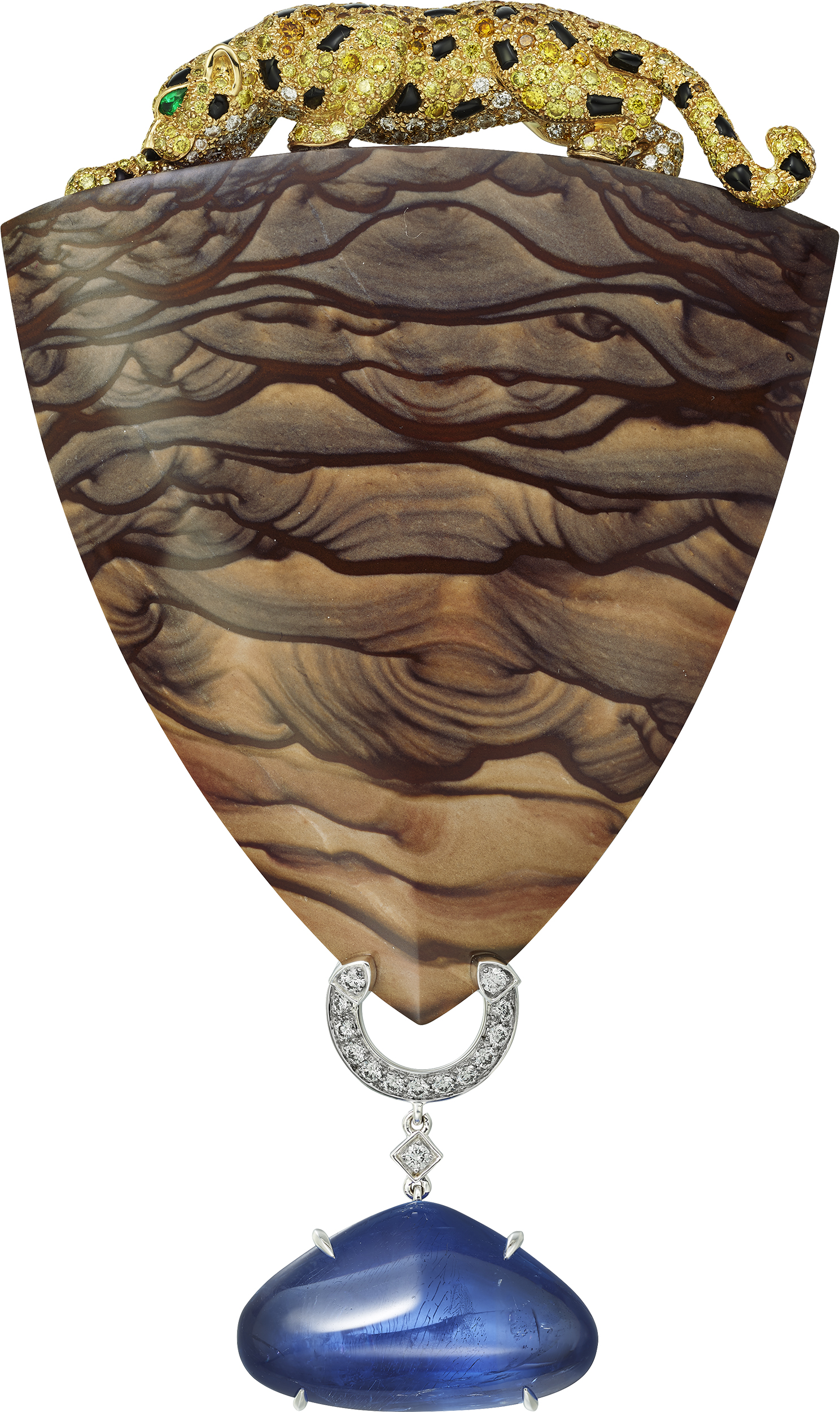
Colors and use
Jasper comes in many varieties, in red, green, yellow, brown, and blood color, with random and evocative patterns that give rise to appellations such as orbicular (in the shape of a circle), leopard skin and picture. Egyptian and Nunkirchen are two other jasper varieties.
Formation of the stone
The term “jasper” refers to an opaque rock composed mainly of microscopic grains of silica, clays, iron oxides, sometimes in combination with other elements.
It is a material that forms in sedimentary, metamorphic or magmatic rocks.
Origins
Jasper can be found all over the world. Some colors or patterns are specific to certain geographical areas, which is why some types of jasper are named after places.
Among the best-known deposits, Indonesia—particularly the Purbalingga district—is famous for its red, brown and green jaspers. Oregon is home to the Biggs jasper, a sandy yellow stone with patterns that look like dune landscapes. Idaho yields the Bruneau jasper, named for the Bruneau River canyon, colored in caramel browns and strongly lined. The island of Llanddwyn, in Wales, is known for its brick-red jasper.
Certification
Jasper is not subject to certification.
Care recommendations
Contact with solvents should be avoided as these might alter the polish.