
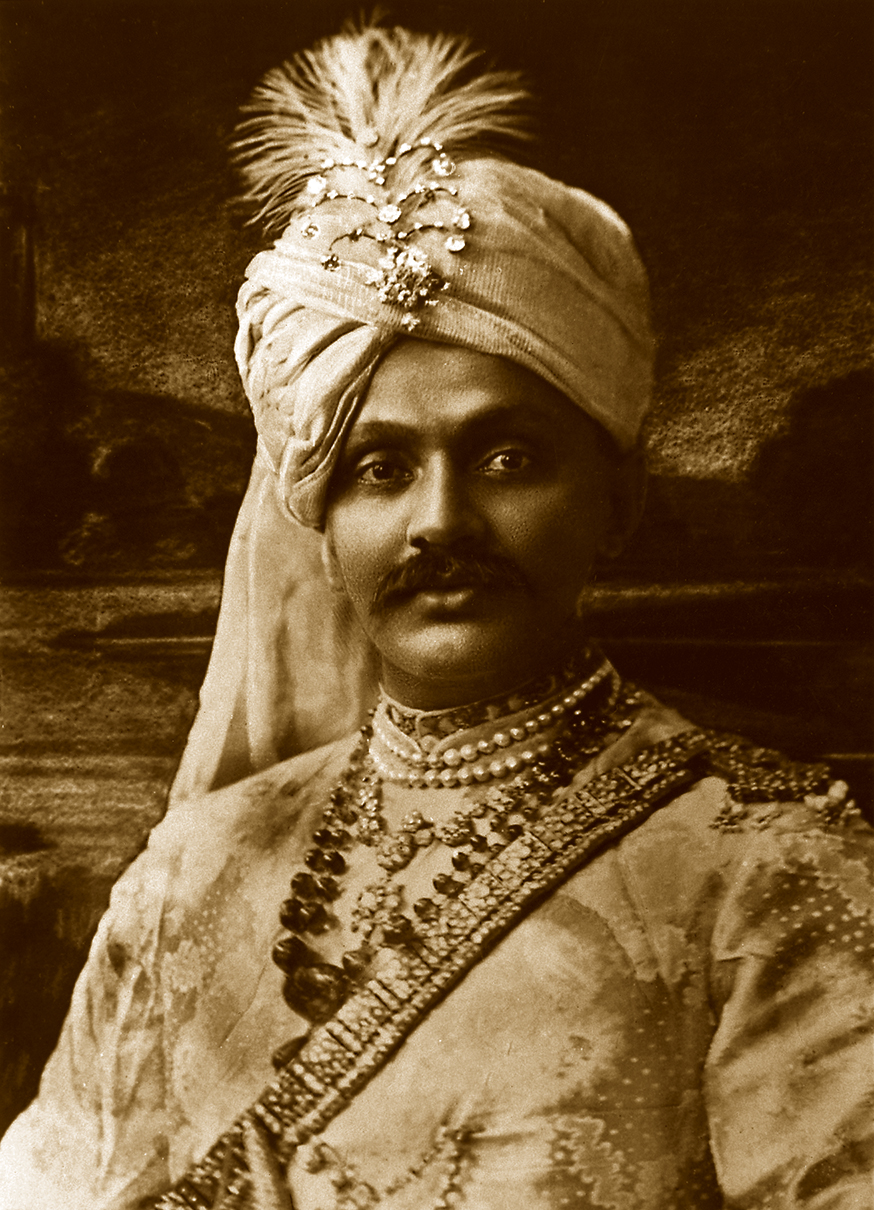
Ranjitsinhji (1872–1933), the ruler of the small state of Nawanagar located in Western India, was as passionate about sports as he was for fine gemstones.
Like his compatriot Bhupinder Singh, Maharaja of Patiala, Ranjitsinhji—also known as Ranji—was a quintessential Indian ruler who was very attuned to British ways of life and thinking. His journey was similar to that of Britain’s elite. He began his studies at the University of Rajkot in India, and continued in the United Kingdom, where he enrolled at the highly prestigious University of Cambridge.
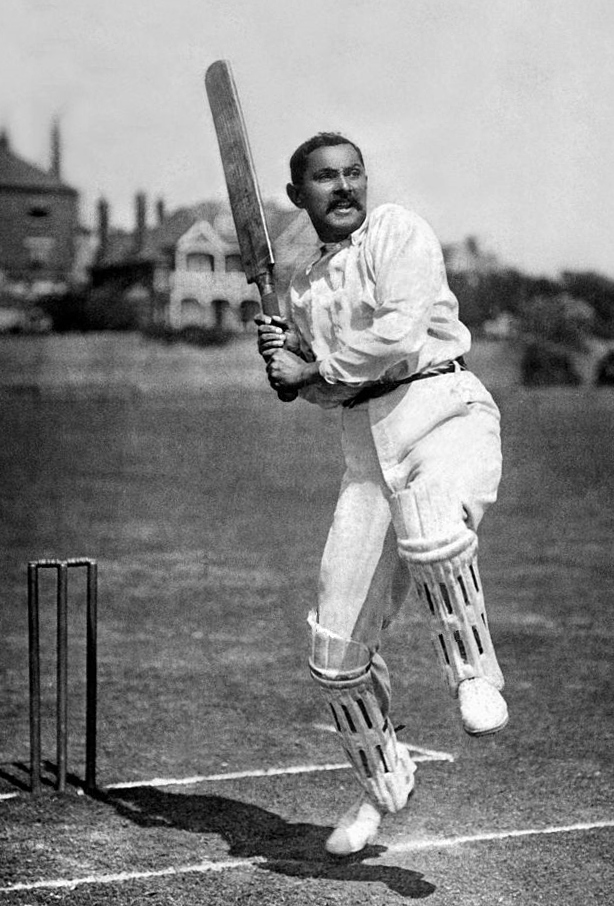
There, he honed his skills in cricket, a sport he had probably been playing since his childhood, and was noticed for his batting skills. Several years later, after completing his studies, he settled in Sussex and took over as captain of the regional cricket team. Even after returning to India in 1904 and acceding to the throne of Nawanagar in 1907, he travelled frequently to England to compete for full seasons of his favorite sport. The media even deemed him one of the best players of his time.
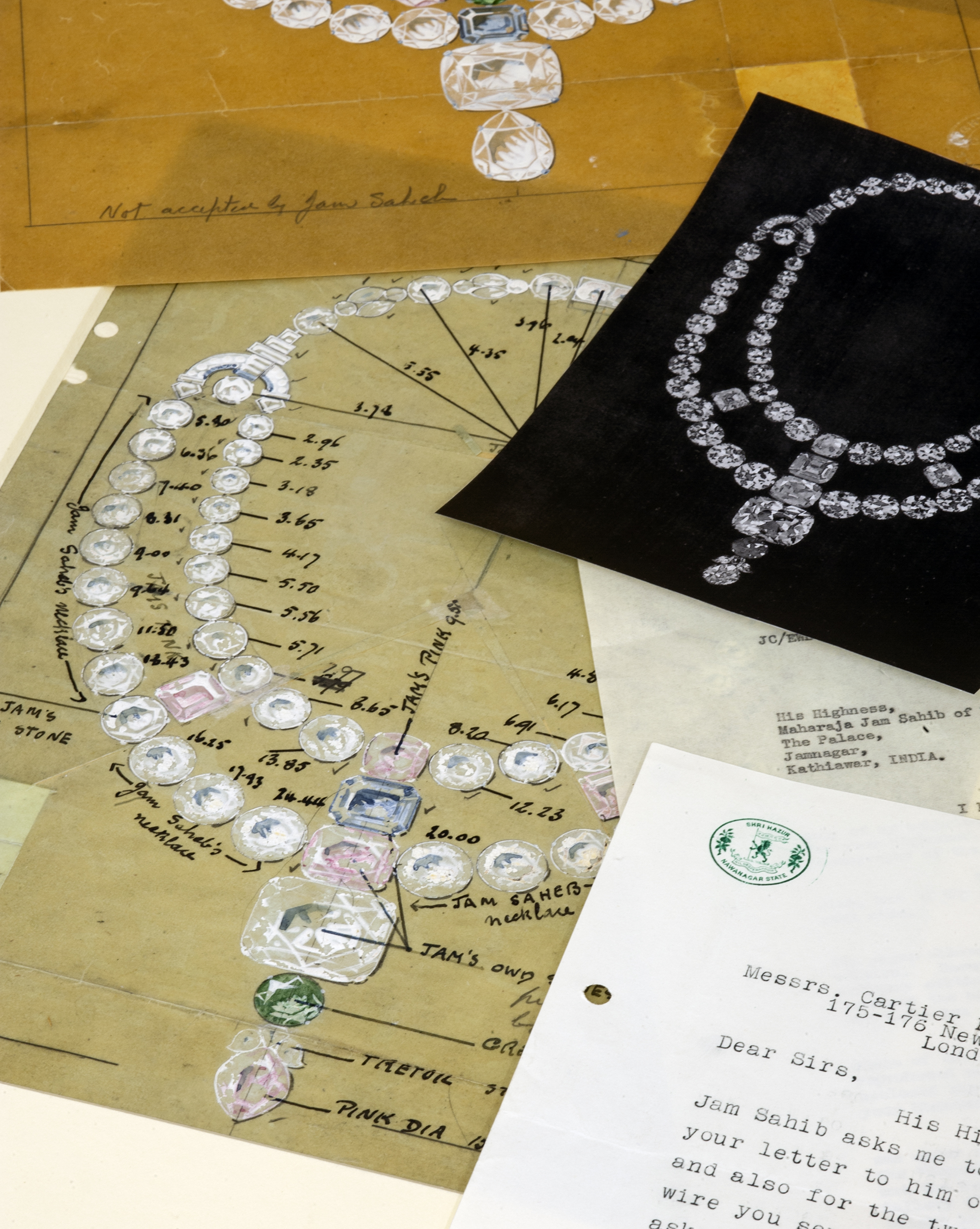
Ranjitsinhji also had another passion: jewelry. He met Jacques Cartier—most likely following the Durbar ceremonies of 1911—and the two became friends. The maharaja entrusted jewels and stones from Nawanagar’s treasured collection to Cartier, and commissioned a number of outstanding pieces. In 1934, Jacques even devoted a book to Ranji's impressive collection. Many pages of the Maison’s archives are filled with his purchases and orders, including the resetting of a platinum aigrette adorned with a 24.81-carat pink diamond; the creation of a turban parure showcasing a spectacular rectangular 80.68-carat emerald belonging to Ranjitsinhji; a ceremonial emerald and diamond necklace; a cord necklace of natural pearls; and two turban ornaments.
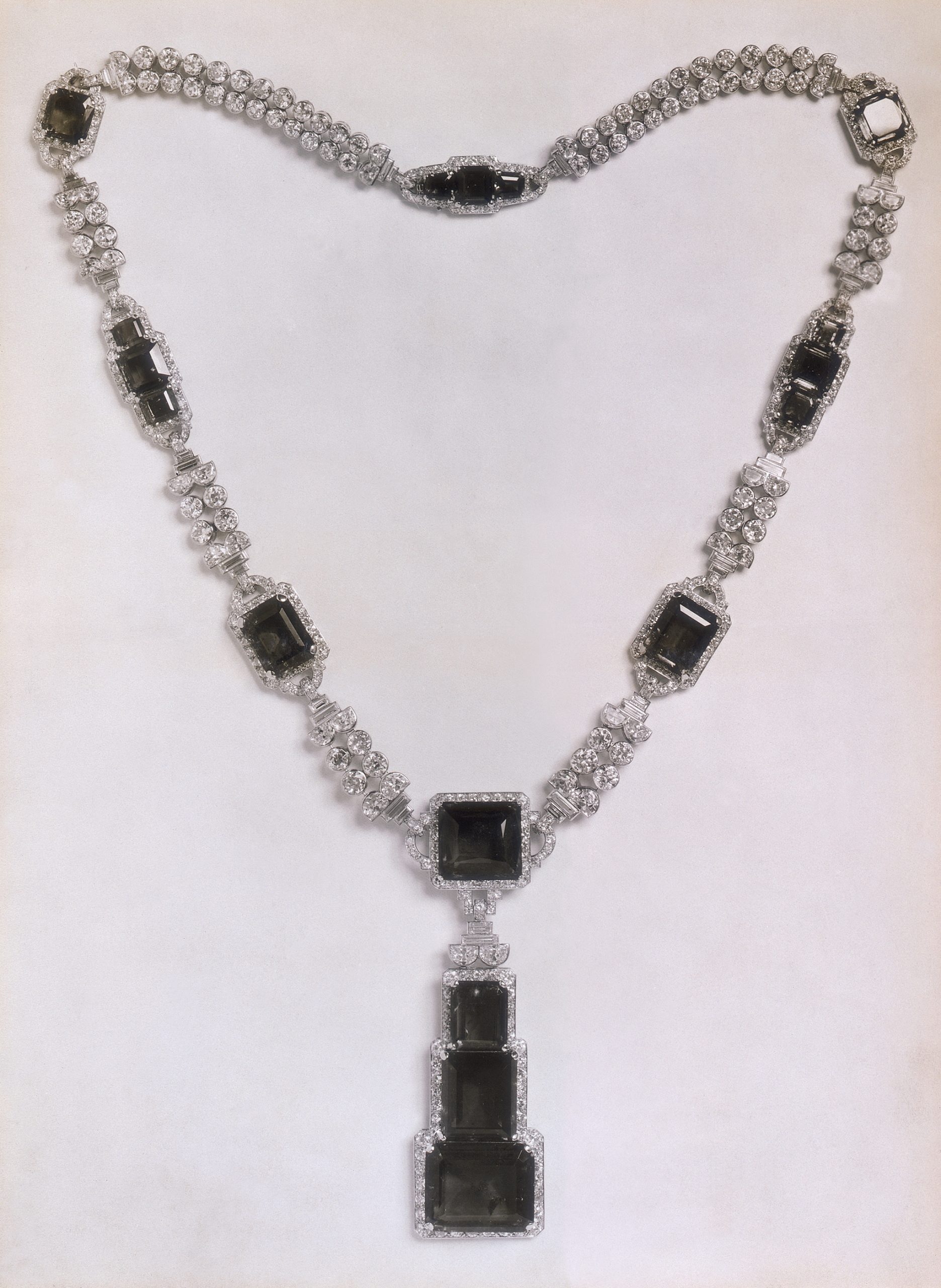
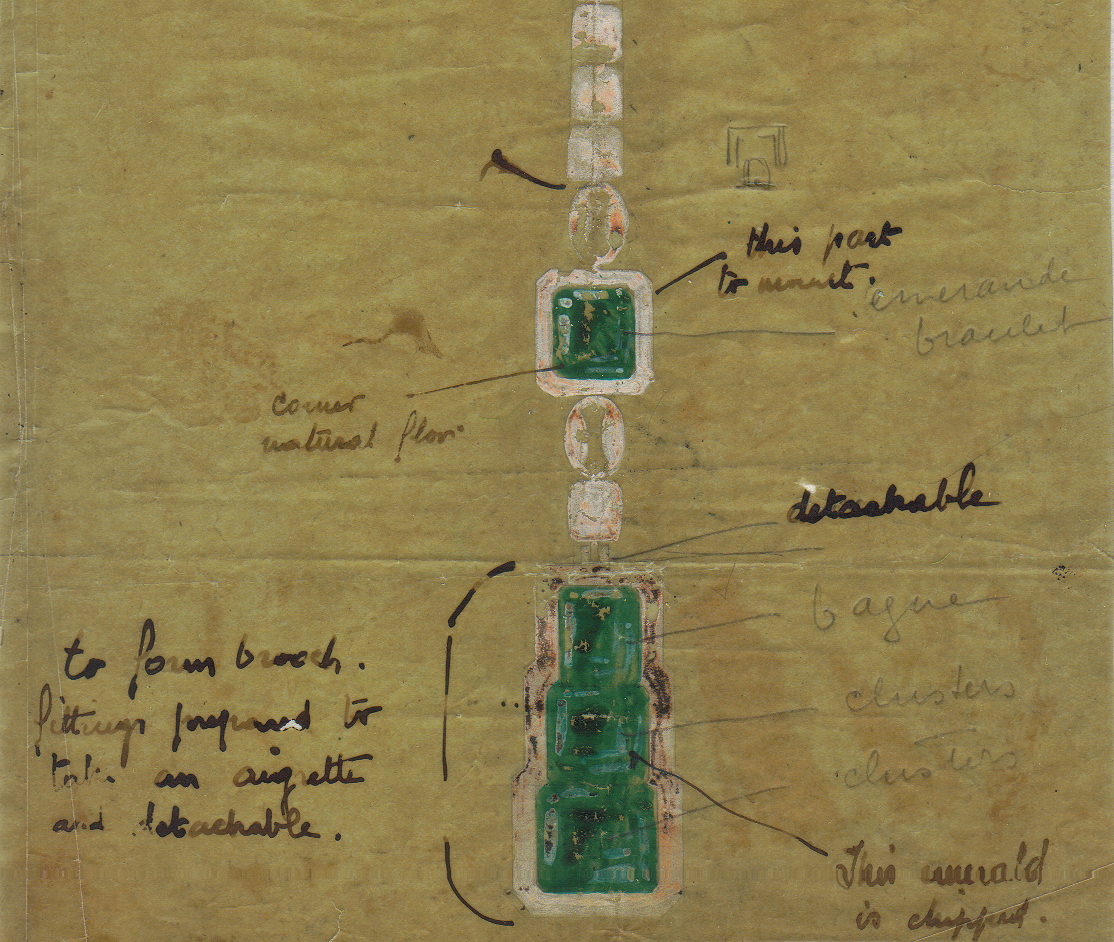
The most lavish piece commissioned by the maharaja was surely the ceremonial necklace executed in 1931, enhanced by the legendary Ranjitsinhji diamond, named by Jacques Cartier in the maharaja’s honor. The extremely pure stone, weighing in at an equally impressive 136.32 carats, was placed at the center of an awe-inspiring cascade of colored diamonds. Having already entrusted Jacques with a 9.50-carat pink diamond, the maharaja added two more diamonds—one pink and the other azure blue. Cartier complemented this ensemble with a very rare olive green diamond and another old-cut pink diamond. Some of the world’s rarest stones were brought together for this necklace, which is doubtless one of the most extraordinary in jewelry-making history.
As maharaja, Ranjitsinhji is remembered for his progressive, modern ruling style. He undertook many reforms in the state of Nawanagar and developed infrastructure serving ports, railways and agriculture. During World War I, he enrolled in the British army and fought on French battlefields. Equally respected by the British and by his own compatriots, he was appointed India’s representative at the League of Nations in 1920. Twelve years later, he earned the very high distinction of Chancellor of the Chamber of Princes, one of India’s main political institutions.