
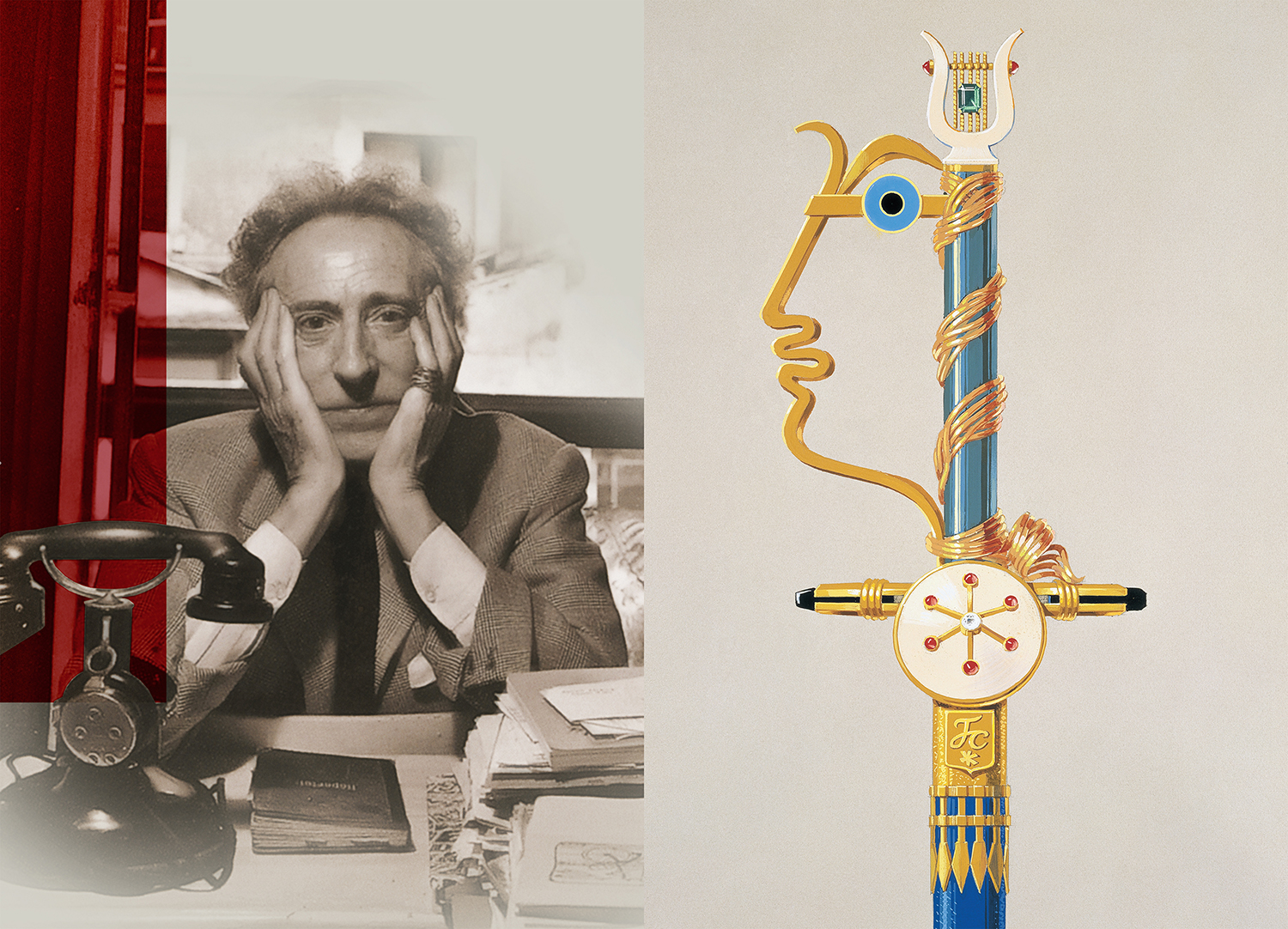
Poet, illustrator, playwright and filmmaker, Jean Cocteau (1889-1963) was one of the 20th century’s greatest artists. A lover of beauty and loyal Cartier patron, he shared the Maison’s taste for audacity and poetry.
Jean Cocteau was born in Maisons-Laffitte on July 5, 1889, the son of a socially prominent Parisian family. After attending the Lycée Condorcet in Paris, he published his first poems in 1909 and became a fashionable figure among the Parisian elite, mingling at salons with the Daudet family, the Countess of Noailles and Marcel Proust. In 1913, he discovered The Rite of Spring produced by Sergei Diaghilev, a revelation that influenced his life’s work. Following his encounter with the Russian artist, Cocteau wrote librettos for two ballets, Le Dieu bleu in 1912 and Parade in 1917, produced jointly with other eminent artists including illustrator Léon Bakst, painter Pablo Picasso and composer Erik Satie.
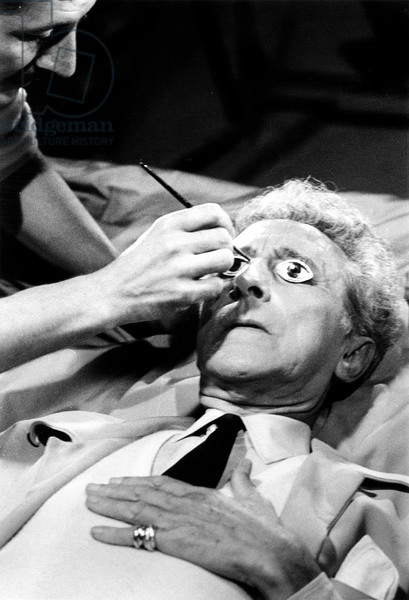
During the interwar years, Cocteau enjoyed a period of intense creativity, influenced by the avant-garde. He tried his hand at poetry inspired by the Futurist, Dadaist and Cubist movements, and published his most famous novel, Les Enfants Terribles (The Holy Terrors), in 1929. Writing led him to the world of theater and film, where he met artist Christian Bérard, singer Édith Piaf (for whom he wrote the play Le Bel indifférent in 1940), as well as his muse and lover, Jean Marais. He directed several noteworthy films including Beauty and the Beast (1946), Orpheus (1950), and Les Enfants Terribles (1950), based on his famous novel. Having earned recognition as a talented filmmaker, he served as president of the Cannes Film Festival jury in 1953 and 1954.
Not only was Cocteau an accomplished writer, he was also a gifted painter and illustrator. In addition to many books, he decorated the chapels of Villefranche-sur-Mer and Milly-la-Forêt. Encouraged by Henri Matisse, he decorated the walls of Villa Santo Sospir in Saint-Jean-Cap-Ferrat, which belonged to his close friends Francine and Alec Weisweiller, heirs of the Shell conglomerate.
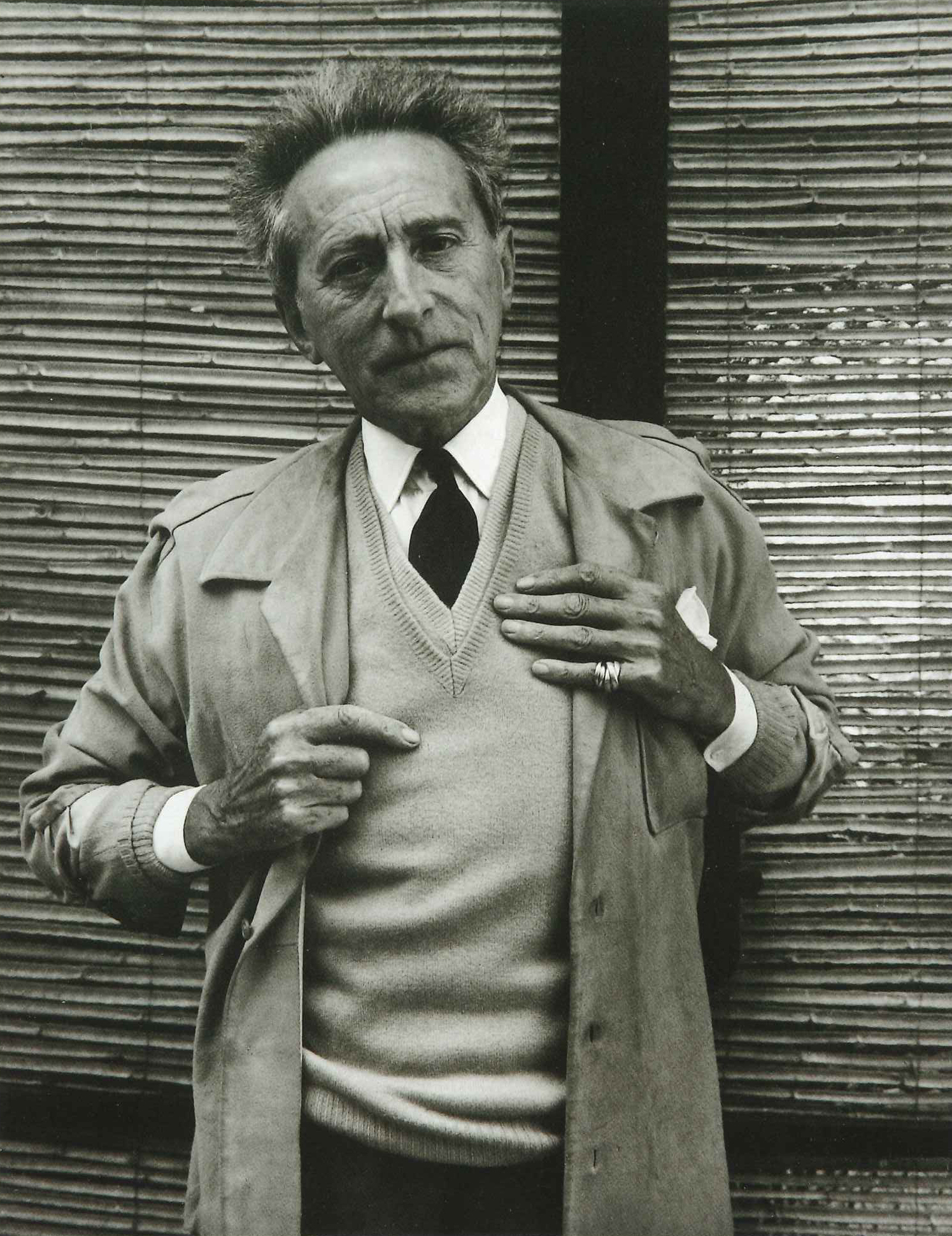
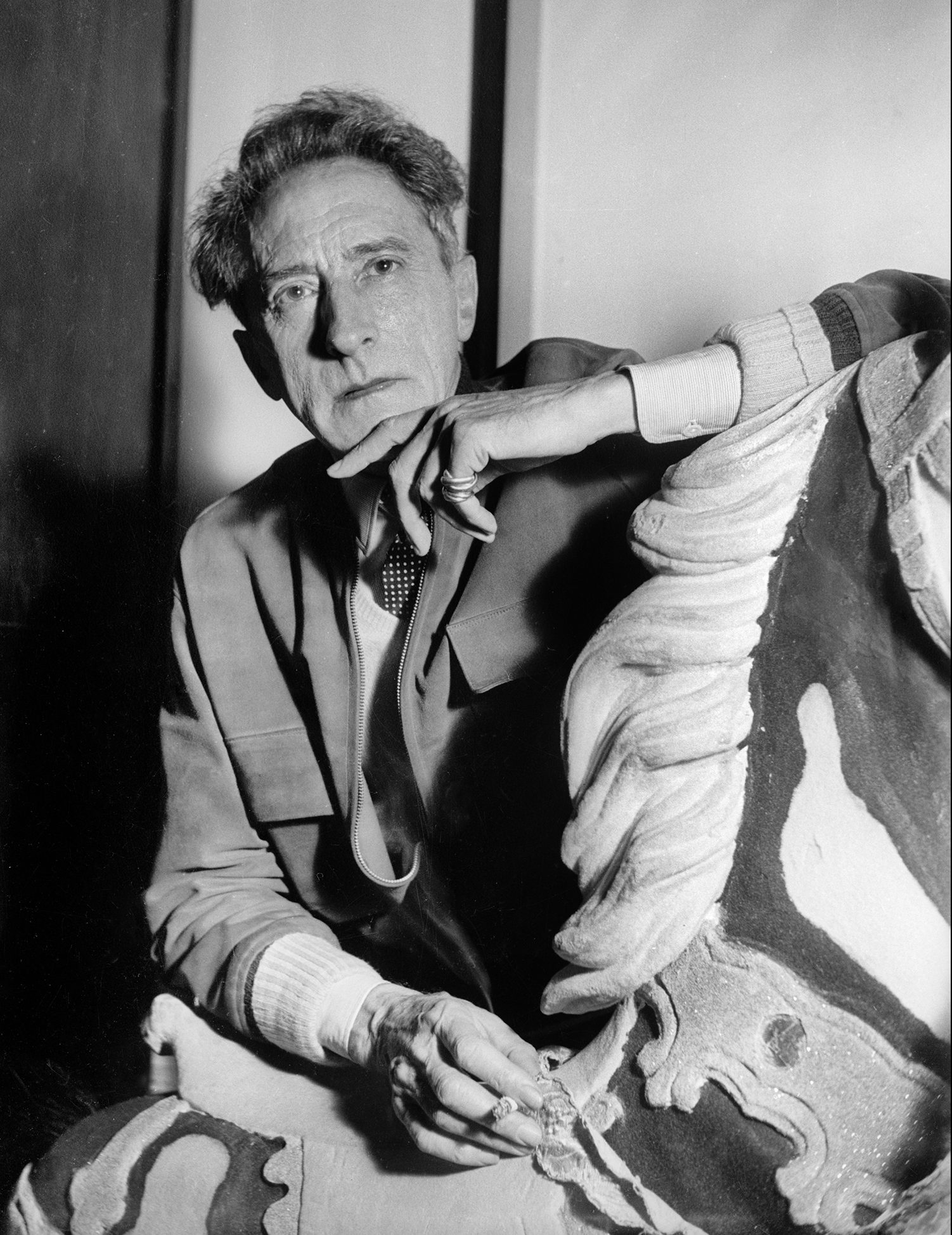
Cocteau – well-rounded artist, aesthete and dandy – was known for his love of elegance. He was one of the first to adopt the ring with three bands in three golds created by Louis Cartier in 1924, wearing not one but two of them overlapping each other on his left little finger.
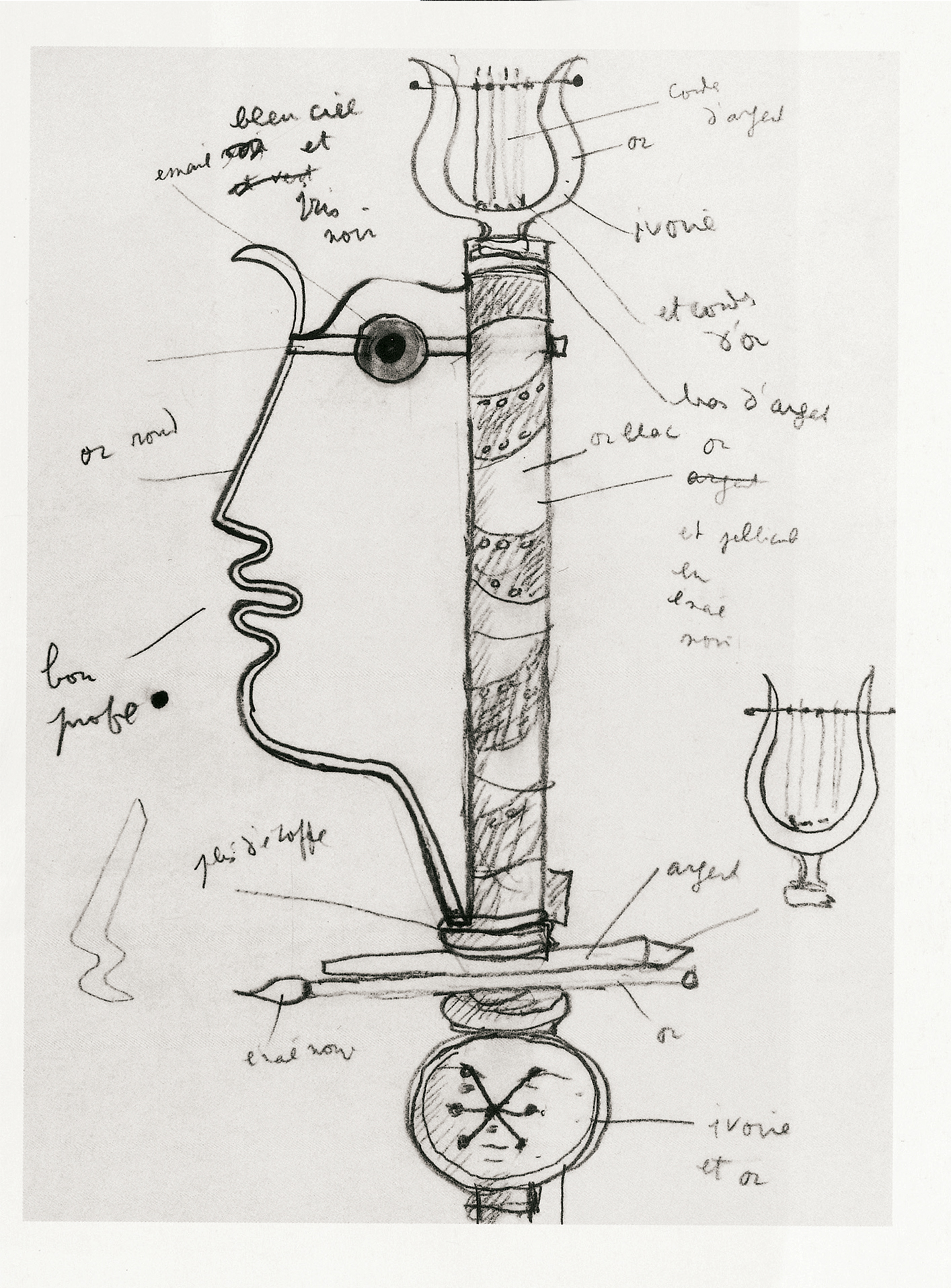
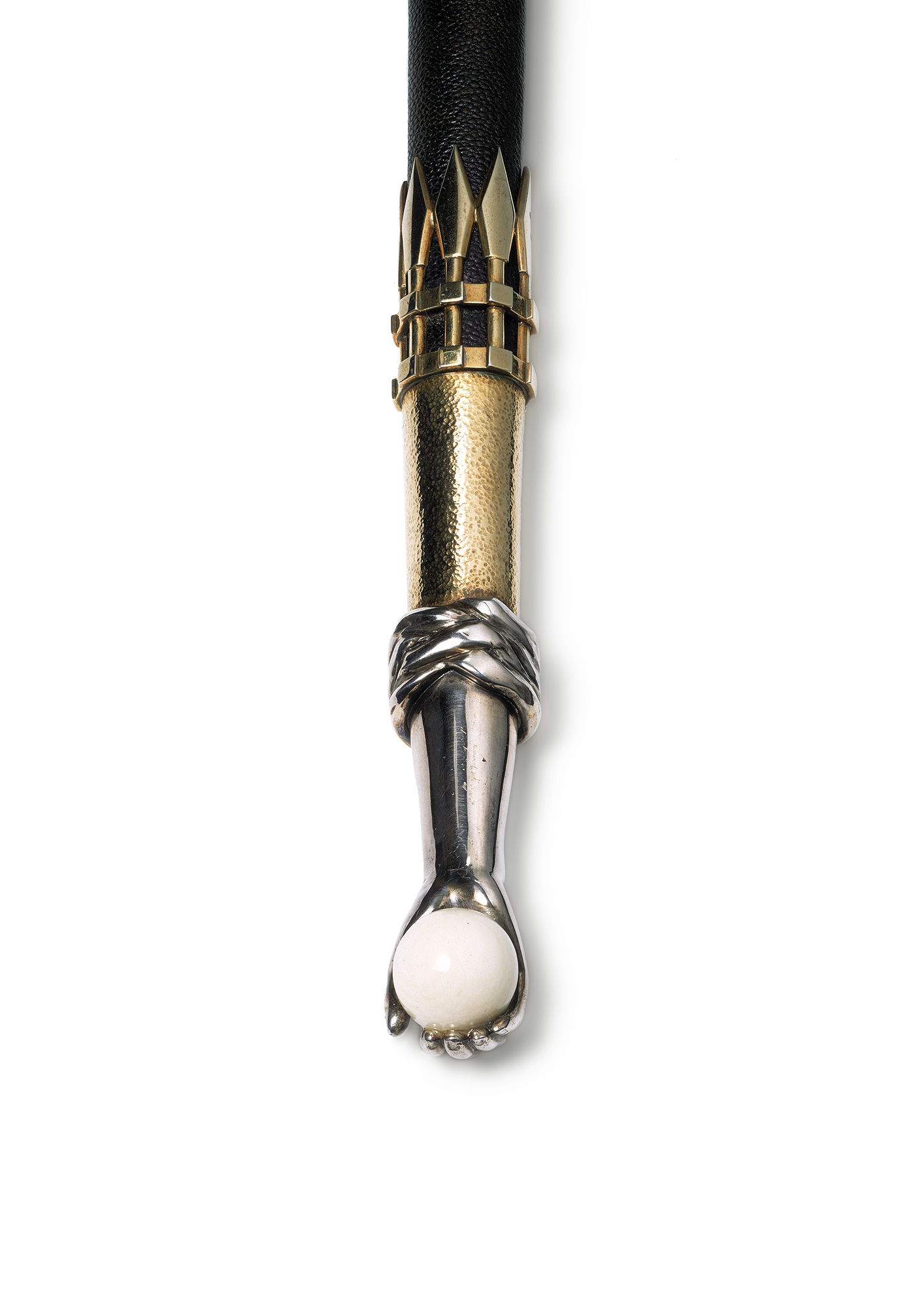
On March 3, 1955, Cocteau was inducted into the Académie Française. For the occasion, Cartier designed his ceremonial sword based on the artist’s personal drawings. The sword, now part of the Cartier Collection, depicts the main themes of his creative universe: Orpheus – whose golden profile forms the hilt – and his lyre; a theater curtain symbolized by a column draped in fabric; charcoal, which forms the cross guard and represents his drawing activity; a star formed of diamonds and rubies evoking the hallmark star that always accompanied his signature. The sword’s sheath features a spear-tip motif at the top, symbolizing the gates of the Palais-Royal in Paris where Cocteau had lived since 1940. At the bottom, a hand clasps a small ivory ball in reference to the snow-covered stone in Les Enfants Terribles.
As per tradition, he received the sword as a gift from his friends: the blade came from a Toledo armory, the 2.84-carat emerald from Coco Chanel, and the rubies and diamond from Francine Weisweiller.
Cocteau’s attachment to Cartier is also conveyed in his work. For his film Beauty and the Beast, he asked the jeweler to loan him the diamond tears cried by his heroine, played by Josette Day, as she mourns her sick father. He also wrote two verses celebrating the wondrous world of the Maison:
“Cartier, that subtle magician catching fragments of the moon on strands of sunshine.”