
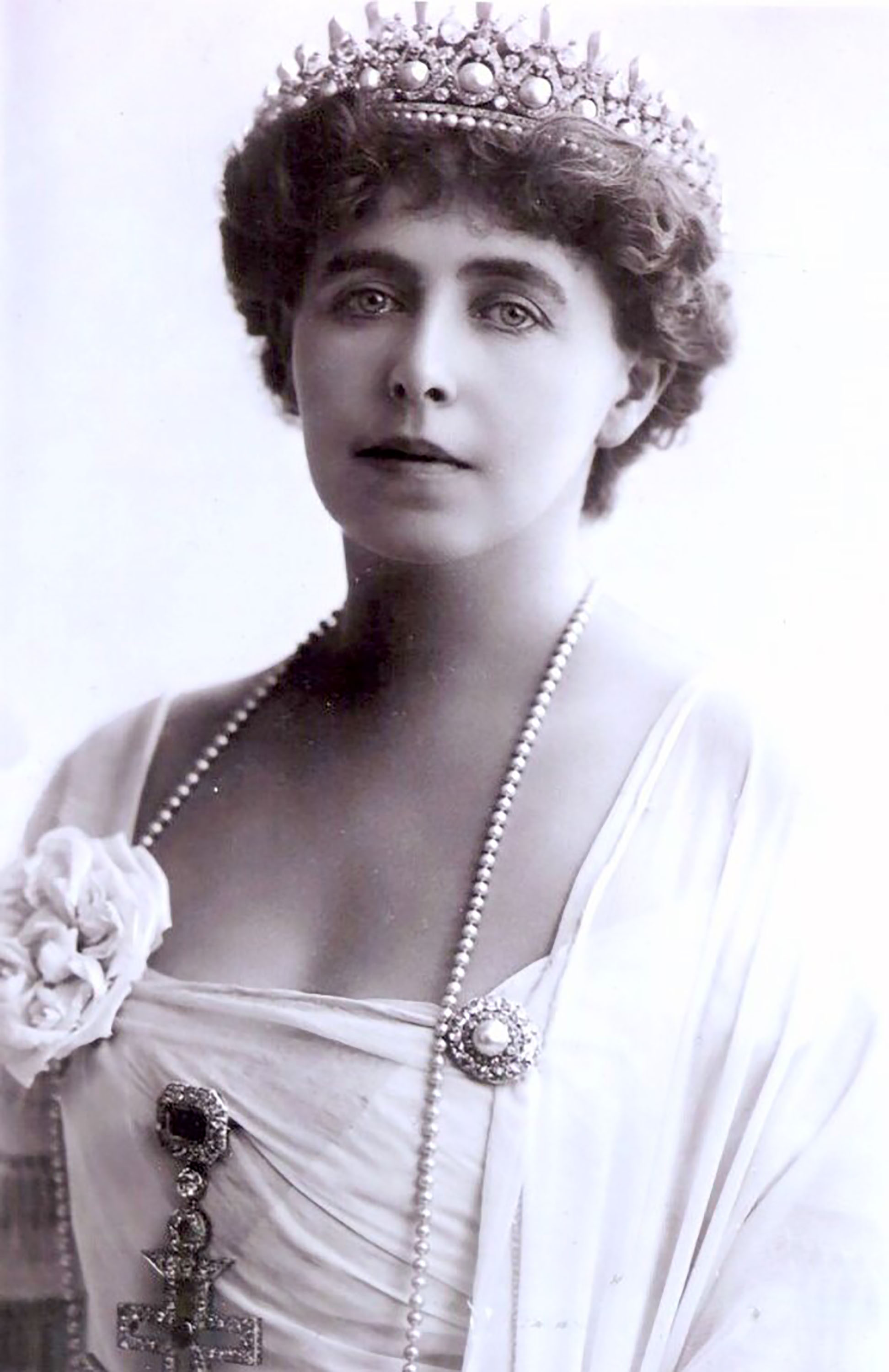
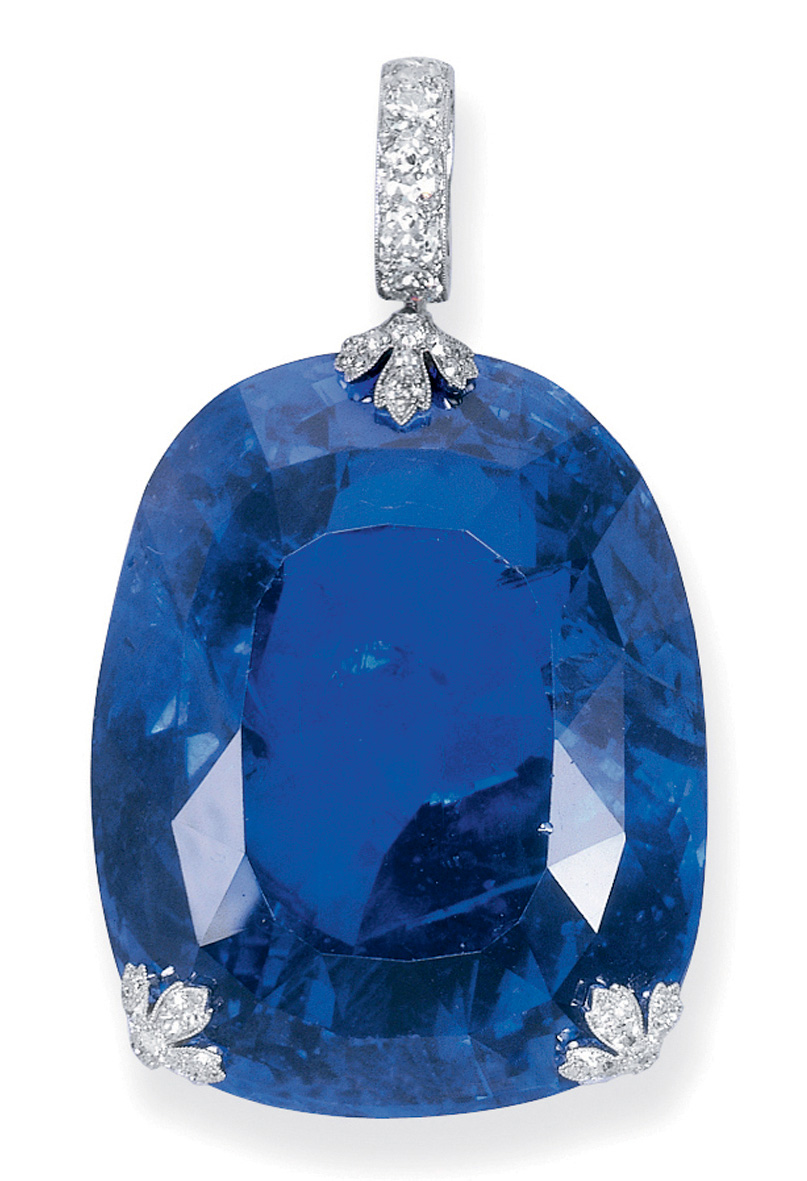
Granddaughter of both Queen Victoria of England and Czar Alexander II of Russia, Marie (1875–1938) married Ferdinand of Romania in 1893. The Queen was notably appreciated for the patriotism she displayed during World War I. She left behind the image of a great lady. As a committed philanthropist, writer and aesthete, she was a major collector of lavish jewelry in particular. Among other items, she owned a famous sapphire weighing more than 478 carat set on a pendant by Cartier.
“The granddaughter of Europe”
Marie, princess of Saxe-Coburg and Gotha, was born on October 29, 1875. Through intermarriage among the major royal families, she descended from the two most powerful monarchs in Europe. Her father, Prince Alfred, duke of Edinburgh, was the son of Queen Victoria, queen of Great Britain and empress of India, while her mother, Grand Duchess Maria Alexandrovna, was the daughter of Czar Alexander II of Russia.
Since Marie’s father served in the British navy, the family moved to his various postings. When Alfred’s German uncle died in 1893, he became the ruling duke of Saxe-Coburg and Gotha, at which point the family moved permanently to Rosenau Palace in Coburg (modern Bavaria).
Queen of Romania
In 1893 Marie married Prince Ferdinand, heir to the Romanian throne as the nephew of King Carol. The couple had six children.
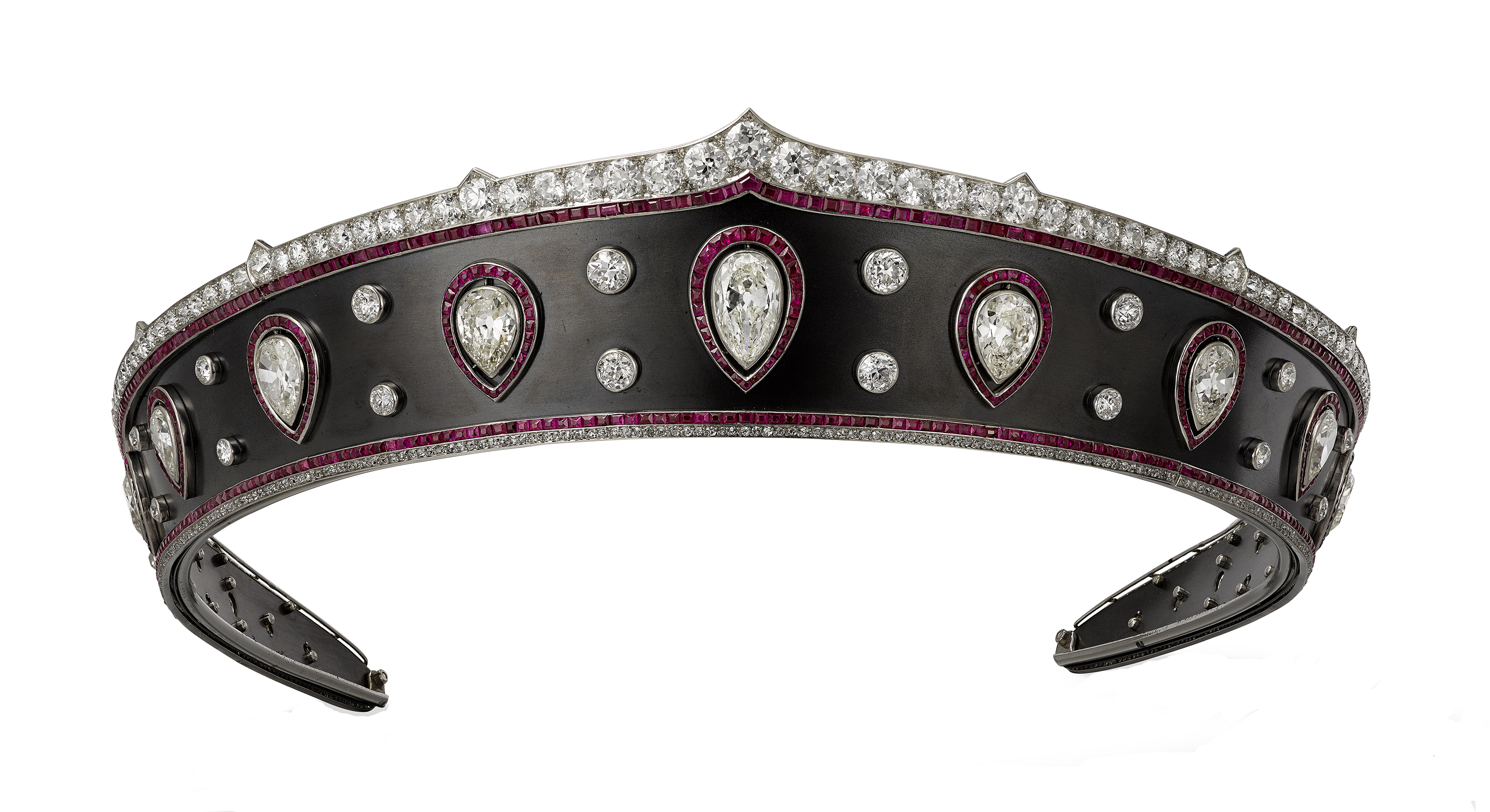
King Carol died in October 1914, and was succeeded by Ferdinand. The country being then at war, the coronation was postponed until a more propitious time, but that did not prevent certain nobles and aristocrats in the kingdom from ordering lavish jewelry in anticipation of the big event. That is probably why one of Marie’s confidants approached Cartier in order to buy a tiara of a highly original type for the times: the central part was plated with blackened steel and set with pear-shaped diamonds surrounded by calibrated-cut rubies in a bold contrast of colors.
The war years
Scarcely had he ascended the throne, King Ferdinand was confronted with the worst crisis of his reign: the country was dragged into World War I and he had to lead it into battle.
Queen Marie devotedly supported her new country throughout the war. She worked as a nurse in order to help the wounded and she donated the profits of a book she wrote to the Red Cross. Her contribution to the war effort also had an international dimension, for she represented Romania at the Versailles peace conference that put an end to World War I.
Cartier, official jeweler
The couple took advantage of renewed peace as memory of the grim years faded.
In 1921, Ferdinand gave Marie an impressive sapphire from Ceylon weighing more than 478 carats, which Cartier set on a pendant. The stone was among the most famous gems of its day. Its weight made it one of the largest sapphires then known, contributing to its fame.
Queen Marie was particularly fond of this sapphire, as witnessed by the many photos and portraits in which it can be seen. Illustrated here is a painting done in 1924 by Philip Alexius de Laszlo.
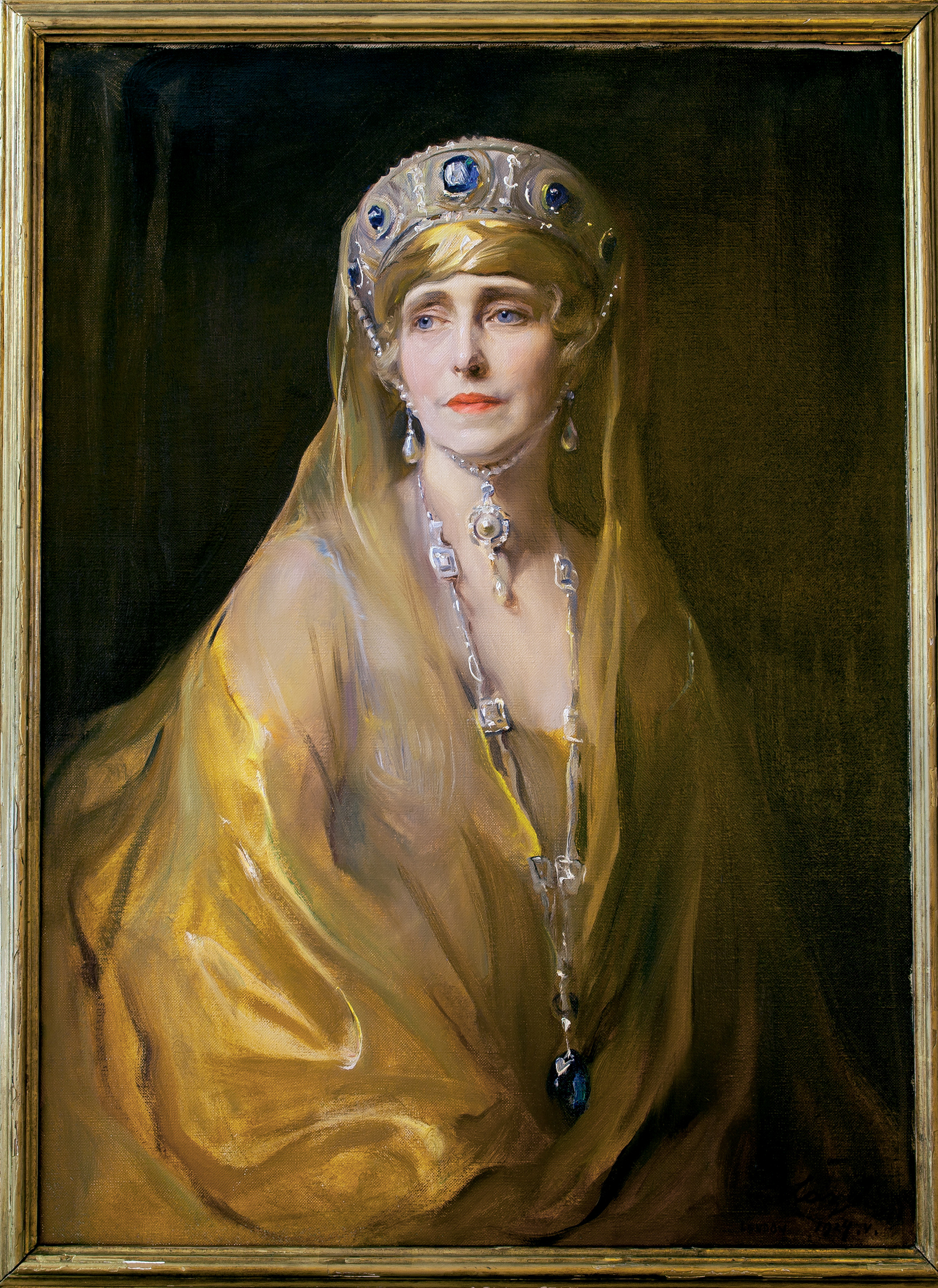
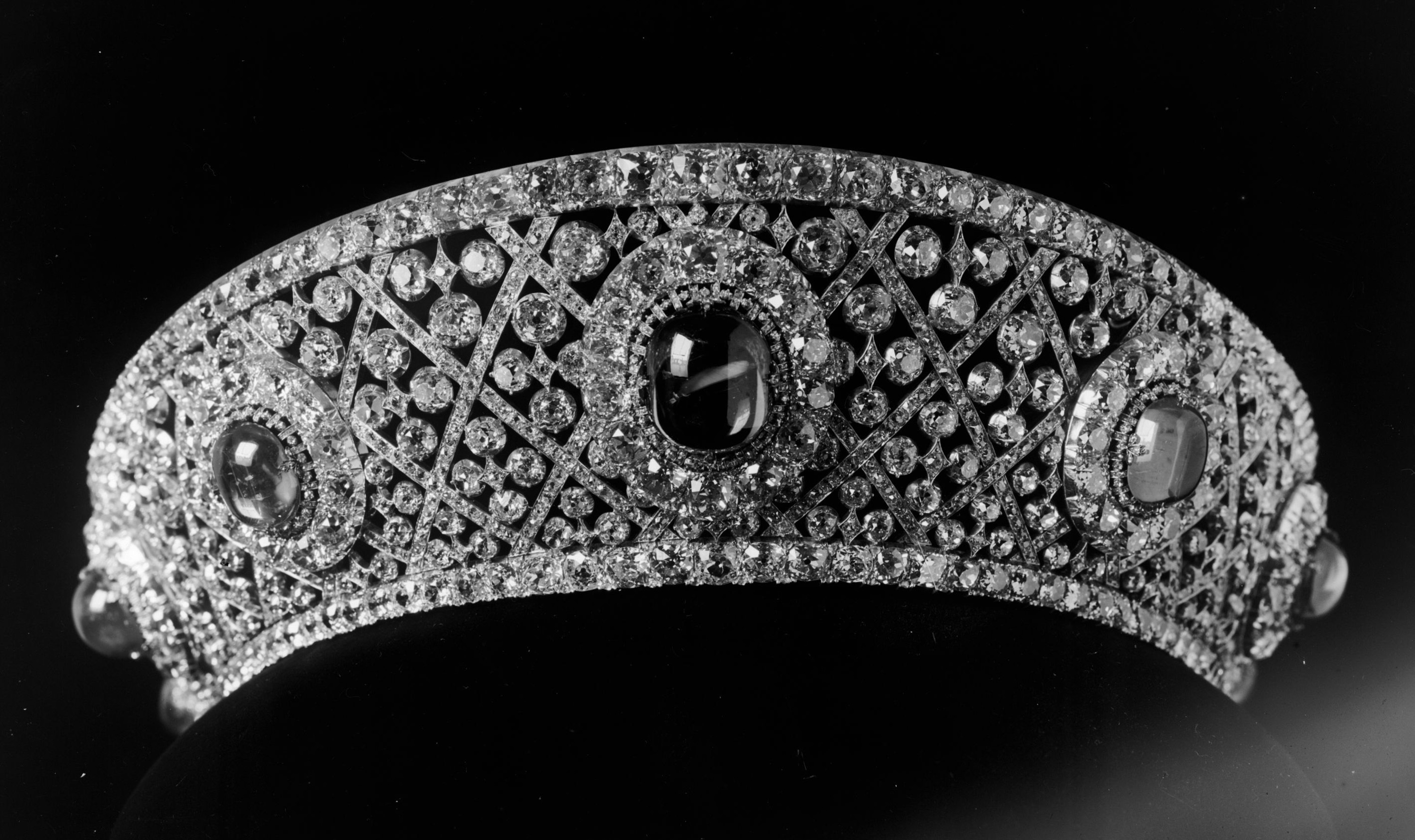
The same year the sapphire was purchased—1921—Queen Marie also bought from Cartier a remarkably fine bandeau of diamonds and natural pearls. She also owned a kokoshnik-type Cartier tiara adorned with impressive sapphires, which had previously been owned by her cousin, Maria Pavlovna, wife of Grand Duke Vladimir Alexandrovich of Russia.
Cartier’s special relationship with the queen was confirmed in 1928 when the Maison was awarded a warrant of official supplier.
Memoirs of a lifetime
After her husband died in 1927, Marie remained in Romania, where she wrote her critically acclaimed memoirs, titled The Story of My Life.
She died on July 18, 1938 and was buried next to her husband at the monastery of Curtea de Arges.