
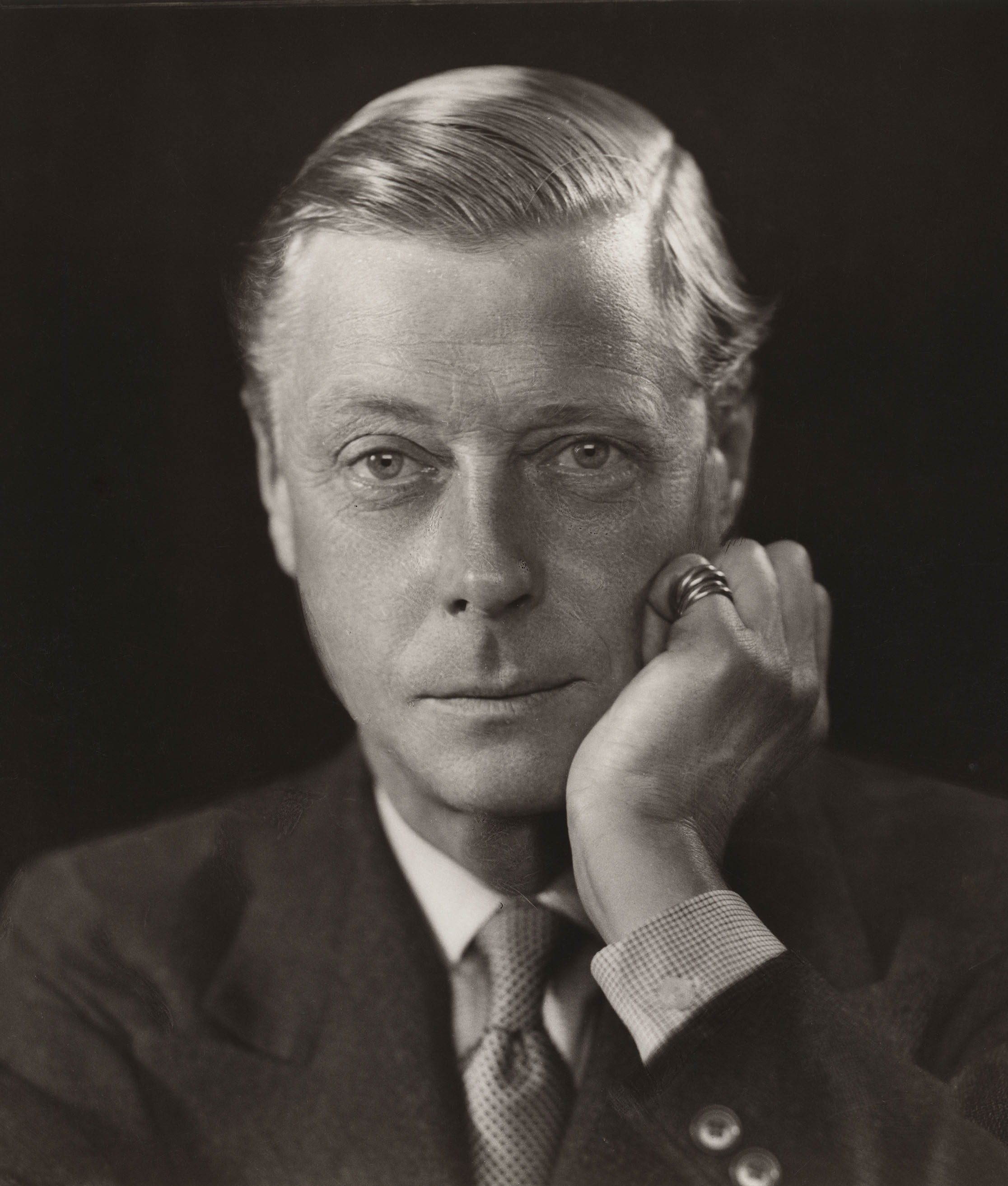
The Duke of Windsor (1894–1972), briefly King Edward VIII, made his mark on history through the couple he formed with Wallis Simpson: in 1936, his love for her obliged him to renounce the British crown. He then became a society figure known for his elegance, as well as a major Cartier client.
Prince Charming
Born in 1894, Edward was the eldest son of Prince George, Duke of York, and Princess Mary of Teck, of the house of Wurtemberg. His father became King George V upon the death of Edward VII in 1910, and the following year young Edward was made Prince of Wales, heir to the British throne.
He had fond memories of childhood, especially the celebrations that brought the royal family together. He wrote in his memoirs, with a novelistic twist, that Christmas was like “Dickens in a Cartier setting.”
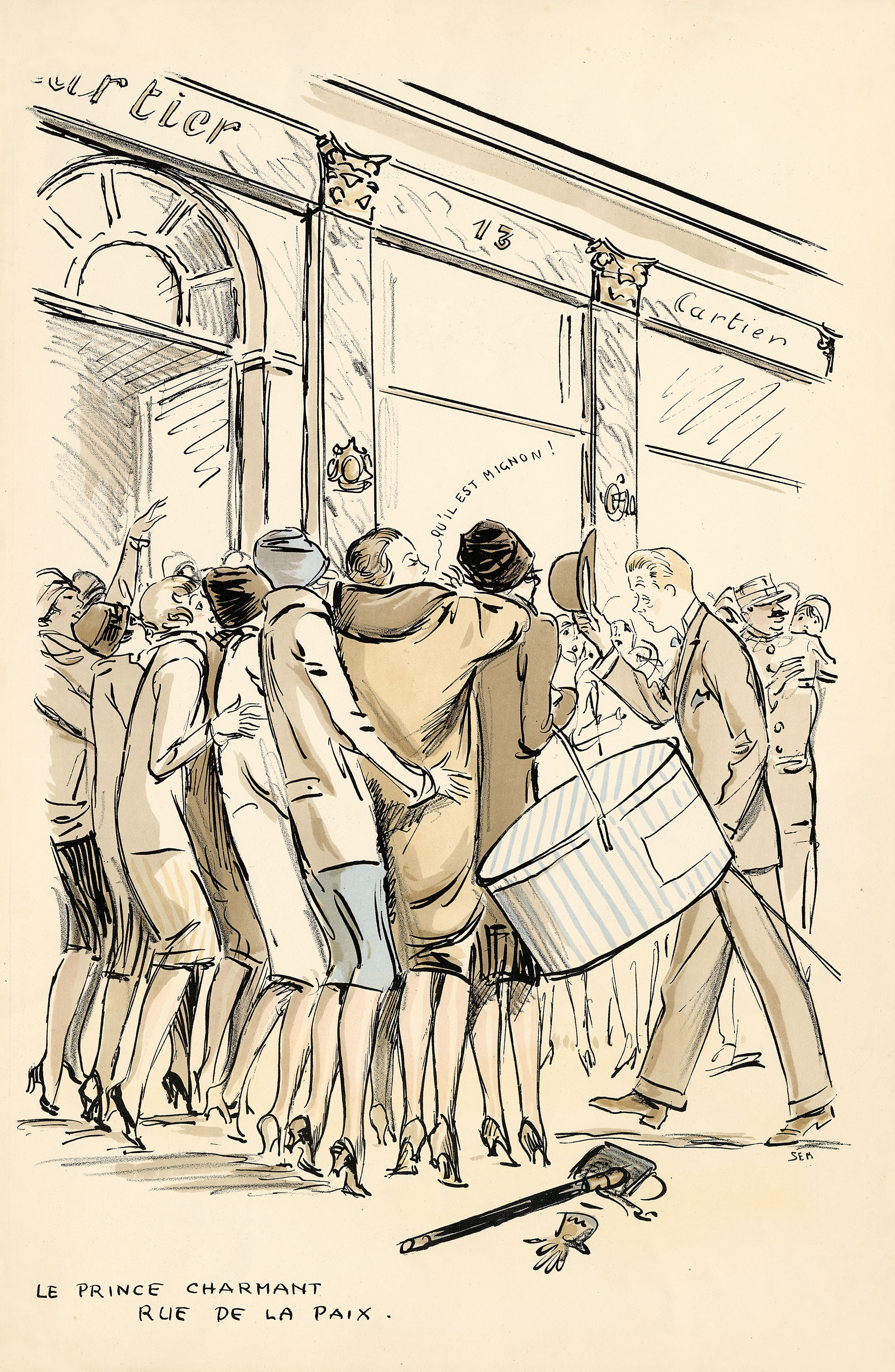
As a young man, the prince was regularly expected to stand in for his father, notably during official visits to the four corners of the British empire. Outside protocol, he enjoyed a bachelor’s life, partying and womanizing. His presence did not leave people indifferent, as exemplified by a drawing by the French cartoonist Sem, who showed “Prince Charming” entering the Cartier boutique in Paris to thrilled cries from an exclusively female crowd, whose excitement is barely restrained by a policeman.
In 1931, Edward met Wallis Simpson and fell under her charm immediately. He saw her regularly in the following months, and their relationship became obvious around 1934, to the great annoyance of King George V. Wallis was married to her second husband, and it was inconceivable, by the moral standards of the day, that the future British king and emperor—who was also head of the Anglican church—date a divorced woman.
Edward stood up to his father. He expressed his affection for Wallis by giving her jewelry, much of it bought from Cartier, the prince’s official supplier ever since the firm received a warrant in 1921. Examples included Latin crosses of platinum or set with semi-precious, indeed, precious, stones, engraved with personal inscriptions on the back, and a brooch made in 1935 that featured a W in sapphires and an E in rubies—the initials of Wallis and Edward, respectively—entwined to form the word “we.”
From Edward VIII to Duke of Windsor
King George died in January 1936. The new King Edward, eighth of that name, was faced with an inevitable decision: he had to choose between the throne and the woman he loved. Less than a year after he acceded to the throne, Edward VIII abdicated in favor of his brother.
Henceforth styled the Duke of Windsor, Edward joined Wallis in France. She had just divorced her second husband, and in December 1936 agreed to marry the duke. He gave her an engagement ring crowned by an emerald, made by Cartier. The couple wed in June 1937, and Wallis became the Duchess of Windsor.
A statement of elegance
Having few official duties, the Windsors spent most of their time leading a sophisticated, elegant life in high society.
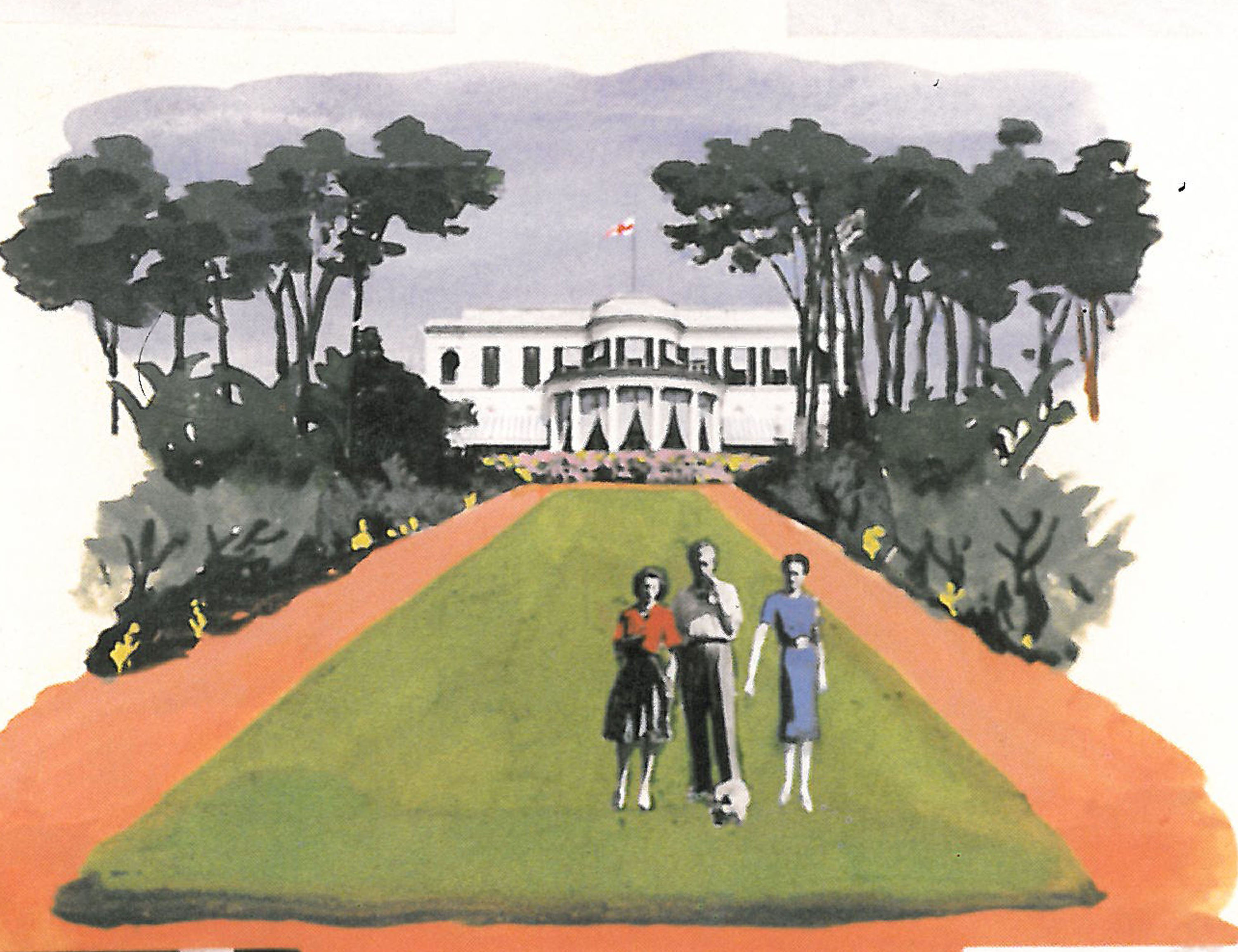
They bought several prime properties, notably in Paris and Antibes, which they decorated with their collection of precious objects set on period furniture. This interior decoration became typical of what has since been dubbed the “Windsor style.”
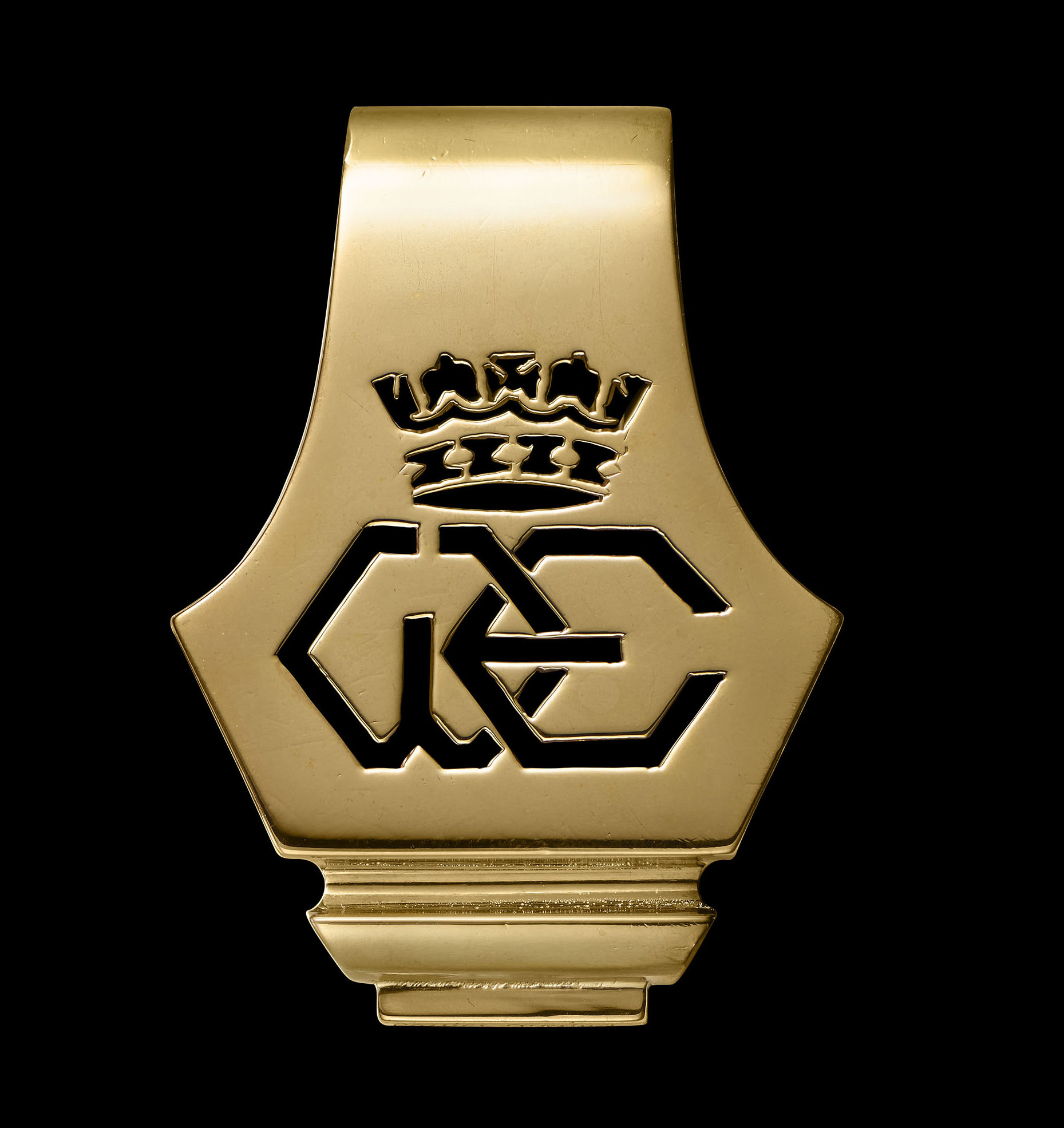
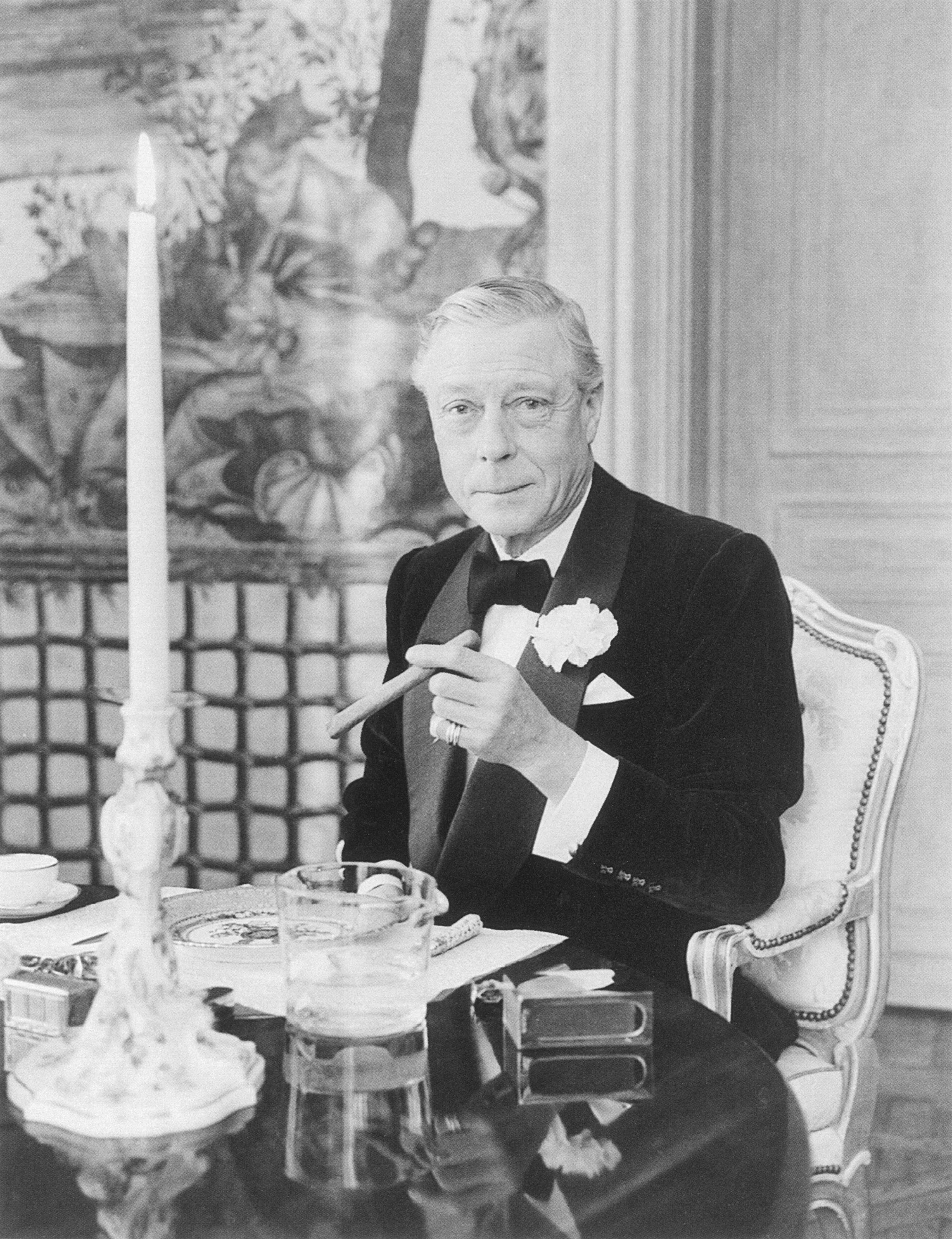
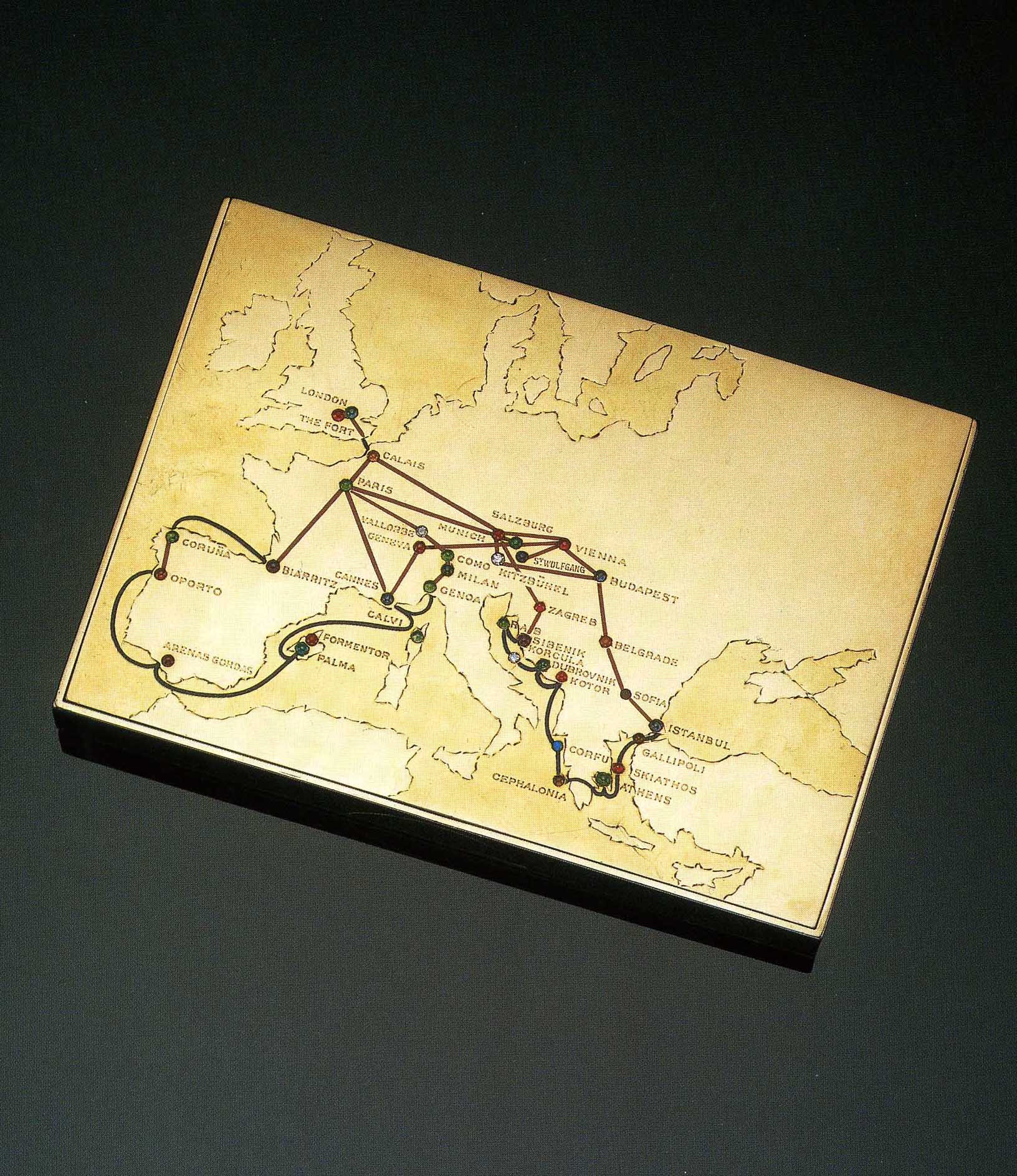
The duke displayed similar refinement when it came to clothing. He constantly wore double-breasted suits made by the finest London tailors, along with ties worn in a large knot now known as a “Windsor.” On the ring finger of his left hand he wore two of Cartier’s three-gold Trinity rings, as did poet Jean Cocteau. The duke was also partial to Cartier accessories. He was a big smoker and always had a cigarette case at hand, being particularly fond of a gold one made by Cartier and given to him by Wallis for Christmas 1935—this exclusive item featured an engraved map of Europe with the itinerary of their travels together. The capital cities they visited were set with a stone and linked by a line of enamel. The duke also had a gold money clip specially ordered from Cartier in 1937, decorated with the openwork initials W and E—a motif inextricably linked to the Windsors.
A marvelous collection
The couple remained inseparable until the duke’s death in 1972. Wallis died fourteen years later.
In 1987 an auction was held of the duchess’s jewelry, the greatest part of it given to her by the duke. All of the most extraordinary pieces were made by Cartier. The enthusiastic press of the day reported it as “the most important jewelry collection put together in the twentieth century.”